Same brand presenter, every campaign, every language
Cast a brand spokesperson once, use them across every ad, founder video, and testimonial. Lip-sync to script, localize across languages, no reshoot.
Open workflow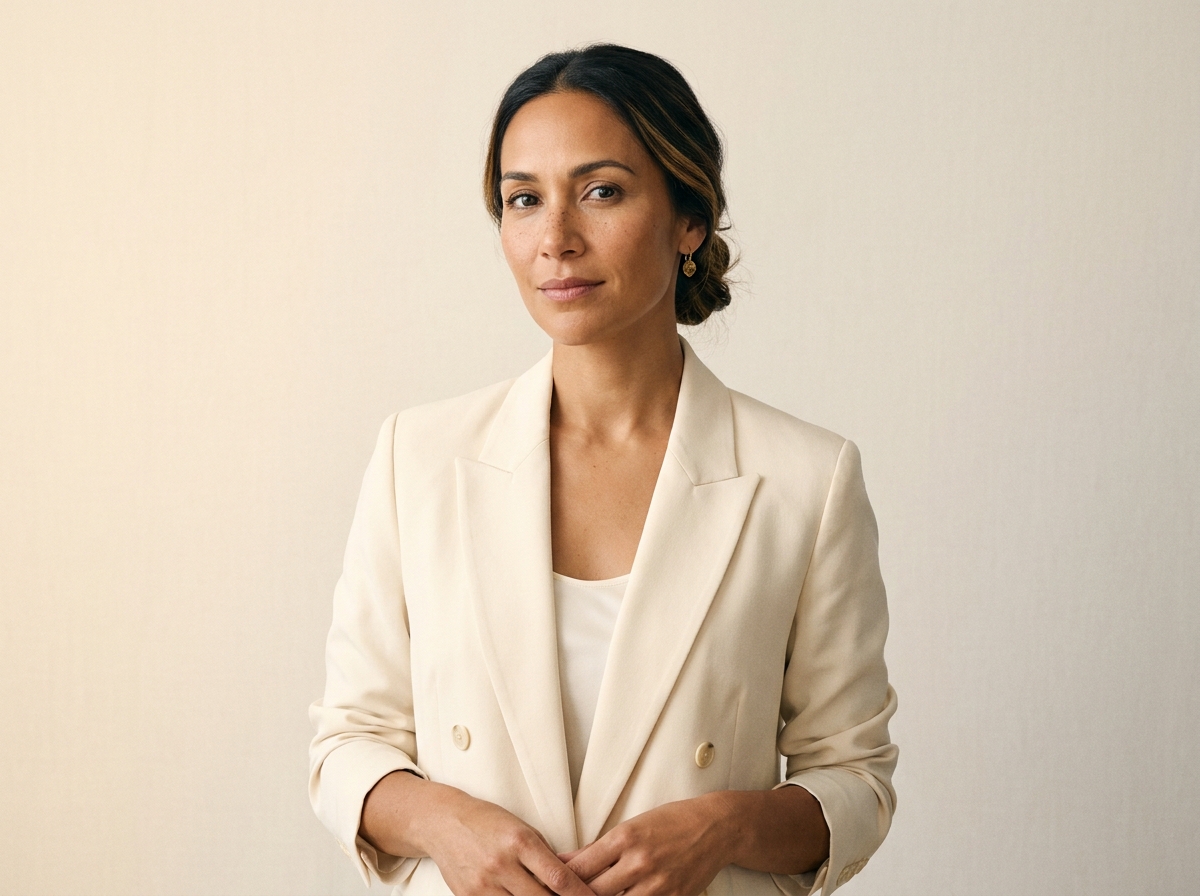
When to use this recipe
Built for teams running spokesperson and presenter ad creative at variant volume.
Recurring brand spokesperson or founder
Brand mascot, recurring presenter, founder-led marketing, or a cast brand-character. The face appears across multiple campaigns and needs to stay consistent.
Script-driven content
Ad scripts, founder updates, product explainers, testimonials. Anything where the spoken script is the content and the presenter is the delivery vehicle.
Multilingual rollout planned
Same campaign across 6+ languages. Native-language lip-sync preserves the original presenter while the audio adapts. No flying crews to four cities.
Production turnaround under 24 hours
Script approved morning, video shipped afternoon. The workflow trades the four-week traditional spokesperson shoot for a same-day production cycle.
The workflow
Six steps from approved script to platform-ready spokesperson video with optional multilingual variants.
Tips and failure modes
Six patterns that separate spokesperson videos that pass audience scrutiny from ones that read as uncanny.
Train the presenter LoRA on 20+ images
Below 20 reference images, the LoRA drifts on angles you did not train on. Cover multiple angles, expressions, and lighting in the reference set.
Audio quality drives video quality
Lip-sync only as good as the source audio. Clean studio-quality audio yields clean lip-sync. Noisy audio degrades the whole video.
Lip-sync quality varies by target language
English lip-sync is reliable. Some languages remain markedly worse. Test lip-sync per target language before promising native-feel localization.
Eye contact and micro-expressions
Audiences detect uncanny via subtle cues. If micro-expressions look off, regenerate. Lower-output-quality video with better expressions beats higher-quality video with dead eyes.
Framing per platform spec
Vertical framing is different from landscape. Generate per-platform framing rather than crop a single source. Composition rules differ across aspect ratios.
If the presenter is a real person, get release
Real-person LoRAs require written likeness release covering the AI-generated use case. Without release, do not ship. Likeness rights are unsettled in many jurisdictions.
Frequently asked questions
What teams ask before committing to a brand-spokesperson workflow.
Can I use a real person as the presenter?
Yes, with written likeness release covering AI-generated use. Founder-led brands often do this. Without release, do not ship. The release language matters; consult counsel for high-stakes deployments.
How long is a typical workflow run?
First English video: about 1 hour. Each additional language: about 15 minutes. Plus the one-time presenter LoRA training (30 minutes) that pays back across every future video.
What about lip-sync in non-English languages?
Quality varies. English is reliable; Spanish, German, French, Portuguese are usually good; some languages remain weaker. Test lip-sync per target language before committing to a rollout.
Can I generate video without a presenter?
For non-presenter video work, see the Concept Frame Moodboard or other video workflows. This recipe is specifically about brand-locked spokesperson presence.
How long can the video be?
Most platforms reward 30 seconds to 2 minutes for spokesperson content. Workflow handles up to about 2 minutes reliably. Longer video benefits from breaking into segments with shot transitions.
How does the platform compare to a traditional spokesperson shoot?
Traditional spokesperson shoot: typically several days, multiple crew members, post-production. This workflow: hours, solo operator, post-included. Cost reduction is significant; speed reduction is dramatic.
Can I A/B test different scripts with the same presenter?
Yes. Once the presenter LoRA is locked, you can run the same presenter through multiple script variants. The Campaign Variant Generator workflow handles the batching.
What if the presenter looks off in some shots?
Regenerate that shot with explicit reference images alongside the prompt. If a specific angle or expression keeps failing, retrain the LoRA with broader coverage of that angle.
Ship spokesperson video at the cadence performance media demands
Brand-Locked Spokesperson Video is a saved workflow template. Load your script and a 5-minute audio recording; ship in under 60 minutes. Localize to additional languages in another 15 minutes each.
Open workflow