Un cinéaste indépendant livre un court de 12 minutes production IA en solo
De la pré-visualisation à la livraison en six semaines. Vrai LoRA de personnage entraîné pour le rôle principal. Vrai pipeline de post-production (Nuke, DaVinci). Court métrage destiné aux festivals, sans studio.
Commencer gratuitement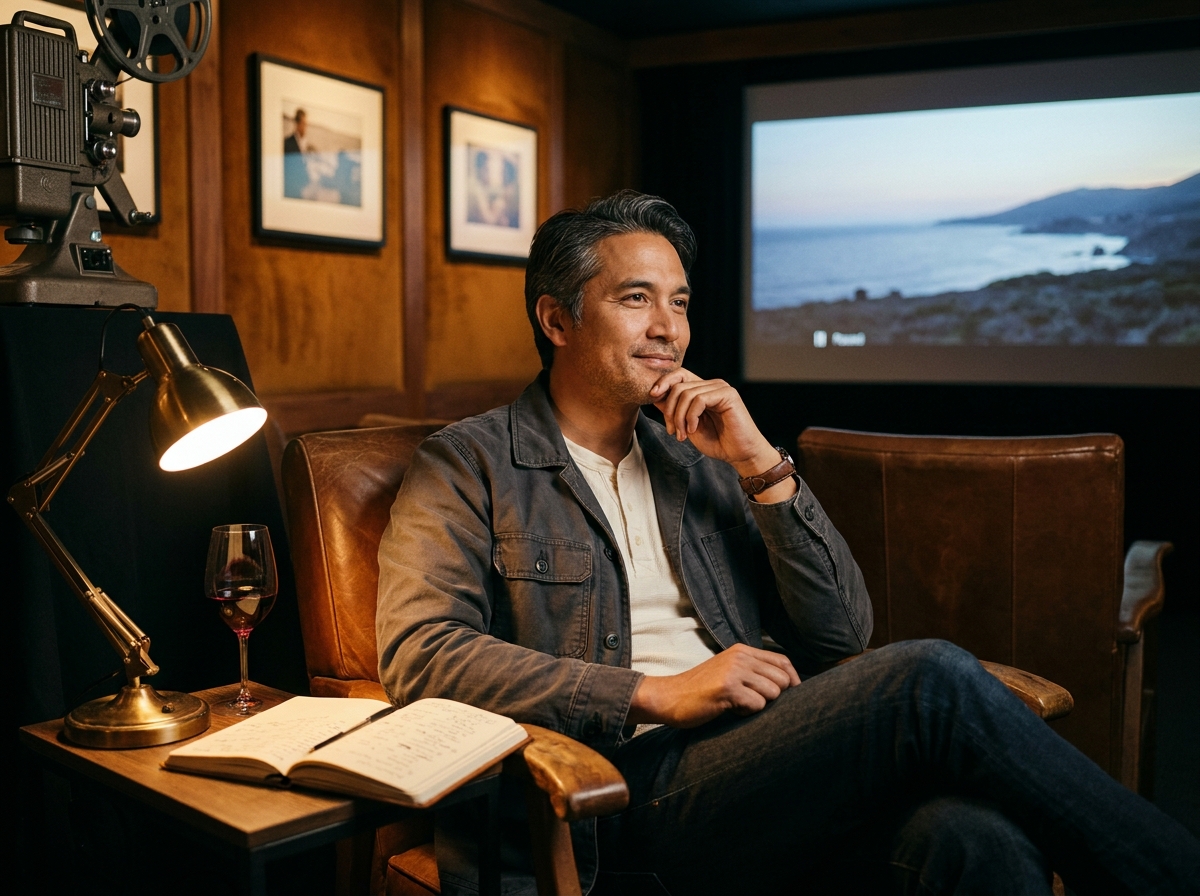
Le persona en un coup d'œil
Cinéaste indépendant non attribué, avec des références en festival ou en publicité, travaillant seul sur un court augmenté par l'IA.
Profil du cinéaste
Cinéaste indépendant en activité, avec des références passées en festival ou en publicité. Seul sur ce projet (écriture, réalisation, post-production). Court métrage destiné aux festivals, d'une durée de 10 à 15 minutes. Budget : abonnement à la plateforme plus le temps du cinéaste.
Le projet
Court métrage de 12 minutes, 76 plans au total, 68 dans le montage final. Récit porté par les personnages, avec un rôle principal et trois seconds rôles. Mélange de plans d'ambiance cinématographiques et de moments d'interaction entre personnages.
La contrainte de la production traditionnelle
La production traditionnelle aurait exigé un casting, un lieu de tournage, un tournage sur plusieurs jours, une équipe, du son et une équipe de post-production. Un budget à cinq ou six chiffres, même à l'échelle indépendante. L'histoire dormait dans la tête du cinéaste depuis plus d'un an, faute d'outils IA prêts.
Ce que le cinéaste voulait
Raconter l'histoire sans trahir la vision d'origine. Garder la cohérence des personnages sur les 68 plans avec le rôle principal. Un langage cinématographique préservé. Une livraison de qualité festival en 4K.
Le déroulé de production sur 6 semaines
Six phases, du verrouillage du scénario à la livraison finale.
Résultats typiques
Six catégories de résultats où la production de courts métrages augmentée par l'IA change la donne économique pour les cinéastes indépendants.
Calendrier de production
Six semaines de travail solo concentré pour un court de 12 minutes. Une production traditionnelle comparable s'étalerait en général sur plusieurs mois et exigerait une équipe complète.
Budget
Le coût de l'abonnement à la plateforme plus le temps du cinéaste. Le budget en trésorerie représente en général une fraction de celui d'un court métrage indépendant traditionnel.
Cohérence des personnages
Le LoRA de personnage entraîné maintient l'identité sur les 40 plans et plus du rôle principal. Une légère dérive sur 5 à 10 % des plans est courante ; la relecture plan par plan la repère avant la livraison.
Résolution de livraison
Livraison en 4K via le workflow Upscale for Delivery. Netteté du mouvement préservée. Export ProRes avec gestion des couleurs, conforme aux exigences des festivals et de la diffusion.
Viabilité en festival
Les courts augmentés par l'IA apparaissent dans les programmations de festivals du monde entier. Beaucoup de programmateurs accueillent ce format quand la narration tient la route ; l'IA est l'outil, pas l'histoire.
La valeur du carnet de production
Les carnets de production honnêtes sont rares dans la communauté du cinéma IA. Un carnet bien documenté devient un atout pour le portfolio et enrichit les connaissances partagées de la communauté.
Questions fréquentes
Ce que les cinéastes en activité demandent avant de se lancer dans un court augmenté par l'IA.
Un cinéaste en activité peut-il vraiment faire ça en solo ?
Oui pour les formats courts. Un court de 10 à 15 minutes peut être réalisé en solo par un cinéaste expérimenté sur la plateforme. Au-delà (30 minutes et plus), le volume commence à demander un collaborateur. Le sound design et l'étalonnage gagnent à être confiés à des spécialistes, même sur des projets menés par l'IA.
Combien d'itérations par plan en moyenne ?
Plans clés : 8 à 20 générations par plan livré. Plans d'établissement : 3 à 8. Interaction entre personnages : 15 à 40. Action complexe : 20 à 50. Calez votre budget de crédits sur les ratios d'itération, pas sur le coût affiché par génération.
Comment gérer la dérive de cohérence des personnages ?
Réentraînez le LoRA avec une couverture d'angles plus large quand la dérive devient récurrente. Générez les plans problématiques en ajoutant des images de référence explicites au prompt. Certains plans seront irrécupérables ; prévoyez du budget pour les repenser.
Les programmateurs de festivals accepteront-ils un travail augmenté par l'IA ?
Beaucoup le font déjà. Signalez l'usage de l'IA dans votre soumission ; laissez juger le travail sur sa narration. En évaluant les soumissions augmentées par l'IA, les programmateurs regardent si l'IA sert l'histoire ou si elle s'y substitue.
Dois-je publier le carnet de production pendant ou après ?
Après. Les carnets tenus en cours de production tournent à l'optimisme ; ceux d'après livraison deviennent honnêtes. Attendez que le film soit livré avant de publier le vrai bilan.
Quelle place pour le sound design ?
Certains modèles de la plateforme génèrent un audio natif (Veo 3.1, Seedance 2.0). La plupart des cinéastes font quand même appel à un sound designer pour le mixage final et la musique. L'IA gère le son temporaire ; le savoir-faire du spécialiste gère la livraison.
Qu'en est-il des droits à l'image pour le personnage principal ?
Si le personnage est une personne réelle que vous avez castée, une autorisation écrite d'exploitation de l'image couvrant l'usage généré par IA est obligatoire. Si le personnage est fictif (image générée par IA), les droits à l'image ne s'appliquent pas, mais consultez un juriste pour les déploiements à fort enjeu.
Quelle formule convient à ce type de travail ?
La formule Premium couvre en général le volume d'une production de 6 semaines. La formule Ultra pour les cinéastes qui mènent plusieurs projets en parallèle ou travaillent au format long. La formule Free permet de démarrer la pré-visualisation, mais pas une production complète.
Réalisez le court que vous portez en tête
Commencez gratuitement avec des crédits et testez le workflow Pre-Viz to Animatic sur une scène de votre scénario. Ce test vous dira si le calendrier de production complet tient la route pour votre projet.
Commencer gratuitement
40% de réductionsur chaque formule annuelle
Passez à l'annuel avant de partir et gardez 40% toute l'année.
- Tous les meilleurs modèles image, vidéo et avatar inclus.
- Un seul espace de travail pour toute la campagne.
- Essai gratuit de 7 jours. Annulez à tout moment.