Performance-Creative-Team 6x mehr Variantenproduktion
Aus 8 Varianten pro Kampagne werden 50. Gleiches Team, gleiche Personalstärke. Der Brand-Lock hält über das gesamte Variantenset; der Top-Performer ist eine Variante, die der alte Workflow nie erzeugt hätte.
Kostenlos starten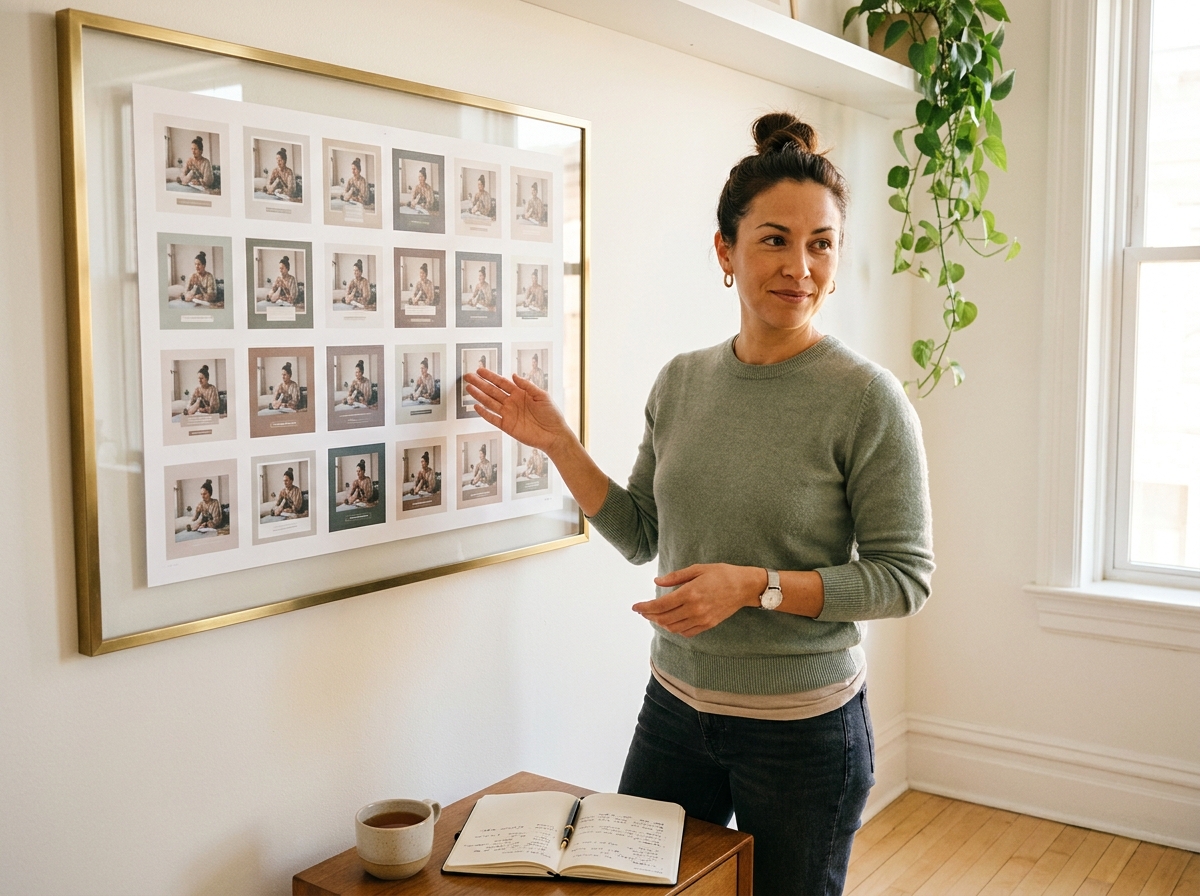
Die Persona auf einen Blick
Nicht zugeordnetes internes Performance-Creative-Team, das Paid-Social- und Search-Creatives mit relevantem Budget betreibt.
Team-Profil
Internes Performance-Creative-Team einer DTC-Marke oder eines mittelgroßen B2C-Unternehmens. 5 bis 10 Creatives plus ein Performance-Creative-Producer. Paid Social mit sechsstelligen Monatsbudgets über Meta, TikTok und YouTube.
Variantentakt vor KI
8 bis 12 Varianten pro Kampagne. Die Variantenproduktion dauerte 3 bis 5 Tage pro Kampagne. Die Prüfung auf Markenkonsistenz war ein Engpass beim Senior-Creative. Die meisten Varianten testeten denselben Hook mit kleinen Framing-Änderungen.
Grenzen beim Testen
Begrenztes Variantenvolumen bedeutete begrenzte Testzellen. Media-Buyer stellten sinkende Erträge bei kleinen Variantensets fest. Top-Varianten skalierten nicht weiter, weil zu wenige frische Ansätze zum Rotieren da waren.
Was das Team wollte
Variantenvolumen, das echte Testzellendichte ermöglicht (30+ Varianten pro Kampagne). Markenkonsistenz im Variantenmaßstab ohne Senior-Engpass. Schnellere Durchlaufzeiten, damit Creative-Tests zu Änderungen am Mediaplan passen.
Der 60-Tage-Rollout
Fünf Phasen vom Setup bis zur Variantenproduktion mit hohem Takt.
Typische Ergebnisse
Sechs Ergebnis-Kategorien, in denen markengebundene Variantenproduktion die Ökonomie von Performance-Creatives verändert.
Variantenvolumen pro Kampagne
Typischer Anstieg von 8 bis 12 Varianten pro Kampagne auf 30 bis 50. Manche Performance-Teams erreichen 75 bis 100 Varianten pro Kampagne, wenn die Testzellendichte es rechtfertigt.
Personalstärke bleibt stabil
Die Teamgröße bleibt; die Zusammensetzung verschiebt sich. Senior-Creatives verbringen mehr Zeit mit Konzept und Master-Creative; das Junior-Team fährt die Variantenproduktion über den Workflow.
Testzellendichte
Höhere Variantenvolumen ermöglichen eine aussagekräftige Testzellendichte. Media-Buyer finden im größeren Kandidatenpool Gewinner mit stärkerem Uplift.
Kürzere Time-to-Launch
Die Variantenproduktion pro Kampagne schrumpft typischerweise von 3 bis 5 Tagen auf einen Tag oder weniger. Schnellere Durchläufe bedeuten mehr Iterationszyklen, bevor Mediaplan-Änderungen das Budget festlegen.
Markenkonsistenz im Maßstab
Die Brand-Lock-Infrastruktur ersetzt die manuelle Senior-Prüfung pro Variante. Der Senior-Engpass verschwindet; die Markenstandards halten weiterhin über das gesamte Variantenset.
Überraschungsfaktor beim Top-Performer
Teams berichten, dass die stärksten Varianten oft solche sind, die der manuelle Workflow nie erzeugt hätte. Eine größere Testfläche bringt Gewinner ans Licht, die außerhalb der bisherigen Intuition des Teams lagen.
Häufig gestellte Fragen
Was interne Performance-Creative-Leads vor dem Varianten-Scale-up fragen.
Hält die Markenkonsistenz wirklich bei 50 Varianten?
Ja, wenn der Brand-Lock richtig konfiguriert ist. Farben, Typografie, Logo-Platzierung und Character-Identität sind als Workflow-Vorgaben fixiert. Juniors können Varianten erstellen, ohne von der Marke abzuweichen. Die Senior-QA fängt jede Abweichung im Final Cut ab.
Wie lernen Junior-Creatives den Workflow?
Senior-Creatives bauen die Workflow-Vorlage einmal auf; das Junior-Team arbeitet darin. Die Brand-Lock-Variablen sind das Sicherheitsgeländer. Die meisten Teams schulen Juniors in 2 bis 3 Tagen betreuter Produktion ein.
Und die mehrsprachige Variantenproduktion?
Der Workflow erzeugt sprachspezifische Varianten in derselben Matrix. Markengebundene Spokesperson-Videos werden über Sprachen hinweg lokalisiert, ohne neu zu drehen. Details zu diesem Workflow im Szenario zur mehrsprachigen Kampagnenlokalisierung.
Wie passt das zum Reporting unseres Media-Buyers?
Die Namenskonvention der Varianten (variant_dimension_value) fügt sich in das Reporting der Media-Plattformen ein. Die Performance-Attribution pro Variante zeigt gewinnende Dimensionen auf, die in den nächsten Workflow-Durchlauf zurückfließen.
Brauchen wir noch Senior-Creative-Zeit für Varianten?
Die Senior-QA vor dem Launch ist nicht verhandelbar. Der Junior fährt den Workflow; der Senior prüft den Cut. Die Senior-Creative-Zeit für die Umsetzung einzelner Varianten sinkt deutlich; die Senior-Zeit für Konzept und Master-Creative steigt in der Regel.
Wie ist der Rotationstakt?
Die meisten Performance-Creatives sind nach 14 bis 21 Tagen verbraucht. Die Rotations-Pipeline liefert in diesem Takt frische Varianten. Top-Performer werden aufgefrischt, schwache Performer entfernt. Durchgehende Variantenfrische.
Ist das für markensensible Branchen sicher?
Ja. Der Enterprise-Tarif ergänzt Berechtigungen auf Workflow-Ebene, sodass nur Senior-Creatives Brand-Locks bearbeiten können. Juniors erstellen Varianten innerhalb der fixierten Parameter. Markensensible Branchen (Pharma, Finanzen, Luxus) profitieren oft am meisten, weil der Workflow die Standards durchsetzt.
Gibt es eine kostenlose Testversion?
Ja. Der kostenlose Tarif unterstützt einen Starter-Variantenbatch. Aktive interne Performance-Creative-Teams wechseln in der Regel zu Pro oder Premium, um Credits und parallele Läufe zu erhalten.
Starten Sie den Variantenbatch bei Ihrer nächsten Kampagne
Kostenlos starten, inklusive Credits. Fixieren Sie Ihr Brand-Kit, laden Sie ein freigegebenes Master hoch und führen Sie den Campaign Variant Generator aus. Der Pilot zeigt, ob das 6-fache Variantenvolumen in Ihrem konkreten Markenkontext trägt.
Kostenlos starten
40% Rabattauf jeden Jahrestarif
Wechseln Sie jetzt zum Jahrestarif und sparen Sie das ganze Jahr 40%.
- Alle führenden KI-Modelle für Bild, Video und Avatar.
- Ein Workspace für Ihre gesamte Kampagne.
- 7 Tage kostenlos testen. Jederzeit kündbar.