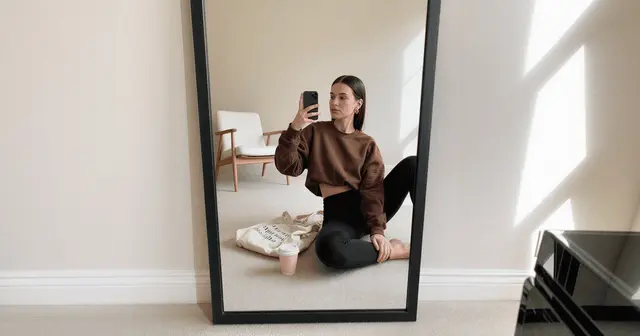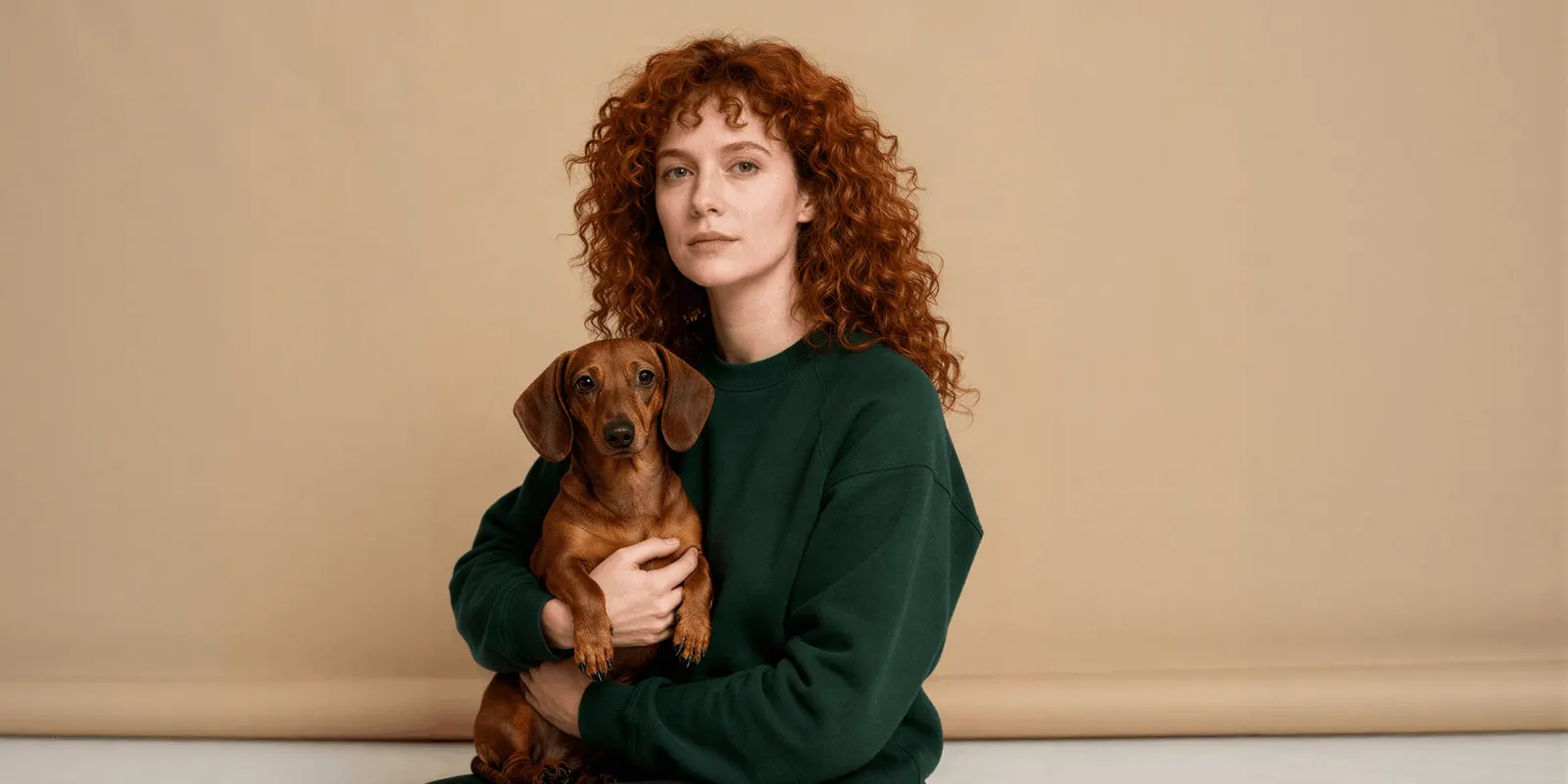
A model release form is written permission from a person to use their likeness commercially. It is separate from the photographer’s copyright licence. When an outside photographer shot the image, you usually need both to run it in advertising. A usable release names the parties, describes the images, and states the scope: which media, how long, which territories. In the US, commercial use without one can break the subject’s right of publicity, which comes mainly from state law (Cornell LII, September 2026).
Two permissions, two documents, two expiry dates. Brands routinely secure one and assume it covered both.
This covers what a release must contain, when you need one, what happens when the two documents disagree, and the newer question of what applies when the person is generated.
Key Takeaways
- A release and a copyright licence are different documents. The photographer grants use of the photograph. The subject grants use of their likeness. For commercial work with an outside photographer, you usually need both.
- Get one whenever the use is commercial. ASMP, the American Society of Media Photographers, advises a release for any commercial use, including self-promotion (asmp.org, accessed September 2026).
- A visible face is not the test. A photographers’ guide from Sony’s Alpha Universe says a release is needed for commercial use if subjects could recognise themselves by a tattoo, clothing or context, even with the face hidden (alphauniverse.com, accessed September 2026).
- The release has its own scope. Where, how, and for how long. Whichever of the release and the licence is narrower is your actual limit.
- Editorial and commercial are treated differently. Advertising, marketing and packaging are commercial. That is the category most brand work sits in.
- Model rights can be a paid extension. For example, Squareshot lists a model usage rights extension as a separate cost on its own pricing page (squareshot.com/pricing, September 2026).
- A generated person needs no release, but it can need a disclosure. Since 9 June 2026, New York has required a conspicuous disclosure when an ad contains a synthetic performer and the person making the ad knows it.
What must a model release form contain?
Six things. Anything shorter tends to fail on scope, which is the field disputes actually turn on. The table below lists the fields to discuss with your lawyer before you draft a form. This is general information, not legal advice, and a lawyer in your market should review your release before use.
| Field | What it does |
|---|---|
| The parties | Full legal name of the subject and of the party receiving the grant |
| The images | Which session, date and shoot, so the grant is not open-ended by accident |
| The grant | What the subject permits: reproduction, distribution, display, alteration |
| The scope | Media, term and territory, stated explicitly |
| Consideration | What the subject receives in exchange, since in many places a grant needs it |
| Signature and date | Plus a guardian’s signature where the subject is a minor |
The field that gets skipped is scope, because a release that says only “commercial use” looks complete. It leaves out media, term and territory. A release should say where, how and for how long the images may be used. A grant with no term is ambiguous in exactly the way that becomes expensive later.

Alteration deserves its own line now. If the images will be retouched heavily, composited, or used as a reference for further generation, the grant should say so. A subject who agreed to a photograph did not necessarily agree to a derivative of it.
When do you actually need one?
When the use is commercial, and the person is recognisable.
Commercial means advertising, marketing, promotion, packaging and merchandise. That is where nearly all brand photography sits. It also covers licensing the image on to a third party such as a stock agency or a client.
Editorial use, meaning news and commentary, is treated differently. This distinction is often misapplied by brands, because a blog post on a company’s own site promoting that company’s products counts as marketing rather than editorial.
Recognisable is broader than a face. If the subject could recognise themselves, by a tattoo, distinctive clothing or the context of the shot, Sony’s Alpha Universe guide says a release is needed for commercial use. Cropping the head out does not reliably solve it.
The practical rule for a small brand: if a person appears in an image you will use to sell something, get a release. The cost of getting one is a signature. The cost of not having one arrives after the campaign is live.
What happens when the release and the licence disagree?
The narrower one wins, and it is usually the release.
A worked example. The photographer grants worldwide, all media, three years. The model release says one year, US only, digital. What you actually hold is one year, US only, digital, because the model has not permitted anything beyond that regardless of what the photographer granted.
This is the failure that catches brands expanding. The photographer’s licence is negotiated with the fee and tends to be generous. The release is signed on the shoot day, often on a standard form nobody read, and tends to be narrow. Twelve months later the brand opens an EU store and discovers the campaign imagery cannot travel.
Three habits prevent it:
- Read both documents together, before the shoot. Compare media, term and territory line by line.
- Ask for the release scope to match or exceed the licence. Where it costs more, that is the point at which to decide, not later.
- Record both expiry dates with the files. Not in a contract folder. Alongside the images in wherever your assets live, because that is where someone looks before reusing one.
The four variables and how they price are covered in image licensing and usage rights.
How long should a release run?
As long as the images will realistically be in use, plus a margin, and the margin is the part people underestimate.
Catalogue and PDP imagery has a long life. An on-model shot goes onto a product page and stays there until the product is discontinued, which can be years. A one-year release on a PDP image is a problem you have scheduled for yourself.
Campaign imagery is shorter, and a term matched to the campaign plus a buffer is reasonable. The buffer matters because assets get reused. A social ad becomes a blog header becomes a deck slide, and none of those reuses check the release date.
The honest position is that perpetual is cleanest where you can get it, and where you cannot, the term should be written down somewhere a person will actually see it before reusing the file. A release nobody can find has the same practical effect as no release.
Do you need a release for an AI-generated person?
Not a release, because there is no person to grant permission. A disclosure duty can apply instead, and it is live. This is general information, not legal advice.
New York’s synthetic performer law, General Business Law section 396-b, took effect on 9 June 2026. If you make an ad and you know it contains a synthetic performer, the ad must say so in a way people will notice (nysenate.gov, September 2026). New York State describes synthetic performers as “digitally-created media that appear as a real person” (governor.ny.gov, accessed September 2026). In the EU, Article 50(4) of the AI Act has required deployers to disclose deep fakes since 2 August 2026, and a realistic generated person is likely in scope (AI Act Service Desk, Article 50, accessed September 2026).
Two situations can still need a release even though the image is generated:
- The generated person is based on a real person. If a real individual’s likeness is the input, whether as a training reference or a source image, you are using their likeness and the right of publicity can still apply.
- A real person appears alongside a generated element. A real model in a generated scene is still a real model.
The clean case is a person who does not correspond to any real individual. No release, no term, no territory, no renewal, and a disclosure obligation in the markets that require one. For a brand running a monthly drop calendar, that trade is usually favourable, because a disclosure is a one-time design decision and a release is a recurring negotiation with an expiry date.
DesignerBox is AI creative production for agencies and brand teams. A workflow starts from a garment photograph and returns on-model results, including virtual try-on. Virtual try-on starts on the Premium plan, $75 a month billed monthly. Check the full picture in the AI disclosure rules now in force before running generated people in ads, because the obligation varies by market.
The paperwork scales differently from the pictures, and that is what decides this for a brand with a catalogue. Separate shoots with real models can leave forty products across two seasons with forty scopes and forty expiry dates. With a generated person, you create the face once in a workflow, and you record the disclosure rule next to it. A saved workflow runs the same way on the next product. Start from a template, add your brand and your products, and run it. The cost is shown before the run. See the templates.
FAQ
What is a model release form?
Written permission from a person allowing their likeness to be used, typically for commercial purposes. It is separate from copyright in the photograph. The photographer’s licence covers the image, the release covers the person, and commercial advertising generally needs both.
Do I need a model release for commercial use?
Generally yes. ASMP advises a release for any commercial use, including self-promotion. Commercial use covers advertising, marketing, packaging and merchandise, and licensing the image to a third party. In the US, the need comes from the right of publicity, which is mainly state law. This is general information, not legal advice.
Do I need a release if you cannot see the model’s face?
Possibly. The test used in practice is recognisability rather than facial visibility. Sony’s Alpha Universe guide says a release is needed for commercial use if the subject could recognise themselves from a tattoo, distinctive clothing or the context of the image. Cropping the head out is not a reliable workaround.
What should a model release include?
The full names of both parties, identification of which images are covered, the specific rights granted including any alteration, the scope in terms of media, term and territory, what the subject receives in exchange, and a dated signature. Where the subject is a minor, a parent or guardian usually signs. This is general information, not legal advice, so have a lawyer in your market review the form before use.
What happens if the release is narrower than the photographer’s licence?
The narrower document governs. If the photographer grants worldwide all-media for three years and the release grants US digital for one year, you hold US digital for one year. This is the most common way brands discover a gap, usually when expanding into a new market.
Do AI-generated models need a release?
Not where the generated person does not correspond to a real individual, because there is nobody to grant permission. Disclosure duties can apply instead. New York requires a conspicuous disclosure when an ad contains a synthetic performer and the person making the ad knows it. Article 50 of the EU AI Act has applied since 2 August 2026 and requires deployers to disclose deep fakes. If a real person’s likeness was the input, the right of publicity can still apply.
How long should a model release last?
Long enough to cover the realistic life of the images plus a margin for reuse. Catalogue and product page imagery often runs for years, so a one-year term on a PDP shot creates a problem on a schedule. Campaign imagery can be shorter, but assets get reused in ways nobody checks the date for.
Sources
- American Society of Media Photographers, “Model Releases: Questions and Answers”, on releases for commercial use and consideration (asmp.org, accessed September 2026)
- Sony Alpha Universe, “The PRO-Files: Do You Really Need A Model Release?”, 4 September 2019, on recognisability by tattoo, clothing or context (alphauniverse.com, accessed September 2026)
- US Copyright Office, What is Copyright (copyright.gov, accessed September 2026)
- Right of publicity in the US as mainly state law (Cornell LII, accessed September 2026)
- New York General Business Law section 396-b, synthetic performer disclosure (nysenate.gov, accessed September 2026)
- New York State, synthetic performer disclosure law announcement (governor.ny.gov, accessed September 2026)
- EU AI Act, Article 50 (AI Act Service Desk, accessed September 2026)
- Squareshot pricing page, model usage rights listed as a separate cost, no figures reproduced (squareshot.com/pricing, accessed September 2026)
- DesignerBox plans and feature gates: DesignerBox pricing page (designerbox.ai/pricing), September 2026
Release requirements verified from ASMP and Sony Alpha Universe guidance, US Copyright Office publications and primary regulatory sources as of September 2026. This is general information, not legal advice. Publicity rights differ by state and country. Have a qualified adviser review your release before use.