AI Influencer Generator: 4 Kinds of Tool Compared (2026)
An AI influencer generator can be one of 4 kinds of tool. Compare 10 named tools, then run 5 tests on a character before it fronts a brand campaign.
Teams and brands
Agencies Brand teams Performance marketers Creative studios Ecommerce brands Fashion brands Furniture and homeware brands Solo foundersUse cases
 Product imagery
  Static ads
  Video ads
  User-generated content
  Social creatives
  Campaign concepts
  Brand assets
  Automations
 What you sell
Sales channels
Programmes
Affiliate programmeOn-model and virtual try-on guides cover how to get your product onto a person without a casting call. You'll find how to turn a flat garment photo into a worn shot, how to hold the same face and body from the first piece in a drop to the last, how fit accuracy affects returns, and where disclosure rules apply. Written for fashion and ecommerce teams.
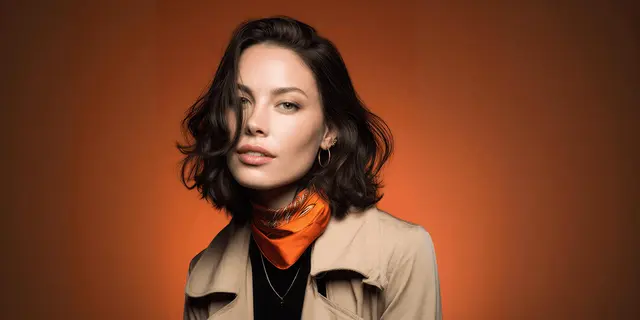
An AI influencer generator can be one of 4 kinds of tool. Compare 10 named tools, then run 5 tests on a character before it fronts a brand campaign.
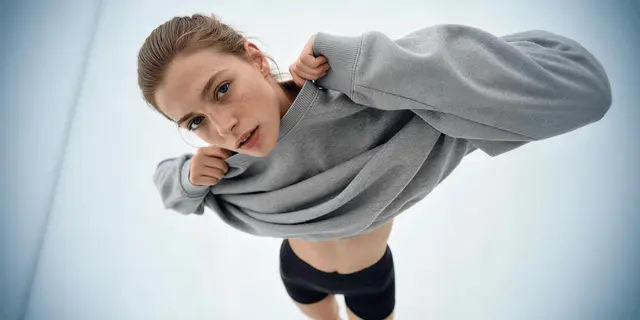
AI Influencer Studio is Higgsfield's character builder. See what the update changed, its 19 settings, and 5 checks before a character fronts a brand ad.
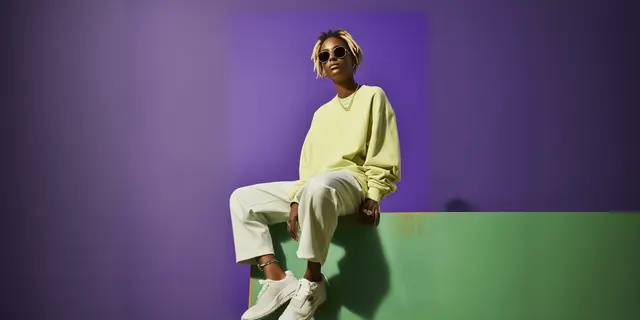
An AI model agency can be one of 3 different businesses. Compare the 4 routes to on-model images by who owns the face and what to get in writing first.
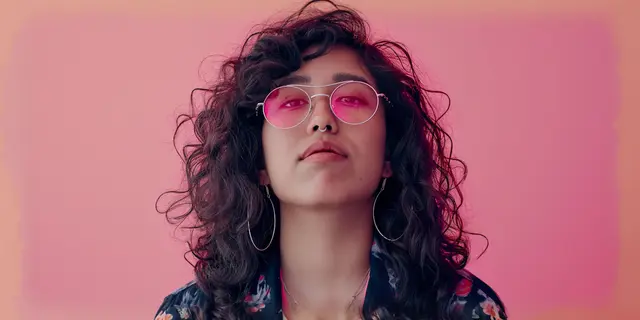
Higgsfield Soul 2.0 trains one face from 20 or more photos. Nano Banana Pro works from up to 14 reference images. See which fits a brand's on-model images.
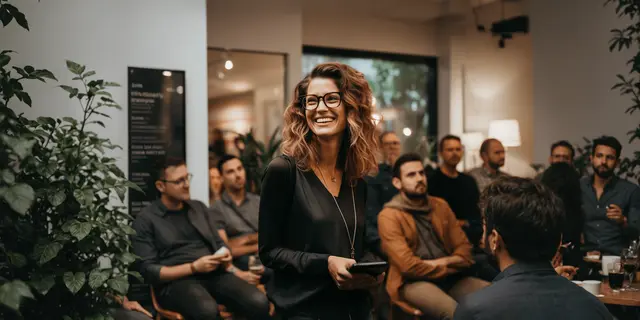
A talking avatar is a digital presenter that speaks a script with lip sync. The 5 parts a brand series depends on, and the label and likeness rules to check.
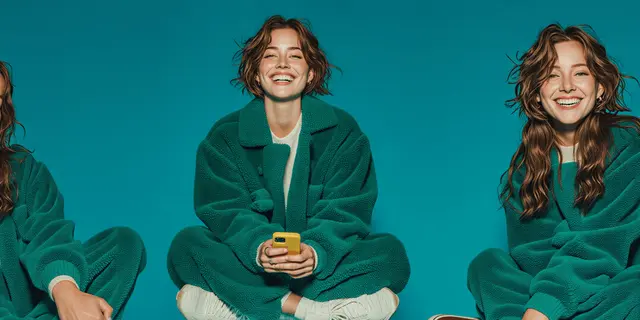
How to become a fashion influencer on Instagram: pick a niche, plan a weekly set of 5 post types, and follow the pay, label and disclosure rules.
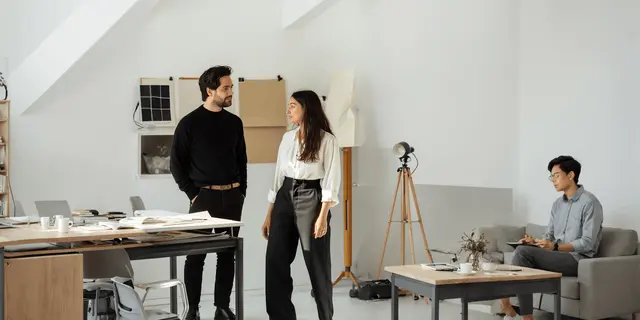
AI influencer marketing for brands: test 3 to 5 AI characters on one script, read cost per purchase, then keep one character and label it where rules ask.
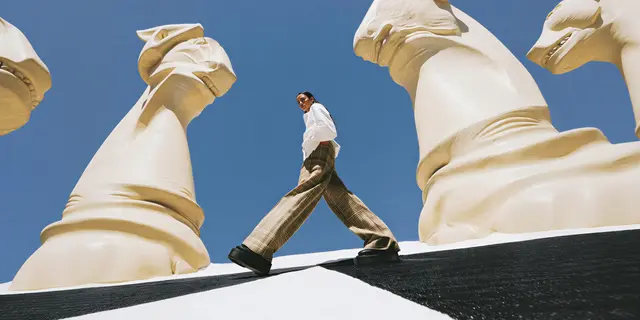
An AI fashion editorial needs five kinds of frame. We sorted 14 tools by the frames each one fills, which keep your real garment, and the rules on labels.
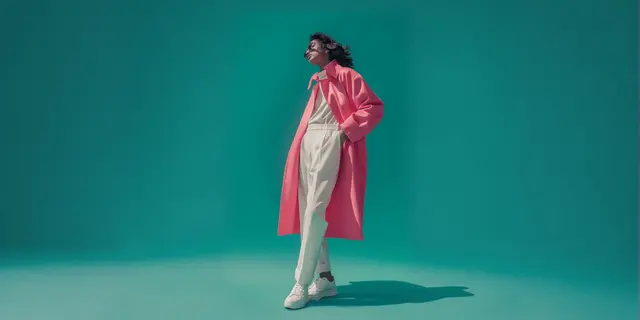
AI fashion photography ROI lands between 2x and 13x on honest inputs, not 500x. Three numbers decide it, and a worked model shows when the switch breaks even.
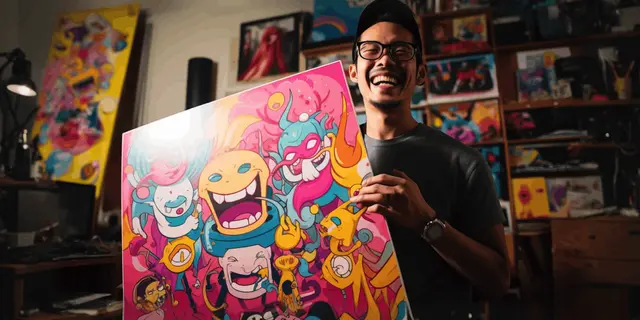
An AI mascot stays the same across 40 assets only if you build a model sheet first. Prepare references, write the prompt, choose remix or your own art.
An AI outfit generator puts several garments on one model. We compared 10 brand tools and checked where an outfit image may run on Amazon and Google.
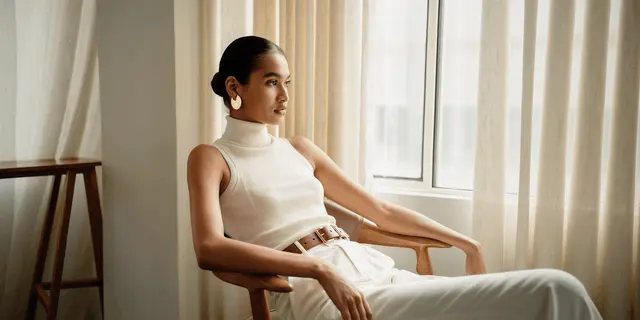
The best AI clothes changer for product photos: 16 tools compared on where the new garment comes from, whether your photo is kept, output size and rights.
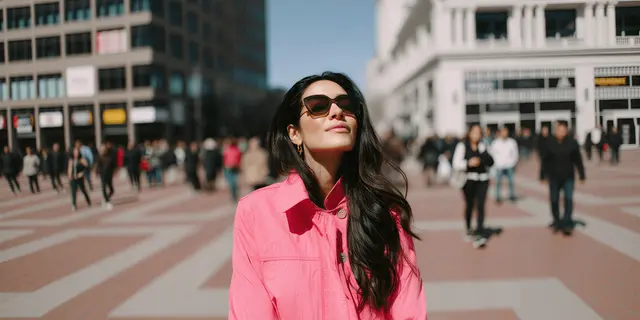
15 AI fashion photography tools compared by job: on-model shots from a flat lay, one model for a whole drop, back views and video. What to test before you pick.
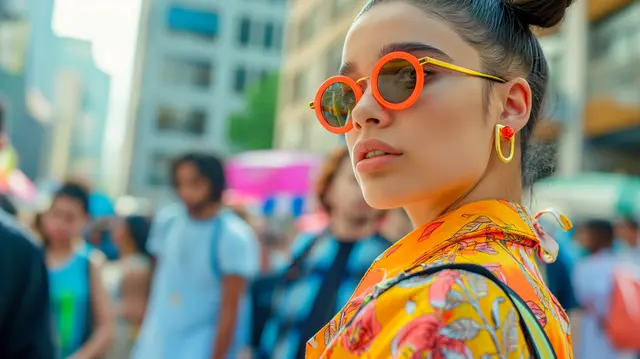
13 AI on-model photography tools sorted by what the model wears or holds: clothes, shoes, jewelry, eyewear, bags and hats. What each vendor states and excludes.
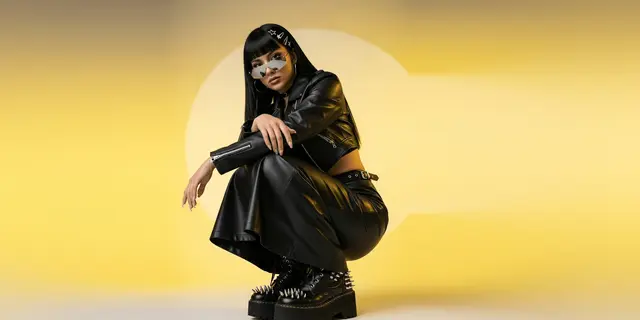
How to choose an AI virtual model for a clothing brand: set the face, the size range and the realism per slot from your own data, then run 2 tests first.
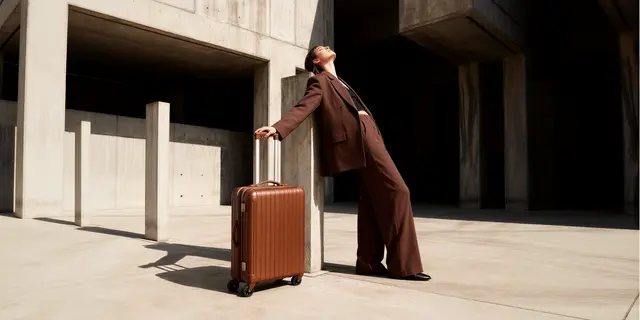
A digital lookbook needs AI tools for the images and a maker for the book. 12 tools sorted by job, the steps to build one, and where the AI label goes.
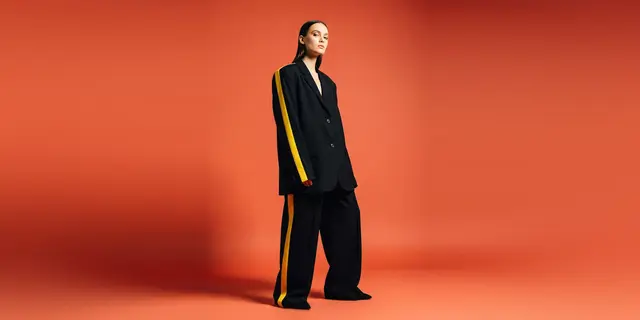
What a fashion photoshoot costs in 2026: day rates for each role, usage fees, New York's model rules, and why one $5,000 day costs $125 or $625 per look.
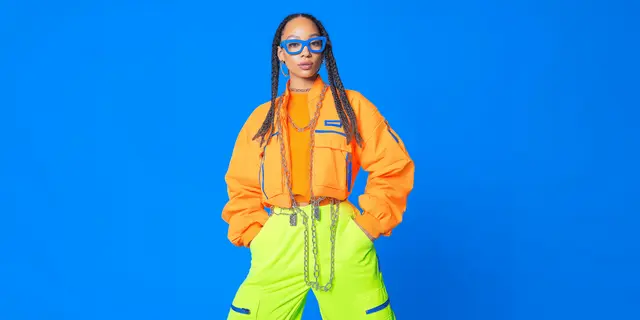
Free AI virtual try-on tools checked for sellers: 3 of 9 hosted tools allow commercial use of free results, and 3 open models are non-commercial.
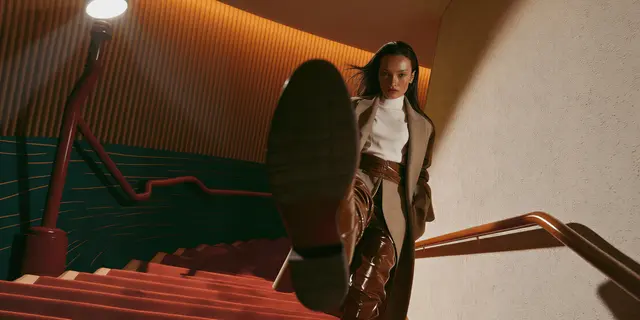
Virtual try-on for shoes runs four ways: Google's try-on, marketplace 3D, AR widgets and AI images. What each needs from you, from 5 photos to a 3D model.
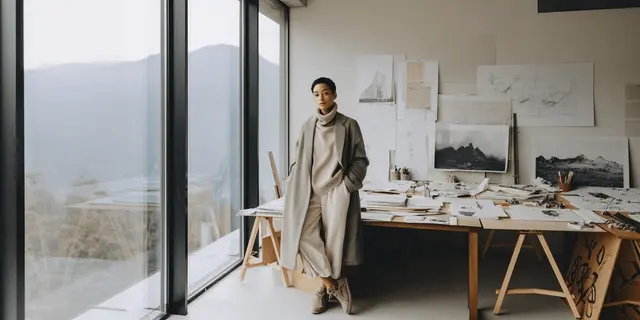
5 WearView alternatives for on-model fashion photos, sorted by the job each one fits: Botika, FASHN, Photoroom, Snappyit and DesignerBox, and when to stay.
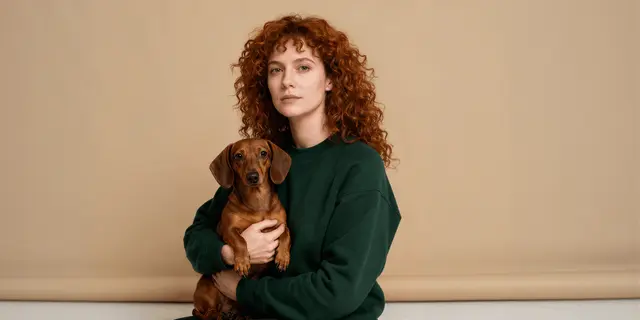
A model release form grants commercial use of a person's likeness. The 6 fields it must contain, when you need one, and what applies to AI-generated people.
AI fashion photography for ecommerce: the 5 image registers a drop needs, the platform rule for each, what to generate, what to still shoot, and what it costs.
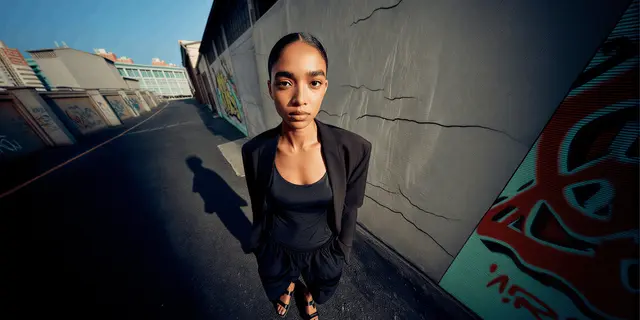
Fashion lookbook photography needs 6 frames per look, not 3. The shot list by who reads it, what holds 15 looks together, and what a shoot costs in 2026.
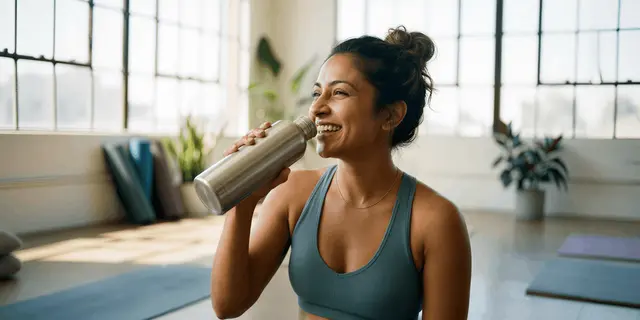
AI models for product photos: which products need a person and which need a hand. 42% of shoppers judge size from images. What Amazon allows in slot one.
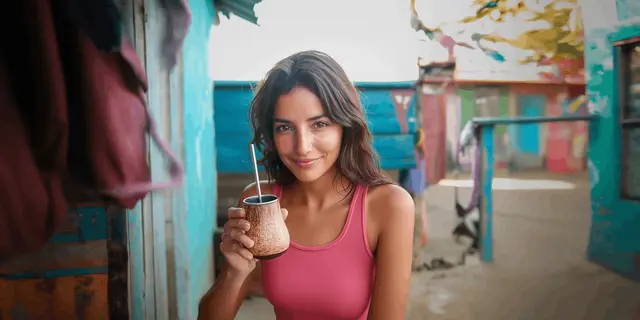
AI virtual models fail on hands, scale and labels when the product is held. The three failure modes, the composite fix, and 5 checks before a shot hits a PDP.
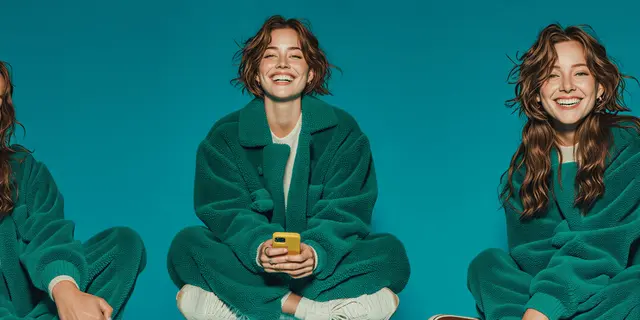
Does virtual try-on reduce returns? Vendors quote 25 to 40 percent. ASOS and Zalando published smaller results, and Google published its image rules for try-on.
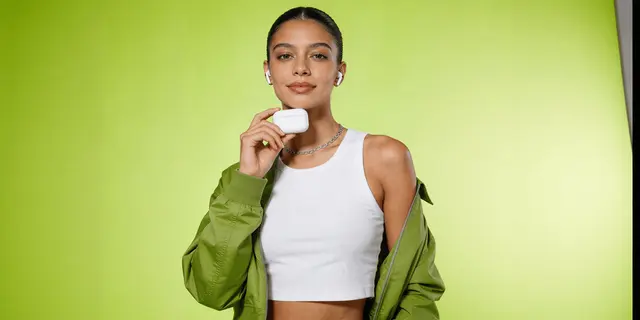
5 FASHN AI alternatives compared by the job each one fits, where FASHN is the better pick, and when its own API beats switching to another app.
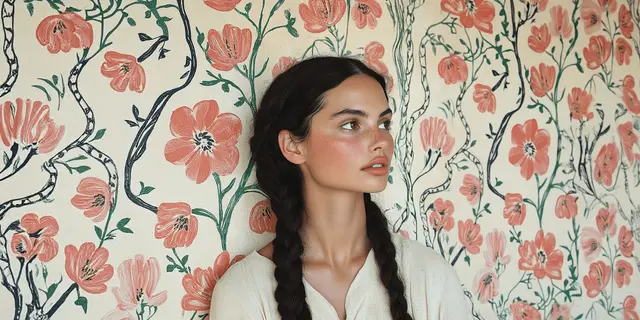
An AI avatar for brands is a reusable face you own. How the nine-pose set works for 25 credits, which models hold identity, and who has to label the result.
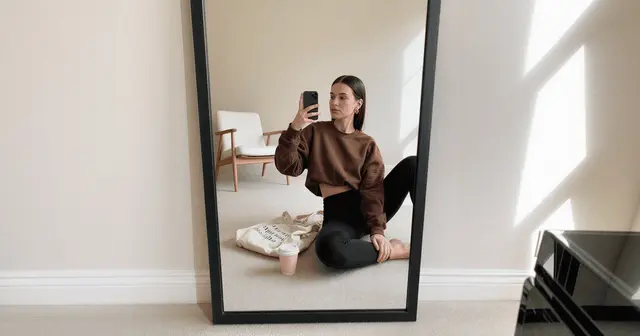
How to add virtual try-on to your store. The shopper-facing version meets biometric law at $1,000 a violation. The brand-side version takes no shopper photo.
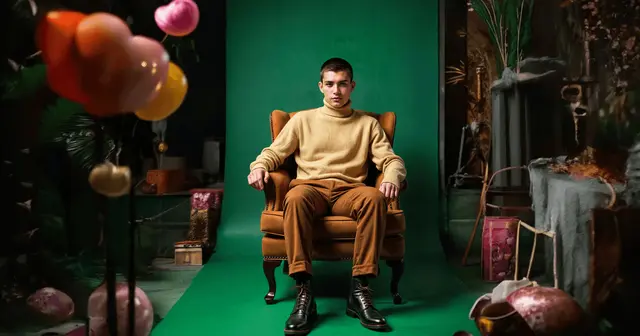
AI autumn lookbook guide: why layers, knit and low light break generated output, the 4 locks that hold it, and how to ship AW assets in July without a studio.
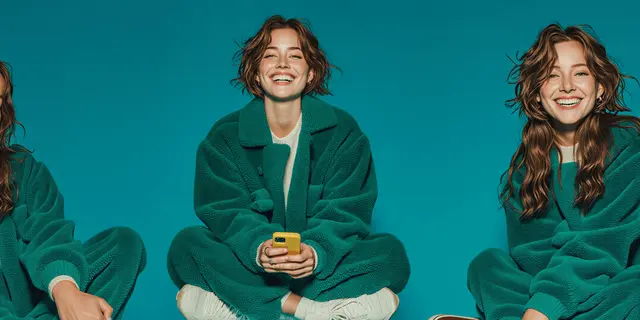
AI in fashion has three layers: create, shop, wear. Zalando made 70% of Q4 2024 campaign imagery with AI. What is proven, what is vendor claim, what stalled.
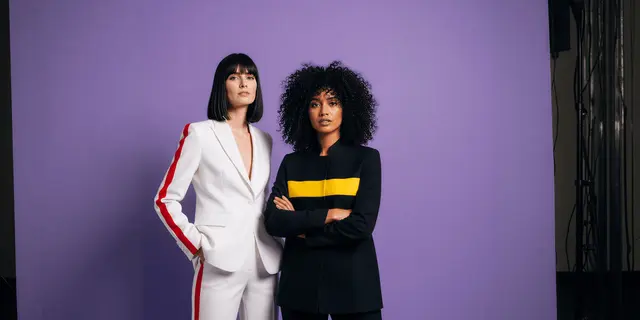
AI models vs real models: no published test settles it, and the 13% study measured garment design. A rule for each of 6 gallery slots decides it for you.
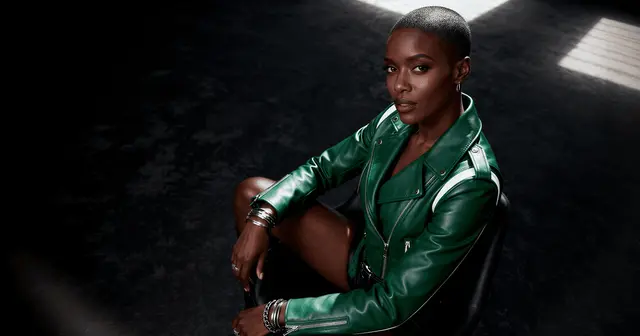
Are AI fashion models real people? Mostly no. They come from 3 sources, and the source decides what you disclose under the 2026 EU and New York rules.
How to create fashion visuals with AI: pick one of 4 input photos by garment structure, shoot it clean, and run 4 checks on the garment before a shot ships.
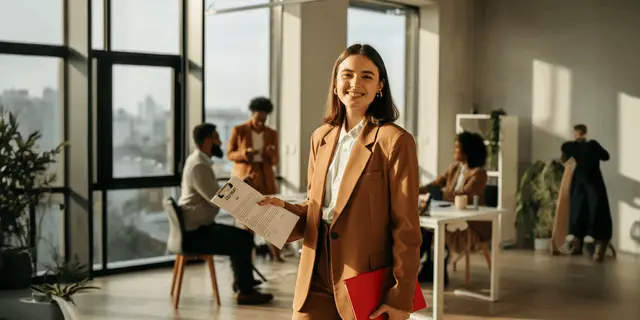
Vendors say AI can cut fashion photography costs by 90%. That is the shoot line. The cut to your all-in cost per live SKU is closer to 63% to 75%.
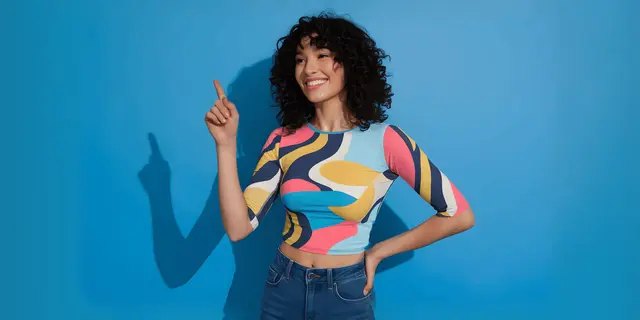
Diverse AI fashion models are sold as a trust win. One peer-reviewed study found a fit-risk effect in larger sizes, and 2 audits found models default thin.
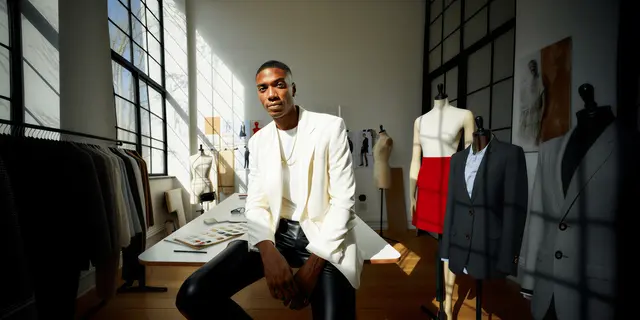
7 fashion AI use cases, sorted by what it takes to run each one. Which need a data team, which ship with your platform, and which you can start this week.
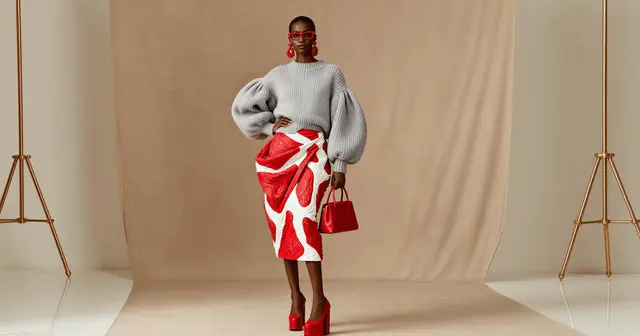
Fashion brands using AI models split two ways. ASOS reported 1,600 extra assets for one campaign. Fully synthetic faces bought headlines instead.
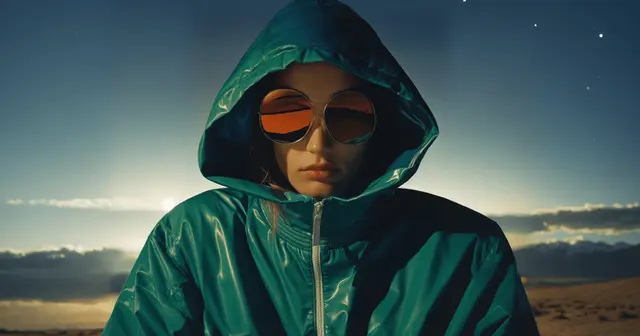
20 fashion photoshoot ideas sorted into 3 tiers by what it takes to produce each one. Which generate from a garment photo, and which still need a camera.
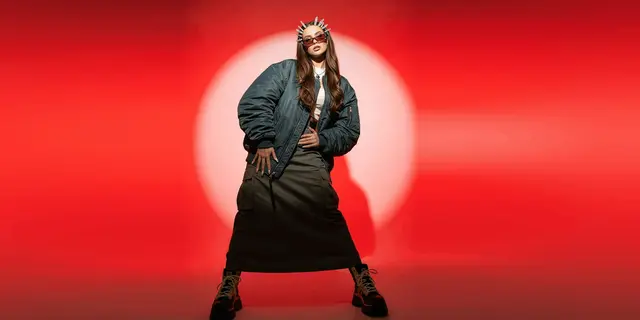
How to create an AI fashion model in 6 steps: cast the first frame, write the brief, judge the batch, fix bad frames, save the face, then dress it in a garment.
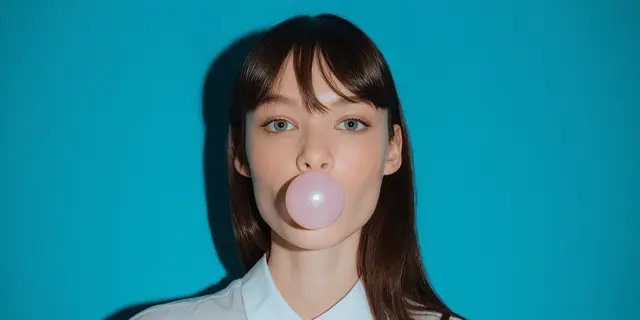
Labeling AI-generated content in fashion turns on a synthetic person. Which of 8 assets in a drop need a label under the EU AI Act, and what a label costs.
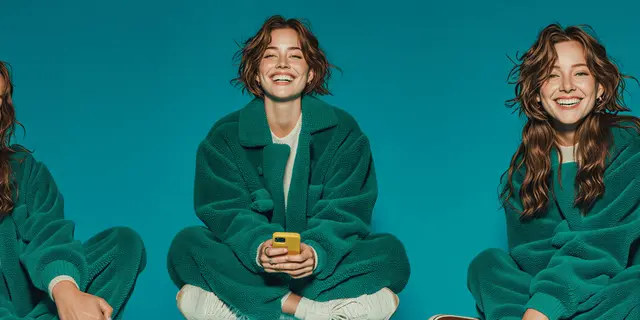
On-model photography with AI is limited by the images you already shot. Match an existing catalog on 4 variables, and which shots to move first.
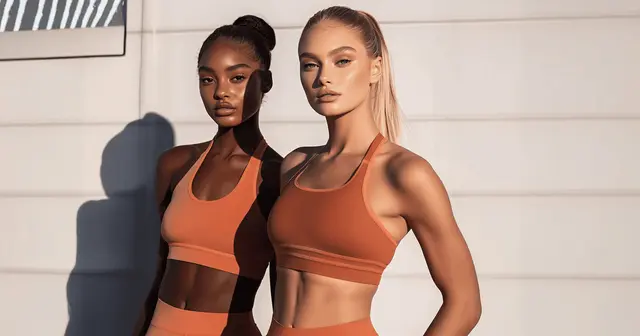
Virtual try-on fit accuracy: the FIT research trains on 1.13M measured samples. What that changes for on-model catalog images, and why it will not fix returns.
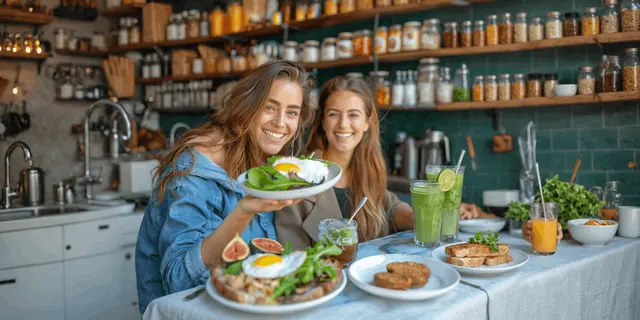
Two characters in one AI image blend into each other. What 9 model doc pages publish, the 4 ways the shot fails, and the fix that keeps both faces intact.
Consistent on-model product images come from four locks: identity, lighting, framing and garment fidelity. Build the pass once, then run it on all 40 SKUs.
AI fashion model generators and photoshoot tools compared: 11 tools mapped to the 5 shots a drop needs, from the front PDP image to the back view and video.
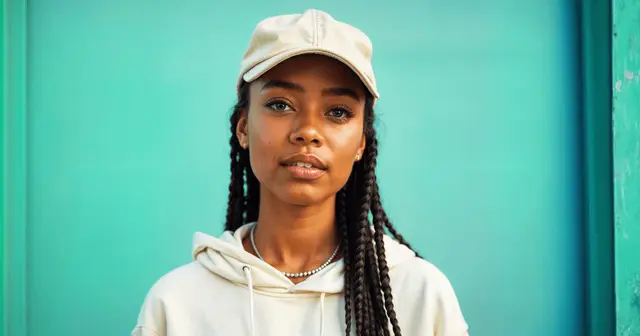
A consistent AI character holds one face across 40 assets. Build the reference set, pick a model that holds identity, and get the release signed.
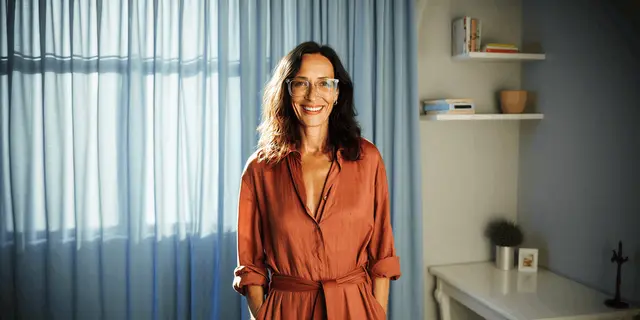
Change clothes in a photo with AI in 8 steps, without a reshoot. Keep the garment your real product, run the same edit on every colorway and clear the rights.
AI head swap changes the whole head and keeps the body, garment and pose. Which models hold a face, plus the 7 steps that cut retries and the consent rules.
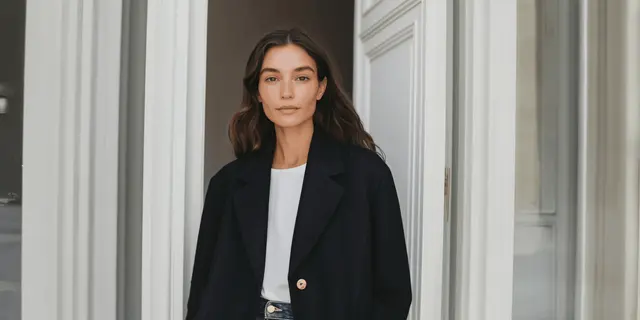
An AI clothing model dresses a generated person in your real garment from one flat lay. The 5 steps, one model on 40 pieces, and the checks before a PDP.
Build the job once with your brand and your products. Run it on your whole catalog, and see the cost before each run.