

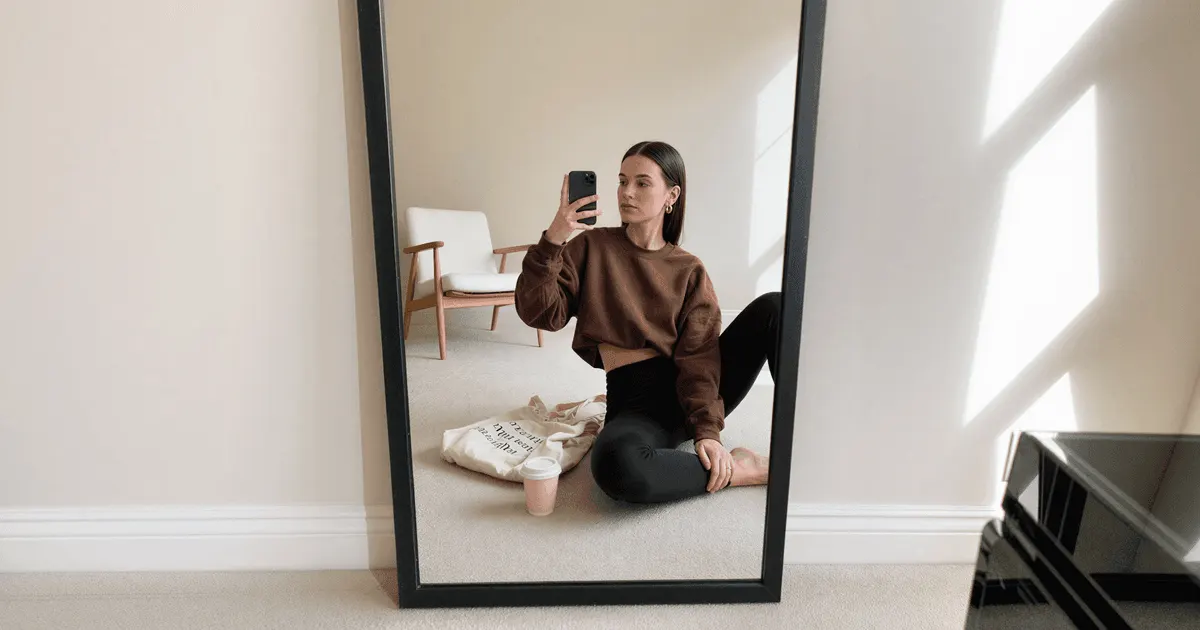
Adding virtual try-on to your store means choosing between two different features that share one name. Shopper-facing try-on lets a customer upload a photo of themselves and see your garment on their own body. Brand-side try-on puts your garment on a generated model to produce the images on your product page. The first is a privacy compliance project. The second ships this week.
Almost every store owner who asks for “the Zara thing” wants the second one and does not know it yet.
This guide separates the two, states what each costs you in legal exposure, and gives you the checklist for the harder path if you decide you need it. Build the brand-side version once as a workflow, and it runs the same way on the next garment.
TL;DR
-
Two features, one name. Shopper-facing try-on takes the customer’s photo. Brand-side try-on takes only your garment photo and a generated model. Only one of them collects a face.
-
Shopper-facing try-on has a live litigation record. Virtual try-on tools have drawn class actions under Illinois biometric law against Estée Lauder, Louis Vuitton, Christian Dior, Pandora and Wella, and the Seventh Circuit revived one against Gunnar Optiks on 10 July 2026 (courtlistener.com, accessed September 2026).
-
Illinois damages are $1,000 per negligent violation and $5,000 per reckless or intentional one (740 ILCS 14/20). A 2024 amendment caps repeat collections from the same person as a single violation (faegredrinker.com, accessed August 2026).
-
Article 50 of the EU AI Act has applied since 2 August 2026. If you publish a deep fake, such as a realistic AI image of a person that could pass as real, you must say it is AI-generated (digital-strategy.ec.europa.eu, accessed September 2026).
-
Brand-side try-on has none of the biometric surface, because no shopper photo is ever collected. In DesignerBox, virtual try-on starts on the Premium plan. The clothing catalog step returns a four-shot set from one garment photo.
Two ways to add virtual try-on to your store
The label “virtual try-on” covers two features with almost nothing in common except the output looking similar.
| Shopper-facing try-on | Brand-side try-on | |
|---|---|---|
| Who uploads the photo | Your customer | You |
| What the photo is of | A real person’s face and body | Your garment, flat or on a hanger |
| Where it runs | Your app or storefront, live | Your production process, before publish |
| Biometric data collected | Yes, in most implementations | No |
| Consent flow required | Yes, written and specific | No |
| Who sees the output | One shopper, once | Every shopper, on the PDP |
| Time to ship | Weeks, plus counsel | An afternoon |
The business case people quote for try-on is usually about the second one. Better on-model imagery, every SKU, every colorway, no reshoot when merchandising adds a variant. You get that without ever touching a customer’s face.
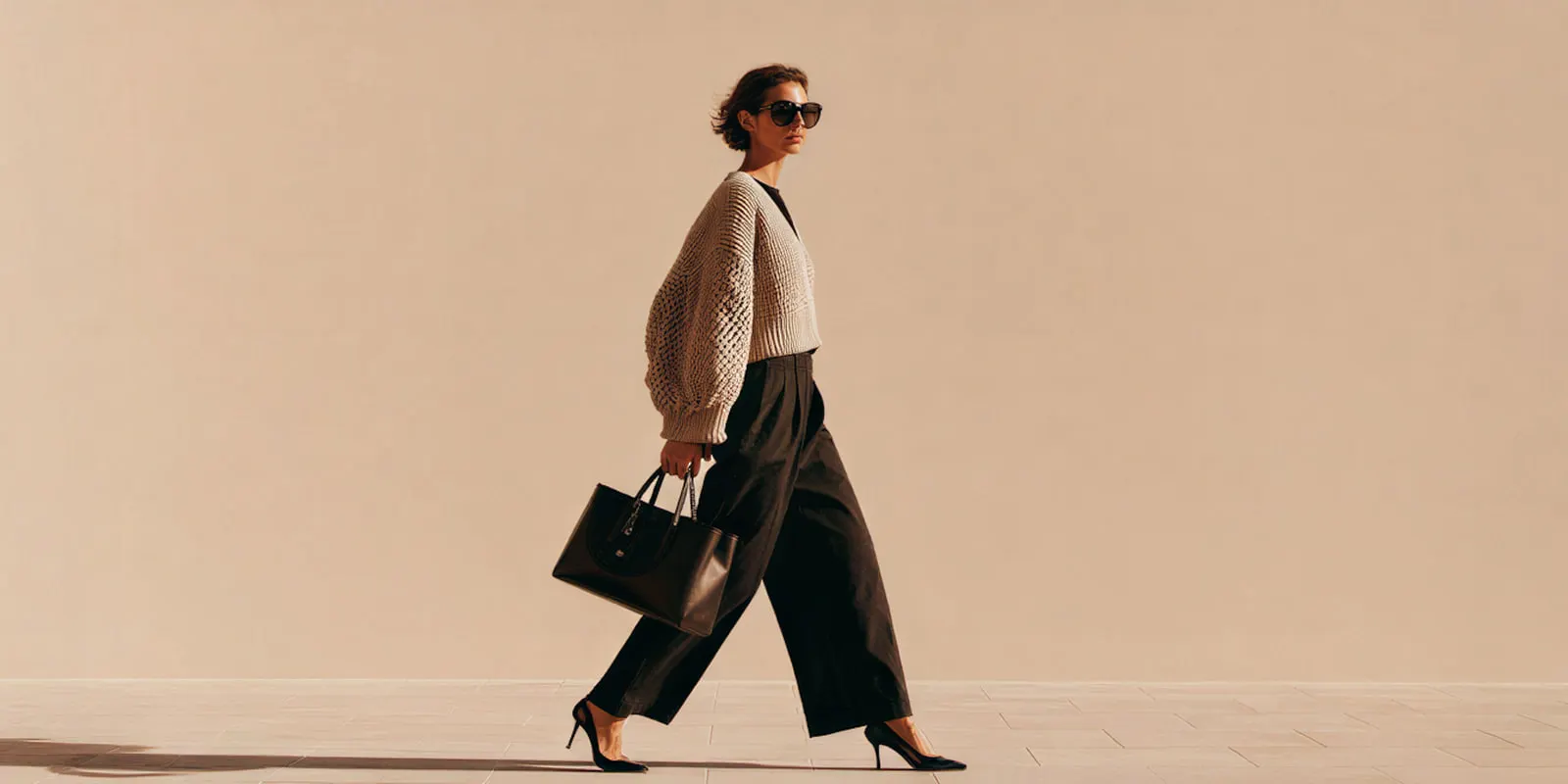
If what you want is the interactive shopper feature specifically, keep reading. The compliance section is not optional.
What Zara shipped
Zara Try-On is the feature most store owners mean when they ask for try-on. The secondary coverage of it is loose, so this section keeps to what Inditex published.
Inditex’s FY2025 results describe Zara Try-On as “an AI-based virtual fitting system that allows customers to create a synthetic avatar from their own photos and generate images of that avatar wearing real products.” The filing says it is “currently deployed in 43 markets with over 7 million sessions” since mid-December, “operates exclusively on Zara.com,” and “is being rolled out to the other concepts” (inditex.com, accessed August 2026).
That is the whole verified record. Three things circulating about this feature are not in it:
- Return-rate reduction. Inditex’s FY2025 results publish no returns figure tied to Try-On. Articles citing a double-digit drop are not sourcing it to Inditex. Treat it as unverified.
- A 24% click-through lift at H&M. This number appears across vendor blogs with no primary source behind it. We could not verify it, so we are not repeating it as fact.
- Which vendor built it. Inditex does not name one. Neither should anyone else.
Note also the shape of what Zara built. The customer supplies their own photos, an avatar is generated, and the avatar wears the product. The customer’s likeness is the input. That is the design decision that carries the legal weight, and it is the one you are copying if you copy this feature. Catalog try-on inverts it, and where the model in a catalog shot comes from sets a different set of duties. What else is proven in production, and what is still a vendor claim, is in AI in fashion.
The legal surface shopper-facing try-on opens
This section is general information, not legal advice. Get counsel before you launch a feature that collects customer photos.
Illinois BIPA is the live one
The Illinois Biometric Information Privacy Act (740 ILCS 14) covers “scans of hand or facial geometry.” It requires three things before collection: written notice, written consent, and a published retention and destruction schedule. It is the best-known US biometric statute with a private right of action, which is why it drives the litigation.
Virtual try-on has been a named target. Class actions have been filed over try-on tools operated by Estée Lauder, Louis Vuitton, Christian Dior, Pandora and Wella (natlawreview.com, accessed September 2026). Not all of them survived: the court dismissed the claims against Dior. On 10 July 2026 the Seventh Circuit vacated the dismissal of Clements v. Gunnar Optiks and sent it back. The court said the complaint alone could not show that the healthcare exemption the eyewear seller relied on applied (courtlistener.com, accessed September 2026). Eyewear brands that want the fit signal without the consent burden can use brand-side eyewear photography instead, making worn frames on their own models rather than scanning the shopper.
Damages under section 20 are $1,000 for each negligent violation and $5,000 for each reckless or intentional violation, plus fees and costs. The 2024 amendment, Public Act 103-769, matters to the size of the number: repeated collections from the same person now count as one violation rather than one per scan, and an electronic signature counts as written consent (faegredrinker.com, accessed August 2026).
Texas and Washington are not the same law
Texas CUBI covers records of face geometry, is enforced only by the Attorney General with no private right of action, and carries civil penalties up to $25,000 per violation. It also requires destruction within a reasonable time and no later than one year after the collection purpose expires (texasattorneygeneral.gov, accessed September 2026).
Washington’s My Health My Data Act lists biometric data among the kinds of consumer health data it protects (RCW 19.373.010, accessed October 2026). A violation also counts as a violation of the state Consumer Protection Act, which the Attorney General enforces and which allows private action (Washington Attorney General, accessed October 2026). Check whether your implementation falls inside it before assuming Washington behaves like Texas.
The EU adds a second layer
Under GDPR, biometric data processed to uniquely identify a person is special category data under Article 9 and needs an Article 9 condition, which in a retail context usually means explicit consent. Separately, Article 50 of the EU AI Act has applied since 2 August 2026. Under Article 50(4), a deployer who publishes a deep fake must disclose that it is AI-generated or AI-edited. The label must be clear, and people must see it the first time they see the content (digital-strategy.ec.europa.eu, accessed September 2026).
That obligation reaches further than the shopper feature. A realistic person who never existed can still count as a deep fake, so read it against any AI-generated person you publish. Our guide to putting clothes on a model with AI covers it in more depth.
The version with no biometric surface
Brand-side try-on solves the imagery problem and leaves the whole section above untouched, because the only photograph entering the system is one you own.
You add the garment photo. You pick or create a model. You run the on-model shot, the colorway variants, and the detail crops. Then you download the results and add them to your product page yourself, the same way you add any other product photo. No customer uploads anything. No face is collected. There is no consent flow to build, no retention schedule to publish, and no private right of action to sit under.
Build it once as a workflow. Clothing catalog turns one garment into four shots: front, three-quarter, back and a fabric close-up. You set the brand once, and the workflow reads it on every run, so nobody has to remember the rules. A saved workflow runs the same way on the next garment, with the same model, light and framing. The image editor makes one edit after another. The picture keeps its detail and resolution, so a colorway swap followed by a crop keeps the fabric sharp.
You still carry two obligations, and they are much lighter:
- Disclose AI-generated imagery where the rules require it. In the EU, Article 50(4) covers deep fakes, and a realistic AI model can count as one. It applies to what you publish, not only to what shoppers generate.
- Hold the product honest. The garment in the image has to be the garment in the box. That is a consumer protection question in every market, and it is also the fastest way to earn returns rather than reduce them.
In DesignerBox this runs through a virtual try-on template and the Dress my model app, with the model itself made from a model pose set template. The garment photo, the brand rules, the run, the edit and the finished files all sit in one place, so the set never leaves the workspace to be reassembled. Virtual try-on and the image editor start on the Premium plan. Uploading your own garment photos starts on the Pro plan, and so does the commercial license you need to use the results on a live product page. Every plan below Ultra is one seat.
What DesignerBox does not do: it is not an embeddable storefront widget. There is no component for your product page that lets your customers upload their own photos. DesignerBox is AI creative production for brands and agencies. It makes the images, and you download them, or send them with a webhook or an S3 step. It does not publish them to your store. If you need the shopper-facing interactive feature, you need a different category of vendor, and you need the compliance work below.
Which one your store needs
Most stores need brand-side try-on. The usual problem is thin on-model imagery on the product page, not a missing interactive feature.
| If this is your problem | Build this |
|---|---|
| Half your SKUs have a flat lay and nothing on a body | Brand-side |
| Merchandising added a colorway after the shoot | Brand-side |
| You have one model and eleven products that need her | Brand-side |
| Your PDP converts badly and the gallery is thin | Brand-side |
| You want a differentiating interactive feature in your app | Shopper-facing |
| You sell fit-sensitive categories and have counsel budget | Shopper-facing |
| Someone told you it cuts returns | Neither, yet. Verify the claim against your own data first |
Sizing is the honest limit on both. Neither approach reads measurements from a photo or knows your garment’s spec, so neither one answers “will this fit.” They answer how the color sits, how the pattern reads, and what the silhouette looks like. That is a smaller question than fit. Virtual try-on fit accuracy covers where the research stands today.
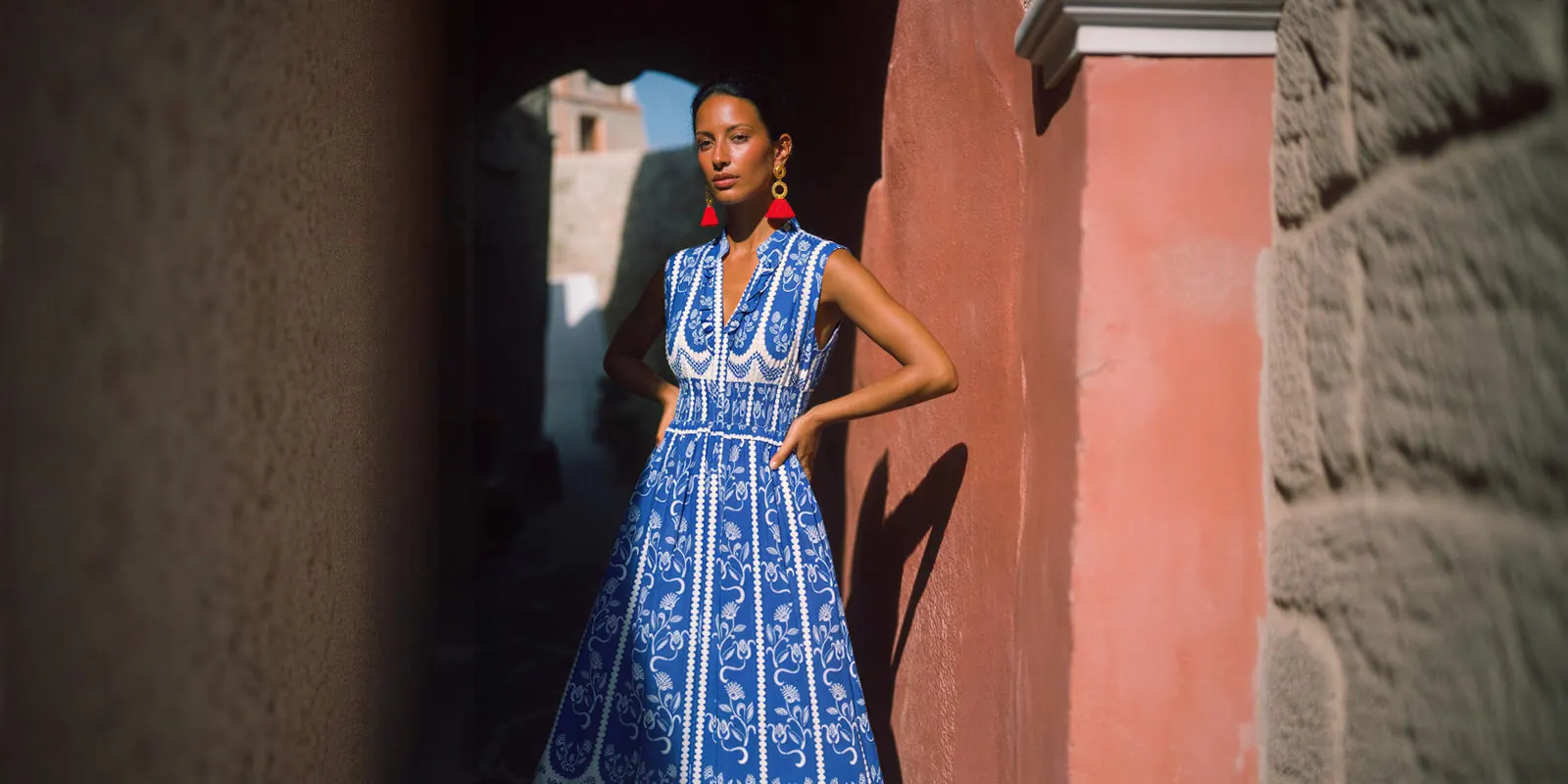
For the imagery path, PDP images that convert covers the shot order, and consistent AI fashion images covers holding one model across a drop. To choose a vendor for those images, the best AI on-model photography tools by product sorts the options by what you sell. Footwear runs on different inputs, and virtual try-on for shoes compares the four ways to offer it.
If you build the shopper-facing version
Run this before launch, with counsel.
- Map every jurisdiction your storefront serves, not the ones you target
- Determine whether your implementation collects a biometric identifier as each statute defines it, in writing, from your vendor
- Build separate written notice and written consent, presented before capture, not buried in the privacy policy
- Publish a retention and destruction schedule with a stated deadline
- Confirm what your vendor retains, for how long, and whether they train on it
- Contract for it: data processing terms, deletion on request, indemnity
- Add the EU AI Act disclosure at first exposure, visible without extra clicks
- Give shoppers a working deletion path and test it
- Decide whether you need Illinois at all. Geofencing it is a real option
The last line is not a joke. Leaving Illinois out of a try-on feature is a product decision available to you before you spend the compliance budget.
What each path costs
Brand-side try-on is priced like software. In DesignerBox there is no flat price per image, because the cost depends on the model you pick. The cost is shown before the run, so you know what each garment costs before you spend a credit. Plan detail is on the pricing page, and our comparison of AI fashion model generators puts fashion-specific vendors side by side.
Shopper-facing is priced like a project. The API call is the small line. Counsel, consent flow engineering, retention infrastructure, vendor contracting and ongoing review are the real budget, and they recur. A vendor who says the whole thing ships in an afternoon is quoting you the integration and not the compliance.
Studio costs, for comparison, are covered in what a product photoshoot costs, and AI fashion photography ROI works out when the switch from a studio breaks even. Only one of the two try-on paths can also bring a class action.
If the brand-side path is the one you need, build the look once on your hardest garment and check it against the real sample. Then run the same workflow on the next garment. Start from a template, add your brand and your products, and run it. See the templates.
FAQ
Does virtual try-on reduce returns?
There is no verified public figure for this. Inditex’s FY2025 results report 7 million Zara Try-On sessions across 43 markets and publish no returns data tied to the feature (inditex.com, accessed August 2026). Vendor blogs citing double-digit reductions are not sourcing them to a retailer’s own reporting. What ASOS, Zalando and Google each did publish, with the scope attached, is set out in does virtual try-on reduce returns. Measure it on your own returns data before you budget against it.
How much does virtual try-on cost?
The two versions of virtual try-on are priced in different ways. Brand-side try-on is priced like software. In DesignerBox there is no flat price per image, because the cost depends on the model you pick, and the cost is shown before the run. Shopper-facing try-on is priced like a project. Counsel, consent flow engineering, retention infrastructure, vendor contracts and ongoing review are the real budget, and they recur.
Is virtual try-on legal?
Yes, when it is built with the required disclosures and consent. The legal risk sits in collecting facial geometry without written notice, written consent and a published retention schedule where the law requires them. Brand-side try-on avoids the question by never collecting a customer photo.
Does DesignerBox offer a try-on widget for my Shopify store?
No. DesignerBox makes the images, and your shoppers never interact with it. You run on-model shots, try-on images and variants, download the results, then upload them as product images yourself. Virtual try-on starts on the Premium plan.
What plan do I need, and can I use the results commercially?
Virtual try-on starts on the Premium plan, so the plans below Premium do not include it. Uploading your own photos starts on the Pro plan. So does the commercial license, which you need to use the results on a live product page or in a paid ad.
Do I have to label AI-generated product images?
In the EU, Article 50 of the AI Act has applied since 2 August 2026. It requires whoever publishes a deep fake to disclose it clearly, the first time people see it. A plain product photo with no misleading change is not a deep fake, but a realistic AI model can be (digital-strategy.ec.europa.eu, accessed September 2026). Rules differ by market and by advertising platform, as of September 2026. Check the requirement for each market you sell in rather than applying one policy everywhere.
Can virtual try-on tell my customer their size?
No. Neither shopper-facing nor brand-side try-on extracts measurements from a photograph or reads your garment’s spec sheet. They answer how a color, pattern and silhouette look. Sizing is a separate problem and needs size charts, fit data or a dedicated sizing tool. Our guide to virtual try-on fit accuracy covers what fit-aware research changes and what it does not.
Sources
- Zara Try-On session count, market count, launch timing, Zara.com deployment and rollout to other Inditex brands: Inditex FY2025 Results (accessed August 2026)
- Virtual try-on BIPA class actions against Estée Lauder, Louis Vuitton, Christian Dior, Pandora and Wella, and the notice, consent and retention requirements: National Law Review (accessed September 2026)
- Clements v. Gunnar Optiks, Seventh Circuit opinion of 10 July 2026 vacating dismissal: CourtListener (accessed September 2026)
- BIPA statutory damages of $1,000 and $5,000, and the 2024 amendment on per-person accrual and electronic consent: Faegre Drinker (accessed August 2026)
- Texas CUBI scope, Attorney General enforcement, $25,000 per violation and the one-year destruction rule: Texas Attorney General (accessed September 2026)
- Washington My Health My Data Act, biometric data listed as consumer health data: RCW 19.373.010 (accessed October 2026). Enforcement by the Attorney General and through private action under the Consumer Protection Act: Washington Attorney General (accessed October 2026)
- EU AI Act Article 50 transparency obligations and the 2 August 2026 application date: European Commission (accessed September 2026)
- DesignerBox pricing, credit allocations and feature gating for virtual try-on and the commercial license: DesignerBox pricing page (designerbox.ai/pricing), September 2026
Claims about return-rate reductions and click-through lifts attributed to virtual try-on were checked and could not be traced to a primary source, so they are not stated as fact in this article. Legal information here is general and is not legal advice. Requirements vary by jurisdiction and change; consult counsel before launching a feature that collects customer photographs.