AI Fashion Photography for Ecommerce: Shot List and Rules
AI fashion photography for ecommerce: the 5 image registers a drop needs, the platform rule for each, what to generate, what to still shoot, and what it costs.
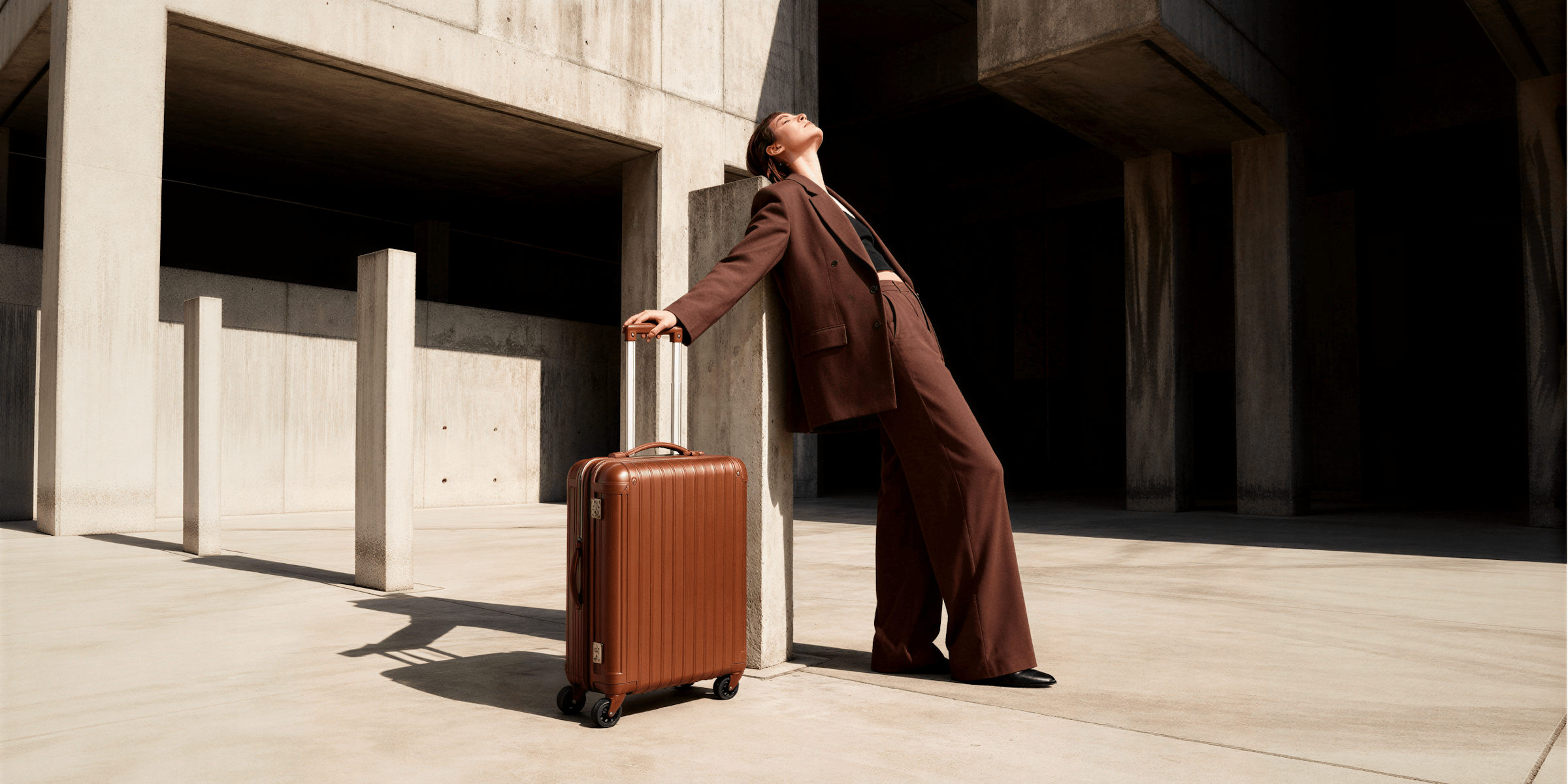
AI fashion photography for ecommerce: the 5 image registers a drop needs, the platform rule for each, what to generate, what to still shoot, and what it costs.

Generating the images is the fast part. Shopify caps media at 250 per product against 2,048 variants. What automates in a catalog run, and what does not.

What furniture photography costs in 2026: studio day rates, CGI per render and AI credits, priced against the colourway matrix that drives the real bill.
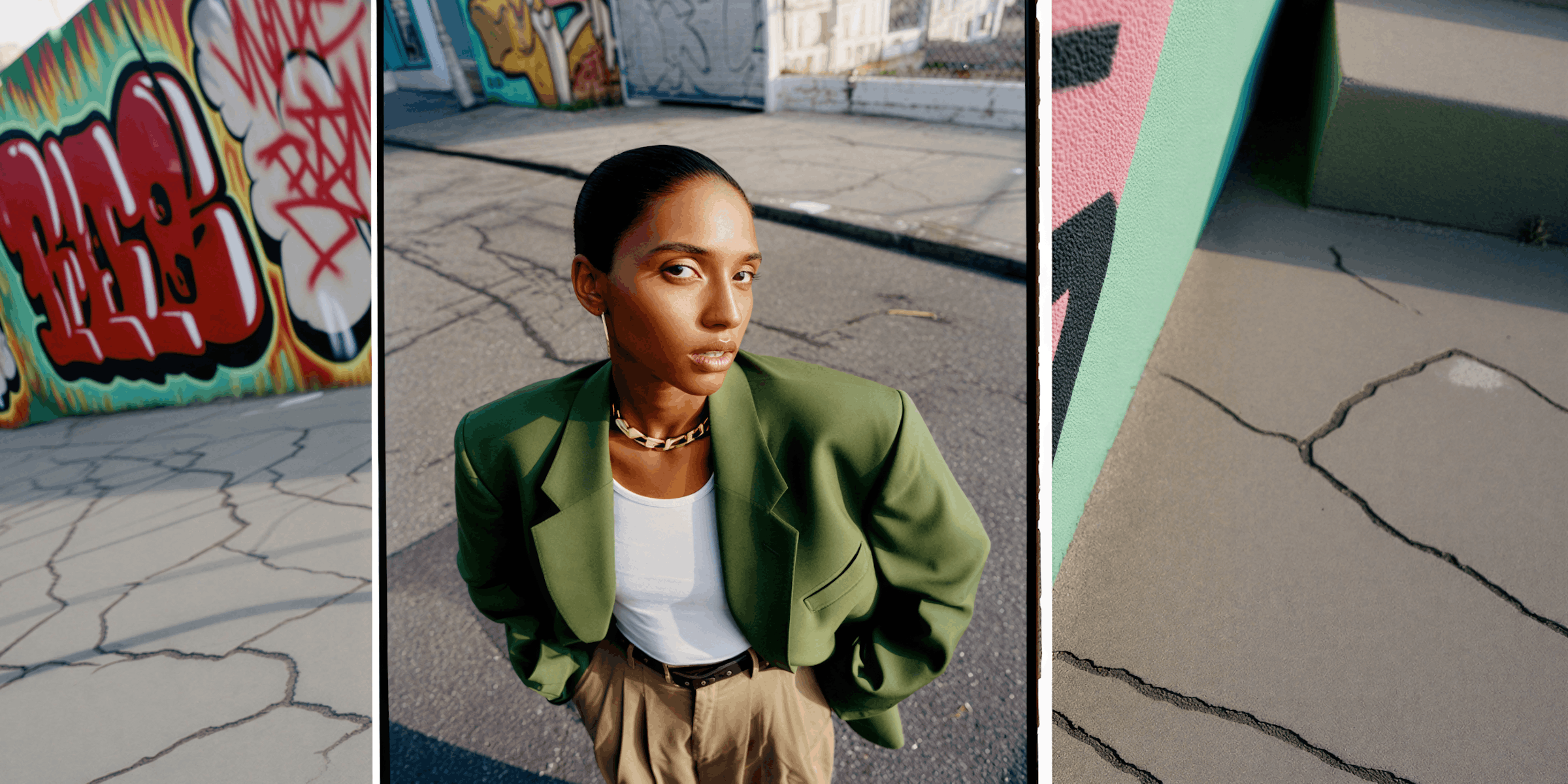
Jacket photography: Amazon files a jacket in 2 crop classes and the hem decides which. The outerwear shot list, the FTC rule on down claims, and where AI fails.
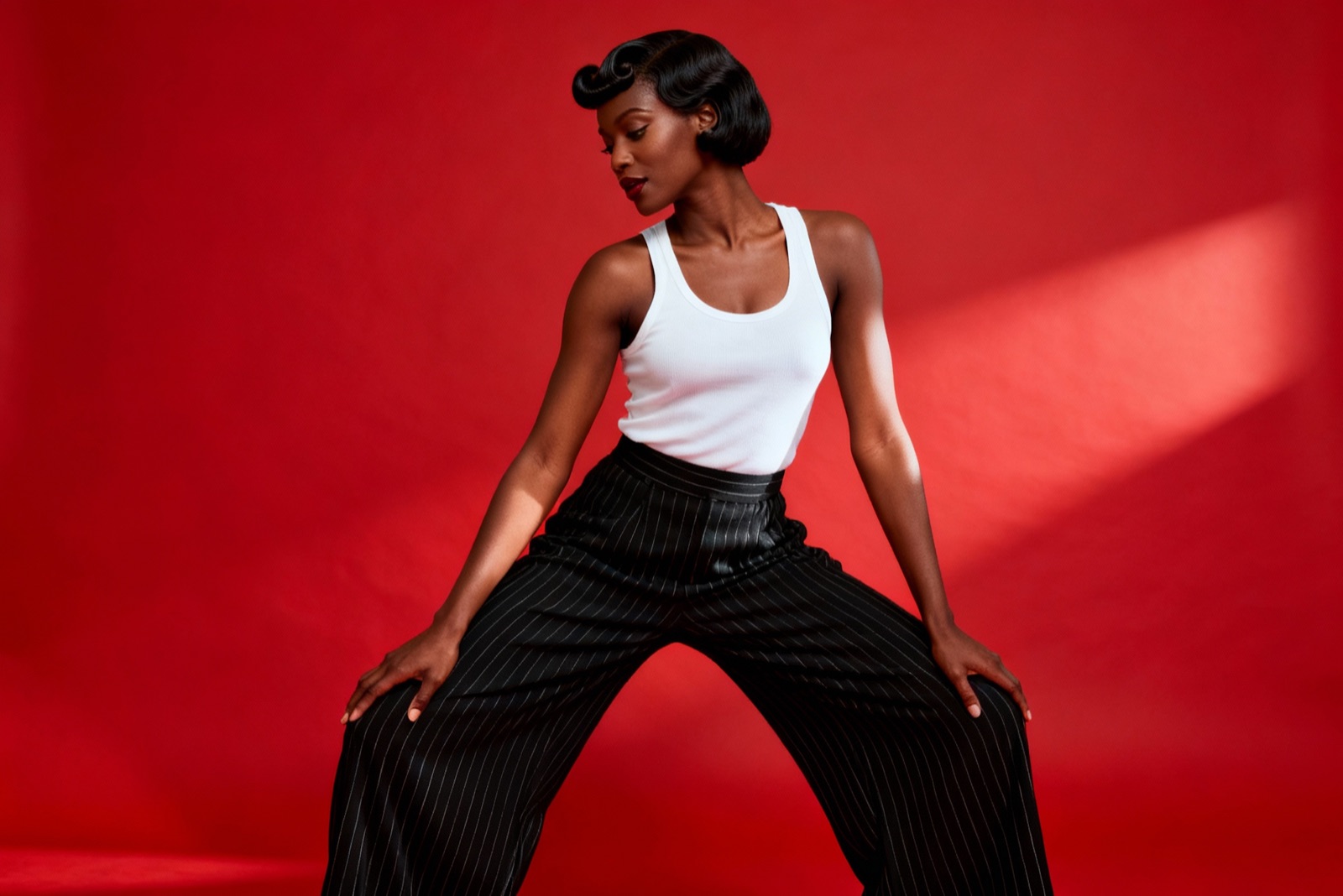
Pants photography in 2026: Amazon crops trousers from the ribcage to below the feet, which puts shoes in your main image. The shot list that survives it.
Ring photography sells a size the buyer has to pick. The 5-shot set, why band width changes fit, and the FTC rule on rhodium-plated white gold, with 2026 specs.
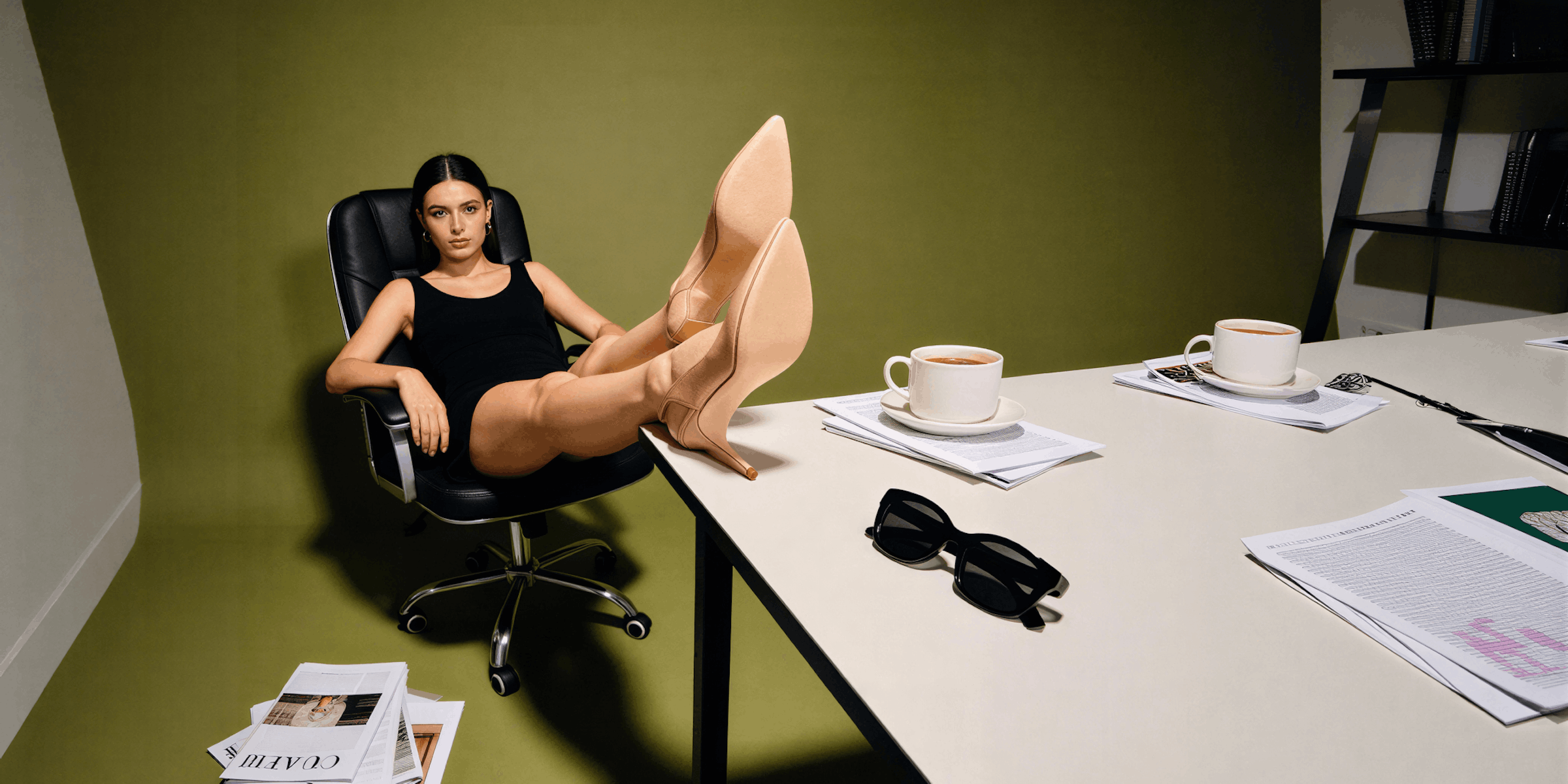
Amazon wants the left shoe at 40 degrees. Zalando wants 1:1.44 upright. The shoe photography shot list, the specs behind it, and where AI breaks.
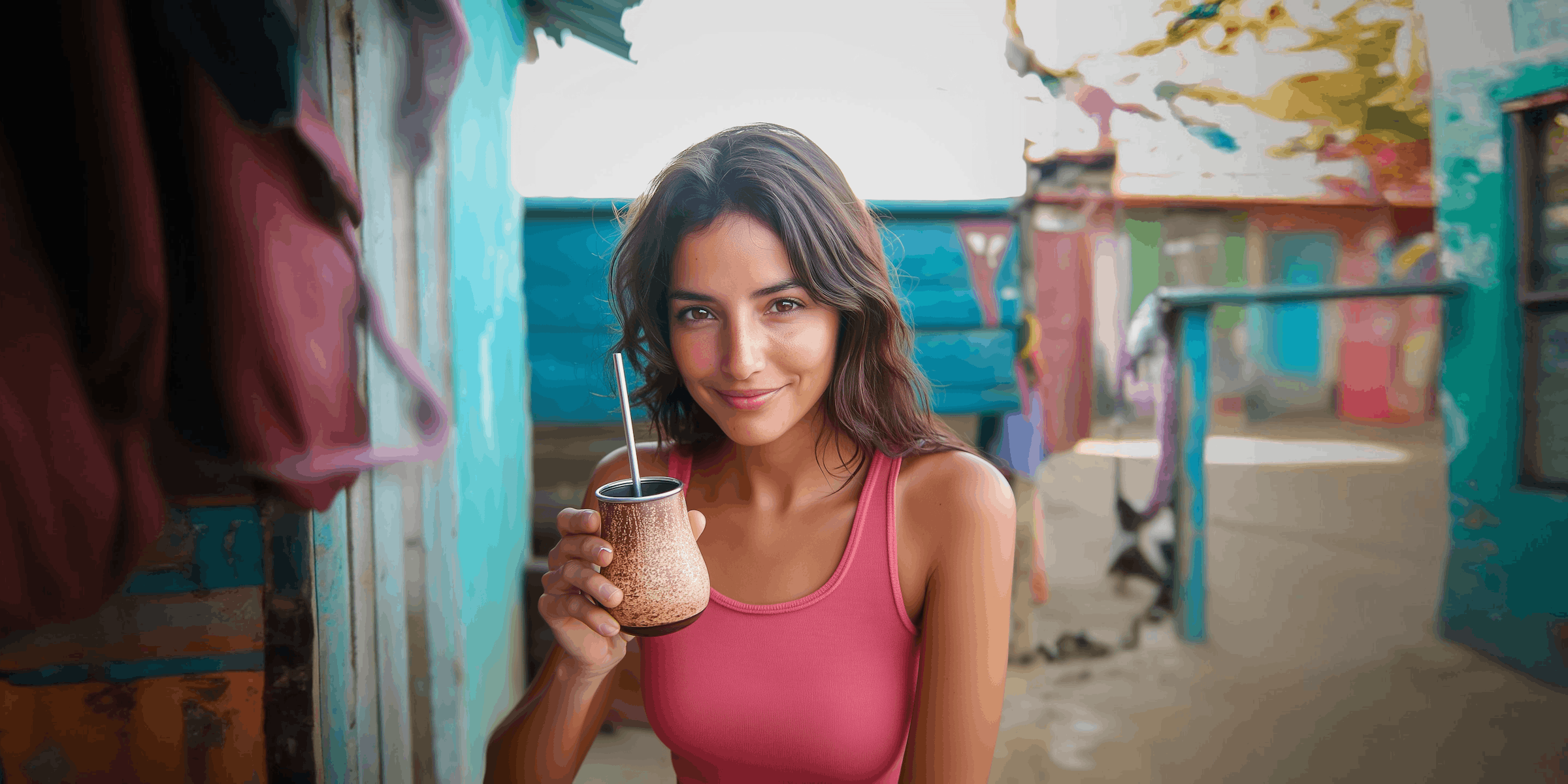
AI virtual models fail on hands, scale and labels when the product is held. The three failure modes, the composite fix, and 5 checks before a shot hits a PDP.
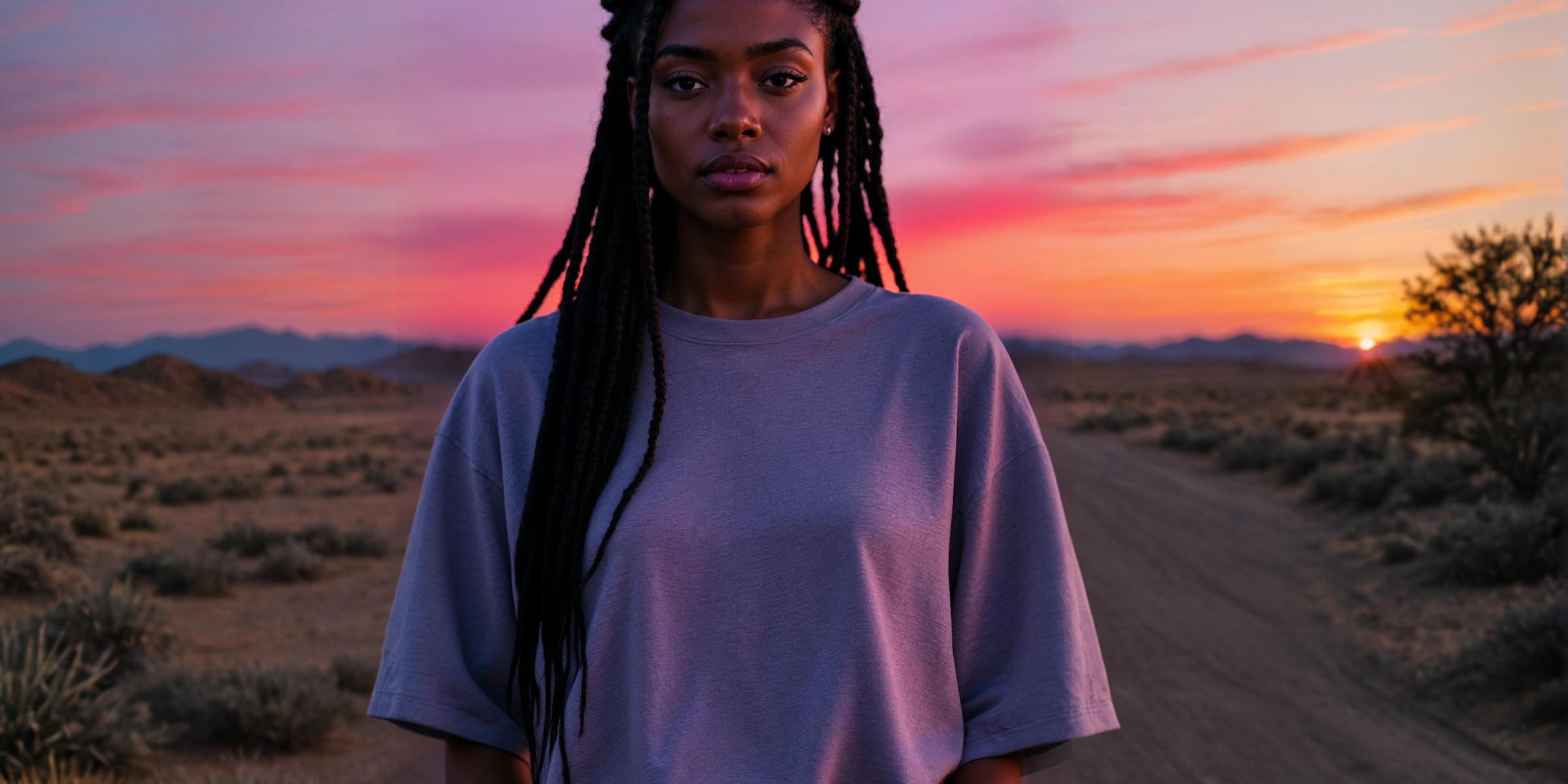
Bracelet photography fails on three things: the clasp, the wrist fit and the drape. The shot list, the marketplace specs, and the FTC rule on depictions.
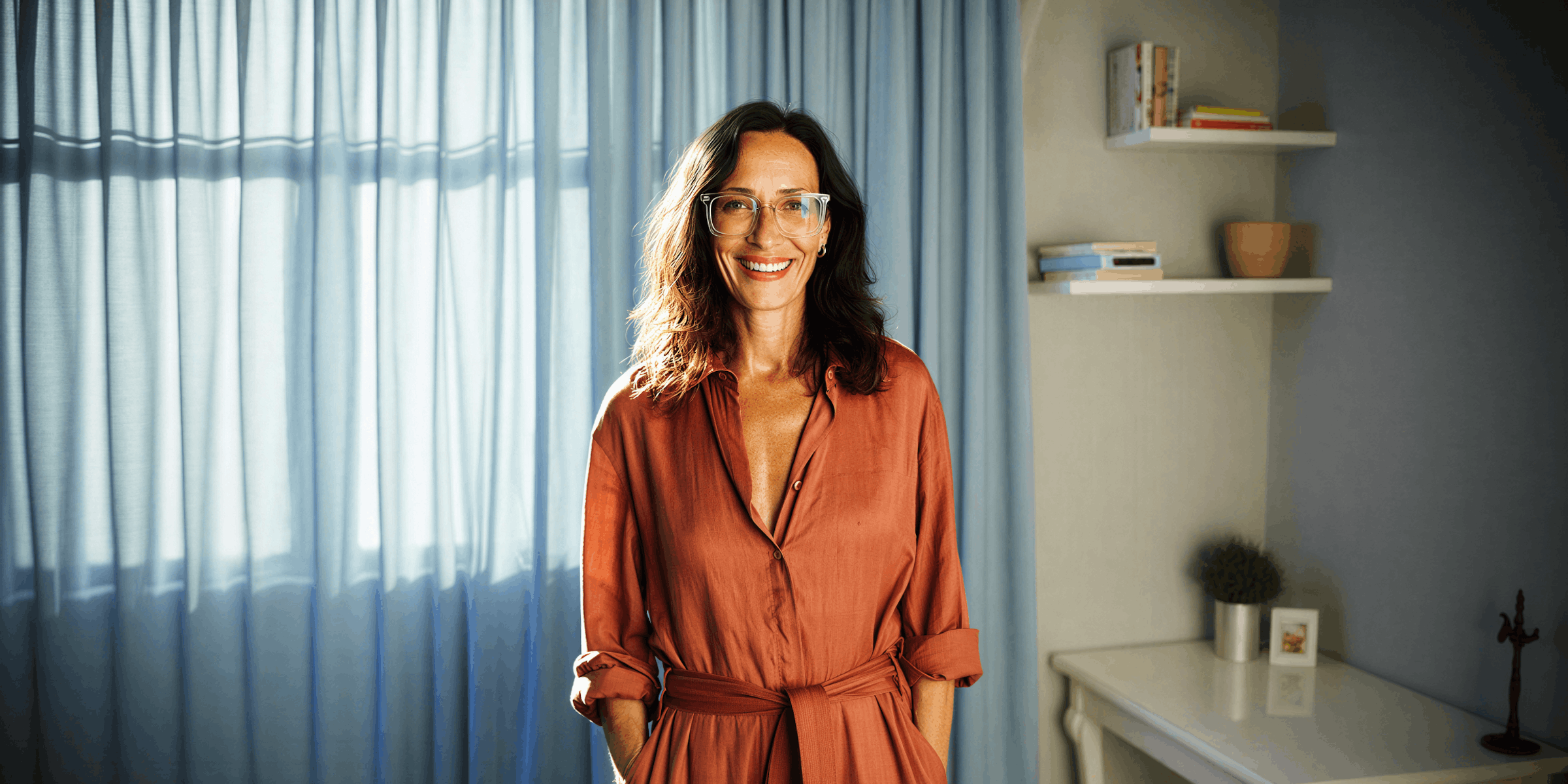
Dress photography in 2026: Amazon files dresses under a full-length crop, why the hem sets the shot list, and where generated imagery holds up.
Earring photography needs four shots, not four angles. The pair packshot, macro, backing and on-ear frame, plus Amazon's 85% rule and the nickel limit.
Try-on vendors quote 25 to 40 percent fewer returns. Here is what ASOS, Zalando and Google actually published, and what it means for your product images.

Five FASHN AI alternatives compared on pricing read from each vendor's own page in August 2026, plus the API route that costs less than any subscription.

Knitwear photography fails in 4 places, not one. Why sweaters moire and mush, the gauge number that sets your shot list, and where AI holds up on cables.

Mavely creator content pays per sale, so volume is the job. How to build a week of 7 affiliate product images from photos you already have, at 5 credits each.
Shopify product image size: upload up to 5000 x 5000 px and 20 MB, then the CDN re-encodes every file. The upload spec, the delivered spec, and which one wins.

Skincare product photography has 3 hard problems: reflective glass, texture a sealed bottle hides, and a label the law keeps legible. The 5-shot set and limits.

TikTok Shop product images: 9 square images per listing, digital renderings banned, and US and UK seller pages that publish different specs. What to build.

Depop shop photos are judged as a grid before anyone opens a listing. How to set one ground, one crop and one colour treatment across every sourced piece.

Dropshipping product photos all come from the same supplier file. How to restage them into your own look, plus the 2 rules on copyright and accuracy.

Print on demand product images: your design prints on the blank everyone uses. 4 ways to make listing images that differ without implying a product you lack.

AI social media carousel specs per platform: Instagram's 20-slide cap, LinkedIn's PDF rule, TikTok's 35-upload limit, and what a ten-slide set costs.
Five clients, one team, and the same job every drop. How to run one creative workflow per client brand, and where the brand actually drifts between them.

Jewelry product photography has 3 hard problems: reflections, scale and colour. The 4-shot set, Amazon and Etsy specs, and the FTC rule on stone size.

A generated image is not a finished ad. Here is the layout, type and export work that turns AI campaign assets into files your team can actually ship.

Shoppable video for LTK and Mavely creators: build link-carrying clips for 6 platforms from product photos you already have, from 12 credits a clip.

How to shoot flat lay photography that survives a whole catalogue: the two rules that decide it, marketplace specs, and where AI flat lays break.

Ghost mannequin photography shows a garment's shape with no model. Which of 5 marketplaces allow it, the 3 ways to make one, and what each costs per SKU.

How to add virtual try-on to your store: the shopper-facing version triggers biometric consent law, the brand-side version ships in an afternoon for $75.
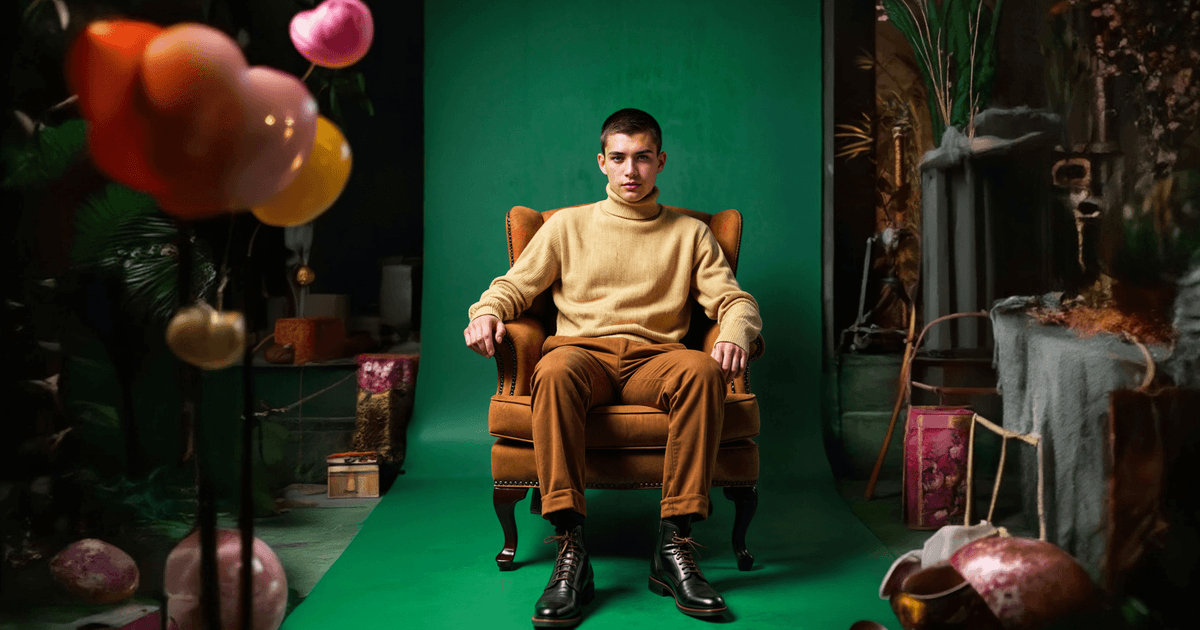
AI autumn lookbook guide: why layers, knit and low light break generated output, the 4 locks that hold it, and how to ship AW assets in July without a studio.
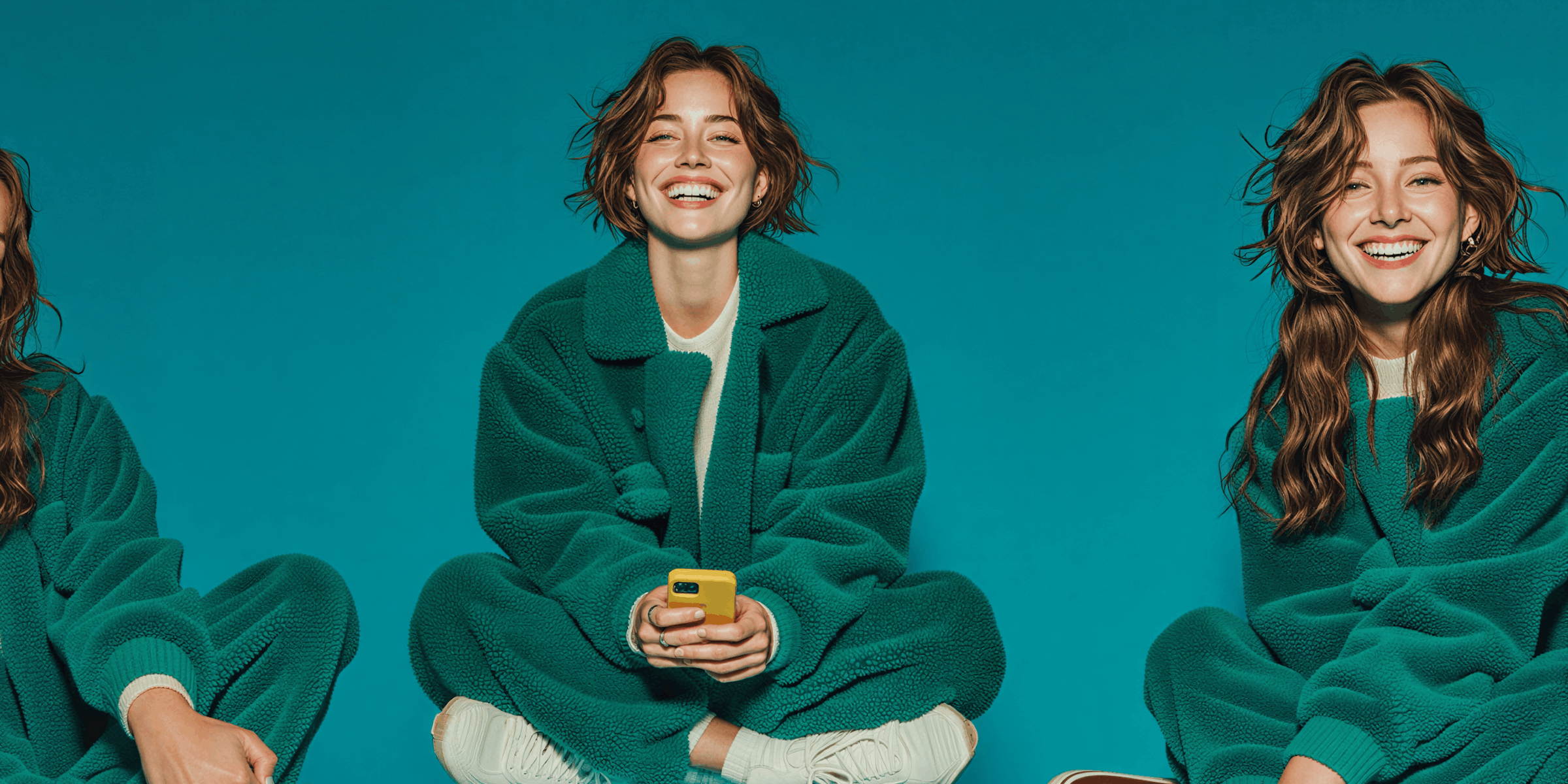
AI in fashion has three layers: create, shop, wear. Zalando made 70% of Q4 2024 campaign imagery with AI. What is proven, what is vendor claim, what stalled.
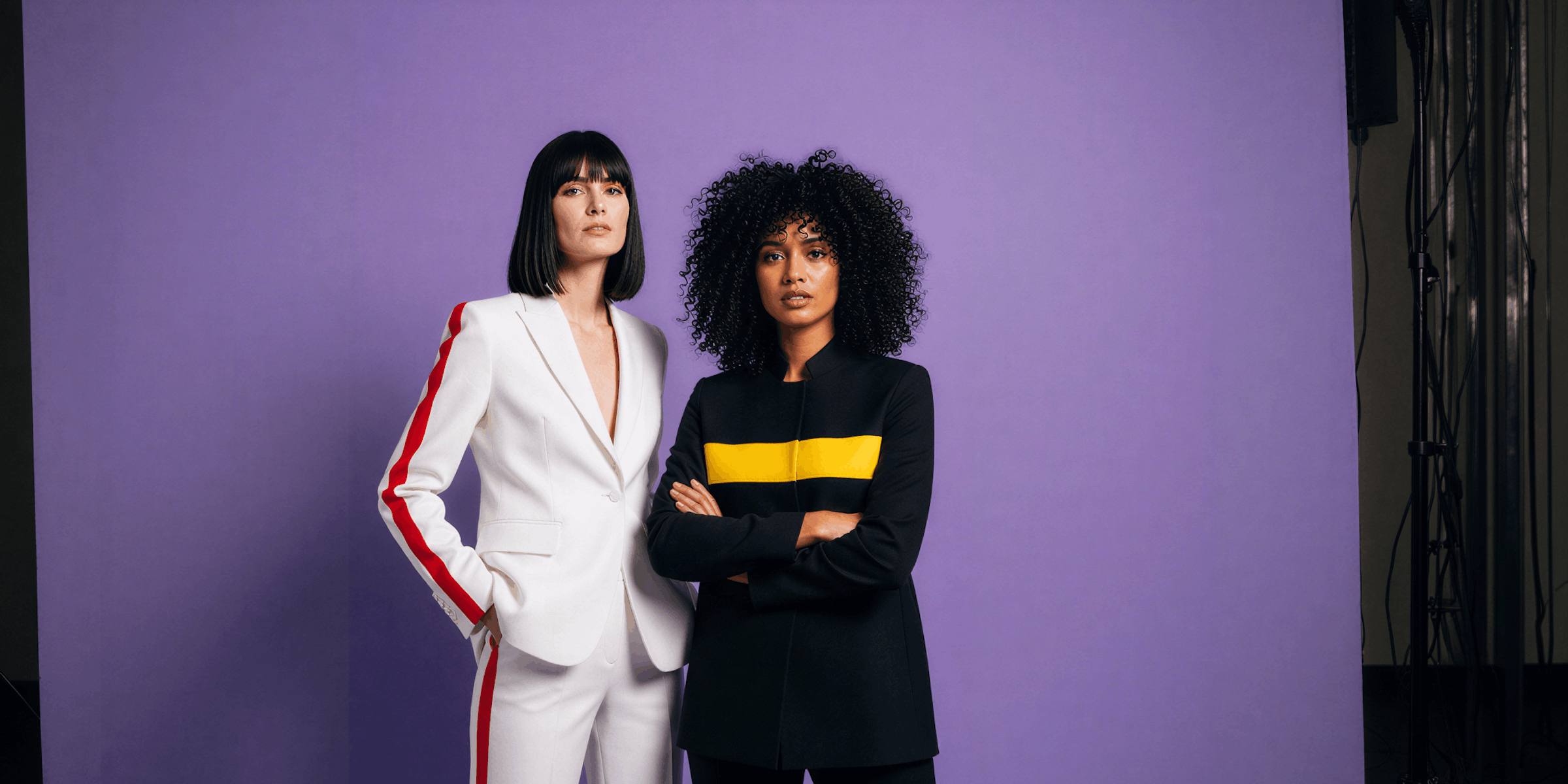
Do AI models beat real models on conversion? The 13% study measured garment design, not photography. A slot-by-slot rule for deciding it on your own catalogue.
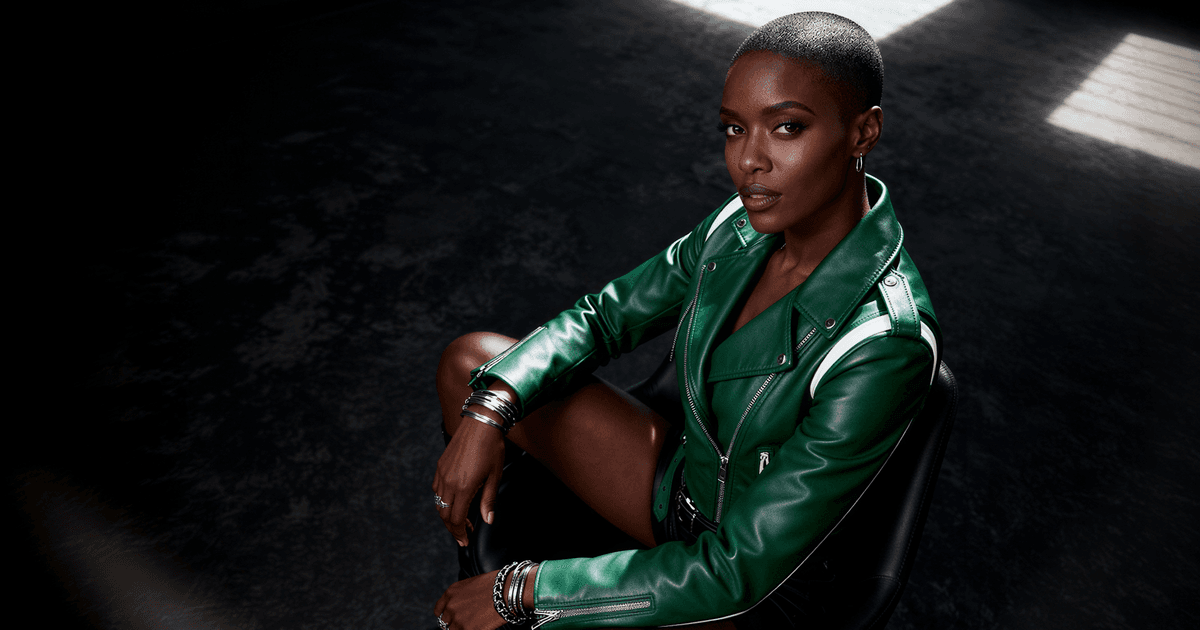
AI fashion models come from three different sources, and the source decides what you must disclose. The 2026 EU and New York rules, and how they differ.
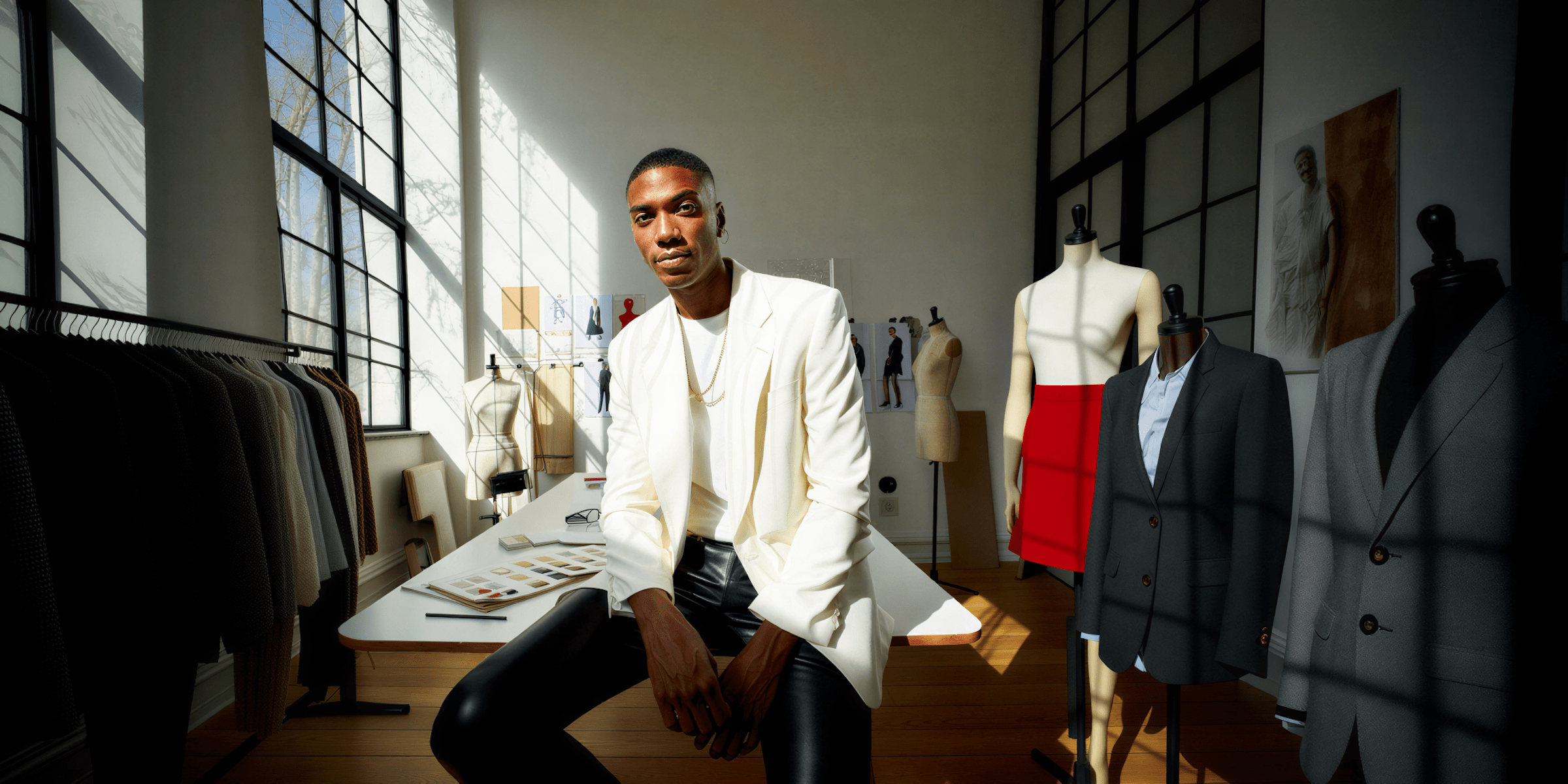
Amazon mandates a crop per garment category and bans two common methods from the main image. The clothing photography shot list, and what AI can cover.

AI removes the shoot line. The rest of the bill stays. A worksheet for what fashion photography costs per SKU and the four items AI never touches.
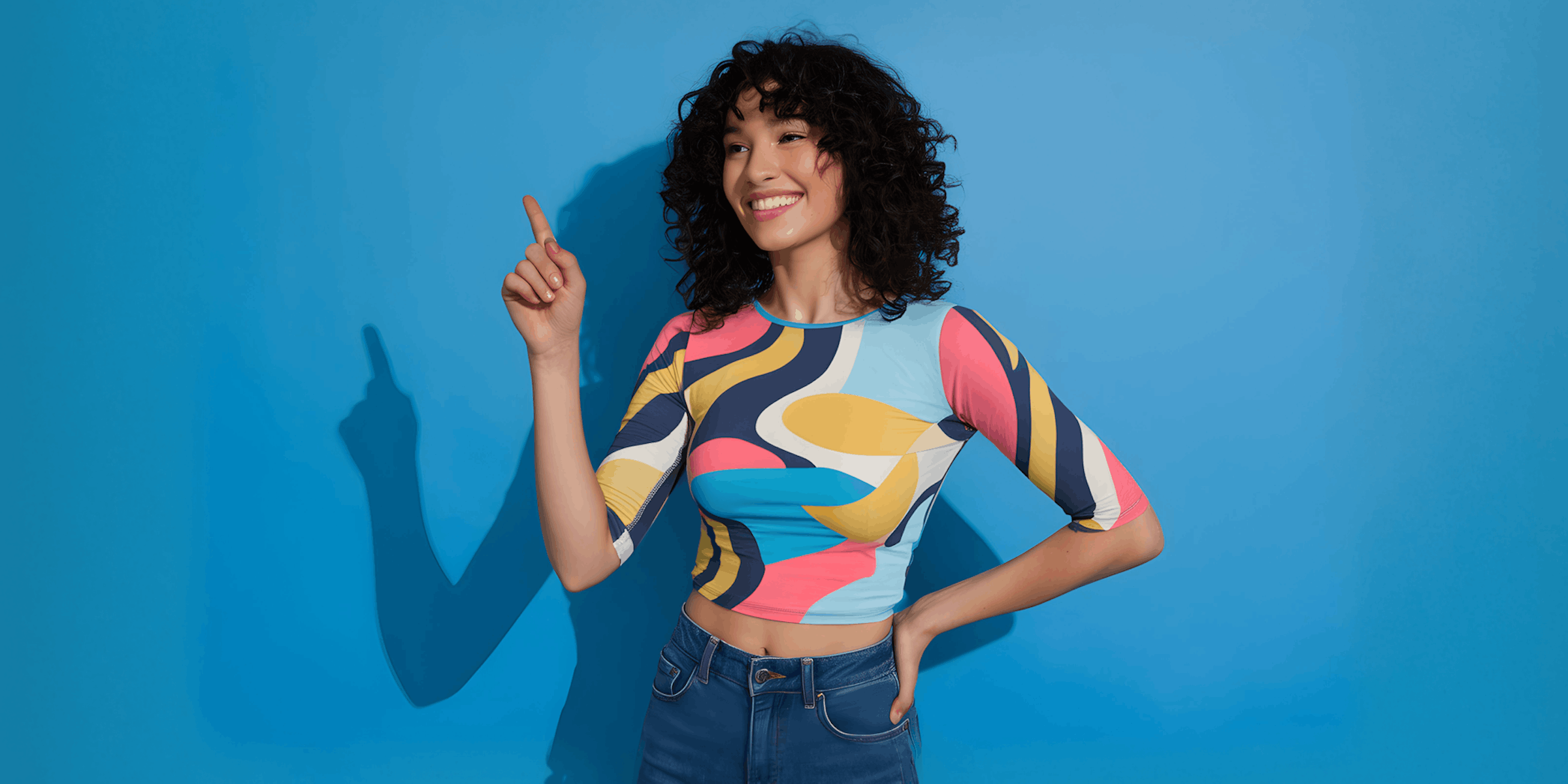
Diverse AI fashion models are sold as a trust win. The research shows a fit-risk effect concentrated in larger sizes, and image models default thin.
Seven fashion AI use cases, sorted by what it takes to run each one. Which need a data team, which ship with your platform, and which you can start this week.
Fashion brands using AI models split two ways. The volume operators licensed real models they still pay. Going fully synthetic bought backlash, not savings.

Generative AI fashion imagery drifts when a drop ships to six placements. The channel specs to hold, what to lock, what to vary, and the 2027 deadline.
Reduce time to market by fixing the step that blocks every launch. Where the weeks go in product photography, and how to shoot 3 weeks before the stock lands.
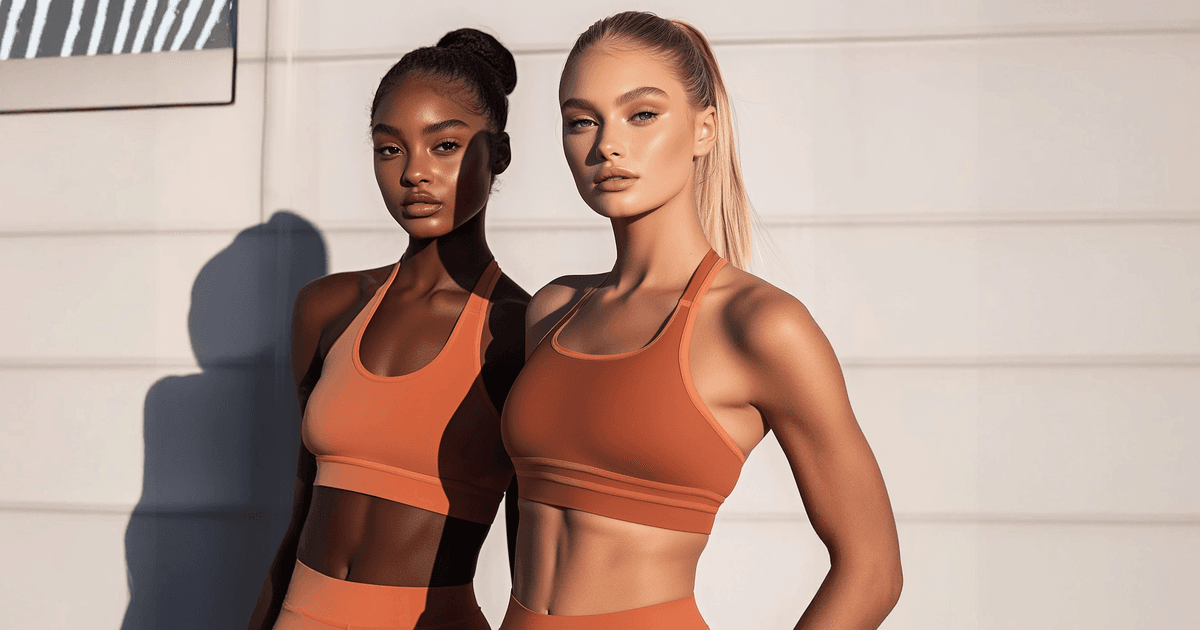
Virtual try-on fit accuracy: the FIT research trains on 1.13M measured bodies and garments. What it changes for on-model catalog images, and why returns stay.
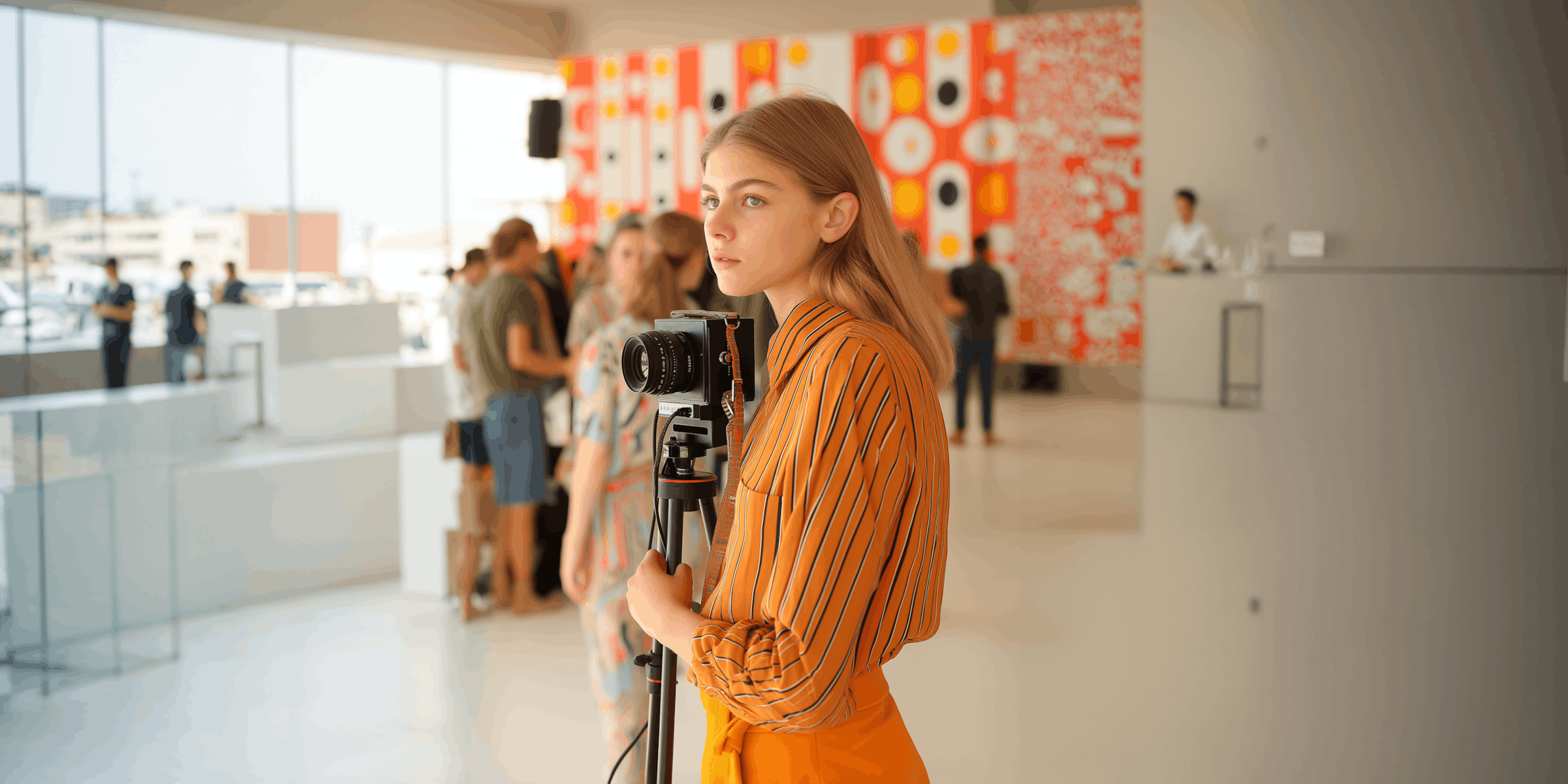
Watch product photography in 2026: the marketplace rules that write your shot list, the scale shot buyers need, and where AI still breaks on dials.

A character reference locks a face, not an outfit. What each model accepts, why more angles makes drift worse, and the reference spec that survives a campaign.

How to animate a photo with AI: read the still first, rank 6 motion types by what the model must invent, and pick the shot that will not warp. Cost per clip.

What an AI video ad pack costs before it runs: 18 clips from 2,700 to 115,200 credits across six models, and how to size the batch to your ad account.
Turn one product photo into a video ad: generate a 4-shot still list first, animate each shot, then cut. Credit costs per model and the label rules.
Consistent on-model product images need four locks: identity, lighting, framing and garment fidelity. Plus the two routes to a repeatable model, compared.

AI tools for graphic designers, sorted by stage. Figma's 2,500-user survey, which production steps to hand off, and what it costs from $15 a month.
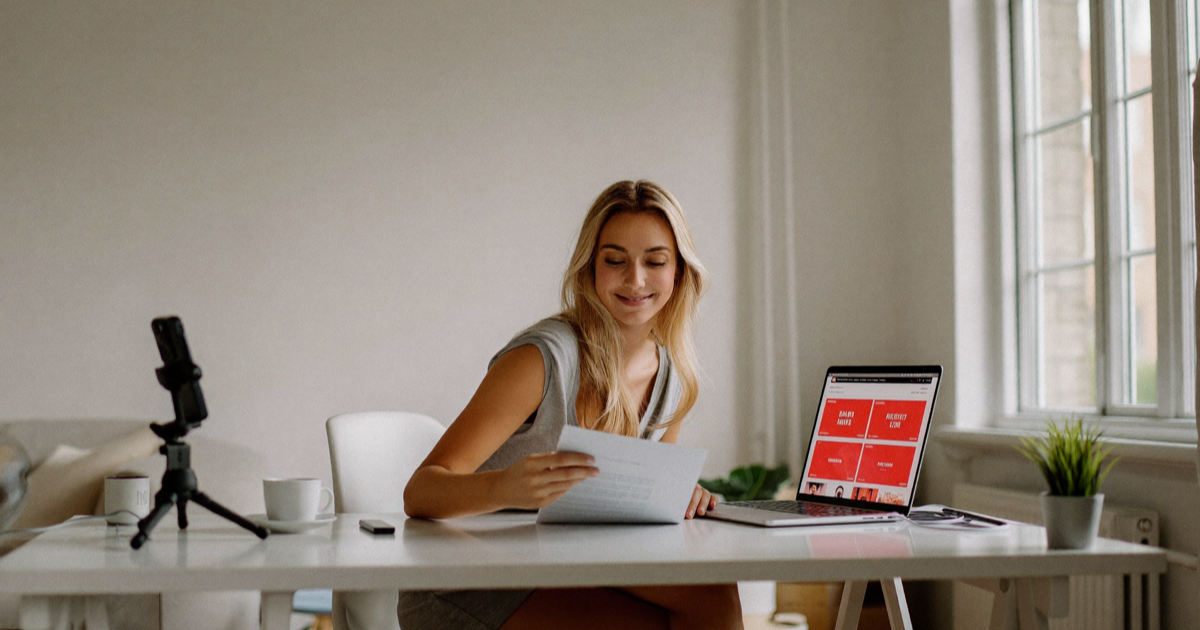
Amazon video requirements split across four slots with four length rules. What each accepts, the 23.8% sales lift, and where one AI clip falls short.
Compare seven Flair AI alternatives for product photos, on-model shots, and video. Verified July 2026 pricing, what each tool covers, and how to choose one.
Instagram comment to DM automation for a product drop: set it up in 5 minutes, the keyword rules, the API limits Meta publishes, and the use case that fails.
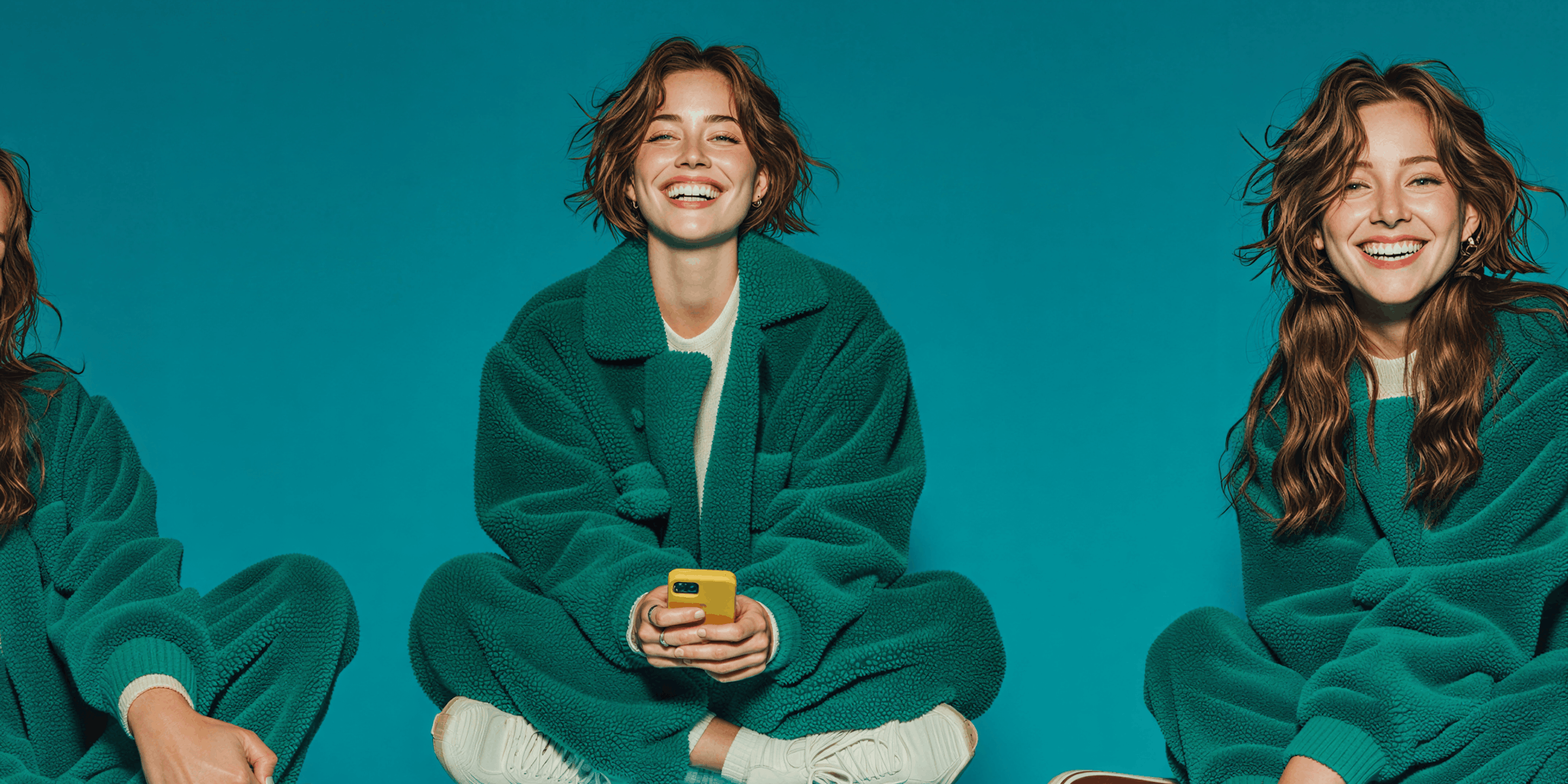
An AI fashion model generator puts your garment on a person from one flat photo. Compare FASHN, Botika, Looklet and DesignerBox on what each is built for.
Ten cinematic ad styles to direct from one product photo. The lighting, the camera move, the model that holds each look, and the real credit cost per clip.
Why AI images look fake and how to fix it: the 7 tells researchers catalogued, the 76% detection rate, and the one input change that keeps output on brand.
What a product photoshoot costs in 2026: per-image rates, day rates, studio hire, and the reshoot cycle that quietly doubles what brands budget.
The AI tools brands use to ship Black Friday and holiday campaign creative fast. Prices from each vendor's page in July 2026, and what each is built for.
An AI creative workflow chains generation and editing into one reusable pipeline. The 18 node types, packaging step, and the 30-SKU point where it pays back.
What an AI photo template locks: the model, the settings, and the shot count. When a preset beats a written prompt, and where the real limits sit.

Script to storyboard with AI: break a script into shots, lock the character across every frame, and generate each shot as video. 6 steps and the cost per take.
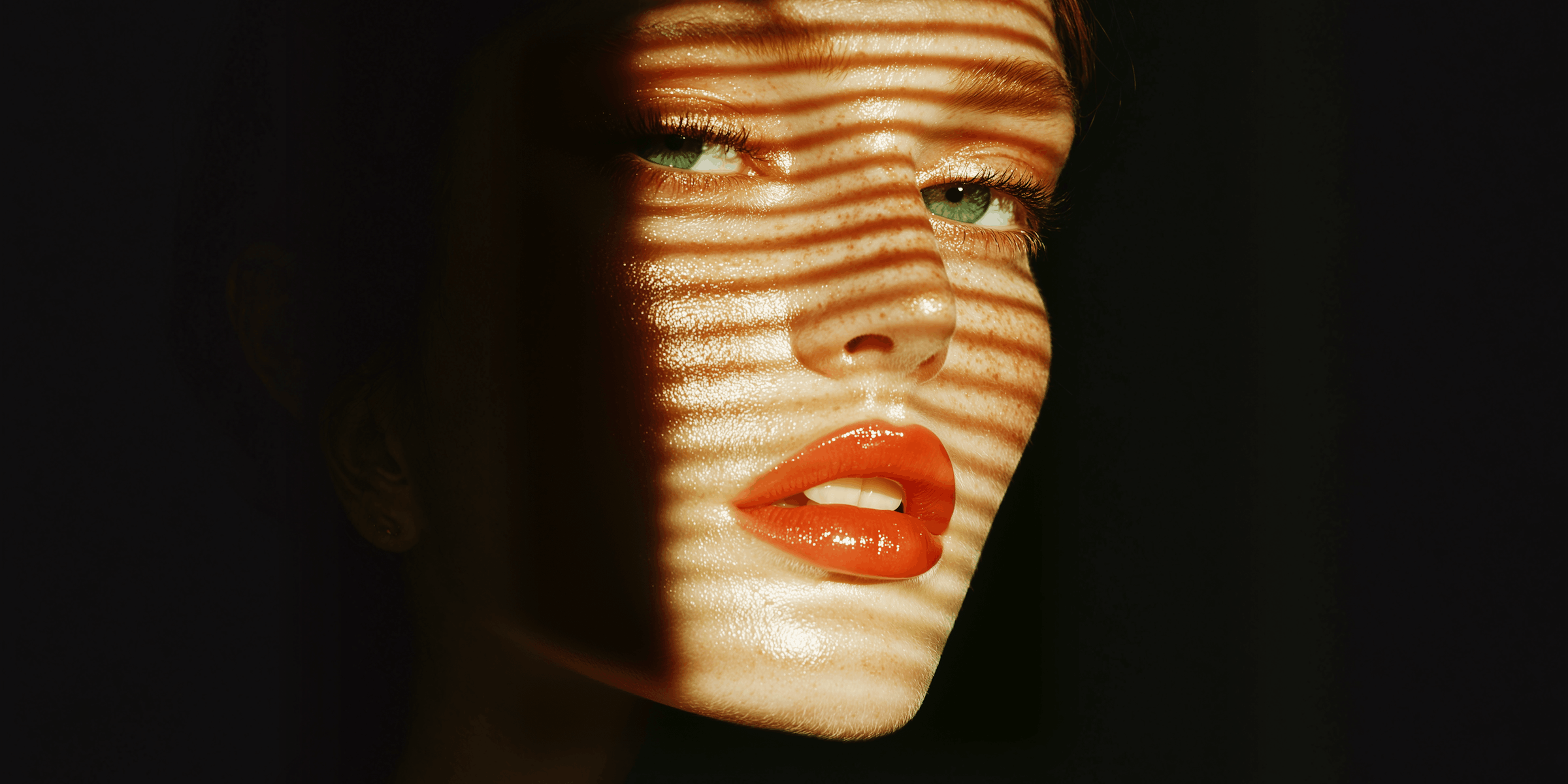
Realistic AI video prompts have 7 layers. Weak vs strong examples for each layer, the credit cost per take, and why generic prompts return generic clips.
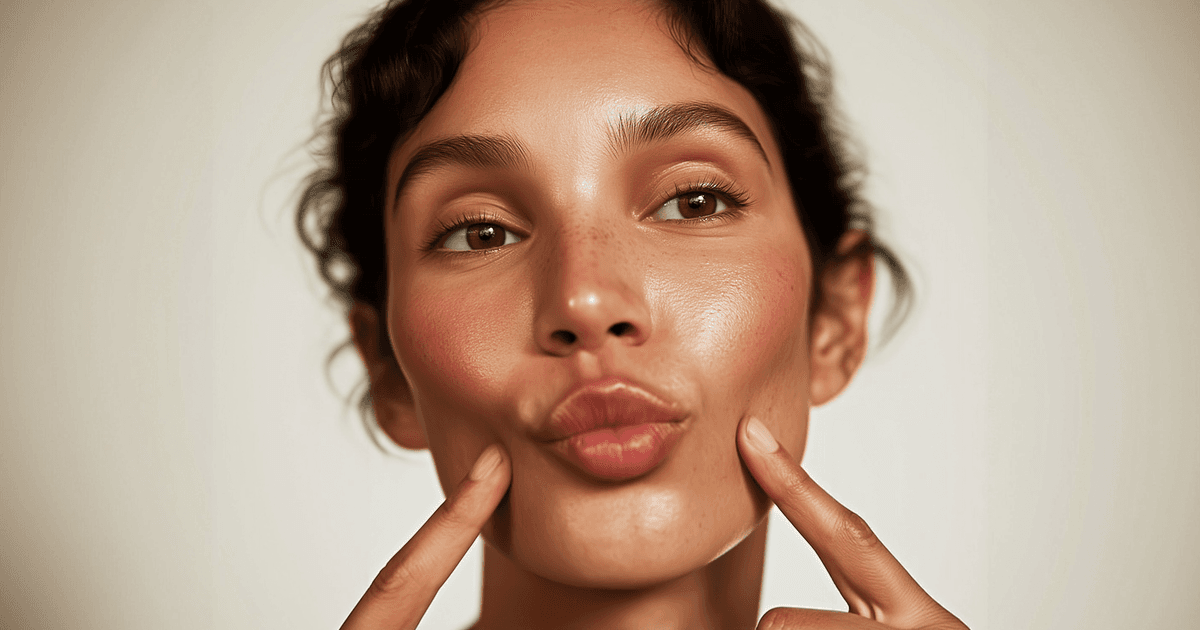
Hands and faces are the first things a viewer spots when AI video breaks. Why it happens in 2026, the five tells to check, and the fix that costs 5 credits.
Swap the model in an on-model shot without a reshoot. How AI head swap works, which models hold a face, and the consent rules commercial use needs.
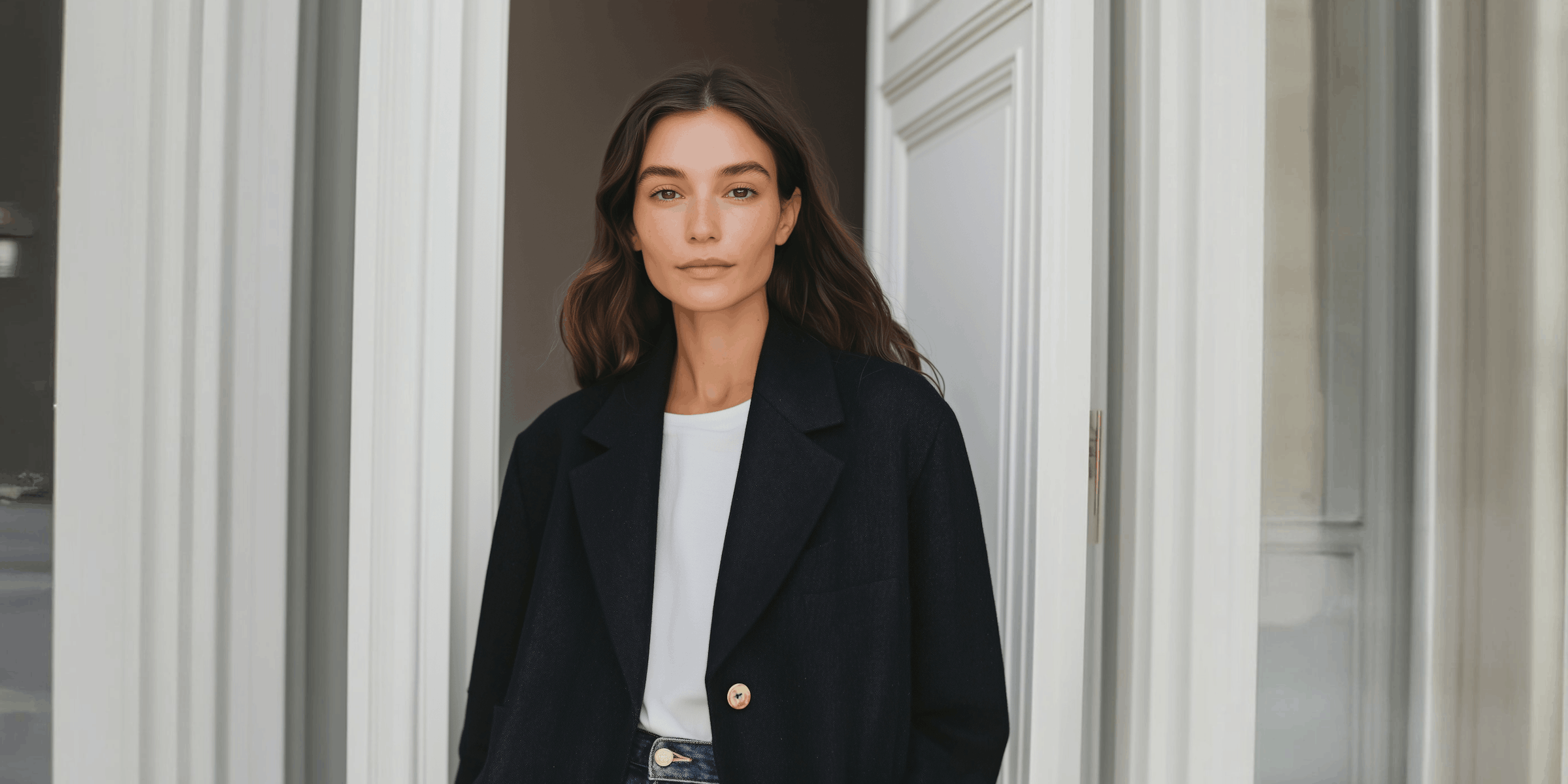
An AI clothing model dresses a generated person in your real garment from one flat lay. The 5 steps, 5 credits per image, and the checks before a PDP.
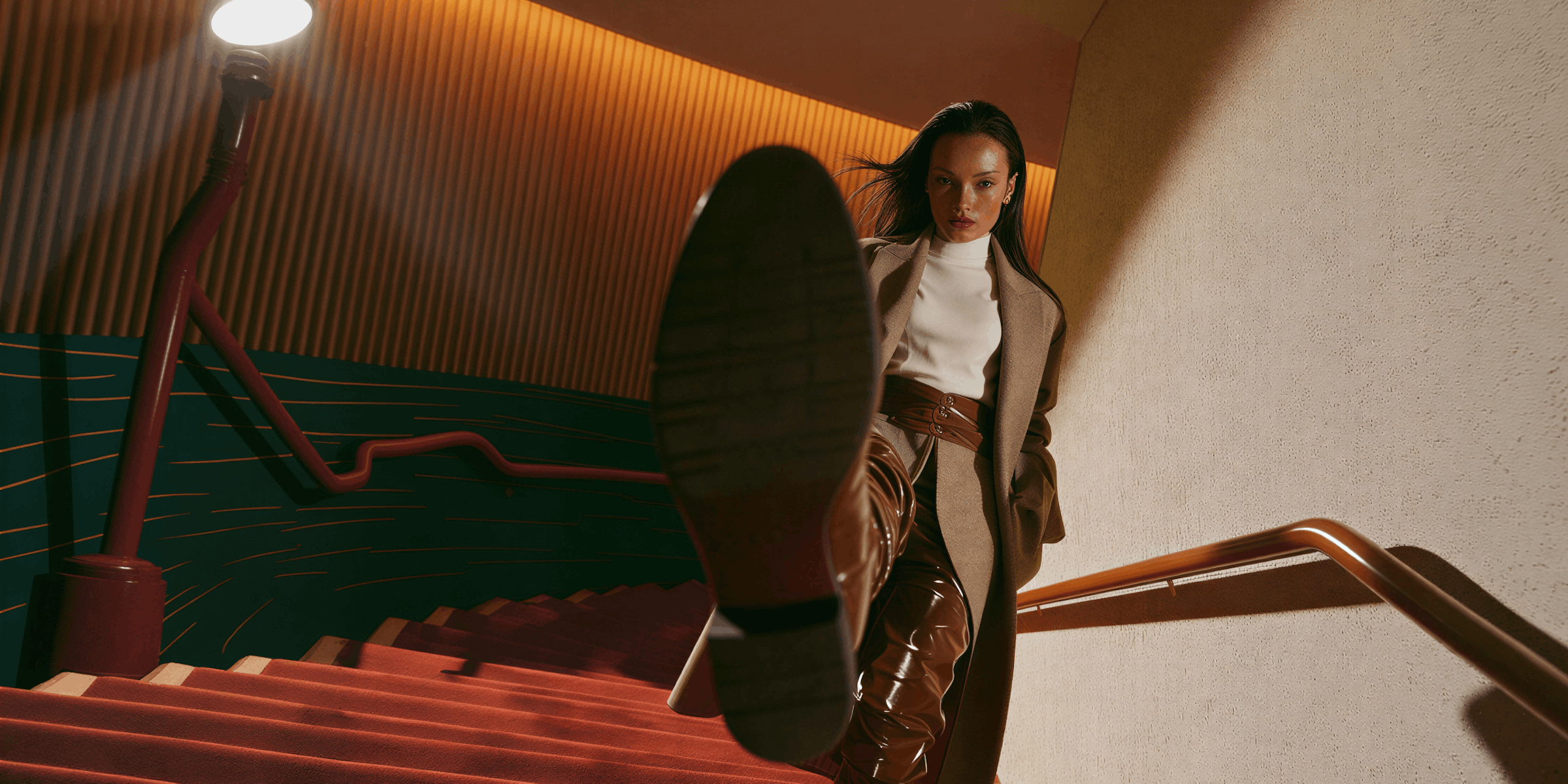
The AI tools fashion and beauty brands need, stage by stage. Prices taken from each vendor's own page in July 2026, and what each tool is built for.
One product photo becomes paid ads, on-model shots, product stills, video, and social. Every model included on every plan. Start free with 112 credits.
Start free