Ecommerce photography services mostly charge per image. At Squareshot, the published tiers run from a standard product shot, through an advanced and a complex band, up to hand model and full-body model images. Both services here add an order minimum or a booking fee, and extras such as transparent backgrounds and custom file formats are itemised separately (soona.co/pricing and squareshot.com/pricing, September 2026).
What decides your budget is the minimum order, and the list of things quoted separately.
This covers what each tier buys, the costs that appear after the headline rate, when a studio is the right answer, and how to brief a shoot.
Key Takeaways
- Both services here price per image. soona prices per photo and per video clip. Squareshot prices in five tiers: standard, advanced, complex, hand model and full-body model. It also sells hourly shoots (soona.co/pricing and squareshot.com/pricing, September 2026).
- Minimums decide fit more than rates do. Squareshot sets an order minimum on product shoots and asks for 5 outfits or 20 images on model shoots. soona charges a studio fee per booking on top of its per-photo rate, and waives it for members.
- Complexity bands follow the lighting work. Reflective surfaces need more lighting work, and Squareshot puts jewellery and watches in its complex band.
- A person in the frame costs the most at Squareshot. The full-body model image is the top tier on its list. soona prices models by the hour, on top of the photo price.
- Extras are itemised per image. Transparent backgrounds, TIFF or PSD delivery and extended resolution. Small individually, material across a catalogue.
- Usage rights for models differ by service. Squareshot lists a model usage rights extension as a variable cost. soona says the models it books come with unlimited usage rights.
- Turnaround runs from 24 hours to 8 days. Squareshot quotes 8 days from payment to final shots, and faster delivery costs extra. soona quotes 24 to 72 hours, by plan. Plan the shoot around the launch date.
What do ecommerce photography services sell?
| Service and tier | What it covers | Minimum | Turnaround |
|---|---|---|---|
| soona, photo | A studio photo, priced per photo | A studio fee per booking, waived for members | 24 to 72 hours by tier |
| soona, video clip | A studio clip, priced per clip | A studio fee per booking, waived for members | 24 to 72 hours by tier |
| Squareshot, standard product | Flat lay clothing, accessories, shoes, beauty, bags and home goods | An order minimum on pay as you go | 8 days |
| Squareshot, advanced product | Ghost mannequin or stuffed clothing, and oversized products | An order minimum on pay as you go | 8 days |
| Squareshot, complex product | Jewellery and watches | An order minimum on pay as you go | 8 days |
| Squareshot, hand model | A hand model in frame | 5 outfits or 20 images | 8 days |
| Squareshot, full-body model | A full-body model in frame | 5 outfits or 20 images | 8 days |
Sources: soona.co/pricing and squareshot.com/pricing, accessed September 2026. Each service publishes its own rates on those pages. Squareshot also lists memberships and hourly shoots.
Both services do some things well. Squareshot includes retouching, revisions and standard delivery in its pay-as-you-go plan, and it lists every add-on by name (squareshot.com/pricing, September 2026). soona is fast: it quotes 24 to 72 hours for edited photos. Its booking fee covers its backdrops, lifestyle spaces and props, plus simple steaming (soona.co/pricing, September 2026).
What costs extra, and how does it add up?
The itemised list is where a shoot grows past its headline rate.
Squareshot lists these as add-ons: steaming per item, transparent backgrounds per image, custom file formats such as TIFF or PSD per image, extended resolution to 4000x4000 per image, product recolouring per image, complete-the-outfit styling per outfit, and faster delivery as a percentage added to the image price. Model usage rights extension is listed as variable (squareshot.com/pricing, September 2026).
soona lists premium photo edits as a paid extra for studio pass and Basic members, and free on its Standard membership. Its memberships also waive the per-booking studio fee and shorten delivery (soona.co/pricing, September 2026).
Run the arithmetic on your real order, or against a product photography cost calculator. Add every per-image extra to the base rate, then multiply by the image count. On forty images, three small add-ons are no longer small. Not a shock, but not the headline number either.
The one to read carefully is model usage rights. It is how commercial image licensing works, and it means the images you paid for may be licensed for a term rather than owned outright.
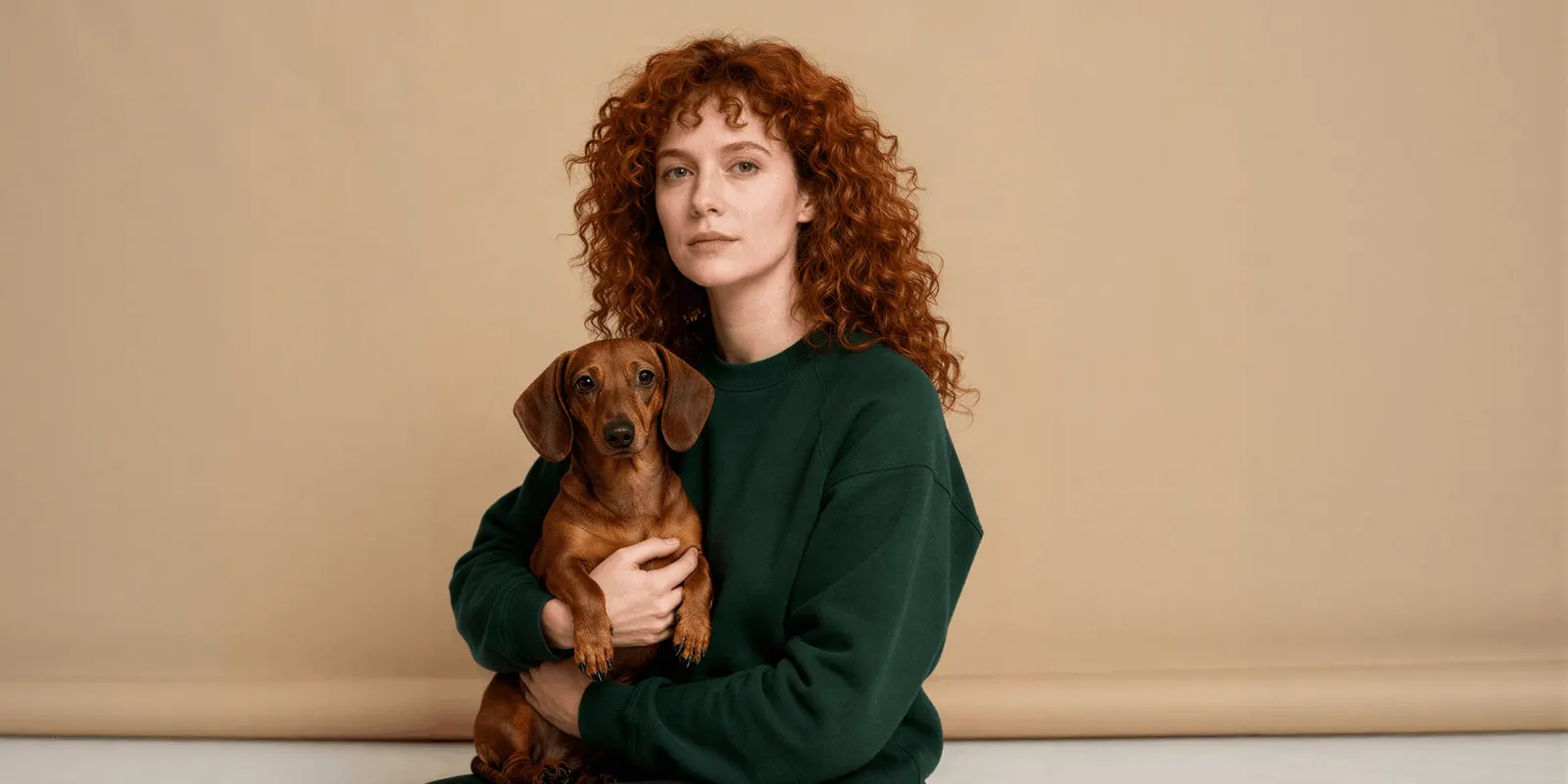
Why does a model image cost more than a product shot?
Because you are paying for a person’s time and their rights, on top of the photography.
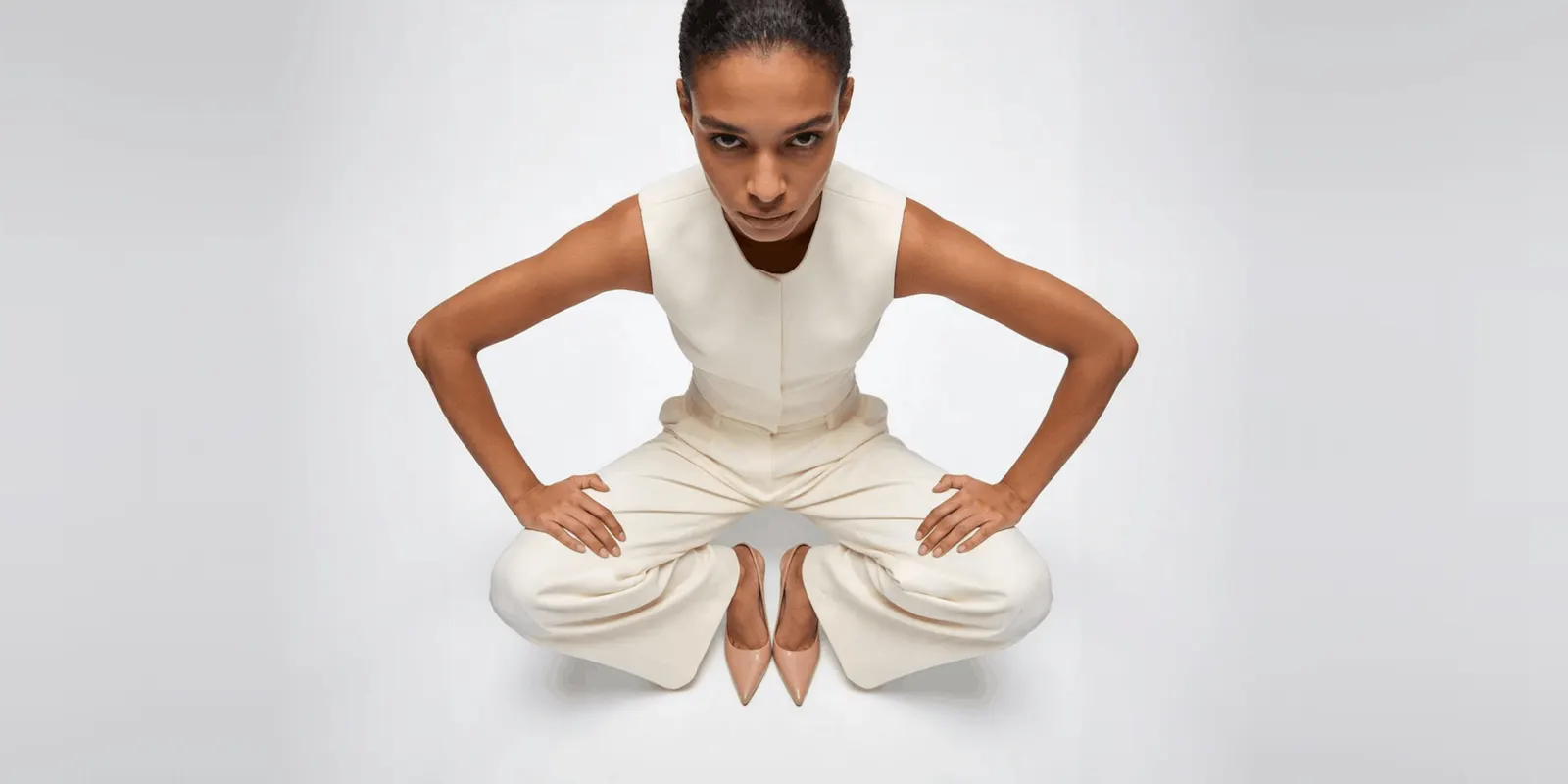
At Squareshot the full-body model image is the top tier and the standard product image is the bottom one, at the same studio. The gap covers the model’s fee, the casting and scheduling, the styling, the longer shoot day, and the usage rights attached to that person’s likeness.
That last one is the part that persists. A product-only image is usually yours to use under the contract. A model image often carries a licence with a term, a territory and a media scope. When it expires, the image cannot keep running. Terms differ by service. Squareshot’s day-rate model shoot lists six months of usage rights, and soona says the models it books come with unlimited usage rights (squareshot.com/pricing and soona.co/pricing, September 2026). This is why apparel brands with a monthly drop calendar feel the cost differently from brands selling objects: they need a person in the frame every month, and each month adds another licence with an expiry date.
Generated on-model images change this. There is no casting call and no model licence term when the model is not a real person. There are disclosure rules that apply instead, and they are the thing to check before shipping.
How do the minimums change what you can buy?
They set a floor under the smallest useful order, and the floor is often above what a small brand wants to spend on a test.
An order minimum on product shoots sets the smallest order you can place, whatever the per-image rate. That is fine for one product with several angles. It is awkward when you want one image each for several products across two categories to see which style works, because you have committed the full minimum before you have learned anything. Squareshot waives the product minimum for members, which is a different commitment (squareshot.com/pricing, September 2026).
Model minimums matter more. Five outfits or 20 images is a real commitment for a brand testing whether on-model imagery moves conversion at all. You cannot buy one on-model shot to find out.
One workaround is to order in stages. Shoot the smallest viable order on your best-selling product, publish it, measure, then commit the catalogue. That turns the minimum into a pilot rather than a bet. It is the same discipline that works for A+ content module sets and for any repeated layout.
When is a studio the right answer, and when is it not?
We publish this blog and make DesignerBox, which appears below, so we are not neutral here. A studio is the better choice in the cases that follow.
A studio wins when the product is hard to photograph, when the images are the first thing a customer judges the brand on, and when you need a person in the frame with clean rights. Reflective surfaces, transparent materials, fine jewellery, texture that has to read accurately: these are lighting problems, and lighting problems are solved by people with lights.
A studio fits less well when the catalogue turns over faster than a shoot cycle. At 8 days plus scheduling plus a correction round, a monthly drop is most of the month. It also fits less well for variant volume, because ten backgrounds for one product is ten images at the per-image rate, and the product was already photographed once.
That variant problem is the clean split. Photograph the product properly once, then make the rest from that photo. DesignerBox is AI creative production for agencies and brand teams. It makes angles, backgrounds, flat lays and styled scenes from one product photo. You build that set once as a workflow, on your best-selling product. Then you run the same workflow on the next product. The workflow reads the same brand rules on every run. Batch, one workflow over a whole sheet of products, is coming. You see what a run costs before you start it. Paid plans start at $15 a month billed monthly, or $6 a month billed annually, for 500 credits.
The limits are clear. It needs a good source photograph. The commercial licence starts on Pro, at $35 a month billed monthly. Virtual try-on and AI video start on Premium, at $75 a month billed monthly. Every plan below Ultra is a single seat.
Many catalogues use both. The studio for the hero and the hard products, generation for the variants and the long tail, which is where the per-image rate would otherwise multiply fastest.
How should you brief a shoot?
The brief decides the revision count, and revisions are where an 8-day turnaround becomes a month.
- List every image with its use. Not “10 product shots”. One PDP hero, four angles on white, two lifestyle for the ad set, three detail crops. The use determines the crop.
- State the output specs. Dimensions, format, colour profile, background, whether you need transparency. These are the items billed separately, so decide before rather than after.
- Send one reference that is right and one that is wrong. The wrong one saves more time than the right one, because it draws the boundary.
- Say what the product must not look like. Colour is the usual failure. If your navy renders black, say so upfront.
- Ask what the usage rights are, in writing. Especially on model shoots. Term, territory and media.
The same one-page structure works for any supplier, and it is the single cheapest thing you can do to reduce cost. Use a written creative brief rather than a thread.
FAQ
How much do ecommerce photography services cost?
Both services here price per image, and publish their own rates on their pricing pages (soona.co/pricing and squareshot.com/pricing, September 2026). At Squareshot, the rate rises with complexity, from a standard product shot up to a full-body model image. soona prices video per clip. On top sit a minimum order or a studio fee per booking, and extras such as transparent backgrounds and custom file formats, charged per image.
Why is on-model photography so much more expensive?
At Squareshot, the full-body model image is the top tier and the standard product image is the bottom one. The difference covers the model’s fee, casting and scheduling, styling, a longer shoot day, and the usage rights attached to that person’s likeness. Usage rights differ by service. Squareshot lists a usage rights extension as a variable cost. soona says the models it books come with unlimited usage rights.
What is the minimum order for a product photography service?
Squareshot sets an order minimum on pay-as-you-go product shoots, and 5 outfits or 20 images on model shoots. soona charges a studio fee per booking on top of per-photo pricing, and waives it for members. The minimum usually matters more than the per-image rate for a small brand, because it sets the smallest useful test you can buy.
How long does an ecommerce photo shoot take to deliver?
Squareshot quotes 8 days from payment to final shots, and faster delivery costs extra. soona quotes 24 to 72 hours depending on tier. Add a correction cycle to whichever number applies, because the round trip repeats the window.
Do I own the photos an ecommerce photography service takes?
For product-only images, usually yes, but read the contract. For images containing a model, the licence is typically limited by term, territory and media, and extending it costs more. Squareshot lists a model usage rights extension as a variable cost. soona says the models it books come with unlimited usage rights. Ask for the terms in writing before the shoot.
Is it cheaper to shoot in-house or use a service?
In-house wins on volume and on turnaround once you have the equipment and someone who can light a product. A service wins on hard products, on model work, and on not owning the equipment. The break-even usually arrives around the point where you are shooting every month and paying a service minimum each time.
Can AI replace ecommerce product photography?
It can make the variants. The source photograph is harder to replace. Angles, backgrounds, flat lays and styled scenes can be derived from one good photograph. The original still benefits from being real, especially for colour-critical products and materials a customer will judge against the physical item.
Sources
- soona pricing: per-photo and per-clip pricing, studio fee, memberships, delivery times and model usage rights (soona.co/pricing, accessed September 2026)
- Squareshot pricing: image tiers, add-ons, minimums, hourly shoots, delivery time and model usage rights (squareshot.com/pricing, accessed September 2026)
- DesignerBox plans and feature gating: DesignerBox pricing page (designerbox.ai/pricing), September 2026
Service tiers, minimums and turnaround times verified from each provider’s own pricing page as of September 2026. We do not print their rates: check the current figures on those pages, because prices, minimums and turnaround times change without notice. Individual results vary.