360 Product Photography: Frames, Gear and Limits (2026)
360 product photography shows one product in 24 to 72 stills on a turntable. Frame counts, gear, file weight, where a spin can run, and where AI drifts.
Teams and brands
Agencies Brand teams Performance marketers Creative studios Ecommerce brands Fashion brands Furniture and homeware brands Solo foundersUse cases
 Product imagery
 Static ads
 Video ads
 User-generated content
 Social creatives
 Campaign concepts
 Brand assets
 Automations
What you sell
Sales channels
Programmes
Affiliate programme
360 product photography shows one product in 24 to 72 stills on a turntable. Frame counts, gear, file weight, where a spin can run, and where AI drifts.

Ad layout for product ads: 6 layout types, the order of the 6 elements, and the one box that survives 1:1, 4:5 and 9:16, about 38% of a vertical frame.

AI brand guidelines are your brand rules rewritten so a model can follow them. See 10 before-and-after rules, a voice table and a 10-run test for each rule.

An AI design agent reads a brief, picks a tool, shows a plan and runs it. See the 6 steps, a 6-line brief to copy, 5 named tools and the 4 checks to run.

AI for product photography covers 8 jobs. Five edit your own photo and three redraw the product. See the first run, the tips and what Amazon and Google ask.

AI in ecommerce covers 6 jobs in an online store, from product content to AI chat shopping. What each needs from you, the sources we found, and where to start.
AI productivity tools sorted by 8 jobs for a small team: 16 named tools, one test to run on each, and what four independent studies measured about time saved.

The best Shopify apps, sorted by 5 jobs on the product page: images, reviews, upsell, search and bulk data. See what Shopify includes before you add one.
Botika AI review for apparel brands and agencies: its 3 input routes, what its terms say about image rights, a 6-garment test and 4 alternatives by job.

Brand compliance means every asset passes 3 checks in a fixed order: product truth, brand rules and channel rules. Rejection criteria, owners and a checklist.

Candle photography needs two exposures: unlit for the vessel and label, lit for the room. A shot list for 6 listing slots, with the marketplace image rules.

Claude connectors in 5 steps: open Customize, add a server URL as a custom connector, sign in, and choose which tools need approval. Free plan: 1 connector.

Codex MCP in 4 steps: add a server with one command or a config.toml table, sign in with OAuth, and choose which tools must ask you before they run.
Color theory in photography, taught on product images: the color wheel, 6 color schemes, white balance, sRGB and the 4.5:1 WCAG contrast test for ad text.
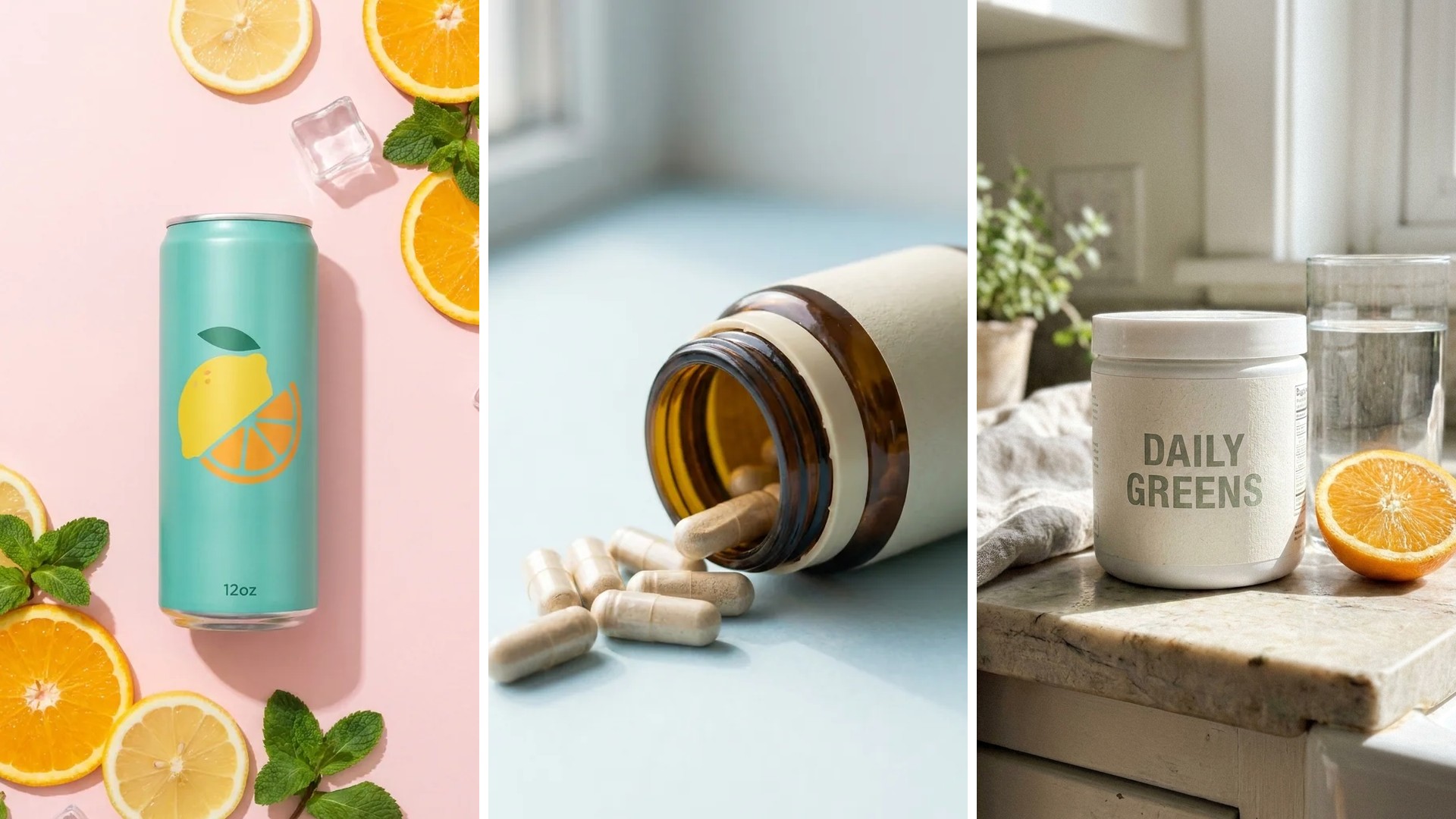
CPG marketing explained: how it differs from DTC, the 5 channels a packaged-goods brand has to feed, and a monthly asset plan for a range of 12 products.
Creative operations for a team of 3 to 15: one intake form, three request tiers, named decision owners, example service levels and 5 metrics with formulas.

Cursor MCP in 4 steps: add the server to .cursor/mcp.json, restart, sign in and pick one of 3 run modes. Then make product pictures from the editor.

A DTC brand sells its own products straight to shoppers. See how DTC differs from wholesale and marketplaces, and the 6 things to make in your first 6 months.

eBay image requirements for 2026: 500 pixels minimum on the longest side, about 1600 x 1600 recommended, 12MB a file, 24 pictures, and 6 things eBay bans.

Email banner size follows the column: 600 px wide, exported at 1,200 px for sharp screens. See working sizes, weights and formats for 6 email image types.

Facebook ad examples as 8 build sheets you can copy, sorted by funnel job: the frame, the headline, the primary text and the Meta rule beside each one.
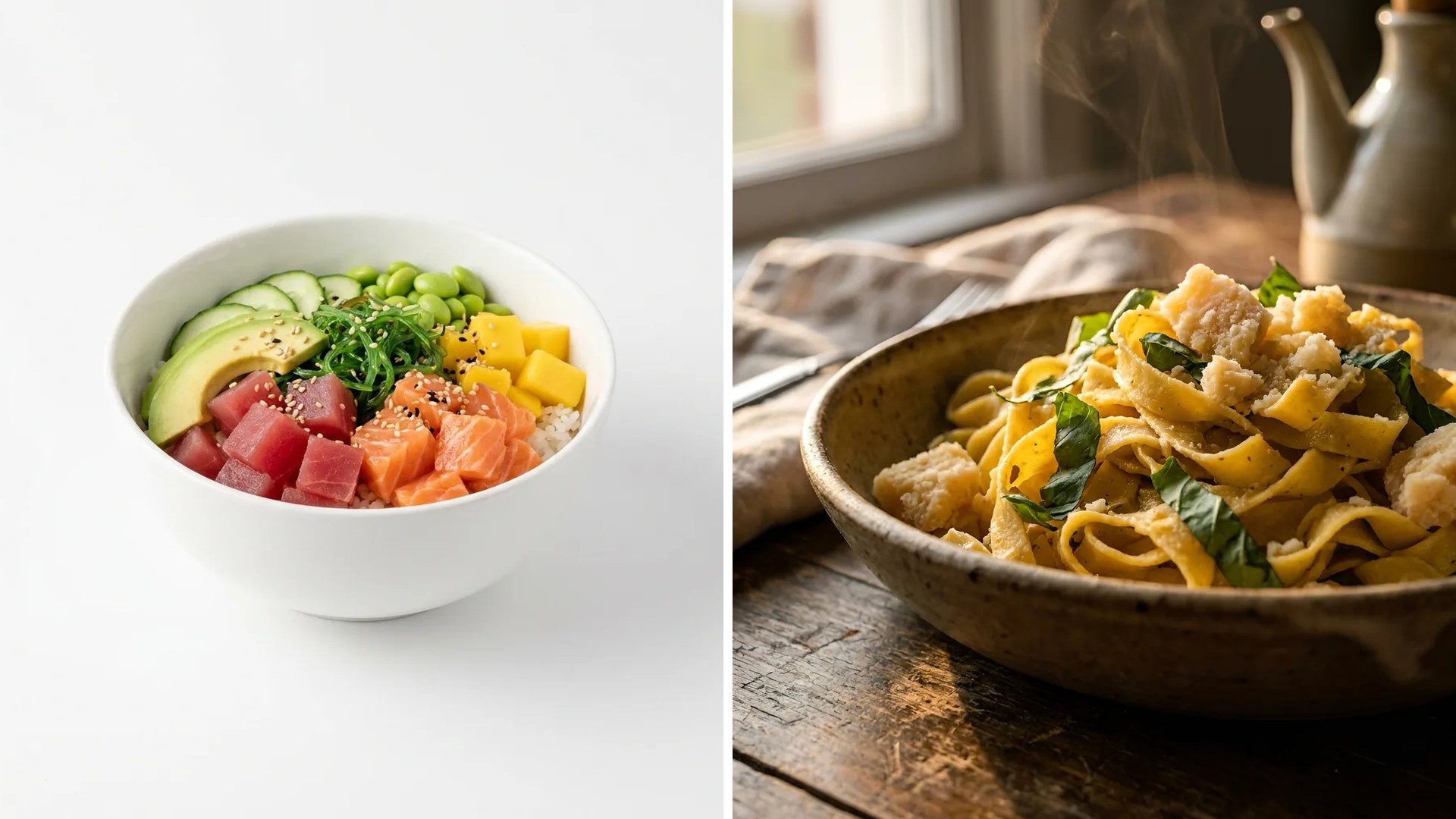
Food product photography for packaged food and drink: the 6 shots each product needs, Amazon's main image and label rules, and what AI may change.
Generative AI statistics for 2026, each traced to its original: 30 numbers on adoption, ads, trust, commerce and cost, with the sample, method and date.

Hand model photography shows a product held or used by a hand. See 4 holds, the framing rules, Amazon's main image rule and 4 checks for AI hands.
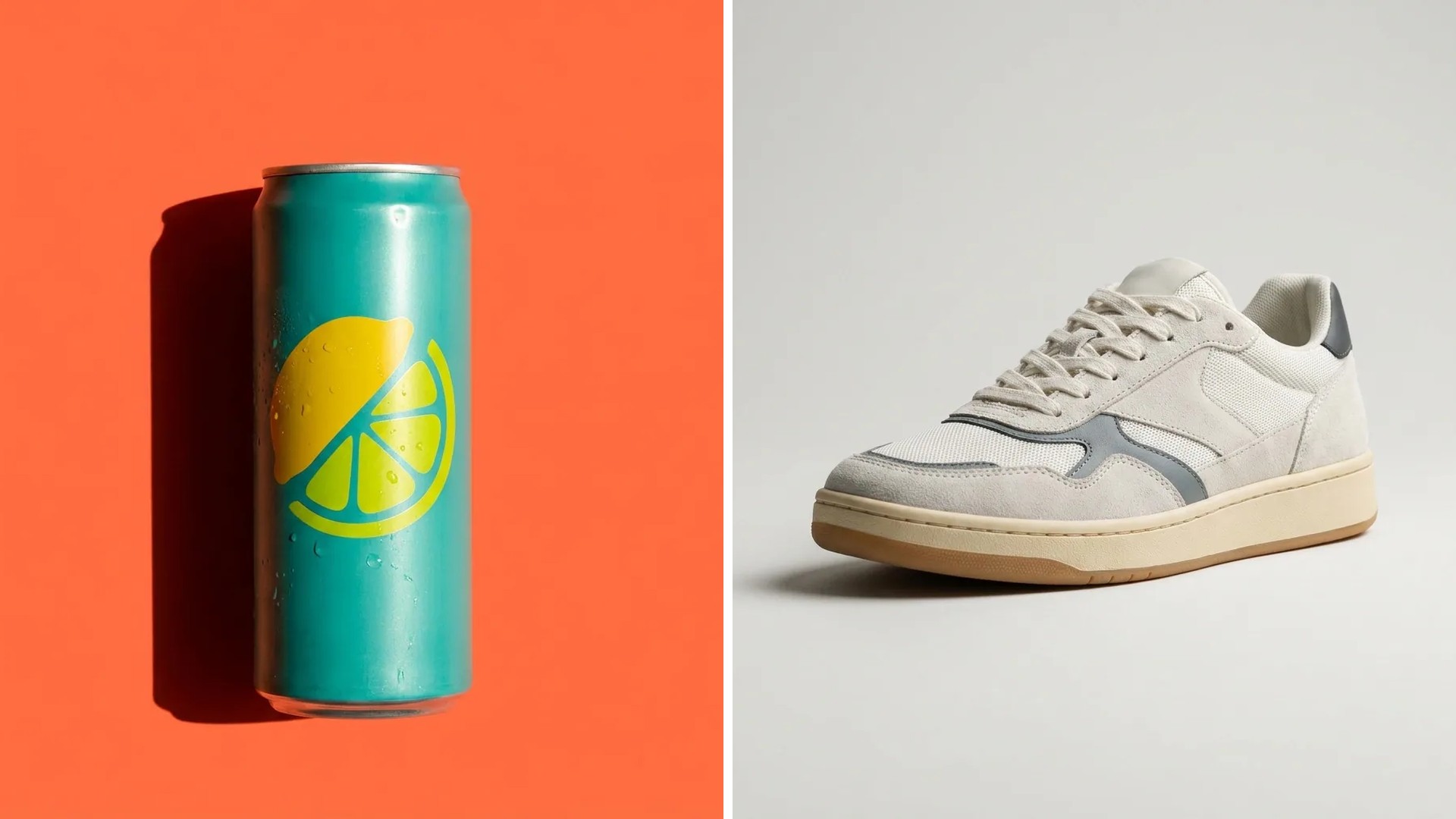
A hero shot is the one lead image of a product, a page or a campaign. See 5 types, how 4 placements crop it, and 6 checks to run before the image ships.

Holiday marketing ideas for 2026: 15 ideas sorted by the asset each one needs, with the date to finish each one before Black Friday on 27 November.

How does Shopify work? Shopify runs 8 parts of the store, and you make 5 things for every product. See the split, the limits and who Shopify fits.
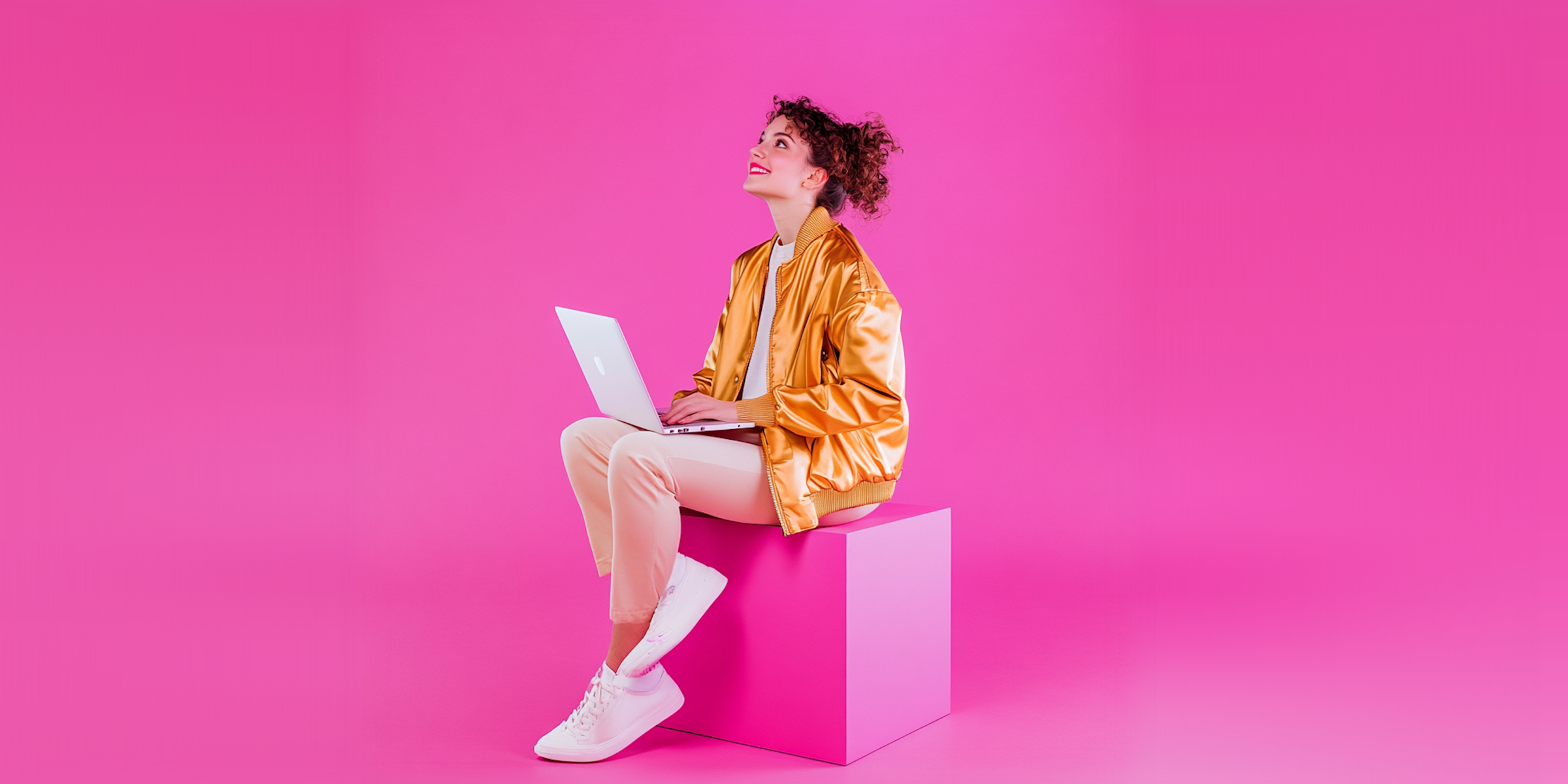
How to use AI to create images for a business: pick the input first, write a five-part prompt, change one thing per retry and run 7 checks before use.
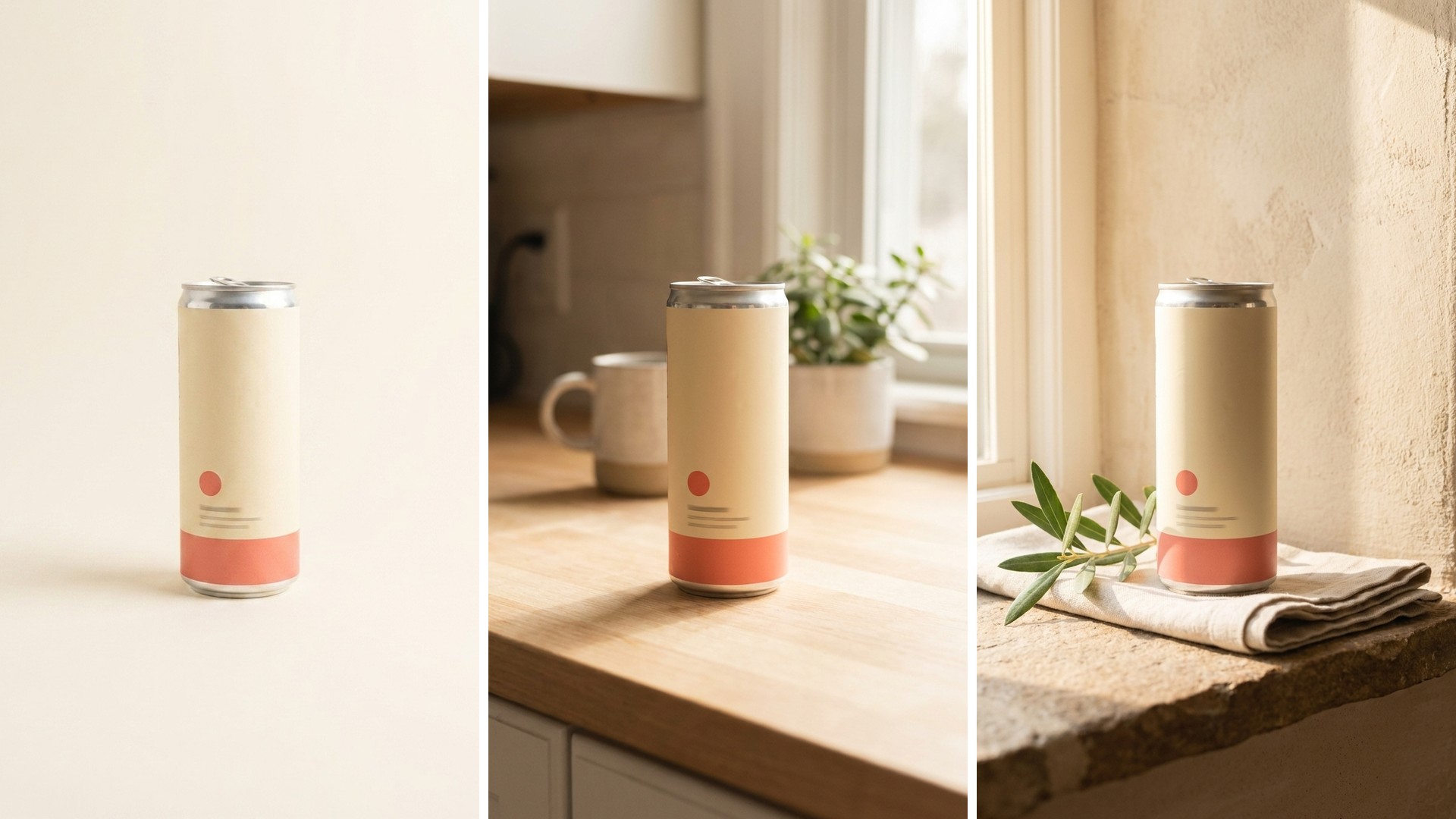
Image compositing joins a product photo and a new scene in one picture. See 3 routes to make it, what each risks, and 7 checks to run before you publish.
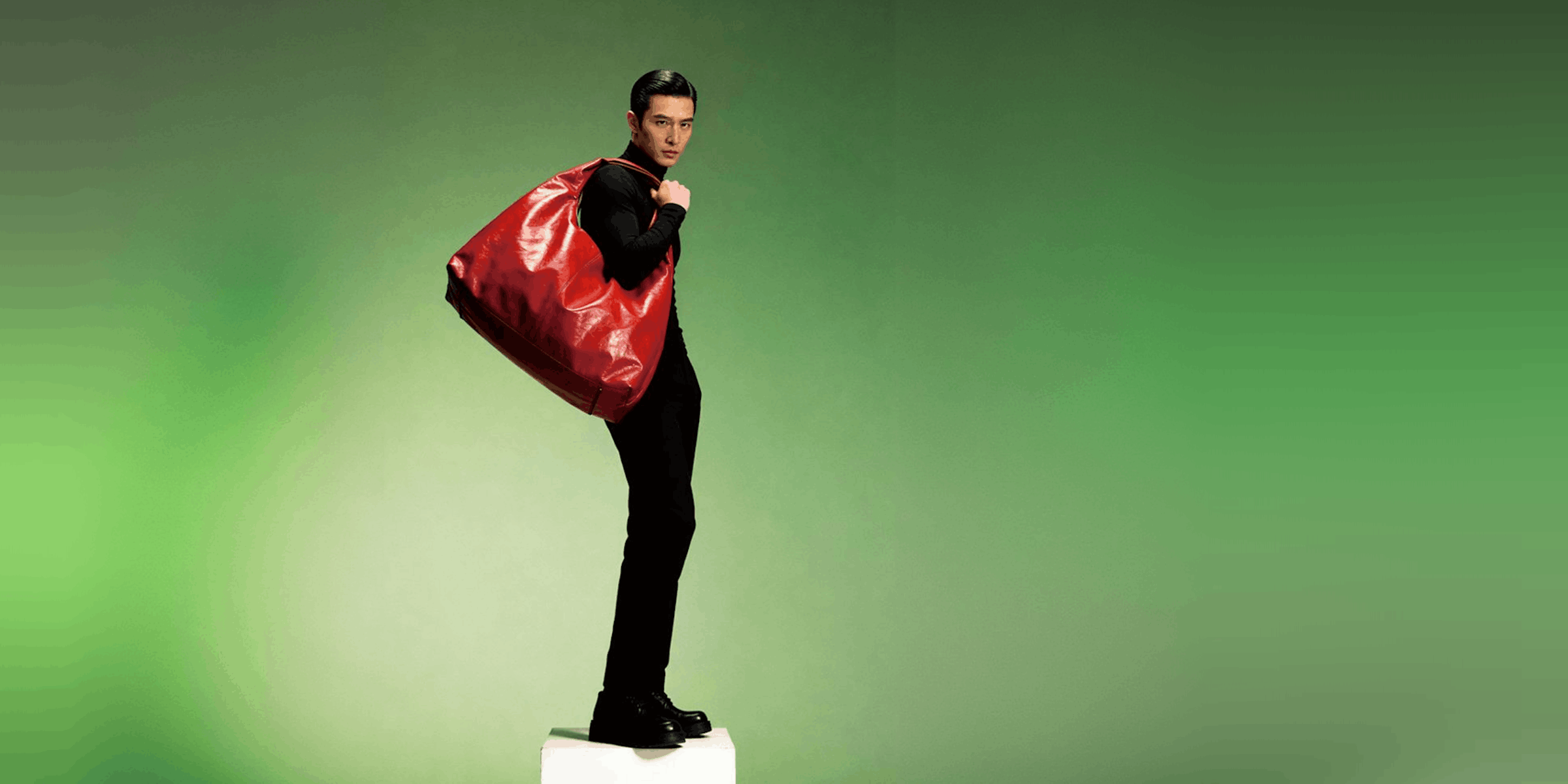
Image to image AI makes a new picture from one you supply. See how it works, the 3 modes, what each keeps, and 6 controls that keep a product the same.
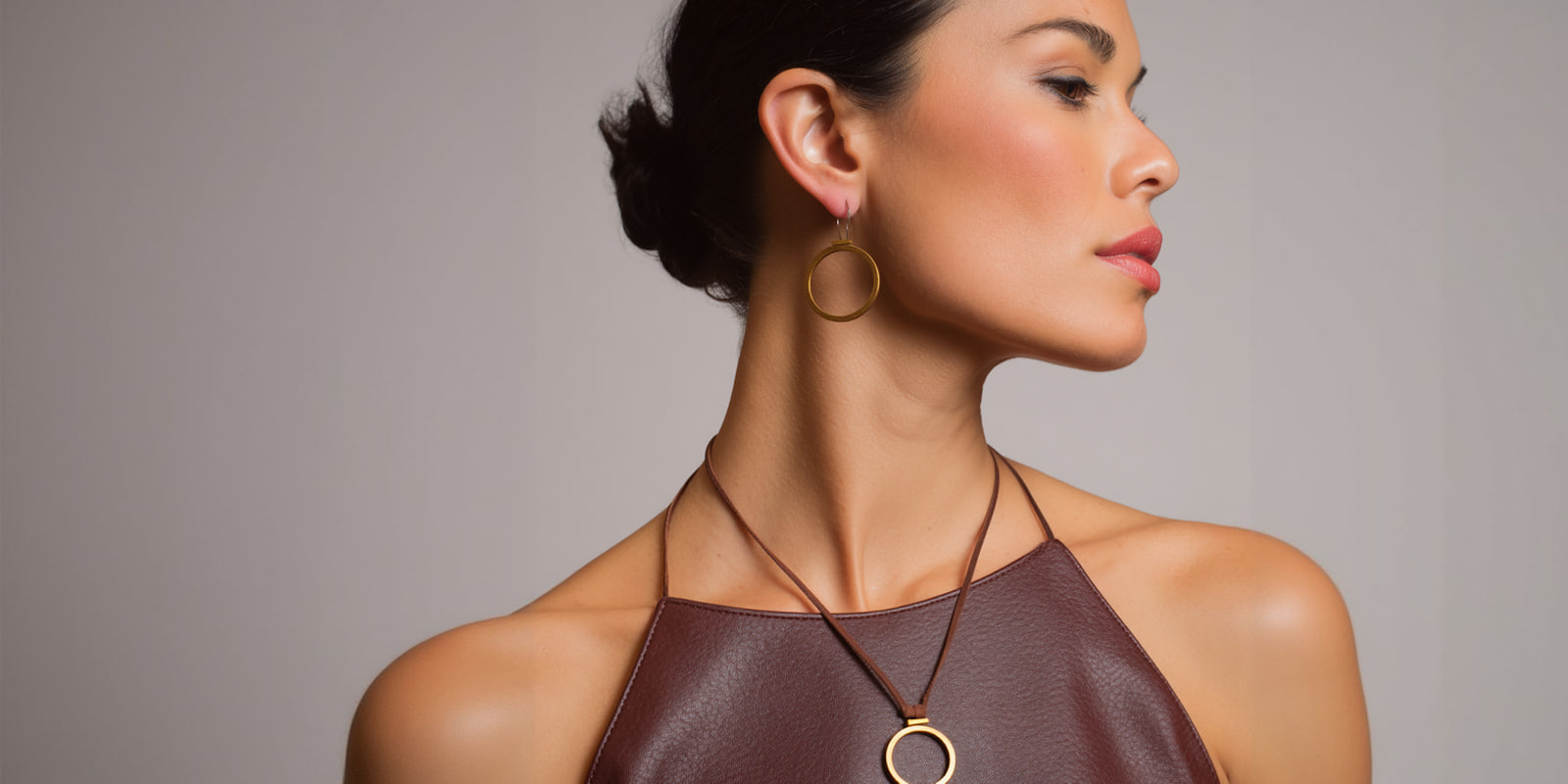
Jewelry photoshoot ideas sorted by what holds the piece: 17 shots on a surface, a stand, a hand or a model, with the Amazon, Etsy and Google rule for each.
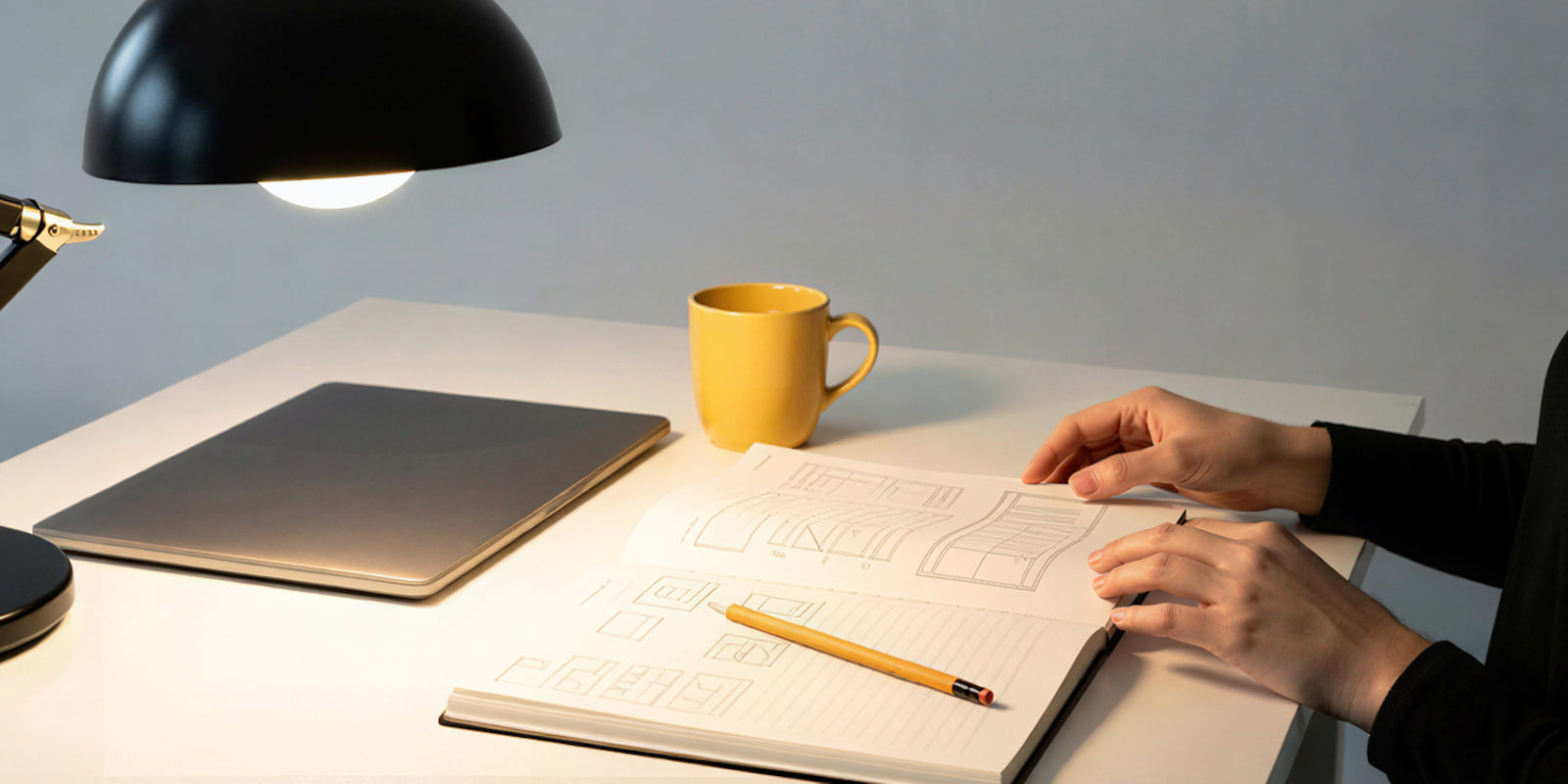
Knolling photography lays every part of a kit at right angles in one overhead frame. See the 5 layout rules, marketplace limits and the part-count check.

Lifestyle product photography shows a product in a real setting. See where it may appear, 3 routes to make it, and 6 checks to run before you publish it.
Macro product photography shows what a hero image cannot. See the 1:1 definition, 8 detail shots by buyer question, and the pixel sizes that keep zoom sharp.

Marketing collateral is every piece that carries your brand to a buyer. See 6 groups of types, the first 4 pieces a new brand needs, and where the time goes.
Meta ad specs for image ads, read on Meta's Ads Guide: pixel sizes, ratios, file limits and text lengths by placement, reduced to the 4 ratios you make.
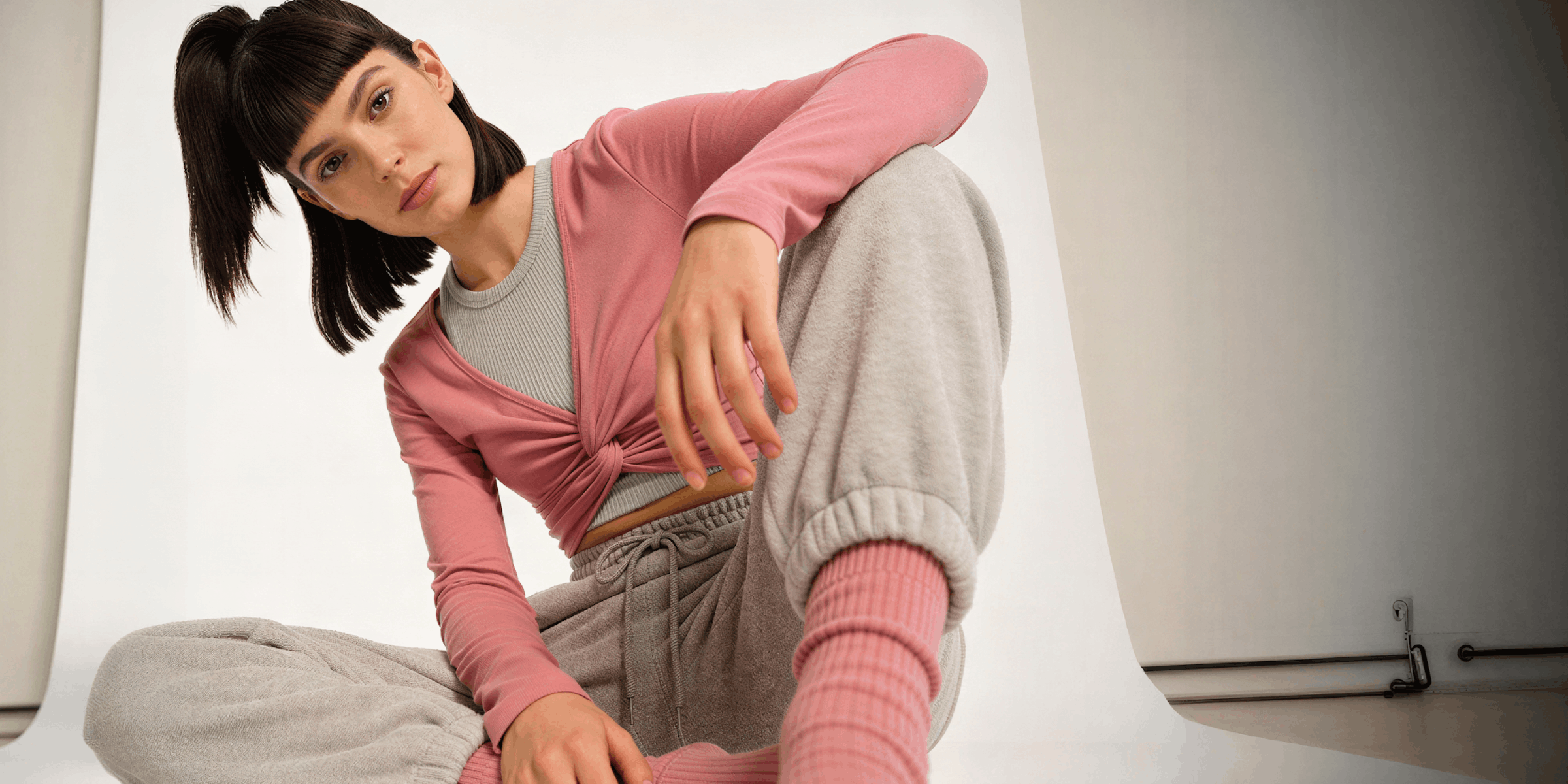
Packshot photography shows one product alone on a plain background. See the main image rules on 5 channels, the 85% to 90% crop and 6 faults to fix.
Perfume photoshoot ideas sorted by 6 scent families: the props, surface, light and color for each, a 4-step shoot order, and what needs a real shoot.
Perplexity shopping reaches products by 3 routes. How a store gets shown in 2026, how Instant Buy checkout works, and what Perplexity does not document.

Pixelz alternatives fall into 3 routes: managed retouching, self-serve editors and batch platforms. 8 tools compared on who does the work, with no prices.
Product attributes are the facts that define a product. The 4 types, the feed field and schema.org property for each, and the image check for the visible ones.

Product catalog management in 6 record parts: who owns each field, a weekly routine, and a 16-point audit built from the Google, OpenAI and Shopify specs.

A product detail page (PDP) is the page for one product. PDP vs PLP, the 8 parts each page needs, and why 62% of mobile product pages score mediocre or worse.
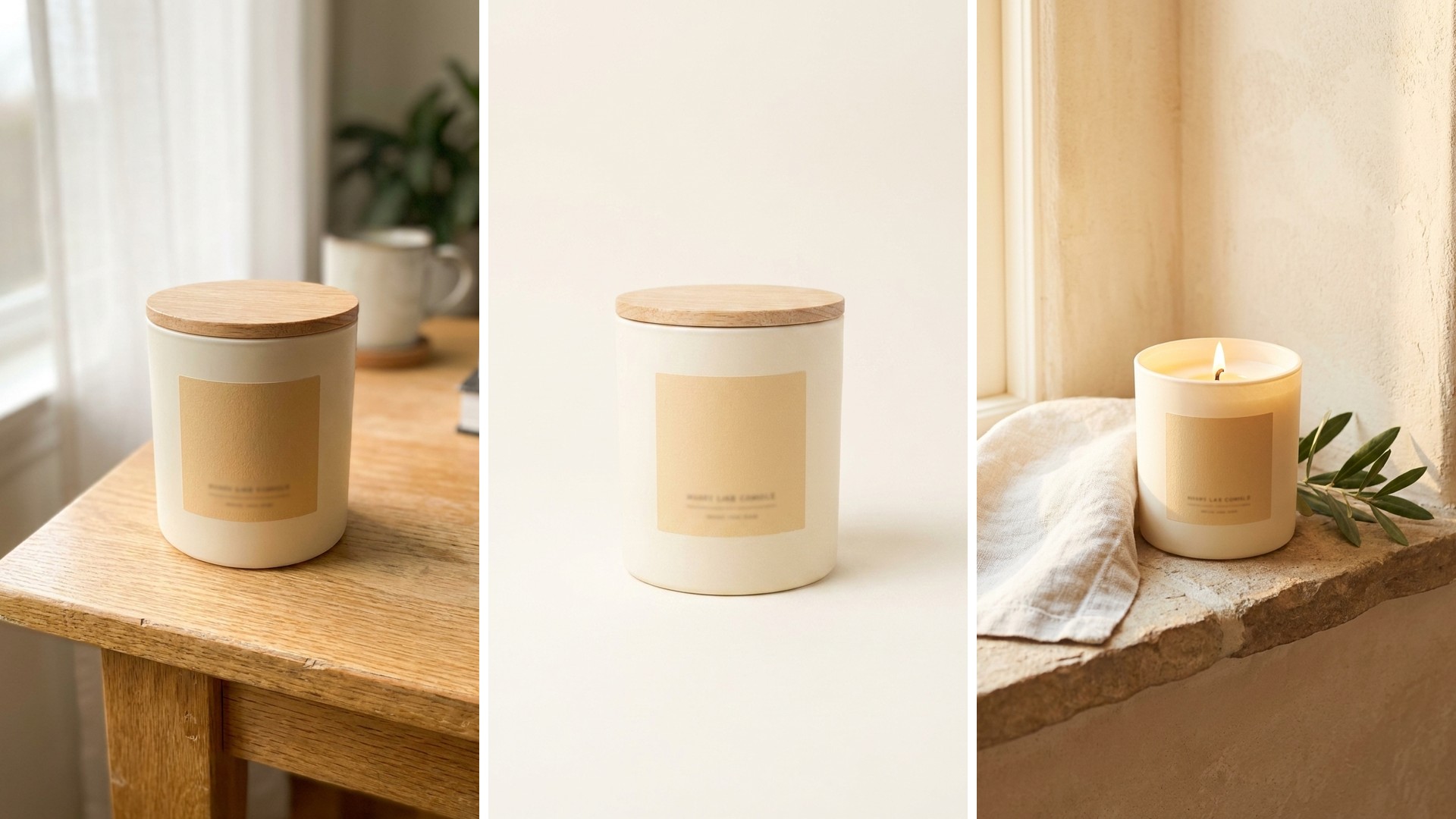
Product images work as a set where each one has one job. See the 7 roles in a product gallery, the fault to avoid in each, and how the first image gets reused.
Product launch ads run in 5 dated stages, from teaser to evergreen. See what each ad shows, when it stops, the claim rules, and a 60-file count.

A product listing page shows many products in one grid. PLP vs PDP, 6 image rules for the product grid, and how to hold them when product categories mix.
Product photo retouching cleans a photo after the cutout. See the 6 retouch jobs, what each one fixes, and where each one starts to misrepresent the product.
Product photography ideas sorted by where the image goes: 20 ideas for the main image, the gallery, ads and social posts, with the platform rule for each.
A product photography setup has 8 parts, and each one fixes a known fault. See 3 levels of setup, layouts for 3 product sizes and the settings to write down.
Product staging decides what sits around the product: surface, props, scale and light. Rules for a physical set, 6 checks for an AI scene and channel limits.

Figma remove background, 3 ways: the built-in tool, a Community plugin and a pen tool mask. Which route fits hair, glass or a logo, and how to check the edge.

Riverflow is Sourceful's AI creative platform for product brands. 7 Riverflow AI alternatives compared by job: product photos, ads, batch edits and MCP.

Riverflow Batch applies one AI edit across a set of images and scores each result with an AI judge. Test any batch tool on 4 questions and 20 rows first.

Selling on multiple marketplaces takes one fact sheet and one image master. See the 7 image rules that differ on Amazon, Walmart, eBay, Etsy and Google.

Sharpen image files last, at the final size. The 3 unsharp mask controls, the 4 kinds of blur, and when a product photo needs an upscale or a reshoot.
Shopify banner size has no official pixel value. Dawn and Horizon request banner files up to 3,840 px wide. See a working size for 8 theme image types.
A Shopify collection page shows 16 products a page in Dawn by default. How collections, sorting and the product grid work, and 5 image rules for the grid.

Shopify Google Merchant Center setup, step by step: what the Google & YouTube channel syncs, and why 1 image set feeds 4 surfaces on your store and on Google.

The Shopify image editor has 6 tools, from crop to AI backgrounds, and its generated images default to 1 megapixel. What each tool does and where it stops.

A Shopify launch checklist in 18 checks: the 3 steps Shopify requires, what blocks a sale, what takes two days to take effect, and what can wait.
Shopify product photography has 3 routes: shoot it, edit it in the admin, or make it with AI. See which route fits each of the 6 images a listing needs.

A Shopify SEO checklist split by owner: 8 things Shopify handles by default, then 15 checks left to you, each with the Shopify or Google page behind it.
Shopify store optimization in 3 layers: the page loads, the shopper can judge the product, the shopper can pay. An ordered audit with Shopify's own reports.

Shopify vs Etsy compared on what a seller can check: who brings the buyers, the fee types, what you own, and the photo rules. Etsy takes 20 photos a listing.
SKU images are the photos tied to one stock keeping unit. See which images each SKU needs, why 20 SKUs can share 15 images, and how to match files to SKUs.

SKU proliferation adds products faster than sales. See its causes, its costs and its image bill: 50 products in 4 colors at 5 images each need 1,000 images.
A spec ad is an ad made for a brand that did not order it. See spec ad vs spec work, 3 checks that decide if one helps, and 5 steps to make one with AI.
Supplement photoshoot ideas sorted by what each picture claims: 16 scenes for capsules, gummies, powders and drops, including 3 to send to claims review first.

T-shirt product photography has to prove 6 things: color, print, fit, fabric, construction and the back. The shot list, the prep and the marketplace rules.

Trust badges explained: 5 types, where each one goes, what Baymard's seal research found, and the 6 checks a first-time visitor makes before buying.
Visual search finds a product from a photo in place of typed words. The 4 systems shoppers use in 2026, what Google documents, and a 7-point image check.

Will AI replace photographers? In product work, AI takes variation first and capture last. See the BLS outlook to 2035 and a table of 12 shot types.
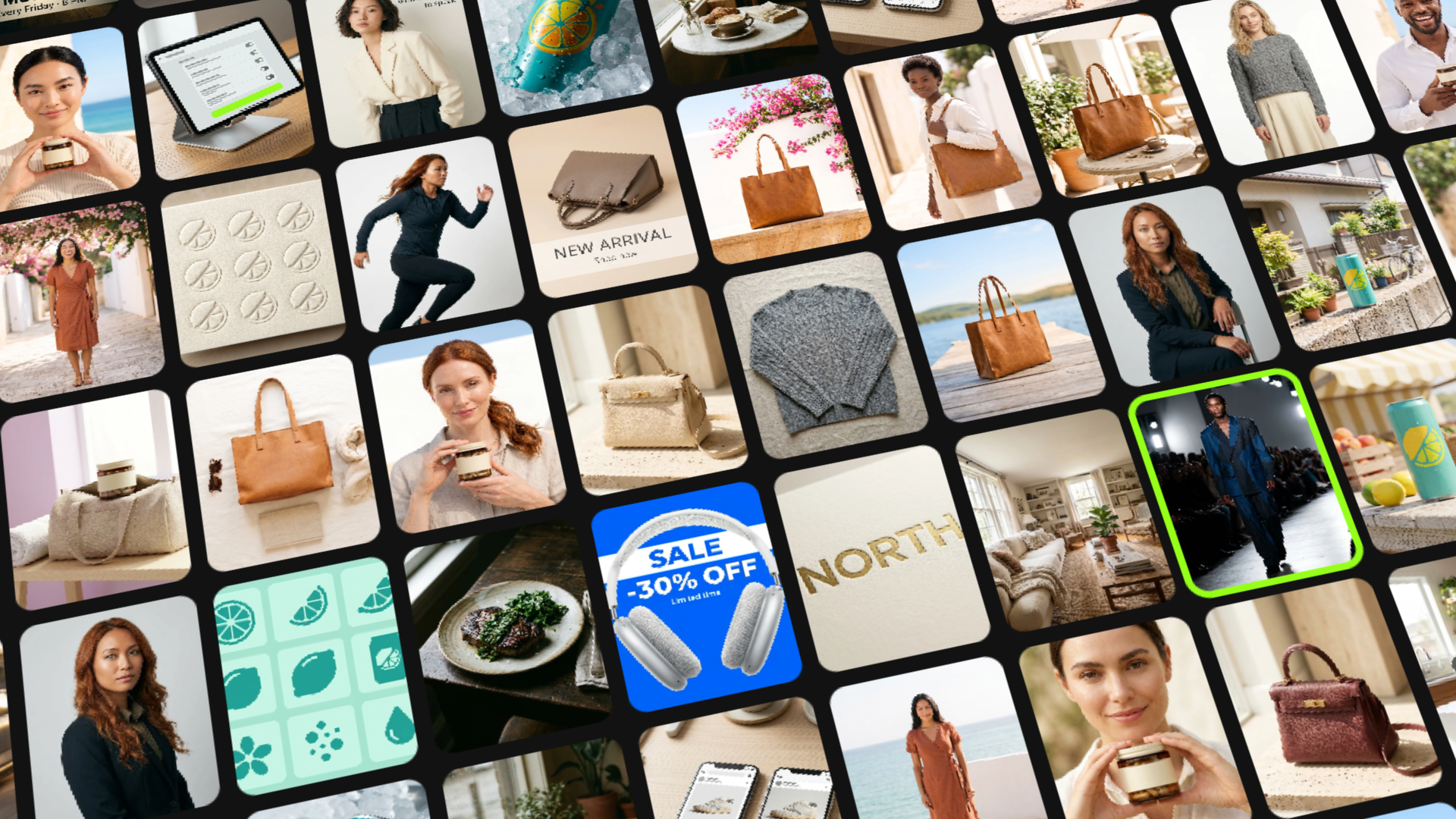
We rebuilt DesignerBox for brands and agencies. See every part of the new app: Create, templates, apps, batch, both editors, Reviews, Brand and 74 MCP tools.
Ad script examples for 15, 30 and 60 second video ads, with seconds and words per line. Written so a person or an AI voice can read them, with claim rules.

Ad versioning changes one layer of an approved ad. See the 7 layers, which ones Meta and TikTok read as a new creative, a naming rule and a QA list.
An advertising jingle made with AI music follows 5 steps, song first. Covers the rights each music model grants and the ad music rules on Meta and TikTok.

Agent orchestration explained for creative teams: the 5 published patterns, who decides each next step, and a 6-step build for one product image job.

An AI ad agency makes and runs ads with AI at each stage. See the 4 layers of its stack, 7 tools sorted by job, and the 4 disclosure rules that bind it.
An AI ad agent is one of 3 things: it makes the ad, runs the ad account or reads the results. See the access each kind needs and what 4 ad platforms ship.
An AI automation agency builds and runs AI systems for client businesses. See its 4 service lines, 3 pricing models and what to set up before a first client.
An AI creative agency uses AI in 6 disciplines and keeps people on the decisions. See 7 tools by what their own terms say on commercial use and indemnity.
An AI influencer generator can be one of 4 kinds of tool. Compare 10 named tools, then run 5 tests on a character before it fronts a brand campaign.
Higgsfield's AI Influencer, which some guides call AI Influencer Studio, builds a character from 19 settings. See what changed and 5 checks before a brand ad.
AI product video generator guide: the 4 types sorted by what you start from, a URL, a photo, a script or a template, and 4 checks before a clip runs.

An AI spokesperson is one of 3 kinds: a stock avatar, a custom character or a clone of a real person. Whose face it is decides consent and the label rules.

An AI TikTok video generator makes four kinds of clip for a brand account. What each kind needs, TikTok's two labels, and six checks before you choose one.
An AI UGC agency makes creator-style video ads with generated presenters. What it delivers, the 5 stages of the work across clients, and who must disclose AI.

An AI video ad generator is one of 5 products, sorted by what it takes in. See 10 tools mapped by input, and the 7 checks to run on your own product.
An AI video agent takes a brief, picks the model and settings, and runs the video tool. See the 3 forms it takes, a 7-line brief and 5 checks before you ship.

AI video credits run out because you pay for every attempt, not every finished clip. Use 5 checks to cut retries and budget the cost per accepted clip.

AI video effects turn one photo into a short trend clip. Five effect kinds, four product checks and the AI label rules on 3 platforms, for product brands.

An AI video generation API returns a job ID, then a clip. Run 6 checks before you build: clip length, image input, audio, limits, storage, shutdown date.

AI video generation failed? Sort the error into 5 causes: a safety filter, a bad input file, a setting conflict, capacity or an account limit. Fixes inside.
An AI video generator for social media fits one kind of clip. Six kinds, 9 tools checked on their own pages, and the video specs for 4 platforms.
An AI video generator with sound makes audio in the same pass as the picture. See which models do it, the 3 audio layers of an ad and the order to build them.
An AI video production studio runs client video as one pipeline. See the 5 roles, a cost ledger for each deliverable, the look kit and 3 kinds of client note.

24 AI video prompt examples for product ads, sorted by the 6 jobs a shot does. Each follows Google's five-part formula, with notes on what to change for yours.
Travel ads with AI video: 4 of the 6 layers in a hotel or tour ad are safe to generate, and 2 need real footage. See the US, UK and EU rules behind the split.
AI video upscaling adds pixels in 3 ways: precise, restoring and creative. See which one keeps a face or a logo exact, and what a 4K upscale costs per clip.

Build an AI video workflow in n8n or Make in 4 stages: submit, wait, save and review. Google deletes a Veo file after 2 days, so the save step comes first.
AI voice cloning copies one voice from 1 to 2 minutes of audio. See how it works, 4 things that keep a brand voice the same, and the consent and label rules.

AI workflow software for agencies comes in 3 layers: custom code, an automation platform or a media workflow tool. Five questions pick the right layer.

An all-in-one AI platform is one of 3 kinds: a chat aggregator, a creative suite or a production system. Run 5 checks before you subscribe to any of them.
Animated ads explained: 6 styles and what to keep fixed in each, 5 real examples from Chipotle to Coca-Cola, and 7 steps to make one with AI video models.

Arcads vs Creatify compared on the input each starts from, what its terms say about the actors, and 5 checks to run before either AI UGC ad goes live.

The best AI video model depends on the shot. See how 3 public benchmarks score prompt adherence, then run a 5-prompt test with pass or fail marks.
Can ChatGPT make videos? Not by itself: OpenAI closed Sora on 26 April 2026. A connected video app makes the clip. See the 4 inputs a chat run needs.

Carousel ads compared on Meta, LinkedIn, TikTok and Pinterest: card limits, ratios and links, plus 5 card structures and the file count of one test.

Catalog ads are built by the ad platform from your product feed. See the video feed fields on Meta, TikTok and Google. Meta takes up to 20 videos per product.
Claude ads means 3 things: ads inside Claude (there are none), Claude reading ad accounts, and Claude making campaigns. See who does each of 6 steps.
Clothing ads in 12 formats a brand can make every week: what each one shows, which 5 need filming, and the FTC, Meta and TikTok rules that apply to each.

Content creation tools for a brand team, sorted by 6 jobs: named tools for each job, and 3 checks on license terms, brand rules and export before you buy.

A creative management platform builds, approves and publishes ad variations. 7 platforms compared on 5 jobs, and how a CMP differs from a DAM or a DCO.

Creatopy became The Brief in October 2025. 8 Creatopy alternatives compared by job: HTML5 banner sets, template APIs, quick design and product ad images.
DesignerBox Brand keeps your products, logo, colors, fonts, rules and reference pictures on one page. See the 4 cards, the 5 set-up steps and the limits.
DesignerBox Create is a chat inside the app. Follow the 5 steps from a typed request to a run, see what each part of the page does, and learn the limits.
Ad creative for ecommerce, sorted by what a generator starts from: a page URL, a photo, a feed, footage or ad data. Plus 3 AI label rules to check first.

Edit text in an image with 4 methods: the layered file, clone and retype, an AI editor, or layers split from a flat file. When each works and how to check.
ElevenLabs alternatives do 4 different jobs: ad voiceover, voice cloning, real-time voice and open-source models. Sort them by job, then run 5 checks first.
Facebook ad design from Meta's own pages: 3 ratios and pixel sizes, the Stories and Reels safe zone, the rule on image text, and a 10-point checklist.

Facebook ads automation is 4 jobs: delivery, creative changes, rules and creative supply. Meta automates 3 for free. See what to keep manual in 2026.

Facebook video ads use a 4:5 ratio in Feed and 9:16 in Reels and Stories. See Meta's own specs, length limits, safe zones, captions and AI video features.
Faceless videos for a brand: 5 formats with no person on camera, the 6 production steps, and what YouTube, TikTok and Meta say about AI-made video.
A food commercial is built from 5 shots: pour, steam, bite, sizzle and pack shot. See which ones AI video can make, and the rule that the food must be real.
8 Hailuo AI alternatives compared on clip length, audio and open weights, from Kling 3.0 to Wan 3.0. Plus what changed when MiniMax replaced Hailuo 2.3 with H3.
HeyGen vs Synthesia compared on 9 features, from avatars and dubbing to SSO and AI labels. Read on each vendor's own pages in October 2026, with no winner.

Higgsfield Ads Studio makes up to 20 static ads per product from a saved brand kit. See how selling angles work, what it leaves out, and how to test them.
Higgsfield MCP lets Claude make images, video and audio with your Higgsfield account. How to connect it, what it bills, and 6 checks for a brand team.
Higgsfield Soul 2.0 trains one face from 20 or more photos. Nano Banana Pro works from up to 14 reference images. See which fits a brand's on-model images.

How to make AI ads in 6 steps: the brief, the script, the shot list, the clips, the edit and the labels. With the clip lengths of 4 video models to plan around.

How to take product photos with a phone in 8 steps: window light, a plain background, sharp focus and true color. Plus what AI can and cannot change later.

How to tell if a video is AI: 8 visible signs, what an AI video detector and platform labels can prove, and why people score 57% on video deepfakes.
An image generation API can be called three ways: sync, async job or batch file. A batch file costs 50% less at OpenAI and Google and takes up to 24 hours.
Instagram ad examples for feed, Stories, Reels, carousel and catalog ads: 18 formats a team can rebuild, with Meta's current ratio and length for each one.

9 Leonardo AI alternatives compared by job: art direction, licensed training data, vectors, text in images, game assets and product photos. No vendor prices.
MakeUGC alternatives sorted by the job you need done: 8 AI video tools for actor ads, product video, avatars and editing, checked on vendor pages, October 2026.
Marketing agency tools sorted by the job each one does: 7 layers from winning clients to billing, named tools for each, and 4 checks to run before you buy.

MCP marketing explained: what MCP for marketing teams does across 5 jobs, which servers read and which write, what it cannot do, and how to pick connectors.
Meta ads MCP is the server Meta hosts so an AI chat can read and change an ad account. See its 7 tool groups, the setup steps and what to keep manual.

Midjourney alternatives sorted by 5 jobs: text in images, exact product edits, an API, open weights and brand sets. Each fact is read from the vendor docs.

Nano Banana Pro prompts for product images: Google's five-part formula, 15 prompts to copy, the reference image limits and the checks to make on every result.
Partnership ads show a creator's handle beside the brand's on Instagram and Facebook. See the 2 permission types, the header options and the disclosure rules.
9 Pictory alternatives sorted by what you start from: a script, a raw recording, a presenter, a long video or a product photo. Facts from each vendor's pages.
18 real estate video ideas, sorted by one question: 11 you can make from listing photos and a script, 7 you must film. Each has one advertising rule to check.

Reference to video compared with a start frame and a first and last frame: what each controls, and which models take 3, 5, 9 or 30 reference images.
Remotion alternatives compared on what you write and who runs the renderer: 7 tools, from HTML and TypeScript frameworks to hosted JSON and template APIs.

Script to video AI for product ads: why one prompt fails, how to split a 30-second script into 6 shots, lock the product, then add voice and captions.
Shopify UGC is 3 jobs: get the footage, put it on the product page, run it as an ad. Shopify's video limits, apps and ad formats for each, read in 2026.
A talking avatar is a digital presenter that speaks a script with lip sync. The 5 parts a brand series depends on, and the label and likeness rules to check.
UGC ads for apps and SaaS in 4 formats. What to record from the real screen, what AI can generate, and the Apple and Google rules for store preview videos.
What is a UGC creator? A person a brand pays to film content the brand posts itself. Compare 3 routes: creator, influencer and AI avatar, with the rules.
UGC platforms come in three kinds: creator marketplaces, customer content platforms and AI generators. 15 compared on who is on camera and what the ad may say.

UGC video examples for 12 formats, each with a beat sheet: the seconds, the first line and the proof. Plus which 6 a real person has to film.

An unlimited AI video generator removes the credit meter and sets other limits. The 6 limits to check, why credits run out fast, and how to waste fewer.
Video automation has 3 layers: generate, assemble and review. See what each one bills by, from $0.05 a second at the model, and which videos to automate.
Video hooks have three layers: the first frame, the text on screen and the spoken line. 7 patterns for product ads, and how to test one layer at a time.
A video production workflow for agencies in 6 stages, from brief to delivery. See the software for each stage and the specs for Reels, TikTok and Shorts.

Wan 2.5 API pricing from $0.05 to $0.15 a second, the 5 and 10 second limit, audio rules, regions, and what Wan 2.6, 2.7 and 3.0 change, from Alibaba's docs.
A wedding invitation video needs 5 details: names, date, time, place and RSVP. See the length, ratio and 7 steps, plus a checklist for sellers of these videos.
What is AI UGC? Creator-style video that AI made and no customer filmed. The 3 kinds, 5 steps to make one, and the FTC, Meta and TikTok rules to check.
A white label AI image generator has 4 layers: interface, API, file and rights. See what 6 vendors state, and why provenance marks stay in every file.

A white label AI platform comes in 5 kinds. See what you rebrand in each, plus 6 checks on resale rights, billing, margin and AI disclosure before you sign.

White label AI video has 3 levels: a file with no vendor mark, your own interface, and resale rights. What 9 vendors' terms say, and which labels stay.

Agentic commerce is shopping where an AI finds, compares and sometimes buys. The two protocols, what the AI reads, and 12 catalog checks from the specs.
Agentic commerce optimization in 2026: what Shopify, Google and OpenAI now handle for you, the 4 jobs your store keeps, and why product pages score 66%.
AI car photography tools compared by job: 5 dealer tools across guided capture, background edits, 360 spins, video and delivery, and how to test them.

Run an AI proof of concept for product images in 6 steps: 100 of your own products, a pass line written first, and the cost per accepted image at the end.
Product images for AI shopping agents come from your feed. OpenAI and Google both ask for one image per variant, and Google's 500 px floor starts in 2027.

Amazon image requirements for 2026: 500 px minimum, 1,000 px for zoom, a pure white main image at 85% fill, and the 17 issues that get an image suppressed.
The Amazon Influencer Program pays 1% to 10% by category. How to apply, build a storefront, post shoppable videos, and where AI images fit inside the rules.
A Black Friday checklist for online stores: 28 tasks in 6 stages, the Amazon deadlines, Google and Meta review times, and the EU price rule from 28 October.

Black Friday product photography needs two image sets: listing images with no sale text, and sale creative for ads and email. Lock both by 20 November.
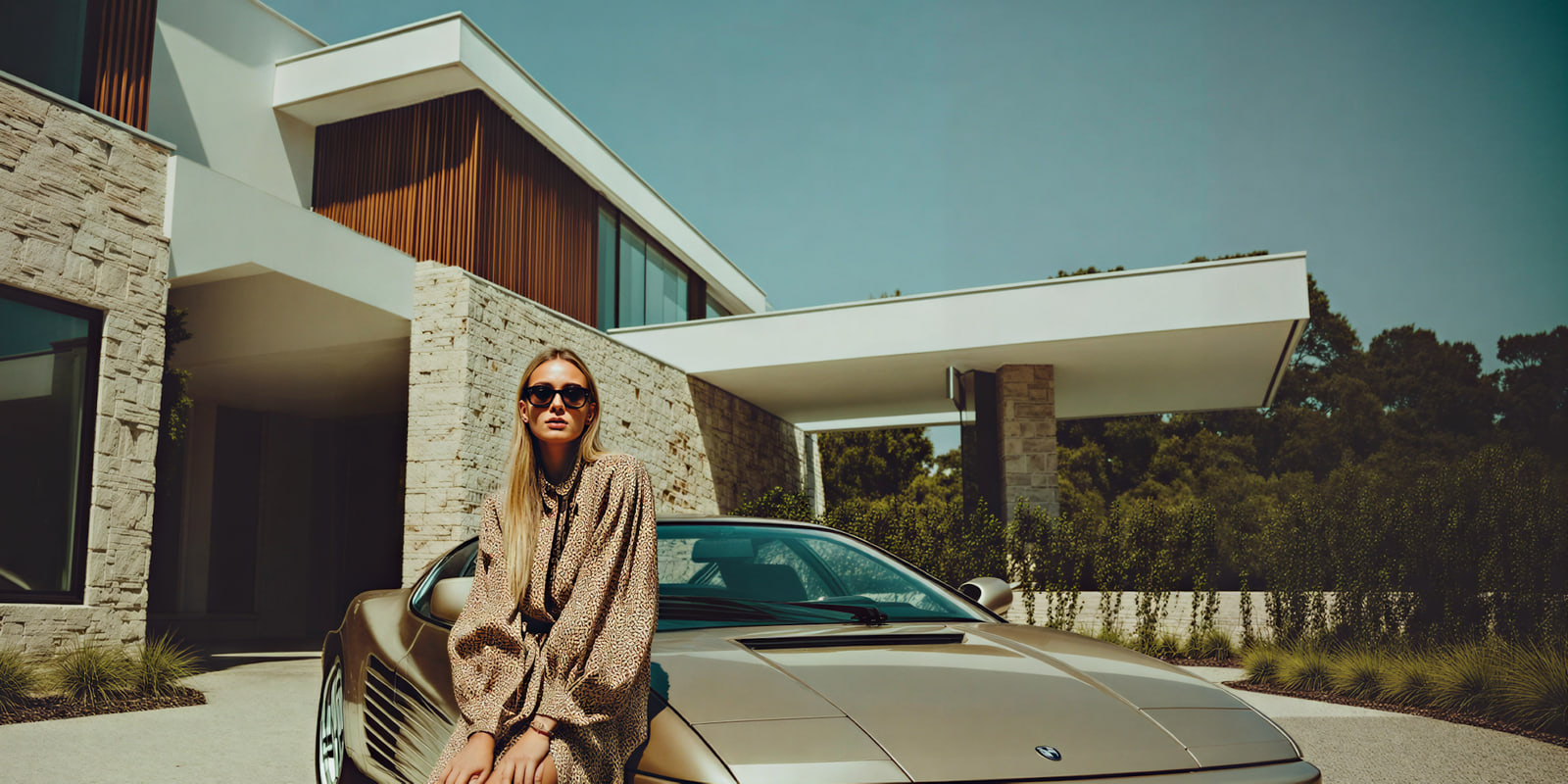
Car dealership photography in 2026: the 12 shots each vehicle needs, what AI may edit, Google's vehicle ad image rules and what each unlisted day costs.
A catalog photoshoot gives every product the same image set. Count products, colors, shots and channels first, then cut the count of 4,200 with three tiers.
ChatGPT shopping reads products from 3 sources. How a store gets shown in 2026, the 9 fields a product feed needs, and why the sale ends on your own site.

Holiday product photography without a reshoot: which image slots allow a seasonal scene, how many images you need, and a dated plan for Black Friday 2026.
Magento product images fill 4 roles and pass through two resizes. The default 1920 by 1200 upload cap, the role sizes, CSV import and the master to shoot.
The Mavely app is now Later Creator. How links, commissions and payouts work, why pay arrives 30 days after each cycle, and the $10 minimum for creators.

PrestaShop AI has 3 layers: the MCP Server for AI chats, modules for text and images, and context files for developers. What each does and where it stops.
A product photography checklist with 30 checks in six stages, from the source photo to the live listing. 10 are answered once and 20 repeat for every product.

Shopify bulk upload images: 4 routes, from 20 files on the Files page to a 15 MB product CSV. Pick the route by image count and avoid 6 import errors.

Shopify product page optimization, field by field: 9 fields, the limit Shopify sets on each, what Google reads, and the images one source photo can make.
Social commerce on TikTok Shop, Instagram Shop and Facebook Shop: where checkout happens on each, the image rules, and one 9-image set that fits all three.
The TikTok Shop affiliate program needs 1,000 followers and age 18 in the US. How commission, samples, the 30-day pilot and the AI content rules work.
VTEX product images must be 600 to 5,000 px and 300 KB to 4 MB. The square master to shoot, how VTEX resizes it, and how to import a catalog by spreadsheet.
WooCommerce import product images: 4 routes, from the product screen to a CSV with one Images column. The rules WooCommerce states and 6 errors to avoid.
Ad visuals made with AI match human-made ones on clicks across 369 million impressions. When to use AI, stock or a shoot, plus specs and 5 checks.
AI advertising tools sorted by 5 jobs: research, copy, creative, buying and measurement. The free tools inside Meta, Google, TikTok and Amazon come first.
AI image prompts for advertising: 24 copy-ready prompts in 8 ad formats, the 6 parts each one states, and the placement sizes Meta and Google publish.
Can I use AI generated images commercially? Yes, if the tool's terms allow it. 6 rights checks that compare AI images with stock photos before an ad runs.
How to make AI images for paid social campaigns: the 5 files each concept needs, image specs for Meta, TikTok, Pinterest and LinkedIn, and AI label rules.
B2B ads by buying stage and channel: LinkedIn, Meta, Google and YouTube specs, award-winning 2026 examples, and why LinkedIn asks for 4 to 5 ads per campaign.

Build vs buy AI for creative work: an image lists from $0.014 at the model's API. See the 7 parts you build around it, 3 model shutdowns and a decision table.
Bulk image editing applies one edit to hundreds of product photos. The 12 common edits split into two kinds: 7 a script can check and 5 a person must see.
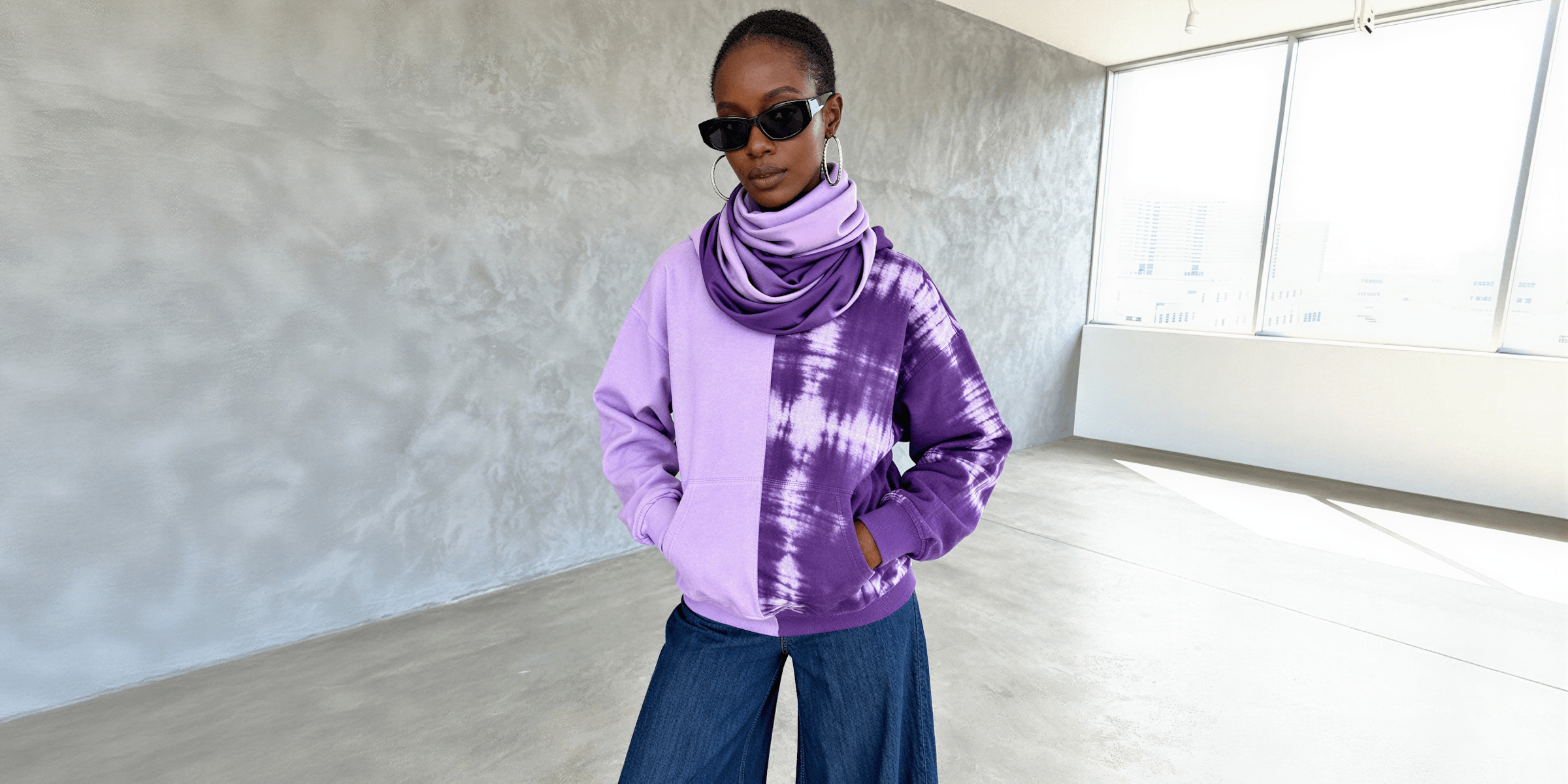
Claid AI review for brands and agencies: the web app, the API and the done-for-you service, what Claid says about data and security, and 5 alternatives by job.
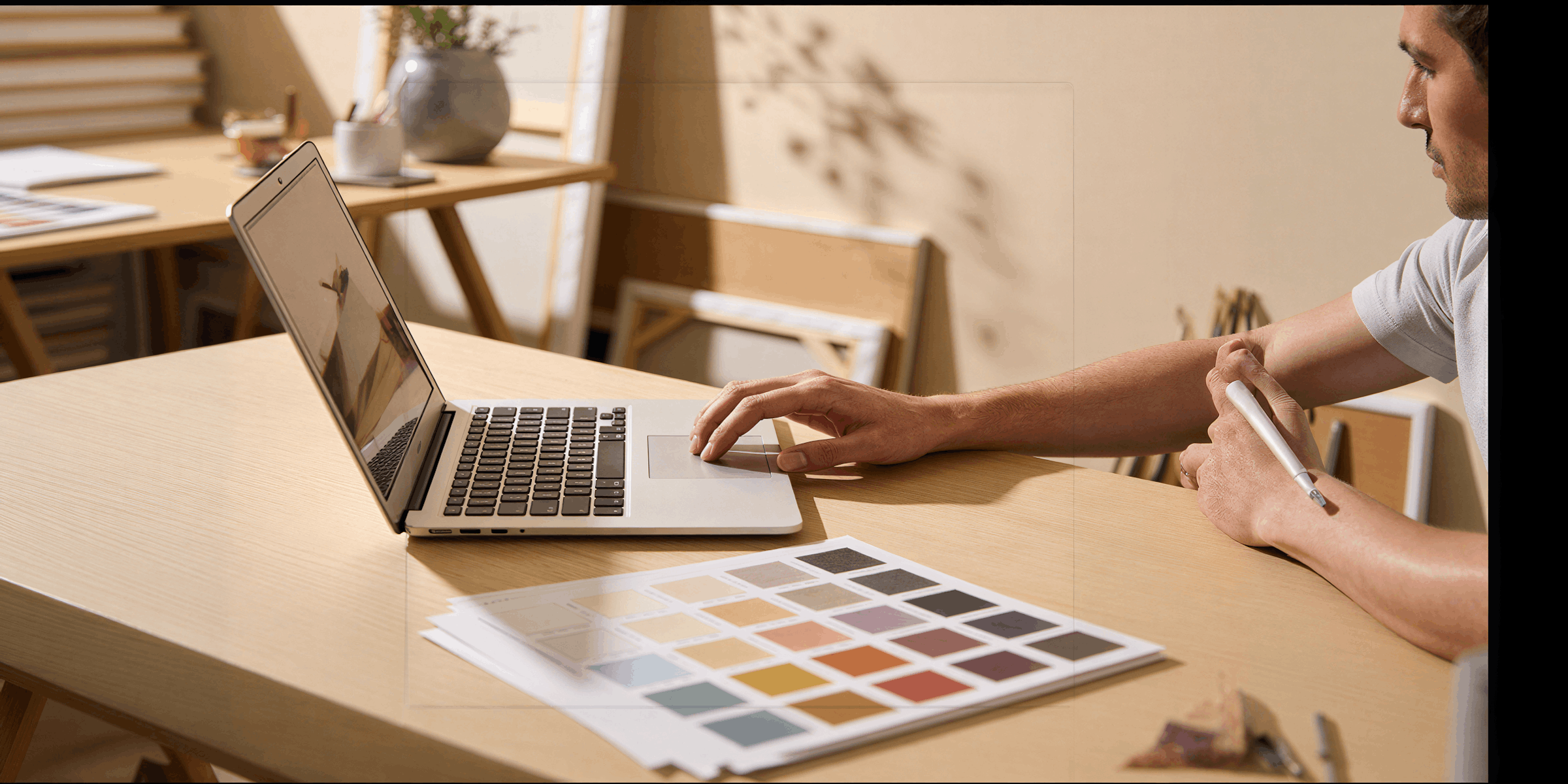
Create product images with AI from one 6-line brief. Google, OpenAI and Black Forest Labs agree on 4 prompt rules and split on 3. Examples and checks inside.
Creative assets are the files that make up an ad. See the types, the two layers, why one Google campaign takes up to 60 images, and 5 checks to run.
Ecommerce advertising in 2026 runs on 5 channels. See what Google, Meta, TikTok Shop, Amazon and Pinterest automate, and the 2 inputs your store still supplies.

Google Pomelli is a free Google Labs tool in 202 countries and territories. What Photoshoot makes, its 6-template limit, the usage cap and what Google omits.
GPT Image 2 API pricing per image, from $0.005 to $0.211, what GPT Image 2.5 changes, and the four limits OpenAI lists before you build a product catalog on it.
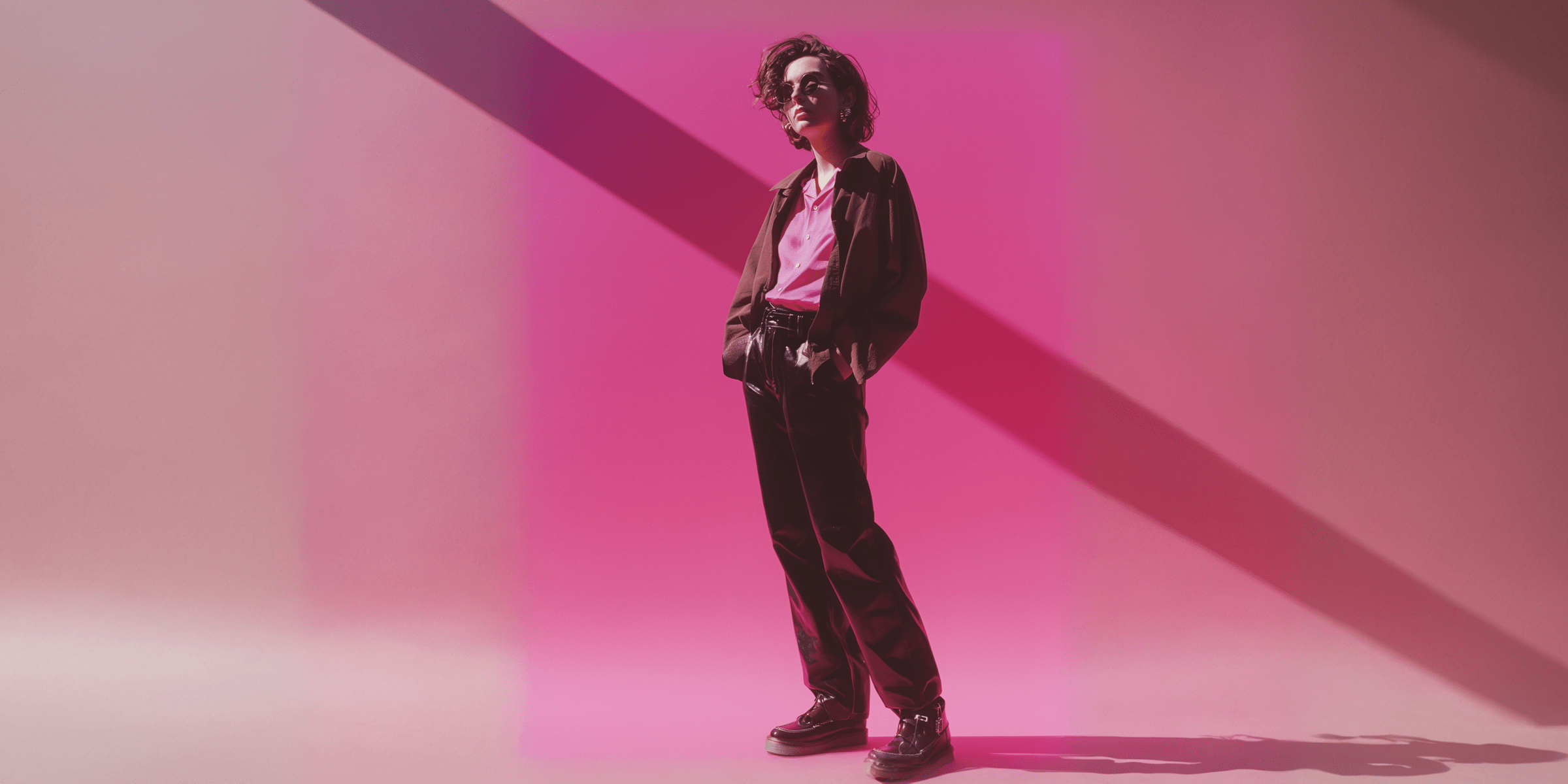
Higgsfield AI review for brands and agencies: what each studio makes, who owns the results, the default training clause, what Unlimited covers and 7 checks.

How to make an ad in 7 steps: offer, message, format, visual, copy, review rules and a test. Where AI helps at each step, and the 4 jobs it cannot do for you.
Image ads on Meta, Google, LinkedIn, TikTok and Pinterest: the specs from each help page, when 1 image beats a carousel or video, and the AI label rules.
Nano Banana Pro vs Nano Banana 2 for product photos: Google's prices from $0.067 per 1K image, 10 object references against 6, and the shots each model fits.

A product photography workflow has six stages. See which stages to automate, which to keep manual, and the one test that decides it for a 200 product drop.
Visual commerce is every image, video and 3D file a shopper uses to judge a product. The 6 formats, the platform rule for each, and the files per product.

AI creative direction decides what stays fixed and what varies across a set. We grade the 18 defaults that make work look AI by the evidence behind each one.

How to pick an AI image generator Chrome extension: 3 kinds compared, 6 checks before you install, and how to see what an extension can read on your pages.
AI influencer marketing for brands: test 3 to 5 AI characters on one script, read cost per purchase, then keep one character and label it where rules ask.
How to make AI product ads that keep the real product: what AI may change, 5 checks before launch, and the AI label rules on Meta, TikTok and Google Ads.
AI tools for dropshipping sorted by job: 14 tools for product research, store setup, copy, images, ads and support, plus the check each result needs first.
A bulk image generator makes hundreds of images from one list. Compare prompt lists, API batches and one workflow over a 200-row sheet, then pick the right one.

ChatGPT MCP in 5 steps: open Plugins, add a custom MCP server, sign in, install the plugin, and choose which tool calls ChatGPT must confirm before they run.
Content scaling for brands: why one product becomes 24 files, the five steps that keep hundreds of images and ads on brand, and how to measure each run.
An agency workflow runs in 7 stages, from intake to the monthly report. See where the hours go on fixed-fee work and how to template the jobs you repeat.

Creative strategy for Meta and TikTok ads: a 6-step weekly loop, what Meta says about distinct creative, and how to turn a winning ad into a repeatable system.
7 ecommerce product video frameworks, each with a beat sheet in seconds, the buyer doubt it answers, and the placement it fits: PDP, Reels, TikTok, Amazon.
Figma AI tools sorted by job: the agent, Make, 12 on-canvas tools and Weave, plus the plugins that add screens, code, product images and video to a file.
Food advertising rules in the US and UK, where food styling becomes misleading, and 6 food and drink ad formats, with the check each one needs before launch.

Video conversion rate, checked: Amazon data shows 9.7% to 24% more sales from a product video, not 5x. Where the famous numbers come from, and how to test.
Static ad examples in 30 formats, from receipt ads to tier lists. What each format copies from the feed, and the Meta, TikTok or FTC rule it has to pass.

Supplement advertising rules in one place: what the FTC, FDA, Meta, Google and TikTok let an ad claim, and 8 ad formats that work inside those rules.
Wellness branding in 3 stages: one promise, a short list of motifs, and a rule for every touchpoint. Plus the 2 US rules that limit what you can promise.
White label content for creative studios: sell image and video sets under your name, price each set for margin, and run 4 rights checks before you sign.
An AI fashion editorial needs five kinds of frame. We sorted 14 tools by the frames each fills, whether it starts from your real garment, and the label rules.
AI fashion photography ROI lands between 2x and 13x on honest inputs, not 500x. Three numbers decide it, and a worked model shows when the switch breaks even.

Make AI ghost mannequin photos from a flat lay, hanger or on-model shot: what the AI invents from each photo, 6 checks before it ships, and where it can run.

AI lifestyle photo generators compared by how they build the scene, plus where each image may go: Amazon allows a lifestyle main image for only 6 product types.
An AI mascot stays the same across campaigns only if you build a model sheet first. Prepare references, write the prompt, choose remix or your own art.
An AI outfit generator puts several garments on one model. We compared 10 brand tools and checked where an outfit image may run on Amazon and Google.

AI prompts for clothing product photos: 20 copy-ready prompts for packshots, on-model shots and flat lays, each with a keep line that holds color and print.
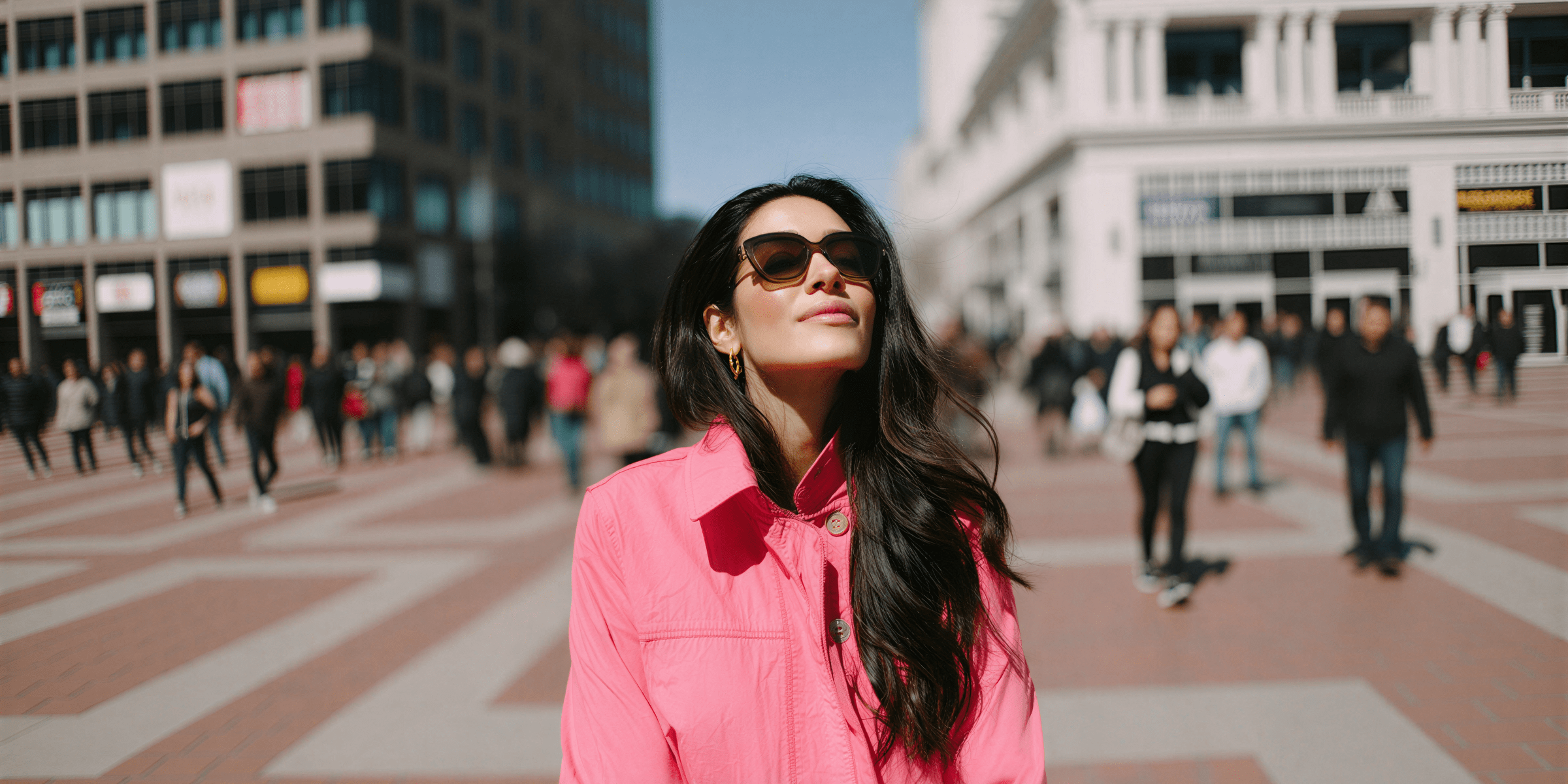
AI video generator for Instagram, for clothing brands: 4 ways to turn a garment photo into a Reel, the Reels specs and safe zones, and when Meta labels AI.
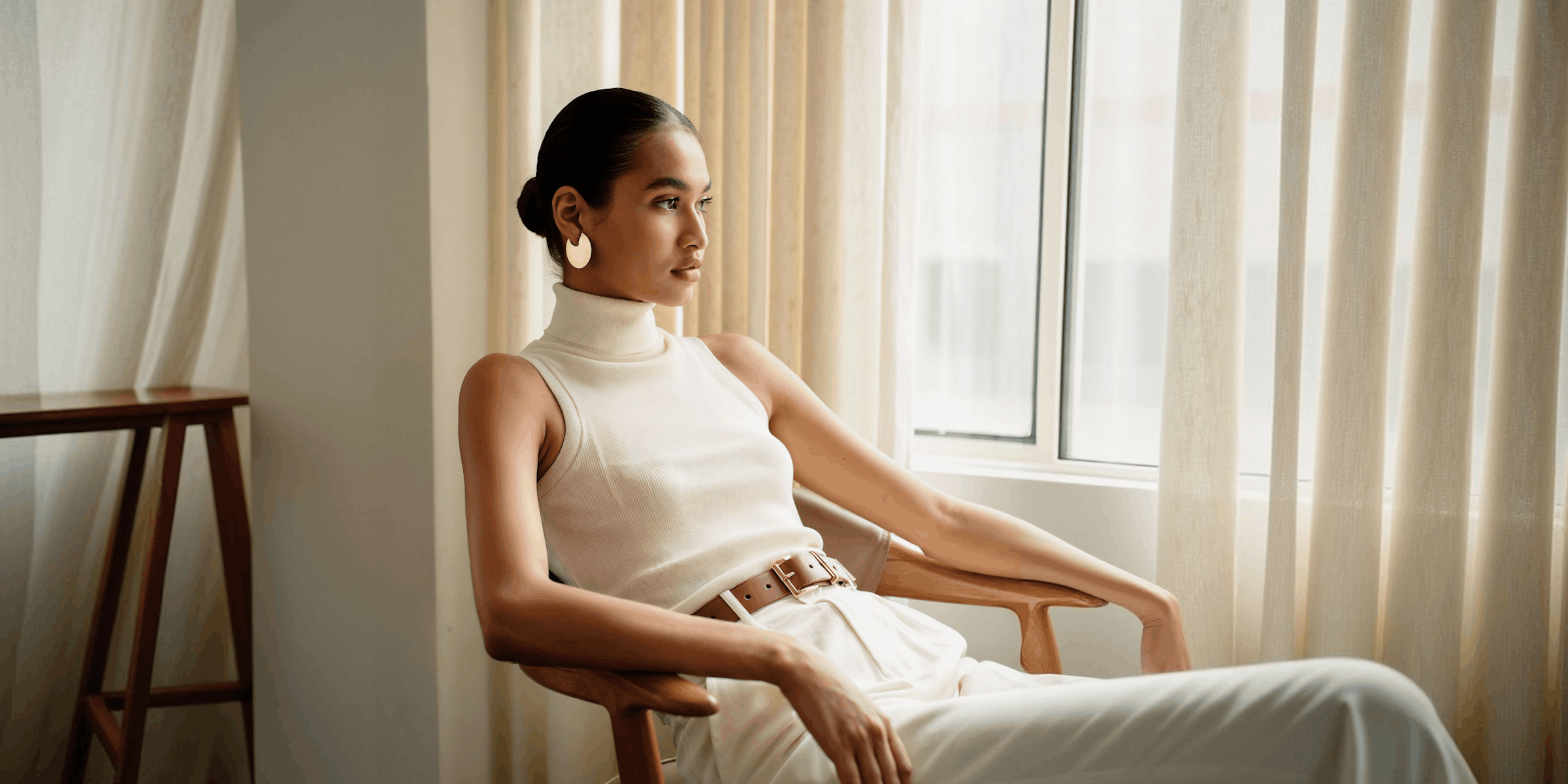
The best AI clothes changer for product photos: 16 tools compared on where the new garment comes from, whether your photo is kept, output size and rights.
Best AI fashion photography tools: 15 compared by job. On-model shots from a flat lay, one model for a whole drop, back views and video. What to test first.
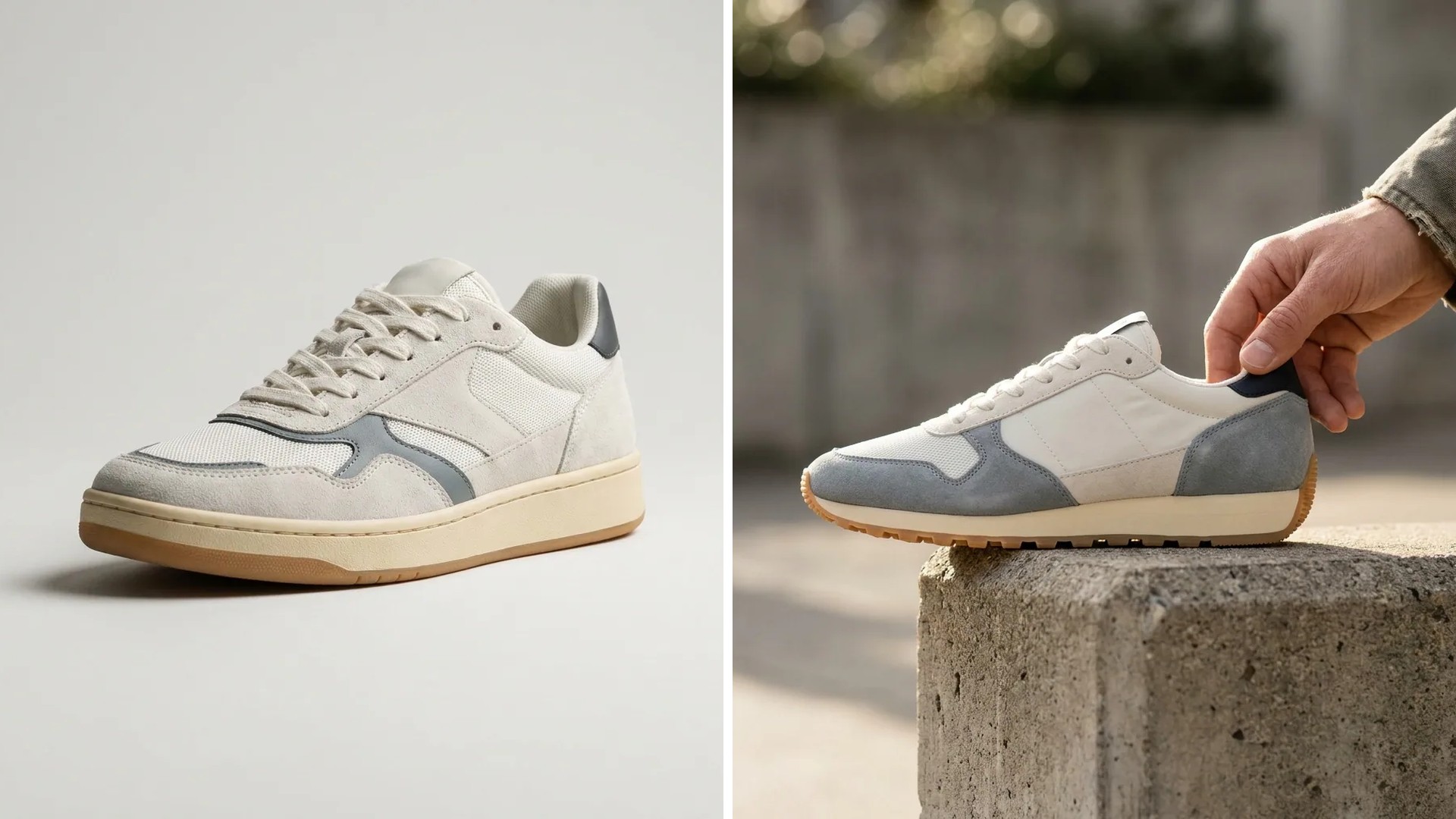
AI footwear product photography tools sorted by the listing slot each fills. Amazon wants one shoe facing left at 45 degrees, 85% fill. What to test first.

AI jewelry product photography tools sorted by the listing slot each can fill. Amazon wants the piece at 80% on white with no model. What to test first.
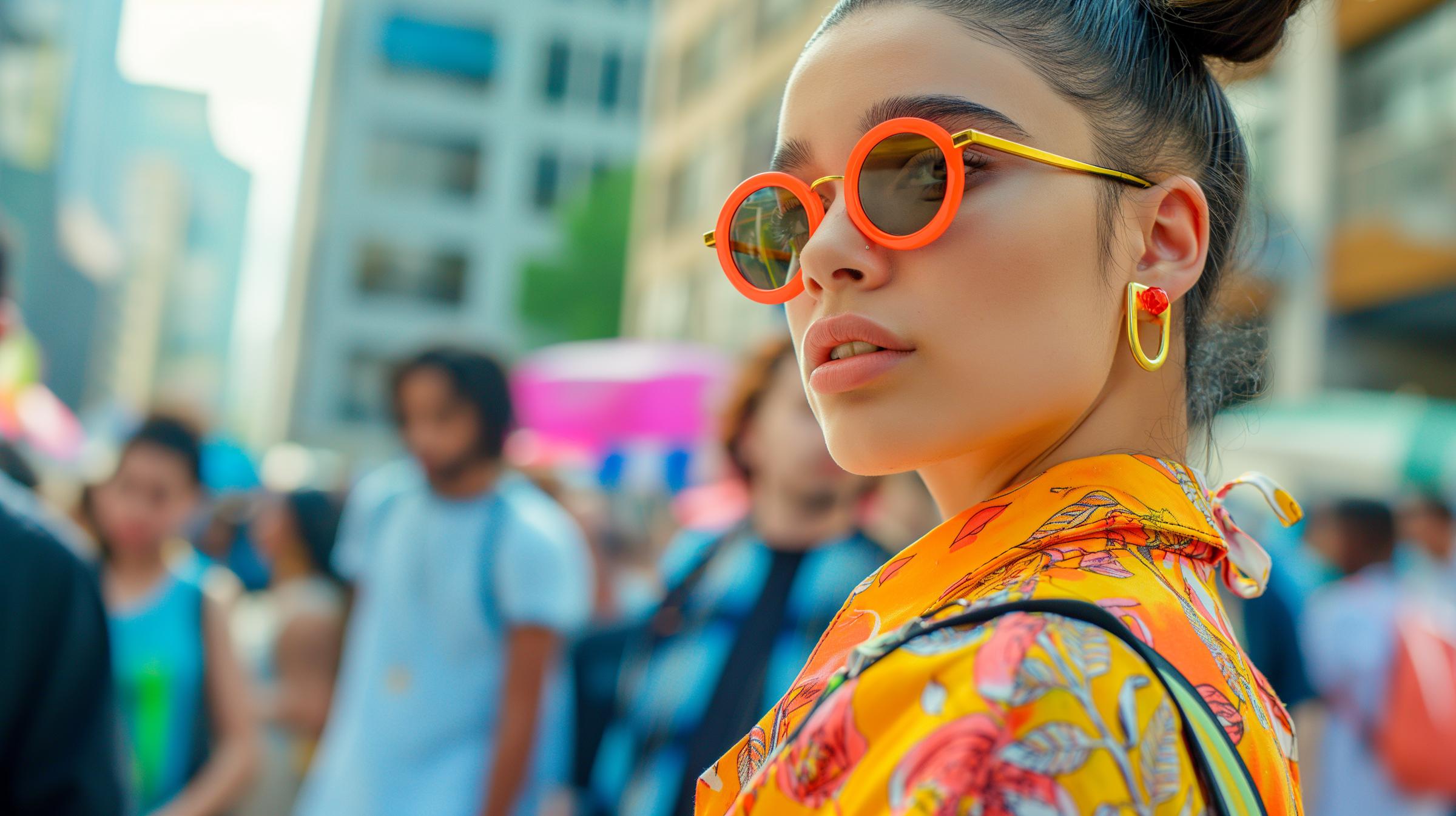
Best AI on-model photography tools: 13 sorted by what the model wears or holds, from clothes to shoes, jewelry, eyewear, bags and hats. What each one excludes.

AI swimwear and lingerie photography tools: 10 sorted by input and slot. Amazon wants a model, TikTok Shop US a mannequin, and AI models filter sexual content.
How to choose an AI virtual model for a clothing brand: set the face, the size range and the realism per slot from your own data, then run 2 tests first.
Plan a clothing brand photoshoot in 8 steps, from the shot list to delivery. Which shots need a camera, which AI tools fit each step, and the consent rules.
Clothing brand video maker guide: 8 tools sorted by the job, making footage from a garment photo or editing what you filmed, plus a 6-point motion check.
Consistent product images need 6 layers held fixed: background, light, framing, color, styling and export size. We map 9 tools to the layers they fix.
A digital lookbook needs AI tools for the images and a maker for the book. 12 tools sorted by job, the steps to build one, and where the AI label goes.
Fashion business automation tools sorted by the count each one works on: 30 styles, 120 colorways or 720 SKUs. What to automate first, and what needs review.
8 fashion videography techniques for clothing brands: a five-shot list per garment, frame rate and shutter settings, light for each fabric, and when AI helps.
How to make AI video for a clothing brand in 7 steps: plan three videos per garment, approve the still, animate it, add captions, then export and label it.
Photoroom vs Canva for product photos: 12 listing jobs, which tool covers each, the free plan license trap, and bulk edits on up to 250 and 50 images.
The best Shopify apps for clothing stores, sorted by 7 jobs: photos, fit, returns, search, reviews, support and email. Start with the AI Shopify gives free.
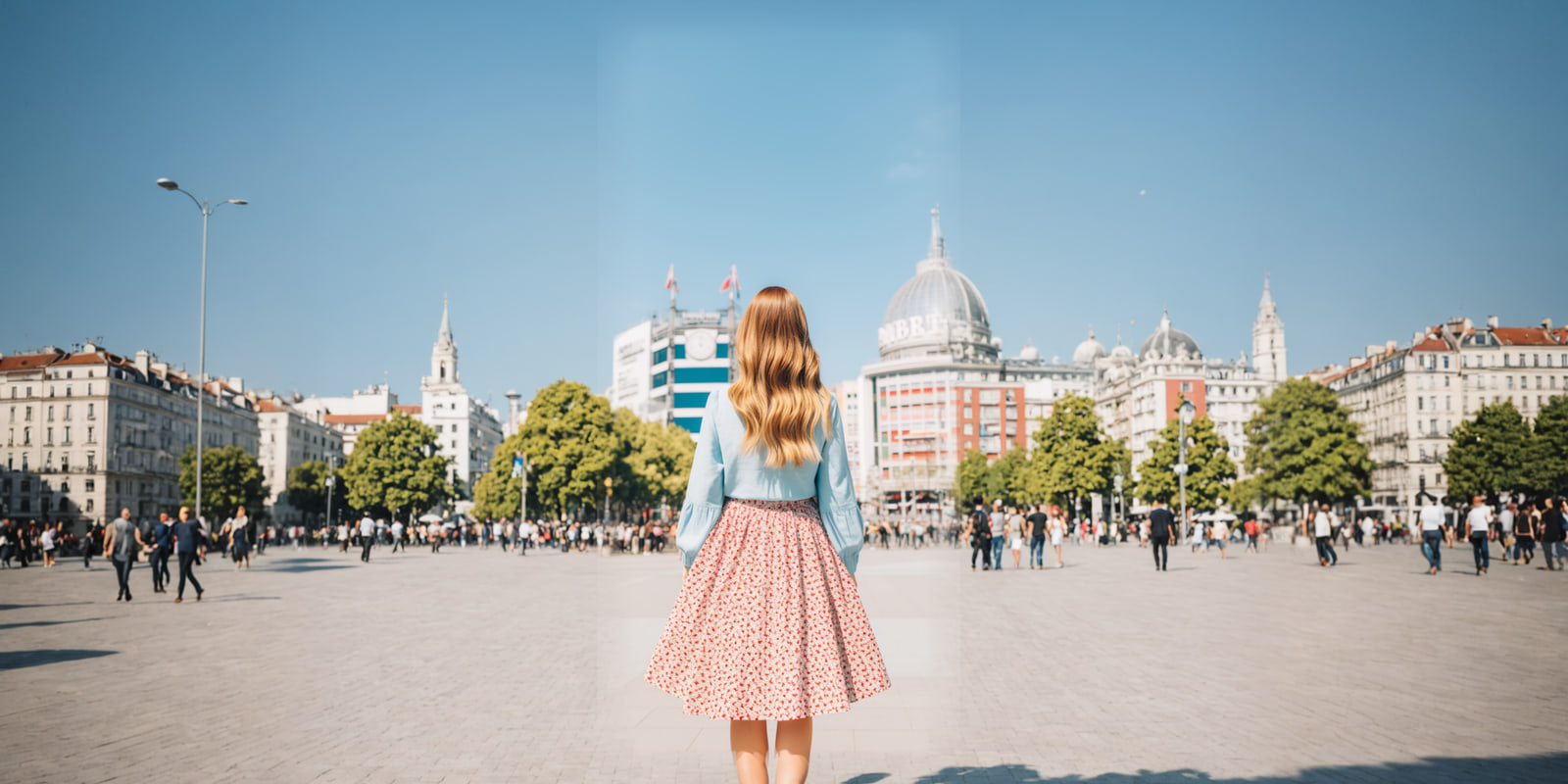
Social media marketing for clothing brands, planned per drop: the platforms, the 5 posts each garment needs, creator disclosure rules and AI labels by platform.

Sora alternatives for each video job after OpenAI removed Sora 2 from its API on 24 September 2026, with vendor specs, prices and a 7-step migration list.
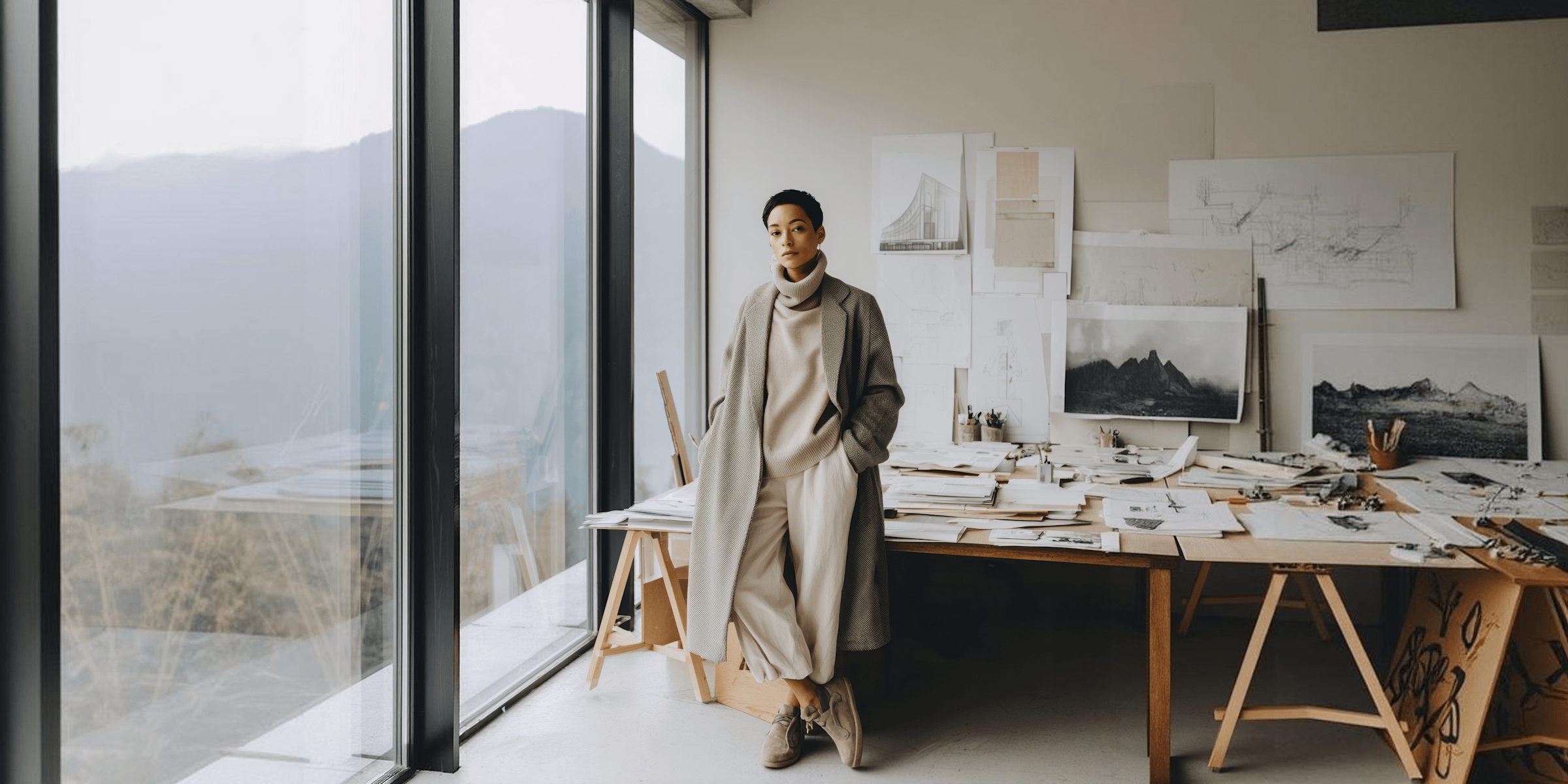
Start a clothing brand in 8 steps, with the app for each: name, design, tech pack, sample, labels, store and photos, sorted by how your clothes are made.
A virtual try-on video puts your garment on a model, then animates the still. Which of 4 garment photos each motion needs, and 6 checks before it ships.
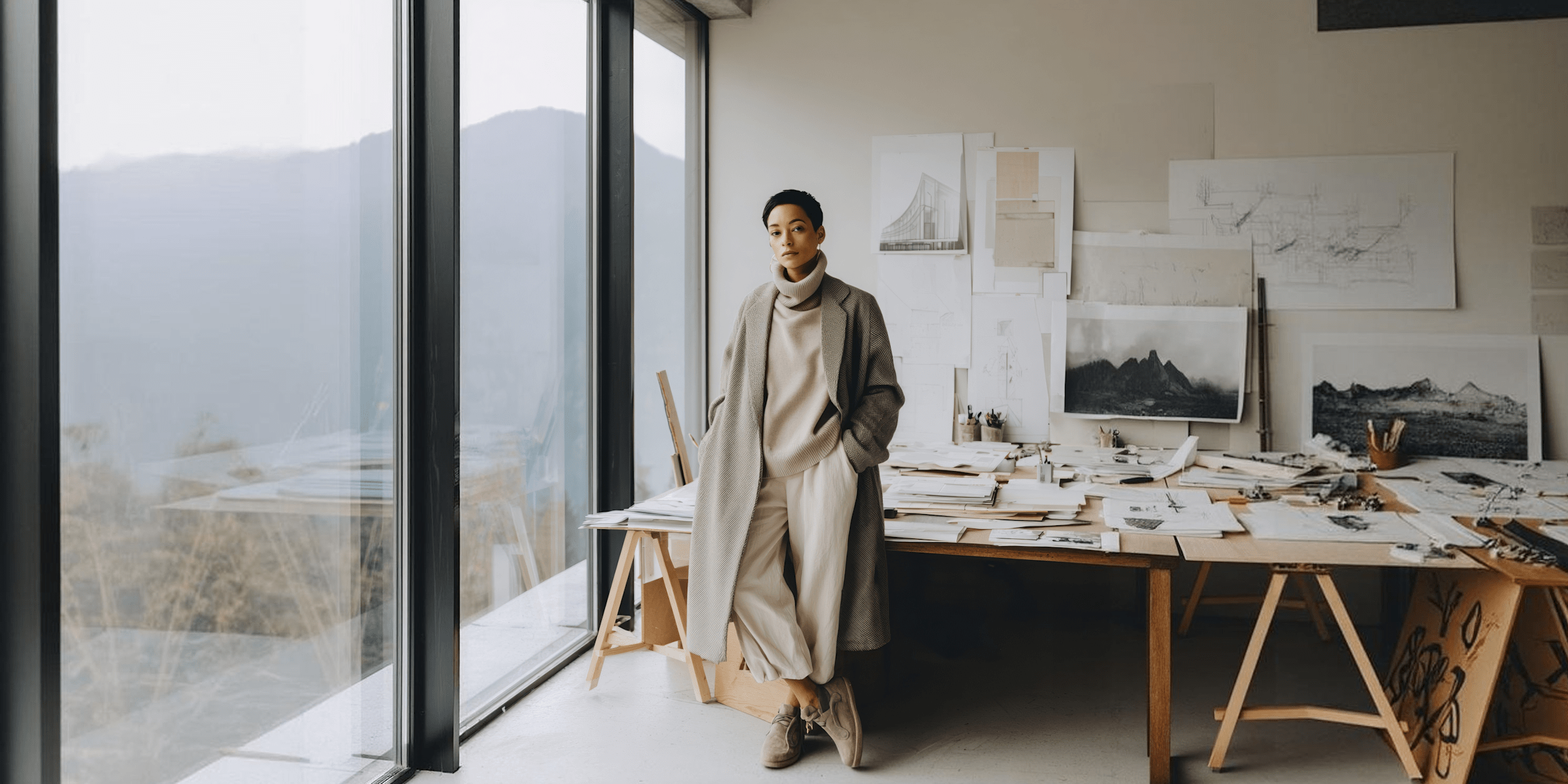
5 WearView alternatives for on-model fashion photos, sorted by the job each one fits: Botika, FASHN, Photoroom, Snappyit and DesignerBox, and when to stay.

5 Adobe Firefly alternatives matched to 8 team types, from agencies to solo founders, plus where Adobe says its commercially safe claim stops.
AI Creative Production is the new DesignerBox newsletter for ecommerce teams, with 5 free issues so far on image specs, agent setups and pre-publish checks.
Seven Artlist alternatives compared by job: music and SFX, stock footage, or AI generation. Vendor features checked September 2026, with no prices printed.

Three products share the DaVinci name. Compare DaVinci AI with eight alternatives, mapped to the job your team repeats, with every claim sourced in 2026.

What Higgsfield's AI product photography page includes, where it leads, and seven alternatives compared by job. Features read in September and October 2026.

How often to post on social media, by platform, and the monthly total: four channels at the low end of each range is about 121 posts a month to make.

OpenArt alternatives: 8 tools sorted by the job you are replacing and the team you sit on, plus what OpenArt's own terms say about commercial use.
OpenArt vs Higgsfield compared on the 3 things that decide it: the API split, who may train on your work, and whether you can sublicense results to clients.
Runway alternatives sorted by the job you need done, with Gen-4.5 at $0.12 a second from Runway's own API docs, and what fits product and ad work.

A social media workflow for product brands: the 5 stages from brief to published post, who owns each one, and where the work stalls in practice.
AI social media marketing for small business: 47% of owners run it alone. What AI makes for free, what Meta, TikTok and YouTube label, and a weekly routine.
AI furniture product photography tools compared: 8 tools scored on the 5 shots a listing needs, which ones keep your piece, and Amazon's room scene exception.
Ecommerce automation tools compared across 9 store jobs, from order rules to product images, with a 3-question test for what to automate first.
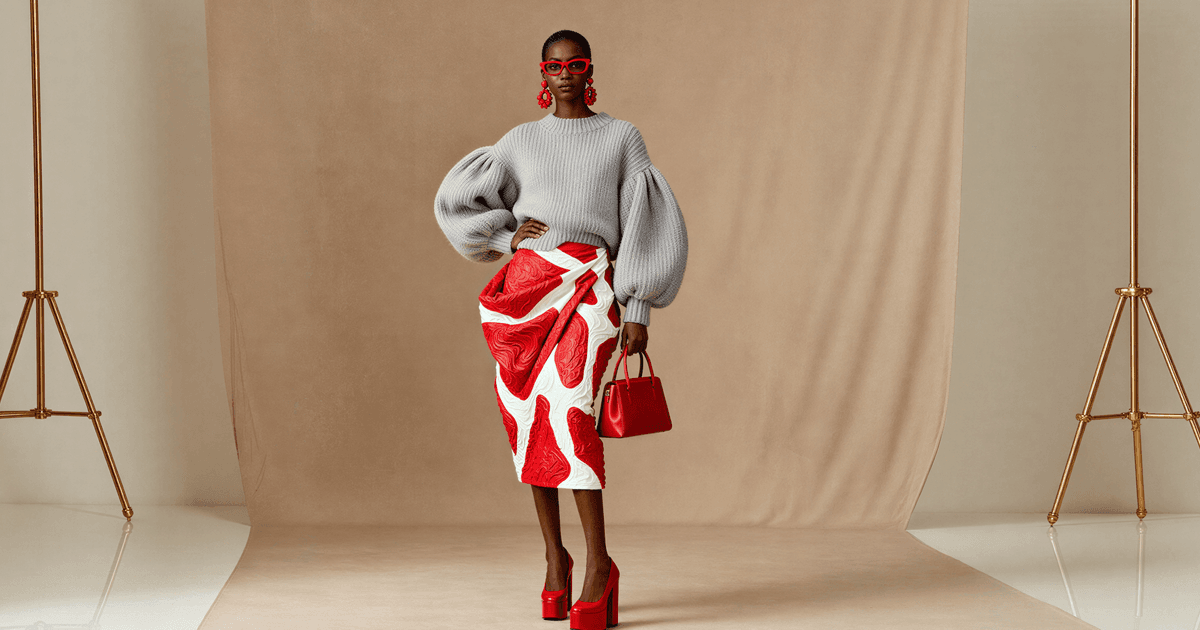
Video localization for fashion ads: captions, text, voiceover and dubbing. A short line can reach 3x its English length. What Meta and TikTok translate.

Make your AI agent creative: give Claude, Codex or an agent you built image and video models, creative jobs and your brand rules through one 74-tool connection.
Skills vs MCP: a skill teaches an AI agent how you work and costs about 100 tokens until used. An MCP server gives it tools. Why a creative agent needs both.

Affiliate creative assets keep every partner on one look. The 8 items a pack needs, who answers to the FTC for an AI image, and how to rerun it per product.

13 agentic marketing platforms compared by layer. Which ones orchestrate journeys, which buy media, and why only 2 of the 13 generate video themselves.
AI ad generator vs design software: how Adobe, Canva and Figma meter AI use, the 19 files one Google campaign needs, and which fits work that repeats.

AI digital marketing spans 6 functions, yet 84% of marketers call their campaigns generic. What AI does in each, where the cost sits, and where to start.
AI generated ads show no click-through disadvantage against human-made ads across 369 million impressions. They win only when viewers cannot tell they are AI.

AI image retry rate: a vendor-run 2026 benchmark put the best model at 29% first-pass fidelity. What that does to your cost per usable asset, and how to plan.

AI in advertising runs on 4 layers: buying, creative, measurement and disclosure. Who controls each, what the evidence shows, and which one you pay for.

AI marketing automation runs on 4 layers: data, decisioning, delivery and creative. Three run themselves. What the fourth costs, and why it stays manual.
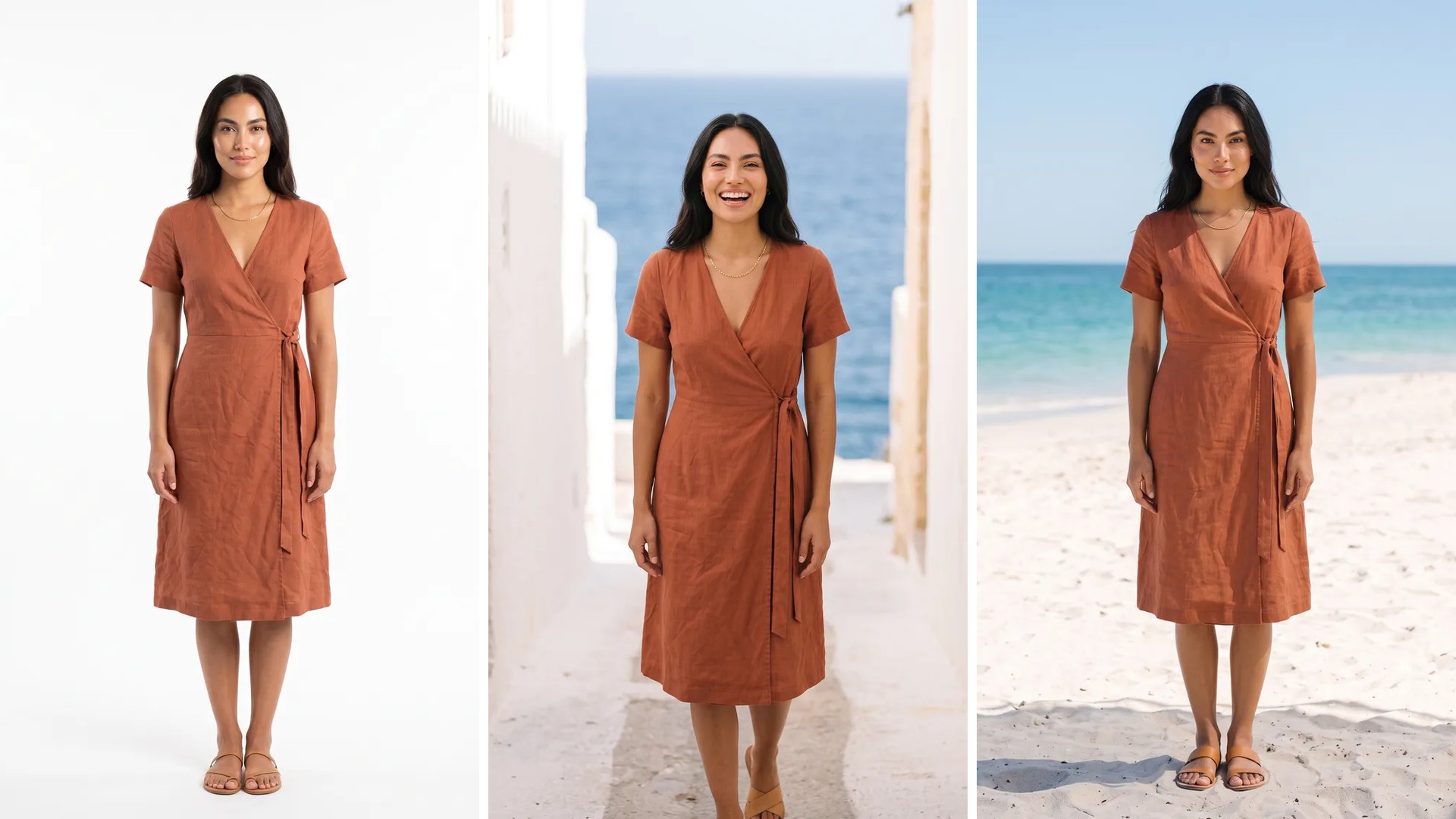
An AI photoshoot builds a listing set from one source photo. The step order, the cost of a run, and why Amazon wants the product to fill 85% of the frame.

The FTC says its rule does not ban AI UGC ads. It bans a claim of experience nobody had. The $53,088 penalty, what Meta and TikTok label, and what converts.
Eight Arcads alternatives sorted by what each tool does, checked on vendor pages in September 2026. Arcads publishes no price, and one now uses human creators.

Compare 10 AI marketing agents by the layer each one owns: orchestration, creative, publishing, lifecycle. 8 of the 10 document an MCP server you can call.
Can Claude generate images? Not by itself. A Claude AI image generator is Claude calling an image model over MCP. How to connect one, and the 2 bills you pay.
Claude for marketing covers 7 text jobs in Anthropic's own Marketing plugin, and none makes an image. What Claude does well, what it cannot shoot, and the fix.

A creative brief needs 6 fields. Copy the one-page template that cuts the third revision round, plus what to do when the feedback is 'make it pop'.
Flora AI is a node canvas running 50+ models. What it does well, when a saved workflow suits a team better, and 5 alternatives compared on how they bill.

Image licensing runs on four variables: media, term, territory and exclusivity. What a brand owns after a shoot, and why the renewal arrives at 40 PDPs.
SaaS ads on LinkedIn cost $200 per lead for image ads and $265 for video. The five formats that convert, the four layers inside each, and what a month costs.
Revision rounds: round three is unpaid on many creative contracts. What one round costs against a $30.27 median designer hour, and 3 clauses that cap it.
An unlimited graphic design service works on one or two requests at a time. How many items that delivers in a month, and the 3 questions that decide the fit.
Creative tool lock-in turns on 5 clauses: export, configuration, termination, free-tier output and notice. Where each one hides, and how to check your stack.
Dynamic creative optimization explained: how impression-time ad assembly works, what Meta and Google ask you to supply, and Google's $0.12 CPM serving fee.

Ad spy tools compared: 4 free platform ad libraries, 6 paid databases and what their tiers add, and why run length is not a performance number you can trust.

Static ads vs video ads: where each format wins, what Meta and TikTok placements accept, the 6 static shapes worth making, and a 4-week test month plan.
Most AI agent for ecommerce guides mean support bots. Here are 5 creative jobs a 200-SKU catalog hands to an agent, and what one full pass produces.
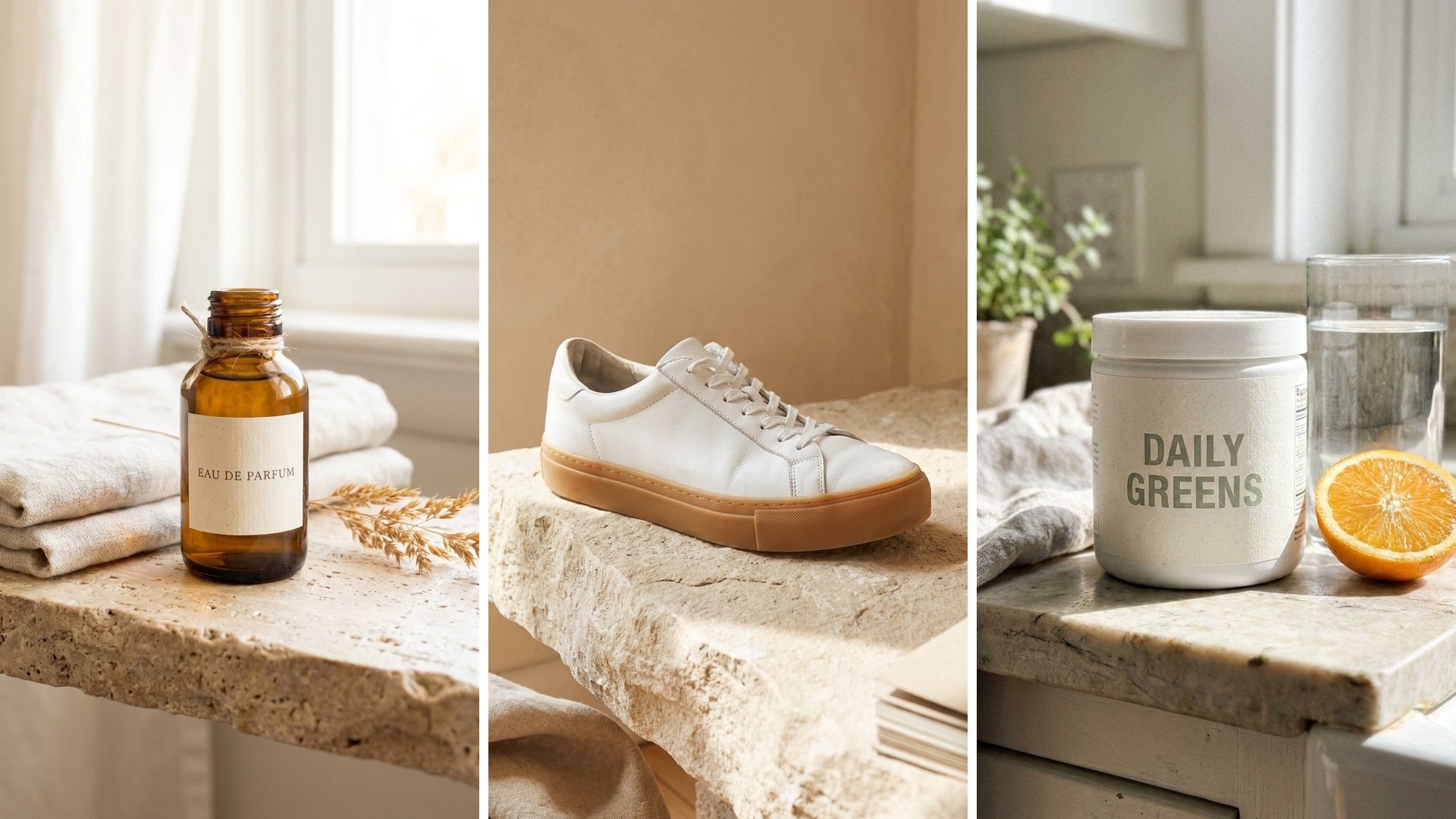
AI product photography examples: 7 shot types graded by one test. Did the model draw the product, or only the scene around it? What ships and what fails.
Ecommerce creative production has 4 costs that repeat on every asset. What to automate first, and why a 40% approval rate multiplies unit cost by 2.5.
How to take photos of clothes to sell online, under the rules of 6 resale platforms. Vinted allows no editing, eBay no watermarks, and 4 shots cover it.
Product ad examples that survive the channel: 7 ecommerce ad formats, the platform rule that breaks each one, and the 15% CTR lift measured on scene swaps.
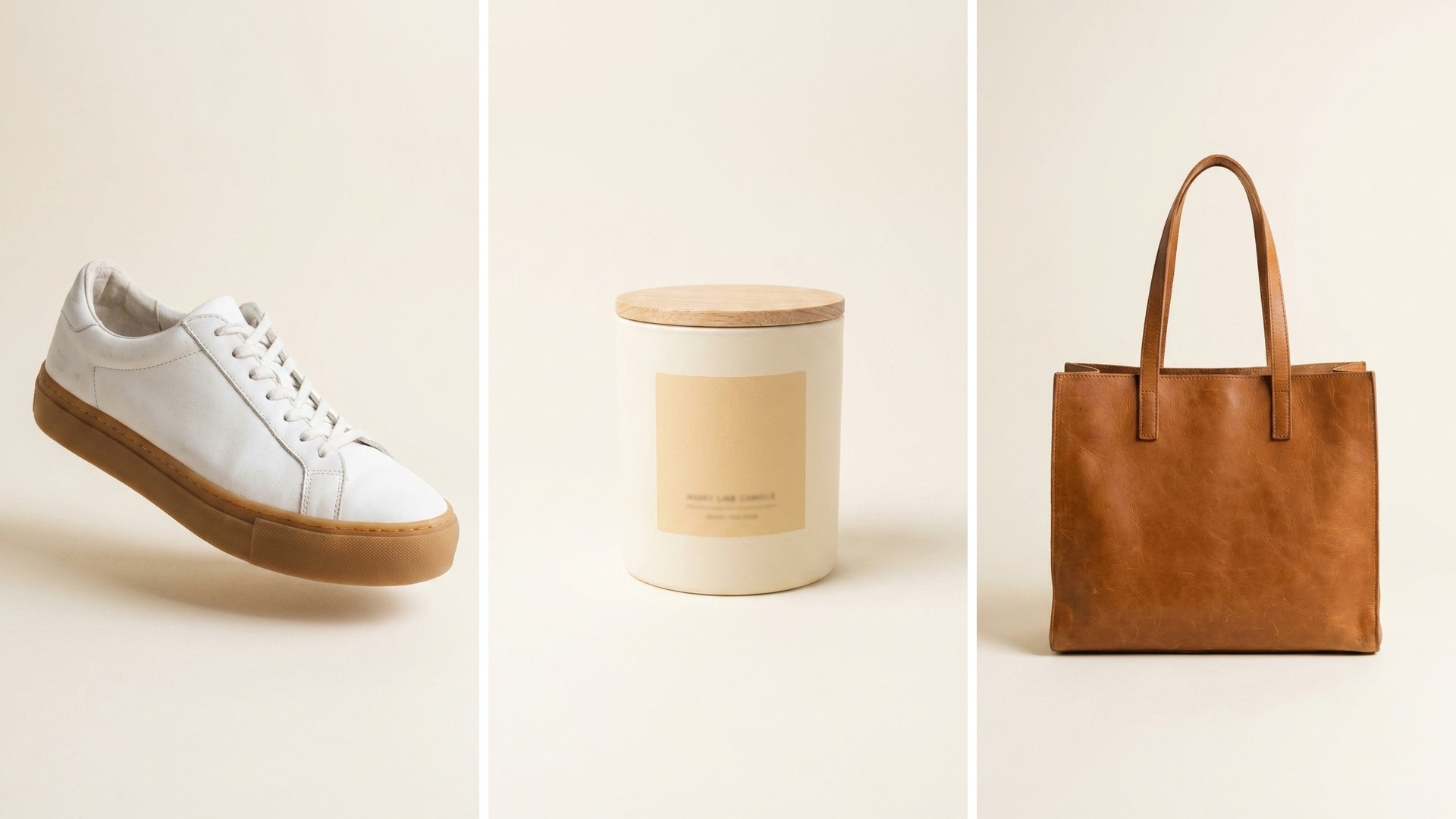
Shopify product images render on 5 surfaces, from the collection grid to checkout. Where every upload appears, what crops it, and the 6 shots to make.
AI dress photography covers campaign frames. Amazon fixes the main image: on a model, pure white, 85% fill. Which dress shots to generate, which to shoot.
Backpack product photography has to prove capacity. The 10-frame shot list, why the liter number omits pockets, and the Amazon main image rules.

Perfume photography: the 5-shot set a fragrance listing needs, why an EU product picture can be a legal claim, and the 2026 label change that dated archives.
6 TikTok product ad examples built from TikTok's own creative research, the safe zone rule most guides state wrong, and how to batch hooks you can read.
UGC style product photography is a format with a legal line. The 6 shots worth building, when a casual image becomes a testimonial, and what to disclose.
AI models for product photos: which products need a person and which need a hand. 42% of shoppers judge size from images. What Amazon allows in slot one.

AI real estate video marketing meets two rules first: Zillow documents no agent video upload, and California has regulated altered listing photos since 2026.
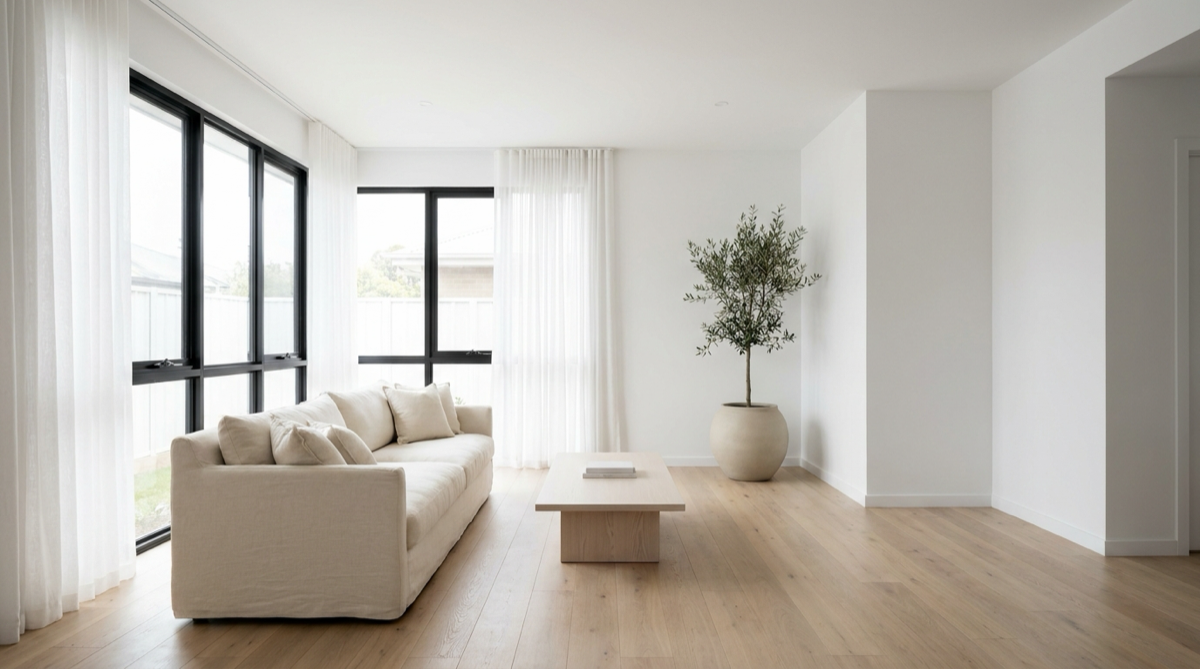
AI UGC video for real estate: 4 of the 6 standard formats can pass the fair housing, depiction and FTC testimonial rules. See which ones, and what to disclose.
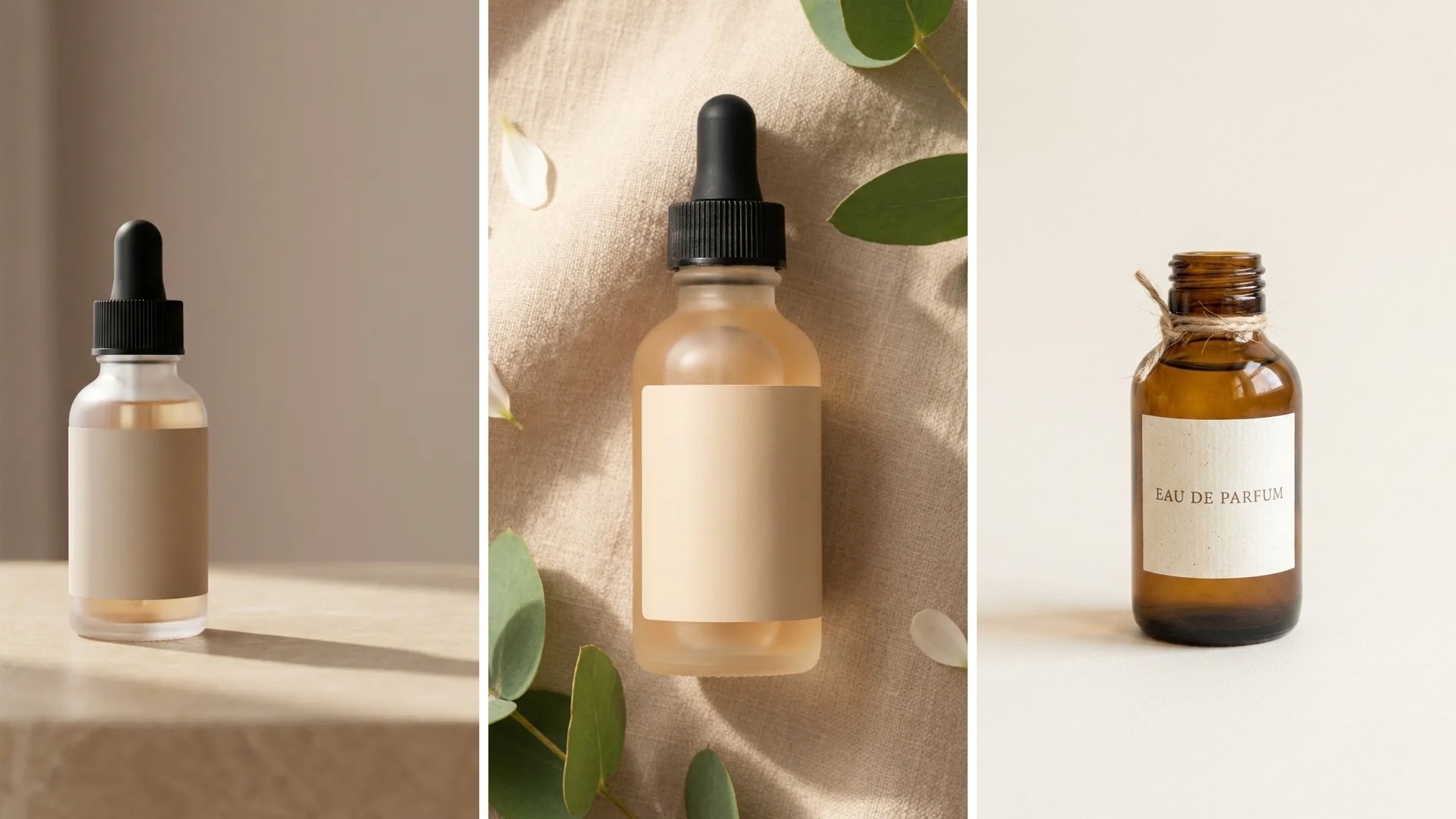
Bottle product photography: why the label is a regulated surface, the 7 frames a drink SKU needs, and where AI models break on glass and liquid.

A Claude AI video generator is Claude calling a video model over MCP. How the setup works, why one 8 second clip spans a 14x cost range, and where it breaks.
How to make a real estate video from listing photos without a shoot: 6 steps, the video length for each placement, and the disclosure rules for AI staging.

Real estate videographer cost runs $400 to $1,000 a listing. AI video runs on a subscription. The cost math, the coverage gap, and the disclosure rules.

Whatnot product photos must show the actual item with condition visible. Where AI photos are safe, where they cost you a bill-back, and the 3 sizes to export.

7 Canva alternatives sorted by the limit that sends teams looking: the AI allowance, the indemnity floor at 100 seats, the product photo and the seat math.
ChatGPT vs Gemini image generation for product shots: Gemini adds a visible watermark until you turn it off, and neither publishes a quota for a 40 SKU catalog.

DesignerBox alternatives: 11 tools compared on what each does well, video and try-on scope, team seats and models, and when a narrow tool is the better buy.
Editorial bag photography fails on weight, not styling. The 4 load tells that expose a generated frame, the 12 to 16 frame set a campaign needs, and the cost.

Home decor product photography sells on glaze, weave and grain, and a styled shelf hides size. The 2 failure modes, channel specs, and where shoot budgets go.
PrestaShop product images all come from one master upload. The ratio rule that stops white bars, the master size to shoot, and how to plan a 300 SKU catalog.

Sock photography: Amazon names socks as an exception to 3 main image rules, then a newer guide reverses it. The specs that apply, and where AI holds.

Supplement product photography: 3 rulebooks decide your image, and the panel shot has to resolve 6 point type. The shot list, the specs and the costs.

TikTok Shop product videos have 2 published file caps, 5MB and 10MB, for the same listing. Build to the smaller one. The specs, the bitrate math and the policy.
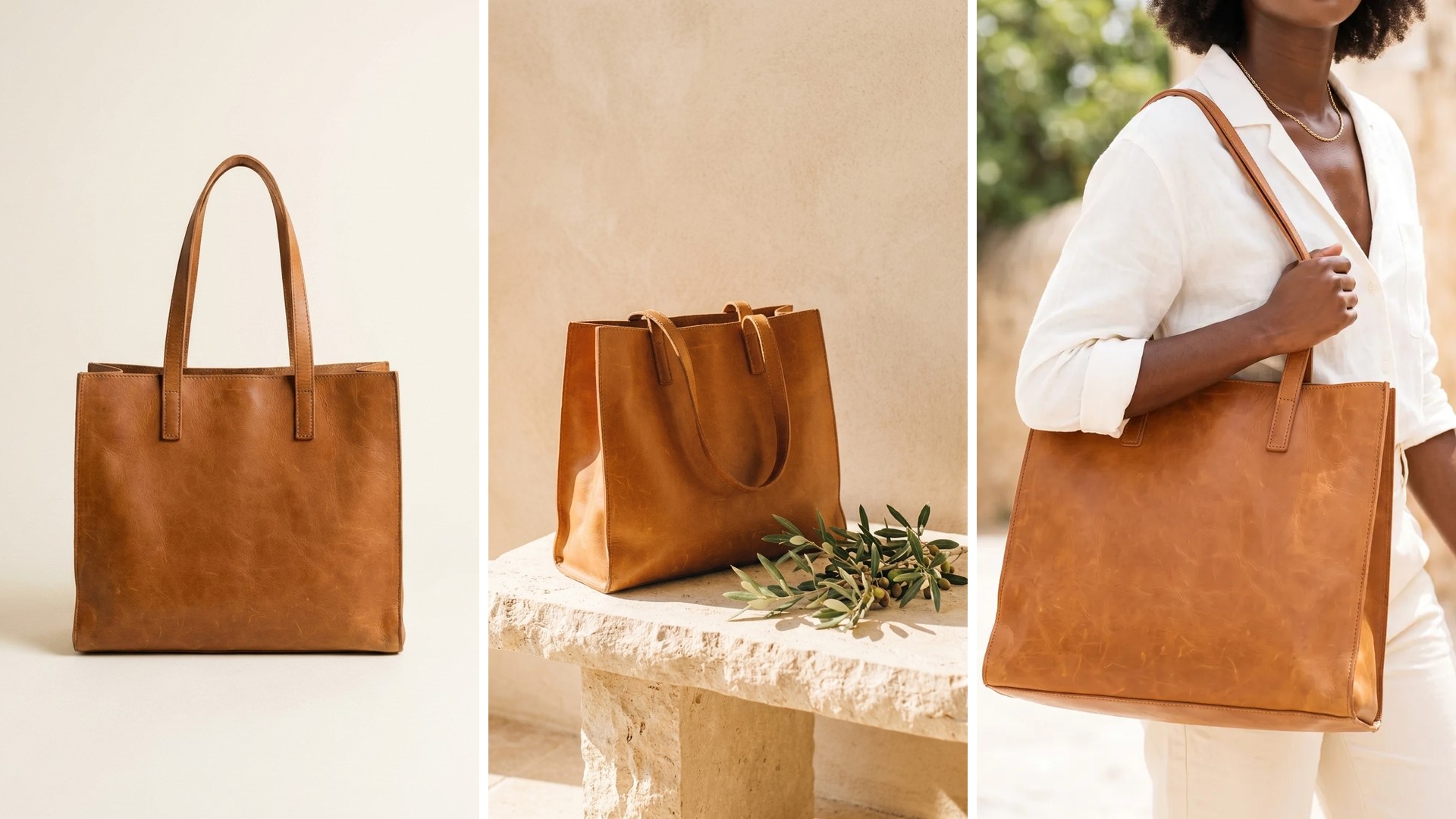
The 7 types of product photography, what each is for, and the platform rules that force them on Amazon, Google and Etsy. One source photo covers most of them.
WooCommerce product image size explained: the 3 registered sizes, why the grid crops but the main image does not, and how to fill a 200-SKU catalog.

AI content for LTK creators: what LTK allows, what breaks its rules, and how a brand supplies the images creators need for a 4 to 8 product post.
Edit AI-generated video into a finished ad: most models return 4 to 15 seconds a clip, so a 30-second spot is four to six clips cut, captioned and scored.

Etsy product photos must be original photos of the actual item, not renderings. The 20-photo specs, the 635px first photo, the three crops, and what AI can fix.
Furniture product photography needs room scenes you cannot shoot per SKU. Wayfair's 5 shot types, the dimensional shot most brands skip, and where AI breaks.
Poshmark listing photos at volume without a studio: fix bedroom lighting, clear the background, show fit on a body, and keep a 100-item closet consistent.
Your source product photo decides the whole set. The 4 things one frame has to get right, so the angles, scenes and videos made from it match your product.

A streetwear drop campaign starts 3 weeks before the drop, often before the stock arrives. The 4-stage countdown, what each asset proves, and where AI stops.
Sustainable fashion photography for made-to-order and deadstock labels: shoot a full range from 1 sample, and the green-claims rules that limit what images say.

How to make YouTube thumbnails with AI in batches: YouTube tests 3 per video, so make 3. The current specs, the disclosure exemption, and how to keep a look.

AI fashion photography at scale is priced by review, not per image. Measure first-pass acceptance in an afternoon, and the review math on a 1,000-SKU run.
AI fashion video is sold as a returns fix. No controlled study shows it. What the evidence measures, and what a clip costs against a $2,500 crew day rate.

AI product images for Shopify: 2,048 variants per product, media capped at 250. What that math means for your galleries, and where the free editor stops.

AI product listing images: how many slots Amazon, Etsy, eBay, Walmart and Shopify show, the main-image rule on each, and the 7-shot set to make first.
Apparel branding is settled before the shoot. The 6 decisions to lock first, what the 23% claim proves, and the 100 to 150 assets a 12-SKU drop needs.
Best AI product photography tools for Amazon: 9 tools sorted by the listing slot each fills, with Amazon's main image rules on pure white and 85% fill first.
Can I use AI photos on Shopify? Yes. Shopify has no AI photo rule. The 3 rules that bind your store come from Google Shopping, Meta ads and the EU AI Act.

Ecommerce product photography specs for five channels. Amazon wants the product filling 85% of the frame, and one 2,200 px master file clears all five.
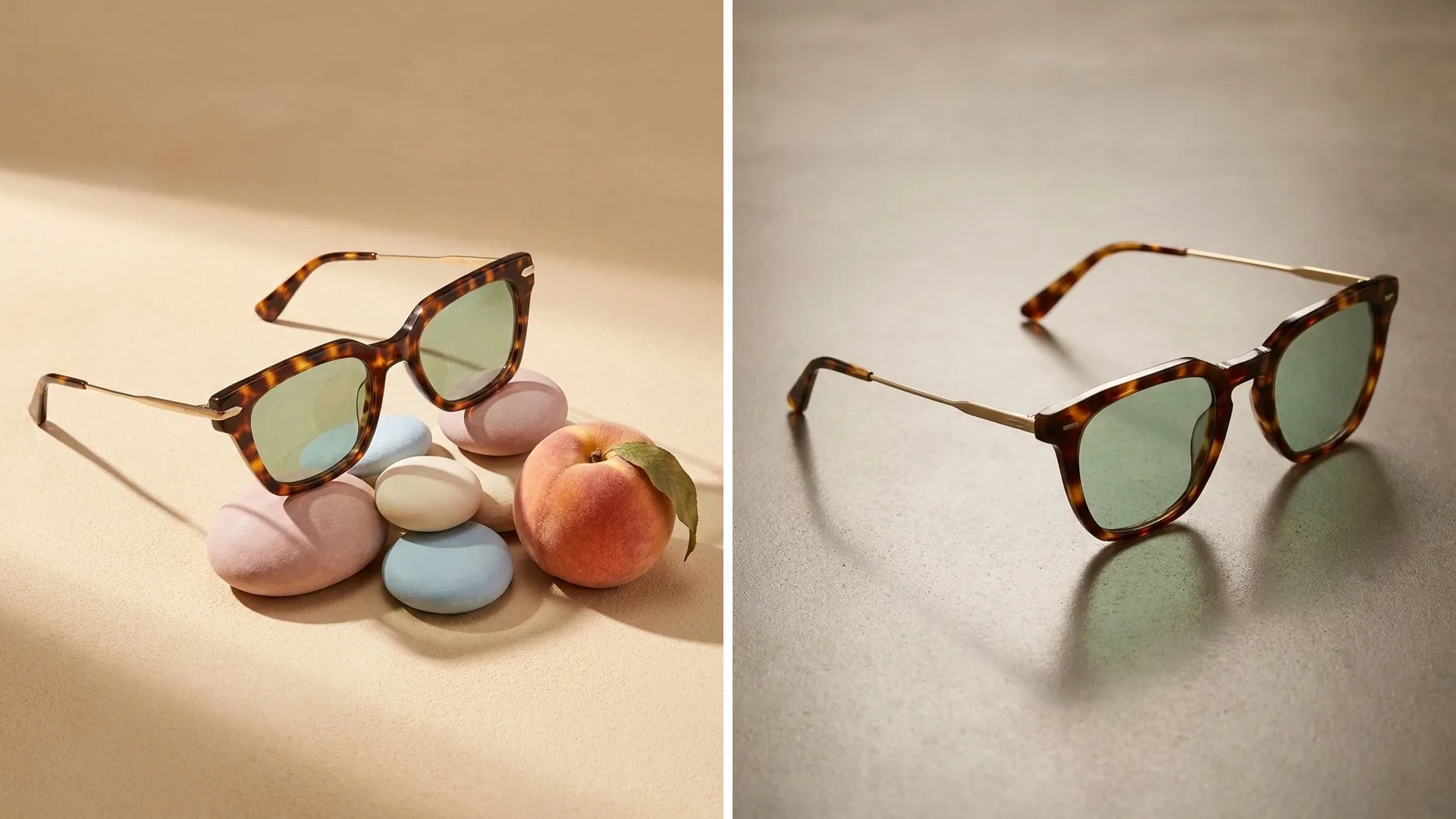
Eyewear product photography in 2026: the 7-shot list buyers need, why the lens is the regulated part, and where generative models break on temple arms.

Generative AI for business, read from fashion's own numbers: $150 to 275bn in operating profit at stake and up to 90% of pilots that never scale.
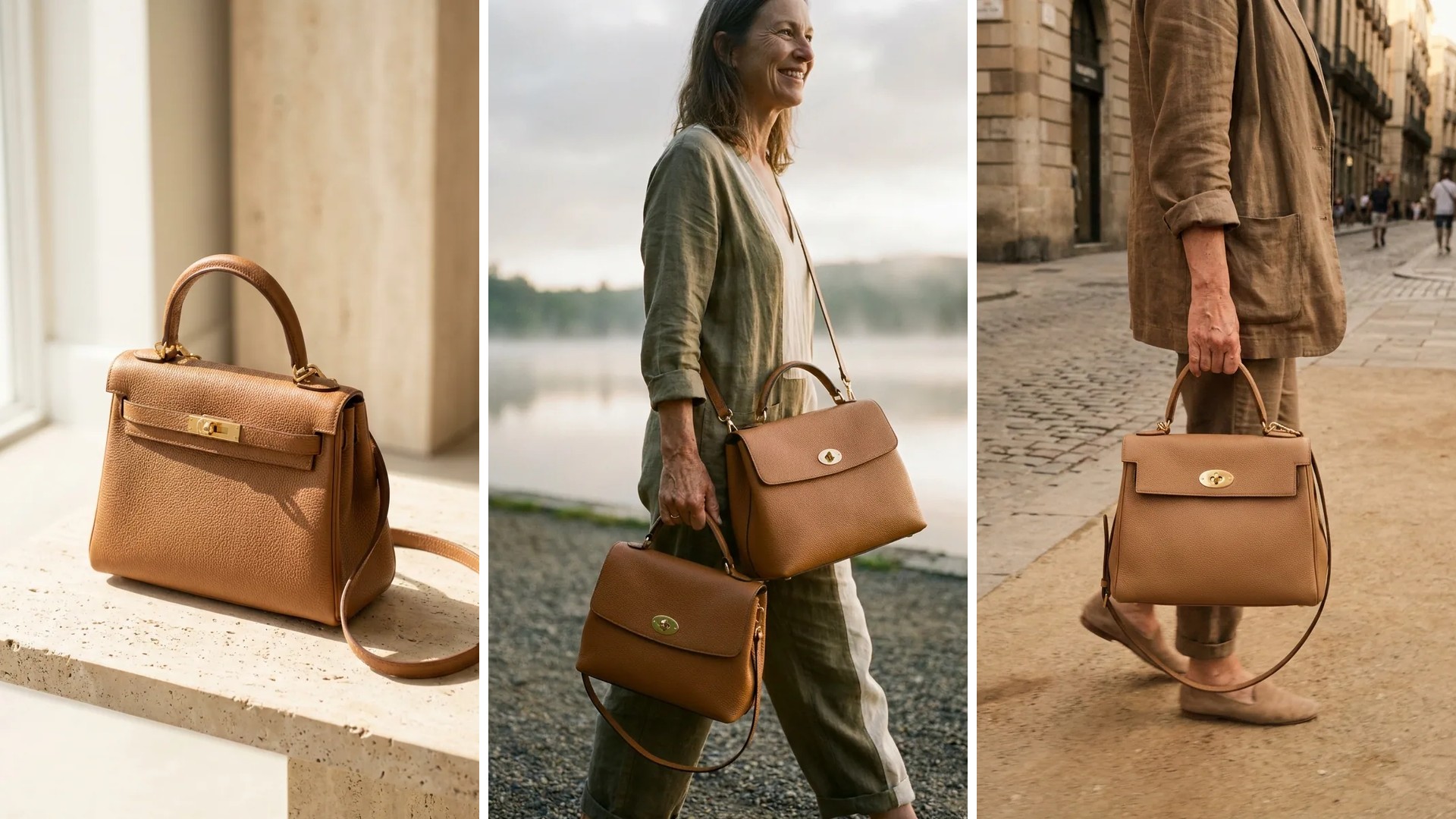
Handbag product photography: why the main image cannot be on a model, Zalando's 4 bag views, image specs for 5 channels, and where a shoot's cost goes.

Labeling AI-generated content in fashion turns on a synthetic person. Which of 8 assets in a drop need a label under the EU AI Act, and what a label costs.

Launch campaigns faster: 85% of surveyed enterprise teams missed a launch date. The 4 blocks in a campaign timeline, what AI removes, and what it leaves alone.

Lingerie product photography in 2026: what Amazon, Google and Meta allow in intimates images, the 7-shot list that fills a PDP, and where AI breaks on lace.
On-model photography with AI is limited by the images you already shot. Match an existing catalog on 4 variables, and which shots to move first.

DesignerBox pricing explained: 5 plans, one of them free. The commercial license, AI video and try-on, and team features each start on a different tier.
The DesignerBox Figma AI plugin makes images and video, removes backgrounds and expands frames on canvas. The 6 tools, the plan gates, what Figma already does.

Seedance alternatives compared on published API rates: Veo 3.1, Kling 3.0, Kling 2.6 and Runway. What each costs per second, and why the route beats the model.
7 AdCreative.ai alternatives compared by what each tool makes and how it counts use. Why an AdCreative.ai credit is spent on download, and which start free.

Marketplace rules for AI product photos on Amazon, Etsy, Walmart, eBay and TikTok Shop, when disclosure applies, and the EU AI Act rule since August 2026.
AI for social media content: what Reels, TikTok and Shorts each require, their 3 AI label rules, and why one master re-cut per platform beats 3 new clips.

Instagram content with AI: build the run once, then post Reels, carousels and stills weekly. The 4 formats, Instagram's limits, plan gates, where it breaks.
AI creative tools for small business: 4 jobs to build once, 9 files from one product photo, which plan covers published work, and a month-one plan to run.
How to make AI videos fast: where the minutes go, how to cut re-rolls, what an 8-second clip costs in credits, and how to rerun the job on the next product.

Ad creative testing on Meta and TikTok: why 9 ads in one ad set is not a test, the 50-event learning rule, and the 43,000 impressions a readable test needs.
Generative AI for marketing: 75% of marketers use AI and 84% still run generic campaigns. Where it pays back, where it does not, and what a rerun buys.
3 Shhots.ai alternatives compared: DesignerBox, Superscale and Reel.farm. What each tool does, how the credits work, and which job each one fits best.
AI for brand managers: 87% of marketers use generative AI and 51% say campaigns sometimes feel generic. Set the input, approve the workflow, audit a sample.

AI voiceover for UGC ads comes from 3 places: the video model, an avatar platform or a voice engine. Video models cap native audio at 8 to 15 seconds a clip.
7 Creatify alternatives compared by what each tool makes, with features checked on each vendor's own site, and the method to price one finished video ad.
Etsy listing video requirements: 2 videos per listing, 5 to 15 seconds, 100MB, audio stripped. What Etsy's policy allows for AI video, and the cost per clip.

Veo alternatives compared on price per second, clip length and native audio, from each vendor's own docs, with what one 8-second clip costs on each model.
Ecommerce image testing needs about 64,000 sessions per variant to read a 10% lift. The session counts, what the Alibaba study measured, and where to test.

UGC video quality depends on 6 AI fixes. Which ones cost least before you generate, why upscaling cannot rescue a soft clip, and which one you can skip.
AI product photo accuracy decides whether a shopper feels misled. Run 5 checks in 9 generations per model on your hardest product, before you pick a model.
Scale AI ad campaigns without the folklore: Meta names no frequency threshold and no general ad count. What 50% of US consumers say, and the loop that holds.
Who uses AI creative tools: 5 team types and 5 industries, what each one makes, which plan gate it hits, and which pattern fits a team of 1 to 30 people.
AI product photography in Figma: what the canvas edits natively, which of the 6 PDP shots must be generated first, and how the plugin and MCP fill the gap.
DesignerBox MCP puts 74 tools in your AI chat. Connect Claude, Cursor or ChatGPT, rerun a saved workflow on the next product, and read the cost first.
How to use DesignerBox: 7 real workflows, from a one-photo catalog run to multi-client agency delivery. What each one makes and which plan gate it hits.
Instagram DM automation tools for brands in 2026: how each one bills, Meta's documented 750 replies per hour, and the one use case none of them can run.
An Instagram DM funnel sends each Reel to its own product page. The 4 stages, which one carries the cost, where it leaks, and why creative decides it.

Realistic AI lip sync: every fake tell traces to one choice, picture before audio. Why the 45 to 125 ms sync window is not the problem, and what fixes it.
Agency creative pricing when AI cuts production time: hourly billing shrinks your invoice. Compare 4 models, the margin math, and when to reprice a client.
AI brand consistency breaks at tool handoffs. In 2019, 81% of companies had off-brand content despite guidelines. Where drift starts and the one-workspace fix.
Compare AI video tools for fitness and activewear brands. What each tool is built for, when your product stays in frame, and what an 8-second clip costs.

Realistic AI human movement fails because video models resolve every action toward success. Why motion reads weightless, and the 4 fixes that change it.

AI tool stack cost has two halves: 6 flat subscriptions, and the setup you rebuild for every product. How to count the handoffs and price them per campaign.
7 AI advertising campaigns from Coca-Cola to Heinz, sorted by the AI mechanic each won on, and how to run the same play on every product you sell.

Six HeyGen alternatives compared on what each tool is built for, checked on each vendor site in September 2026, and how to pick one for avatar or ad video.
AI video marketing for small business: which clip fits each channel, what an 8-second clip costs in credits, and a first-month plan a team of one can run.
DesignerBox apps turn a saved workflow into a form a colleague runs. See the jobs to start from, what a run costs, and the avatar run's fixed 25 credits.

Ad creative volume by spend tier: Motion's benchmarks put the smallest tier at 12 to 21 new creatives a month, not 100. How to size the batch to fit your plan.
How to avoid distortions in AI video: name which of the 4 failure modes you have, then apply that mode's fix before you re-roll an 8-second clip.

Pebblely review: how it compares with 6 live AI product photography tools on scope, plans and license, each read on the vendor's site in September 2026.
Seven AI video tools for LinkedIn, checked on each vendor's own page. Founder clips, repurposed posts, generated b-roll, and what an 8-second clip costs.
Product video without a studio: some shots generate from one photo, some need a phone. Which is which, and why an 8-second clip costs 40 to 560 credits.
Location consistency in AI shots starts with one approved plate. Name which of the 4 drift axes moved, then reuse that same set across every shot in the run.
Agentic AI for content creation needs 4 inputs the agent cannot generate: your product photo, your brand rules, a model catalog and your asset library.
AI-generated content marketing: visible AI lowers brand trust for 31% of consumers and raises it for 7%. Where it works, where it fails, and when to disclose.
AI lip sync for video ads: the likeness line that decides it, the 8 to 15 second limits on native-audio models, and the 2026 disclosure rules to follow.
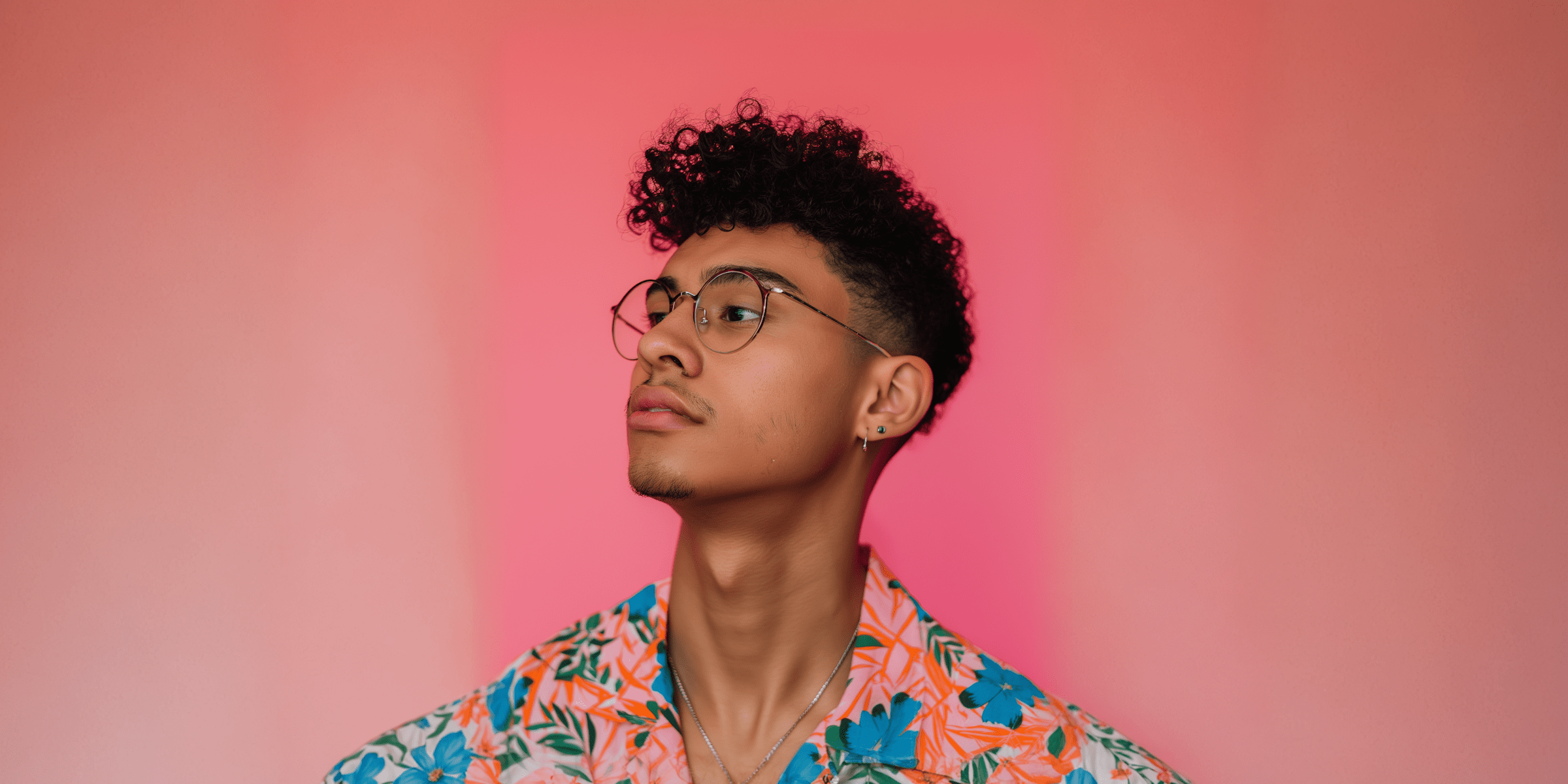
How to make a photo talk with AI: 2 routes, which models accept a face, what a clip costs in credits, and the EU disclosure rules in place since 2 August 2026.
AI skin retouching, upscale and catalog edits: 7 tools compared by the job each one is built for, how each one charges, and which fits the job you have.
Compare 7 AI product photography tools in 2026: what each one covers past the background, and how to test which one holds a standard across 200 SKUs.
The best AI ad generator is often free inside your ad account. What Meta, Google and TikTok make, the limits their docs state, and the 3 jobs worth paying for.
AI UGC video generator guide: 10 tools checked on each vendor's own site, what each one makes, how to price a finished clip, and which ads can run.
Higgsfield AI alternatives: 8 tools compared on what each one makes, its free plan and where it fits. How Higgsfield plans work, and where it still wins.

Affordable AI video for product listings: video specs for 5 marketplaces, why Amazon's 1-minute floor needs about 8 clips, and where one short clip is enough.
13 Photoroom alternatives, 7 paid and 6 free, compared on scope and license, with each fact read from the vendor's site in September 2026. What free gets you.
AI ad generator pricing explained: 3 ways tools bill (credits, seats, per video), why the plan price is not your cost per ad, and 6 steps to your real number.
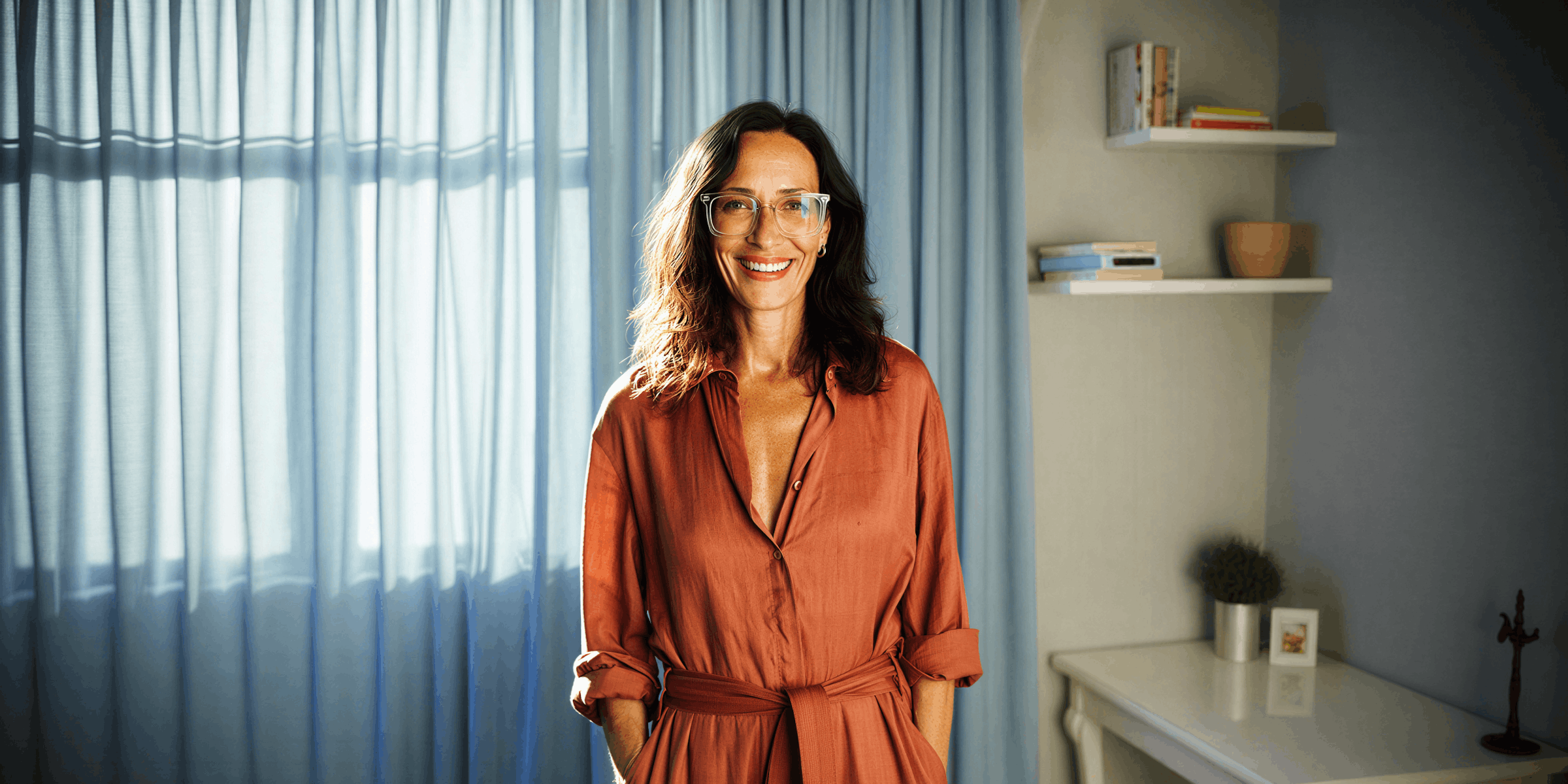
Increase ROAS in fashion ecommerce with photos: ROAS is 4 numbers, not one. Which images move ad CTR, which move PDP conversion, and why returns cancel gains.
Build the job once with your brand and your products. Run it on your whole catalog, and see the cost before each run.