Food and drink
Food and drink product photography with AI
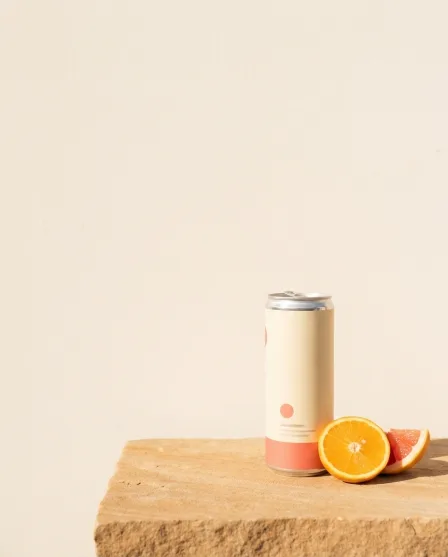
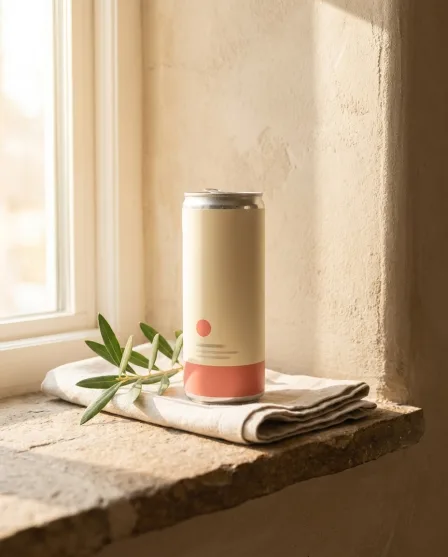
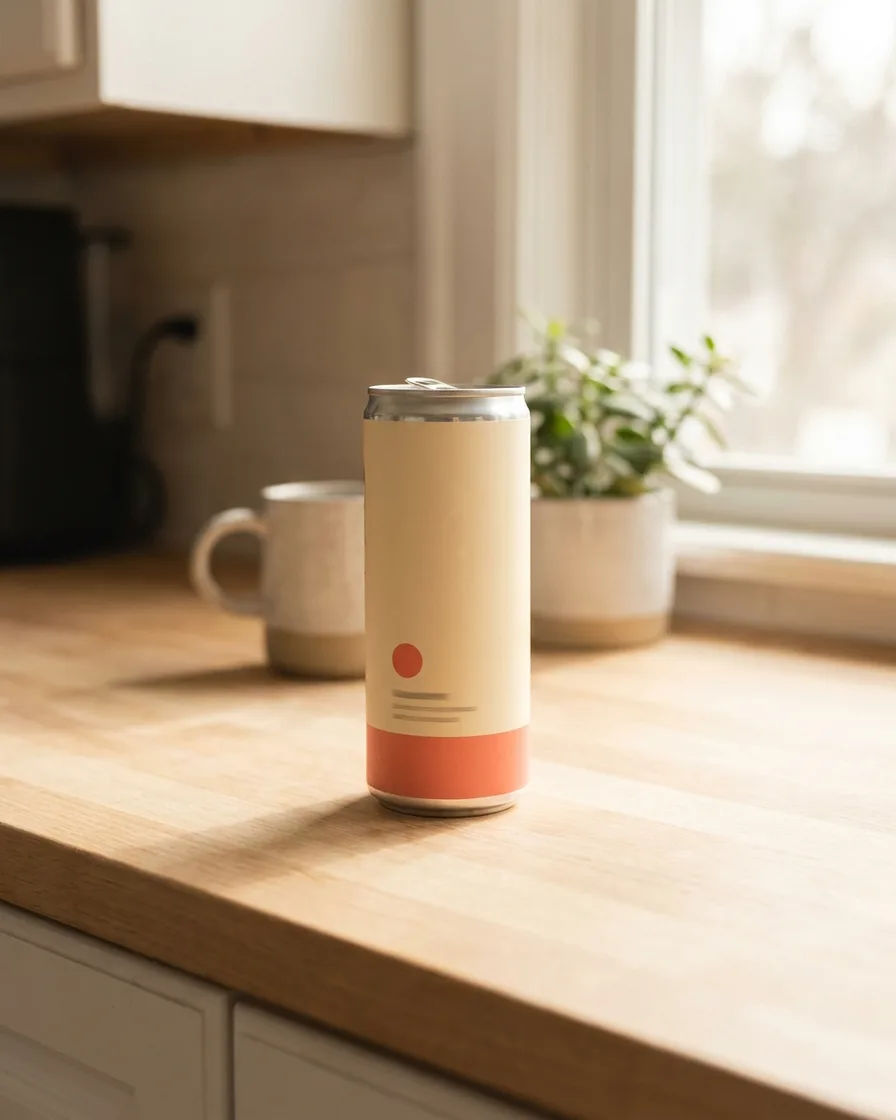
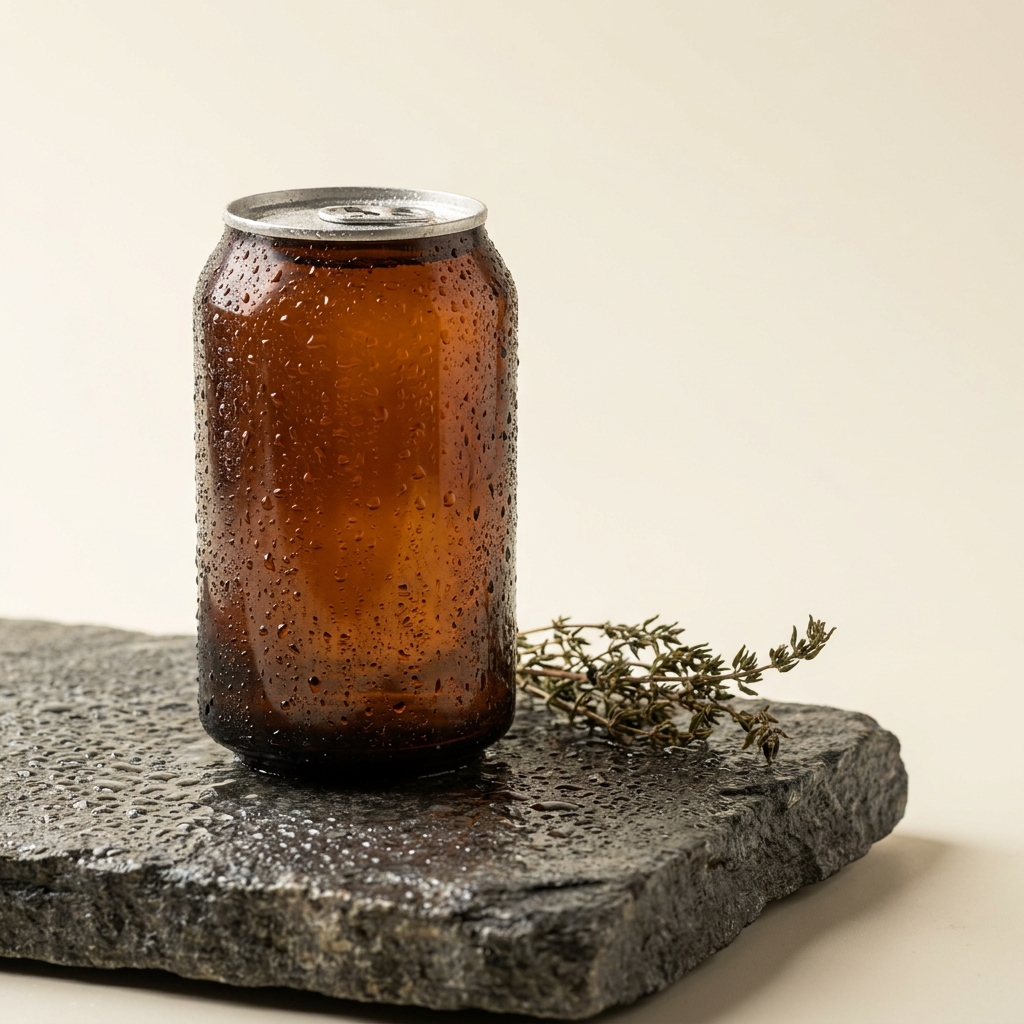
Cans, bottles and plated food need cues a plain packshot cannot carry. Add condensation, set the light along the glass, keep the printed label readable, and build the serve shot a listing needs. Every picture keeps your brand's look, at any volume.
Last updated
Who it is for
Does that sound like you?
Scaling without compromising quality.
You need more pictures every week for the shop, the ads and the socials. Anyone can make an AI picture. Making hundreds that still look like your brand is the hard part. A shoot for every product costs weeks, and every new generator returns a different look.
- A template or a workflow you build once, with your brand rules
- One run on one product, or a batch over your whole catalogue
- Every result in Assets, with the same look on the first and the last
Cut the waiting time and budget for deliverables.
You make this for clients, and every client has their own look. A shoot for each one costs weeks and most of the budget. A different generator for each one returns a different look, so somebody fixes it by hand before it is delivered.
- Each client's brand rules, saved once and used on every run
- A workflow you build once and run for every client
- A batch over a client's whole catalogue, delivered from Assets
Food and drink photography
Food and drink photography is the job of making a can, bottle or plate read as cold, fresh and worth buying. The craft sits in four places. Condensation and ice signal temperature. A long soft light down the side gives a cylinder its shape. The camera has to sit at label height, or the printed text curves away and stops being readable. Colour has to match the real product, because taste is judged by eye first.
What food and drink shots have to solve
Four problems that decide whether a drink looks cold and a plate looks fresh.
Condensation that reads as cold
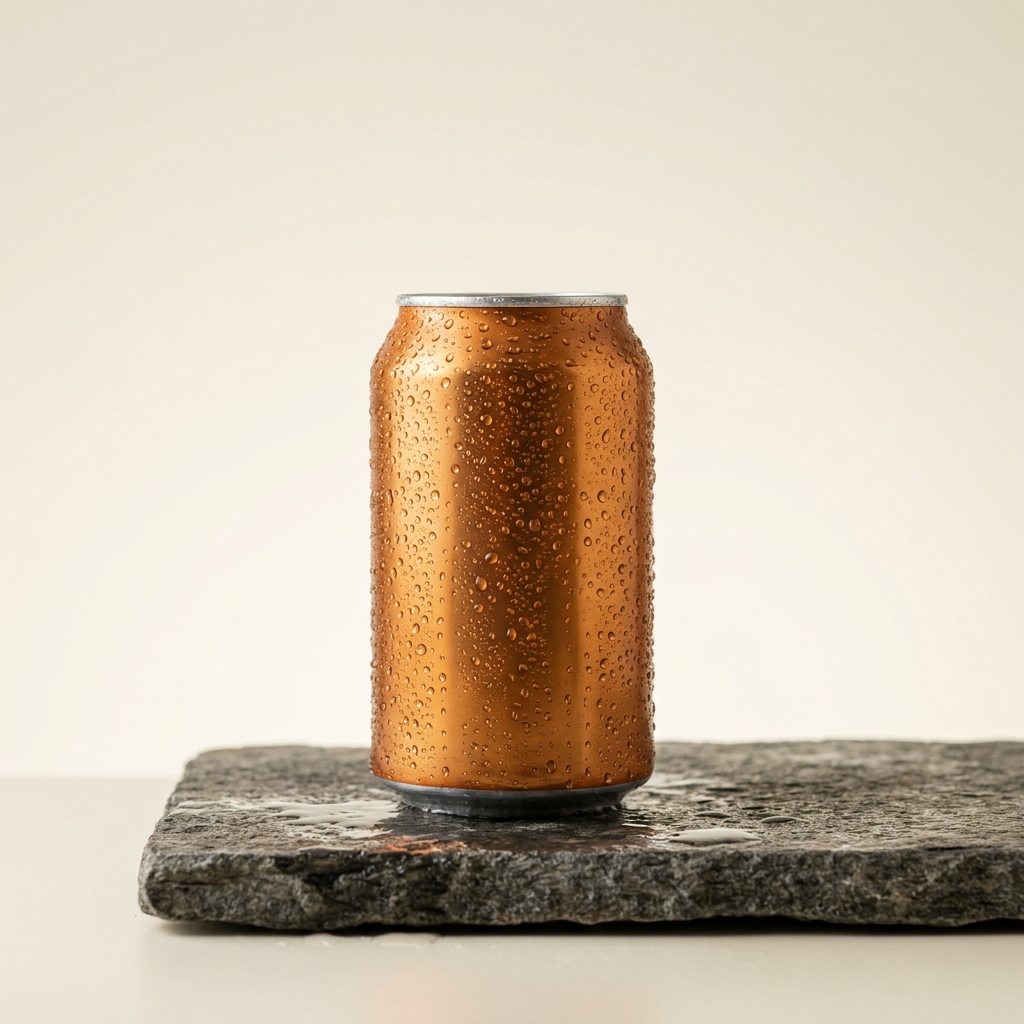
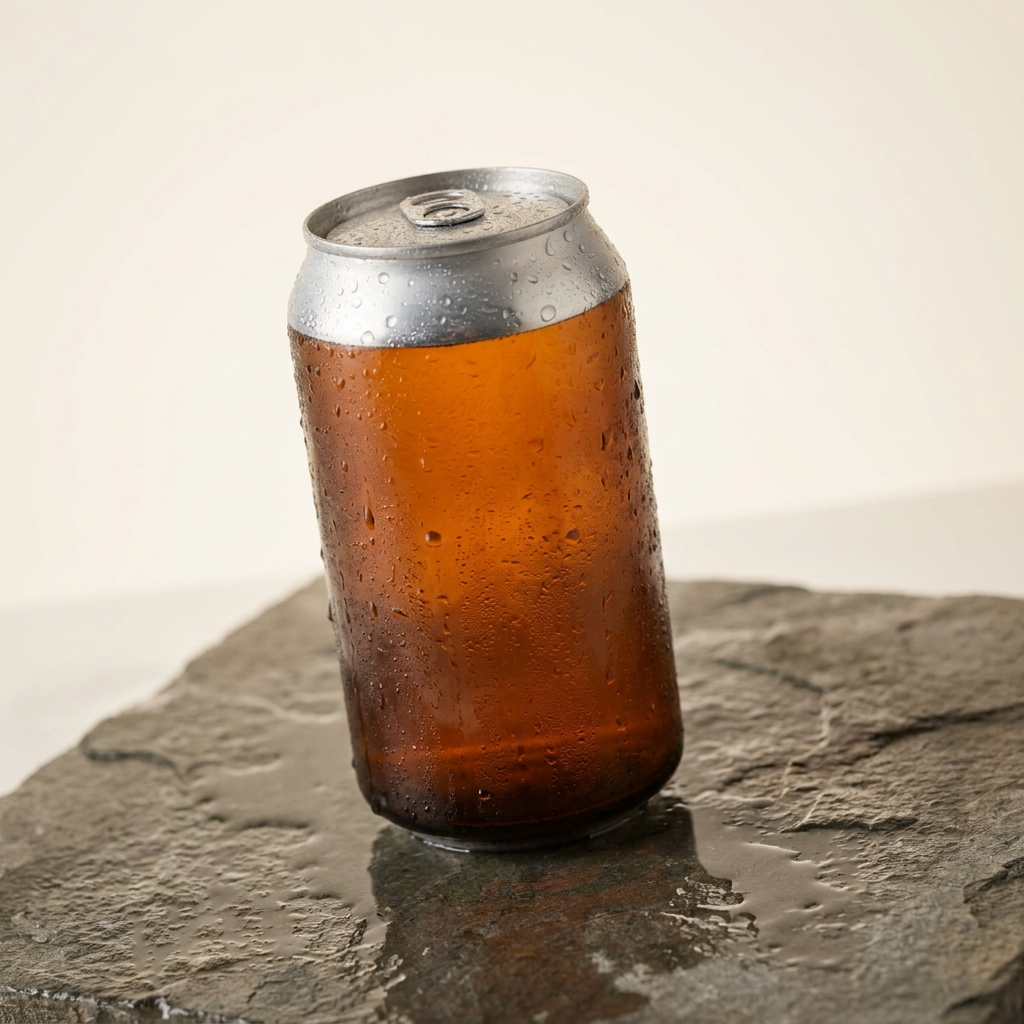
Beads of water are the shortest way to say chilled. Real ones dry under studio lights within minutes, so you have only a few usable frames. Bead size matters as well. Fine mist near the shoulder and heavier drops running down the lower half is what a cold can looks like.
Label wrap on a curved pack
A can is a cylinder, so the label bends away from the lens. Text near the edge compresses until it cannot be read. Shoot at label height. Keep enough distance between the lens and the pack to reduce the curve. Turn the pack so the name sits square to the camera.
Pour, splash and liquid shape
You get one attempt at a pour. The arc has to stay clean. The surface has to hold a few bubbles rather than a thick head of foam. The rim of the glass must stay dry. Freeze the motion, or the liquid smears and the drink looks flat.
Texture and colour on a plate
Flat front light makes food look dull. Light from the side or slightly behind rakes across the surface, so a crust looks crisp and a sauce looks glossy. Colour is the other half. Warm room light turns greens grey and browns muddy, and a buyer reads that as stale.
The shot list for a drink or a dish
Four steps, in the order that keeps every frame matching.
Settle the pack shot before anything else. Every other image in a food or drink set borrows its light. A serve shot built on a poor pack shot inherits the problem. Cut the pack out next, because every scene and every ad uses that cut-out file. Add condensation after the cut, since beads on a transparent edge are the slow part and you want to do them once. Scenes, pours and promotion frames come last. Save the whole sequence as a workflow, then run every flavour in the range through it so a category page holds one look.
What a food or drink listing needs
Four deliverables, each doing a different job on the page.
Straight pack shot on white
The can or jar alone, front label square to the camera, on plain white. This is the search thumbnail, so it has to work at the size of a fingernail as well as full screen.
Back of pack, readable
A crop where the ingredients, the allergen line and the volume can be read without zooming. A buyer with an allergy checks this before anything else, and blurred small print sends them elsewhere.
The poured serve
The drink in the glass it belongs in, with ice and the right head of foam. This is the image that shows colour and body, which a sealed can cannot. Food gets the plated equivalent.
Multipack and scale frame
A four pack or a case beside a single unit tells a buyer what they are ordering. Put a familiar object in frame, a glass or a hand, so a 250ml can is not mistaken for a 500ml one.
Questions about food and drink photography
What food and drink sellers ask before they replace a shoot.
Can I add condensation to a photo of a warm can?
Will my printed label stay readable?
How honest does a food photo have to be?
How do I photograph a dark bottle so it does not go black?
Should the ice be real?
How do the finished images reach my shop or listing?
Other categories
The same craft, written for a different product.
Fashion and apparel
Drape, fabric weight and true colour, held across every image in a clothing listing.
Dresses
Hem line, the fall of a skirt, and a full-length garment inside a square crop.
Wedding dresses
White on white, lace and beadwork detail, and a train that has to be measured.
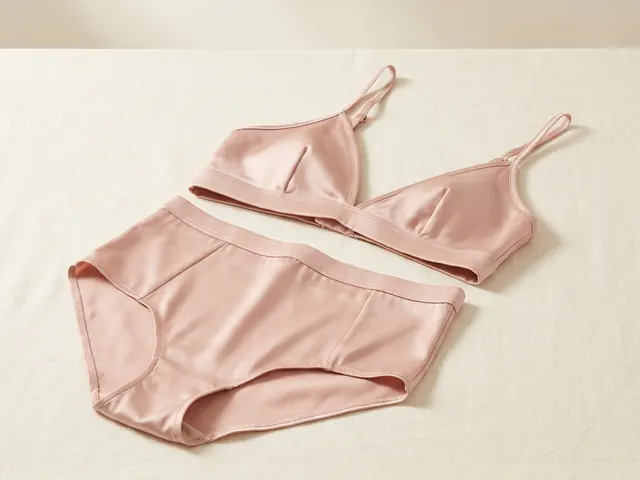
Lingerie photography
Flat lay sets, open lace cut-outs, sheer mesh backing and true nude colour.
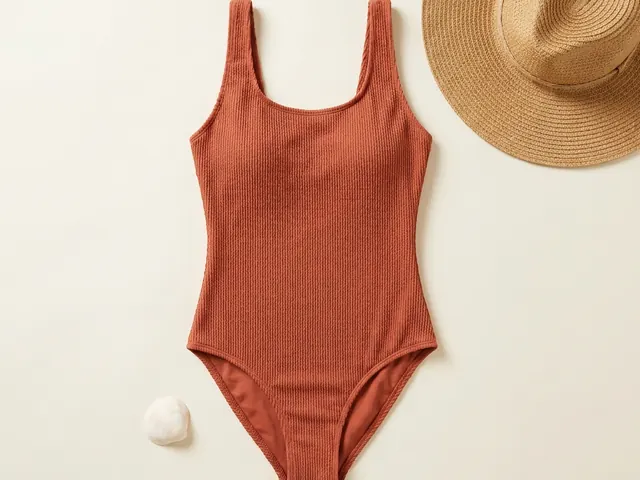
Swimwear photography
On-body fit, location light, wet colour shift and the print shown flat.
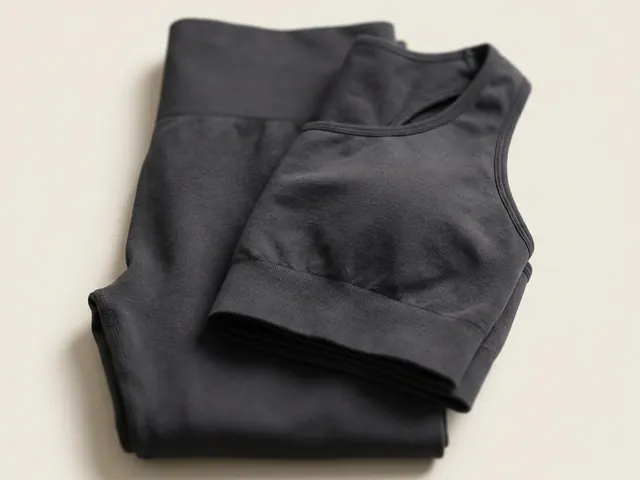
Activewear photography
Compression under tension, seam detail in raking light, and the back view buyers open.
Everything you need, in one place
The full workflow from the first product photo to the finished ad, in one subscription.
Scale content without limits.
Generate content for your products or services with AI, starting today, and keep your brand on every piece.