AI Product Photography Examples: What Actually Ships
Seven AI product photography examples graded on one question: did the model draw the product, or only the scene around it. What ships and what fails.
AI product photography guides cover how to turn one product photo into packshots, flat lays, new angles and styled scenes. You'll find prompt walkthroughs, relighting and background swaps, per-vertical shot lists, and the image specs each marketplace asks for. Written for brand and ecommerce teams shipping catalogue imagery without a photoshoot. For shots with a person in them, see On-Model and Try-On.
Seven AI product photography examples graded on one question: did the model draw the product, or only the scene around it. What ships and what fails.

Generating the images is the fast part. Shopify caps media at 250 per product against 2,048 variants. What automates in a catalog run, and what does not.

AI product photography works on some materials and fails on others. The per-SKU sorting rule, the four channel rules for the main image, and what it costs.
Vinted bans photo editing and eBay bans watermarks. How to take photos of clothes to sell online under the real rules of six resale platforms.
Shopify reuses your first product image on collection, cart, checkout and home pages. Where every upload ends up, what crops it, and which shots to make.
AI dress photography covers campaign frames well and breaks on the ones Amazon specifies. Which dress shots to generate, which to shoot, how to tag them.
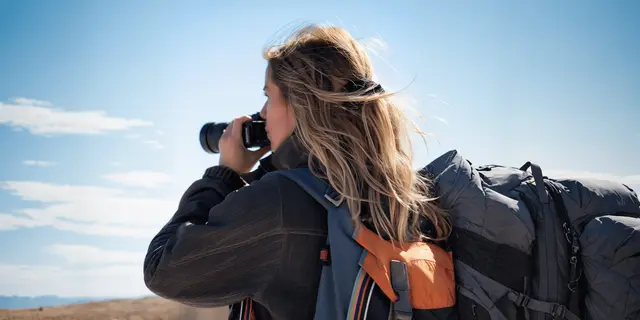
Backpack product photography has to prove capacity, not just look good. The shot list, the liter problem, marketplace specs, and what a drop costs.

What furniture photography costs in 2026: studio day rates, CGI per render and AI credits, priced against the colourway matrix that drives the real bill.
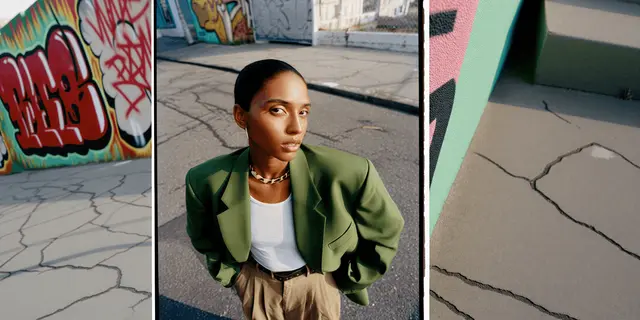
Jacket photography: Amazon files a jacket in 2 crop classes and the hem decides which. The outerwear shot list, the FTC rule on down claims, and where AI fails.
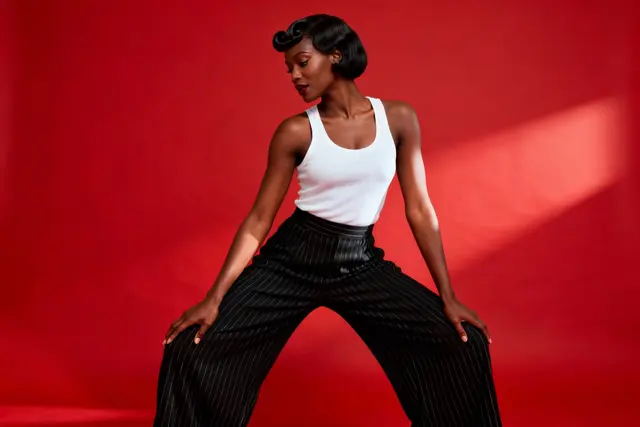
Pants photography in 2026: Amazon crops trousers from the ribcage to below the feet, which puts shoes in your main image. The shot list that survives it.
Perfume photography guide: the 5-shot set a fragrance listing needs, why an EU product picture is a legal claim, and the 2026 label change that dated archives.
Ring photography sells a size the buyer has to pick. The 5-shot set, why band width changes fit, and the FTC rule on rhodium-plated white gold, with 2026 specs.
Scarf product photography: Amazon bans 3 things at once on a main image, models, mannequins and folds. The shot list that clears the rule and still sells drape.
Amazon wants the left shoe at 40 degrees. Zalando wants 1:1.44 upright. The shoe photography shot list, the specs behind it, and where AI breaks.
UGC style product photography is a format with a legal line. The 6 shots worth building, when a casual image becomes a testimonial, and what to disclose.
Wallet photography in 2026: the six shots a cardholder listing needs, the federal rule on how leather may be depicted, and where generated imagery stops.
Nineteen watch photoshoot ideas sorted by what the crystal reflects and what each costs in dial legibility. Which fit a listing, which are campaign only.
Bottle product photography in 2026: why the label is a regulated surface, the shot list a drink SKU needs, and where AI models break on glass.
Bracelet photography fails on three things: the clasp, the wrist fit and the drape. The shot list, the marketplace specs, and the FTC rule on depictions.

Dress photography in 2026: Amazon files dresses under a full-length crop, why the hem sets the shot list, and where generated imagery holds up.
Earring photography needs four shots, not four angles. The pair packshot, macro, backing and on-ear frame, plus Amazon's 85% rule and the nickel limit.
Eighteen hat photoshoot ideas sorted by what holds the crown up and where the brim shadow lands. Which ones generate from one photo, and which need a camera.

Whatnot product photos must show the actual item with condition visible. Where AI photos are safe, where they cost you a bill-back, and the 3 sizes to export.

WooCommerce product image size explained: the 3 registered sizes, why the grid crops but the main image does not, and how to fill a 200-SKU catalog.
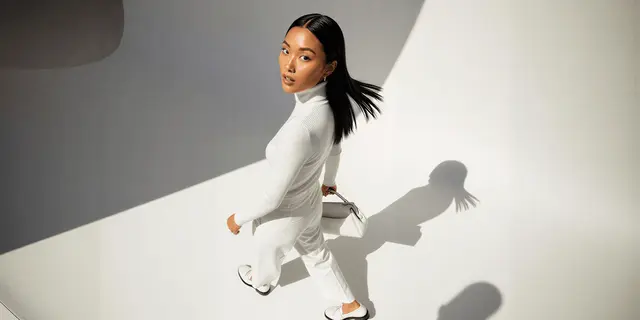
Amazon names socks as an exception to three main image rules, then a newer guide reverses it. The sock photography specs that apply, and where AI holds.
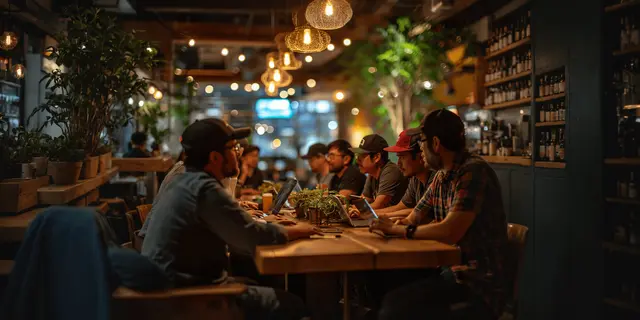
Generating 800 product images is the easy part. Approving them is not. What a bulk run really costs an agency, and the three places batch work falls over.

Seven Canva alternatives with prices read from each vendor's page in August 2026. Canva Pro is $18, AI video is capped at 20 uses, and AI Pass adds $100.
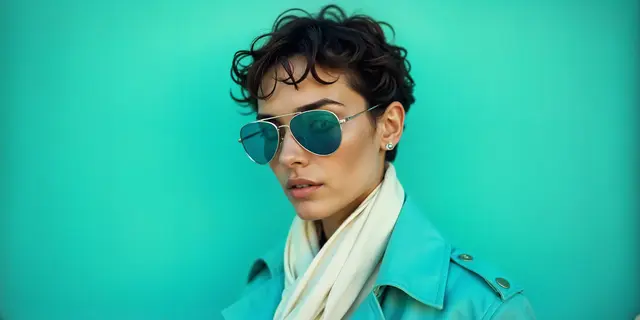
ChatGPT vs Gemini for product images: Google keeps a visible watermark on Pro tier, neither publishes a quota, and neither holds a brand across 40 SKUs.
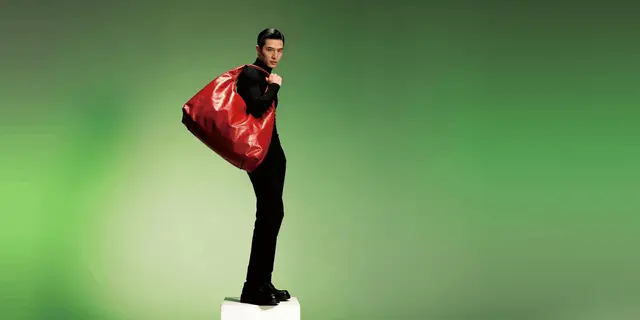
Editorial bag photography fails on weight, not styling. The four load tells that expose a generated frame, the shot set a campaign needs, and what it costs.
Hat product photography starts with a rule most guides skip: Amazon files hats as accessories, so the main image is flat. The 7-shot list and specs for a drop.
Home decor product photography sells on glaze, weave and grain, and a styled shelf hides size. The 2 failure modes, channel specs, and what a 5-scene set costs.

Knitwear photography fails in 4 places, not one. Why sweaters moire and mush, the gauge number that sets your shot list, and where AI holds up on cables.

Mavely creator content pays per sale, so volume is the job. How to build a week of 7 affiliate product images from photos you already have, at 5 credits each.
PrestaShop product images all come from one master upload. Get that file wrong and every thumbnail inherits it. The 7 default sizes, ratios and regeneration.
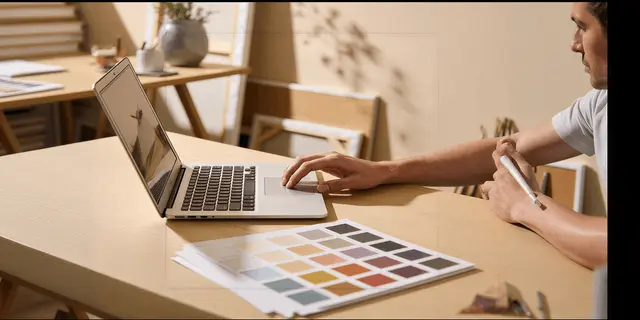
Shopify product image size: upload up to 5000 x 5000 px and 20 MB, then the CDN re-encodes every file. The upload spec, the delivered spec, and which one wins.
Skincare product photography has 3 hard problems: reflective glass, texture a sealed bottle hides, and a label the law keeps legible. The 5-shot set and limits.
Supplement product photography in 2026: the three rulebooks that decide your image, the shot list an FDA label needs, and what a full range costs.
The 7 types of product photography, what each is for, and the platform rule that makes it mandatory on Amazon, Shopify, Etsy and Google. One photo covers most.
AI content for LTK creators: LTK does not ban AI, it bans deception and images you have no right to use. Which assets are safe, which get pulled, and 3 rules.
TikTok Shop product images: 9 square images per listing, digital renderings banned, and US and UK seller pages that publish different specs. What to build.
Depop shop photos are judged as a grid before anyone opens a listing. How to set one ground, one crop and one colour treatment across every sourced piece.

Dropshipping product photos all come from the same supplier file. How to restage them into your own look, plus the 2 rules on copyright and accuracy.

Print on demand product images: your design prints on the blank everyone uses. 4 ways to make listing images that differ without implying a product you lack.

Sustainable fashion photography for made-to-order and deadstock labels: shoot a full range from 1 sample, and the green-claims rules that limit what images say.
Vintage clothing photography at volume without misdescribing stock: the line between correcting light and editing out age, plus a 4-grade condition rule.
LTK says top posts hold 4-8 products from 1-2 brands. Those products were shot in different light by different people. How to make them look like one set.

AI social media carousel specs per platform: Instagram's 20-slide cap, LinkedIn's PDF rule, TikTok's 35-upload limit, and what a ten-slide set costs.

Etsy product photos must be your own shots, not renderings. The 20-photo specs, the 635px first-photo floor, the three thumbnail crops, and what AI can fix.

Furniture product photography needs room scenes you cannot shoot per SKU. Wayfair's 5 shot types, the dimensional shot most brands skip, and where AI breaks.

Instagram product photos from your catalogue: your PDP shots get cropped twice by Instagram. How to rebuild them into 30 days of grid posts without a new shoot.

Jewelry product photography has 3 hard problems: reflections, scale and colour. The 4-shot set, Amazon and Etsy specs, and the FTC rule on stone size.
Poshmark listing photos at volume without a studio: fix bedroom lighting, clear the background, show fit on a body, and keep a 100-item closet consistent.
Most product photo lighting problems are fixable after the shoot. The four failures ranked by how recoverable they are, and the one that never comes back.
Your source product photo decides the whole set. What the one photo has to get right, in 5 checks, so every angle, scene and video can be built from it.
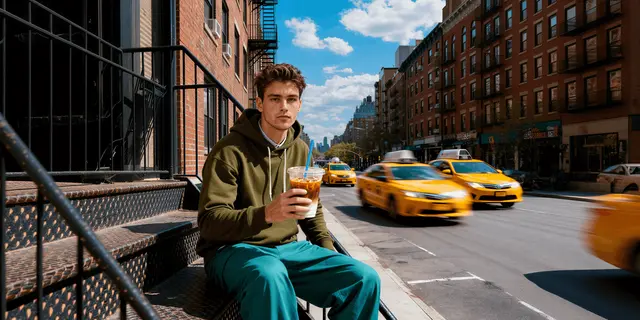
Your sample lands late and the drop date will not move. A three-week streetwear drop campaign calendar, what each asset proves, and where AI stops.

How to make YouTube thumbnails with AI in batches: YouTube tests 3 per video, so make 3. The real specs, the disclosure exemption, and what a batch of 9 costs.
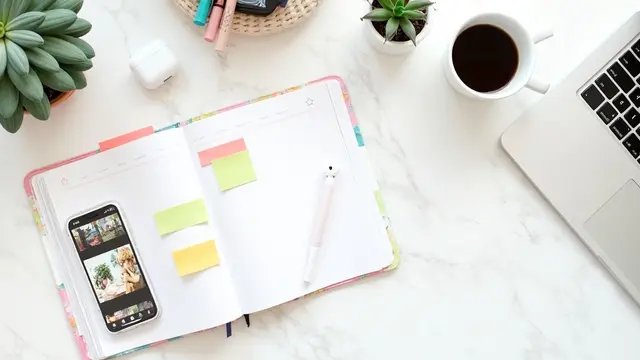
How to shoot flat lay photography that survives a whole catalogue: the two rules that decide it, marketplace specs, and where AI flat lays break.
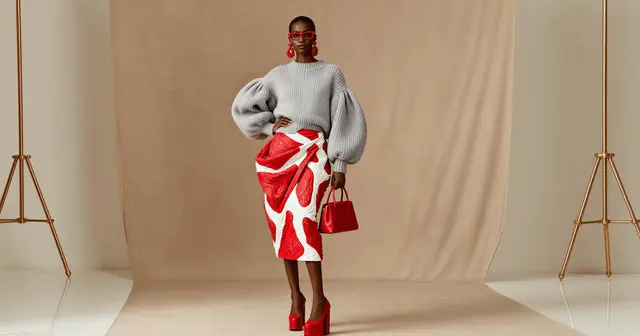
Ghost mannequin photography shows a garment's shape with no model. Which of 5 marketplaces allow it, the 3 ways to make one, and what each costs per SKU.
Nine AI product photography tools compared for Amazon sellers, with Amazon's main image rules first and every vendor price checked in August 2026.
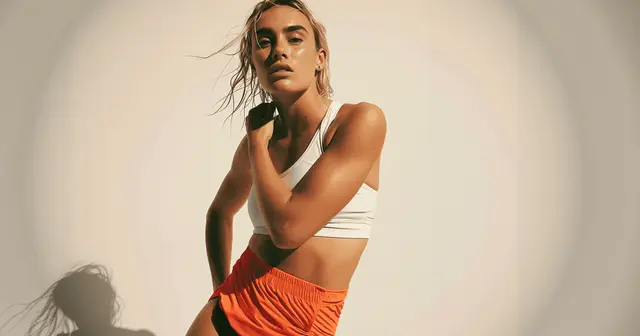
Activewear photography in 2026: Amazon's crop rules for leggings and sports bras, the shot list that proves fit, and where AI holds up or breaks.
Shopify allows 2,048 variants per product but caps media at 250. What that math means for AI product images, and where the free built-in editor stops.
Amazon displays seven listing images, not fifteen. The real slot counts and main-image rules for Amazon, Etsy, eBay, Walmart and Shopify, plus what to make.
Shopify has no AI photo policy. The rules that bind your store sit in Google Shopping, Meta ads and the EU AI Act. What each one asks for, with dates.
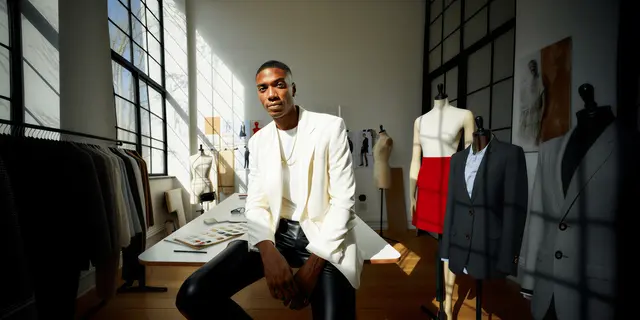
Amazon mandates a crop per garment category and bans two common methods from the main image. The clothing photography shot list, and what AI can cover.

Amazon wants the product filling 85% of the frame. Walmart wants a white border. The image spec for five channels, and the one master file that clears all.

Eyewear product photography in 2026: the shot list buyers need, why the lens is the regulated part, and where generative models break on temple arms.
Generative AI fashion imagery drifts when a drop ships to six placements. The channel specs to hold, what to lock, what to vary, and the 2027 deadline.

Generative AI in ecommerce pays on the SKUs you never shot. Why allocation beats cost savings, which 3 product groups to cover first, and what it does not fix.
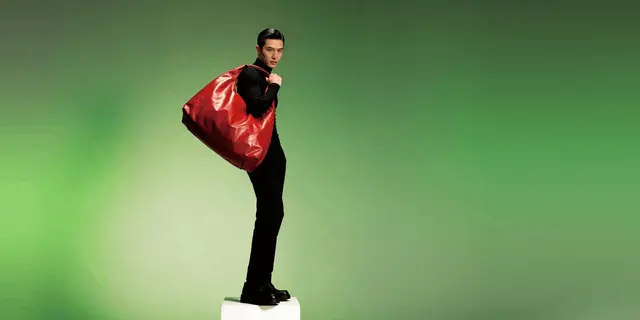
Handbag product photography in 2026: why the main image cannot be on a model, the shot list a bag PDP needs, marketplace specs, and what a shoot costs.
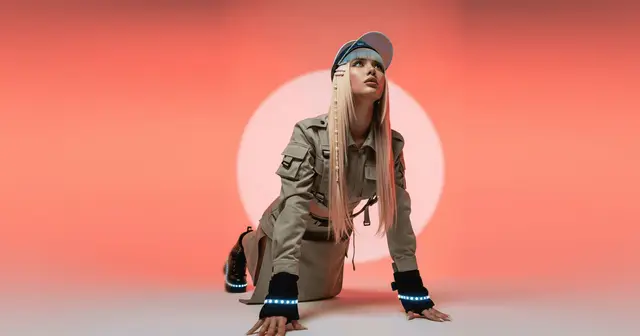
Lingerie product photography in 2026: what Amazon, Google and Meta allow in intimates images, the shot list that fills a PDP, and where AI breaks.
Product descriptions that convert need 3 versions: one for the page, one for the Google feed, one for the marketplace. The rules contradict; here is each one.

Reduce time to market by fixing the step that blocks every launch. Where the weeks go in product photography, and how to shoot 3 weeks before the stock lands.
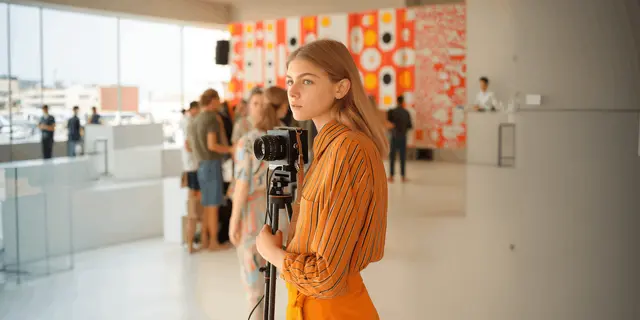
Watch product photography in 2026: the marketplace rules that write your shot list, the scale shot buyers need, and where AI still breaks on dials.
AI product mockups are three jobs: wrap art on a surface, restage a real product, or invent one. A one-question test to find yours, plus studio rates from $39.
What Amazon, Etsy, Walmart, eBay and TikTok Shop require for AI product photos, when disclosure applies, and the EU AI Act rule in force since August 2026.
AI background removal takes seconds, then the hard part: the 4 edges that break, what Amazon, Google and eBay require behind the product, and the 1-credit cost.
Most stores cannot detect a real image lift. The session counts each test needs, what the Alibaba study actually measured, and where to test instead.
AI product photo accuracy decides whether a shopper feels misled. Five checks to run on your hardest product before you commit a model to your catalogue.
Compare seven Flair AI alternatives for product photos, on-model shots, and video. Verified July 2026 pricing, what each tool covers, and how to choose one.
Why AI images look fake and how to fix it: the 7 tells researchers catalogued, the 76% detection rate, and the one input change that keeps output on brand.

PDP images that convert follow one order: hero on white, scale, detail, in use, variants. The 5-slot sequence, what each answers, and every shot from one photo.
The seven product photography angles every listing needs: front, back, three-quarter, side, top, detail, and in-scale. What each answers and how to shoot it.
What a product photoshoot costs in 2026: per-image rates, day rates, studio hire, and the reshoot cycle that quietly doubles what brands budget.

What an AI photo template locks: the model, the settings, and the shot count. When a preset beats a written prompt, and where the real limits sit.
Pebblely reviewed against six live AI product photography tools, with every price read from the vendor's own page in August 2026, plus one tool to skip.
AI skin retouching, upscale, and campaign edits: 7 tools compared with 2026 prices, billing basis stated, and which one fits the retouch job you have.
Low resolution product images fail marketplace minimums (Amazon wants 1,600 px) and lose sales. Which legacy photos AI restoration saves, which need a reshoot.
Compare the 5 best AI product photography tools in 2026. Pricing checked on each vendor's own page, what each is built for, and how to pick one.
13 Photoroom alternatives, 7 paid and 6 free, compared on price and scope with every figure read from the vendor's page in August 2026. What free gets you.
One product photo becomes paid ads, on-model shots, product stills, video, and social. Every model included on every plan. Start free with 112 credits.
Start free