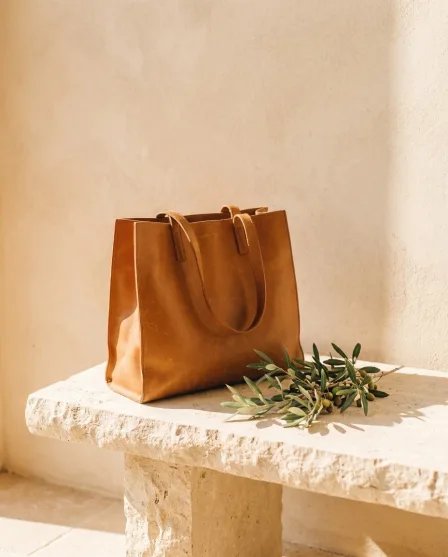
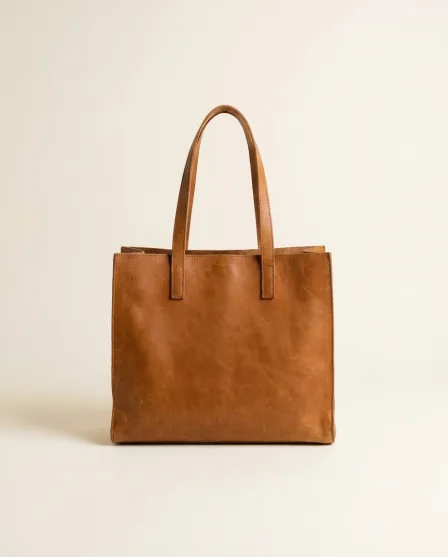
For small-run, made-to-order and low-waste labels

Made to order. Photographed once.

A low-waste label does not have a rail of spare stock to shoot, and producing units for a photoshoot is the exact thing the model exists to avoid. Photograph the one piece you made and build the whole set from it.

Start free

Environmental claims are regulated. Imagery must not imply materials, production methods, certifications or outcomes the product does not have, and a generated setting must not be presented as your own facility, farm or supply chain. Regulators in the UK, the EU and the US all treat unsubstantiated green claims as enforcement matters, and the standard applies to pictures exactly as it applies to words.

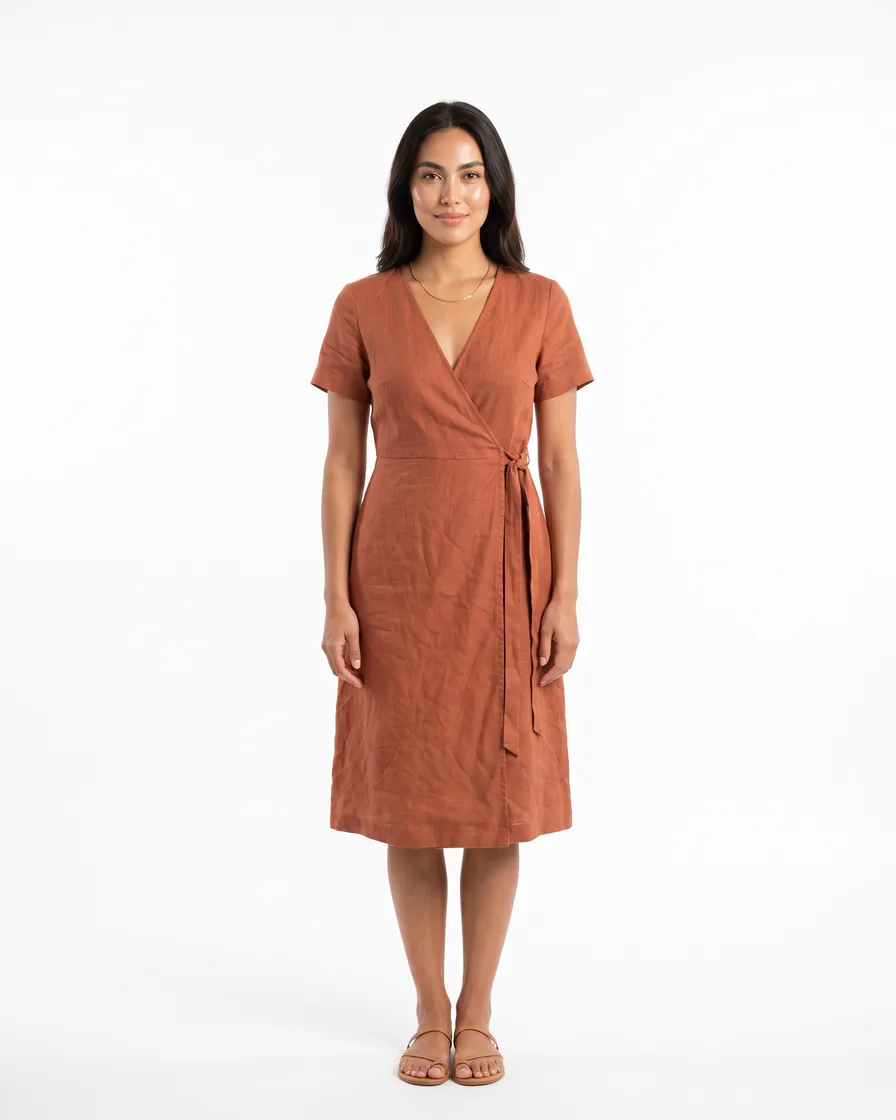
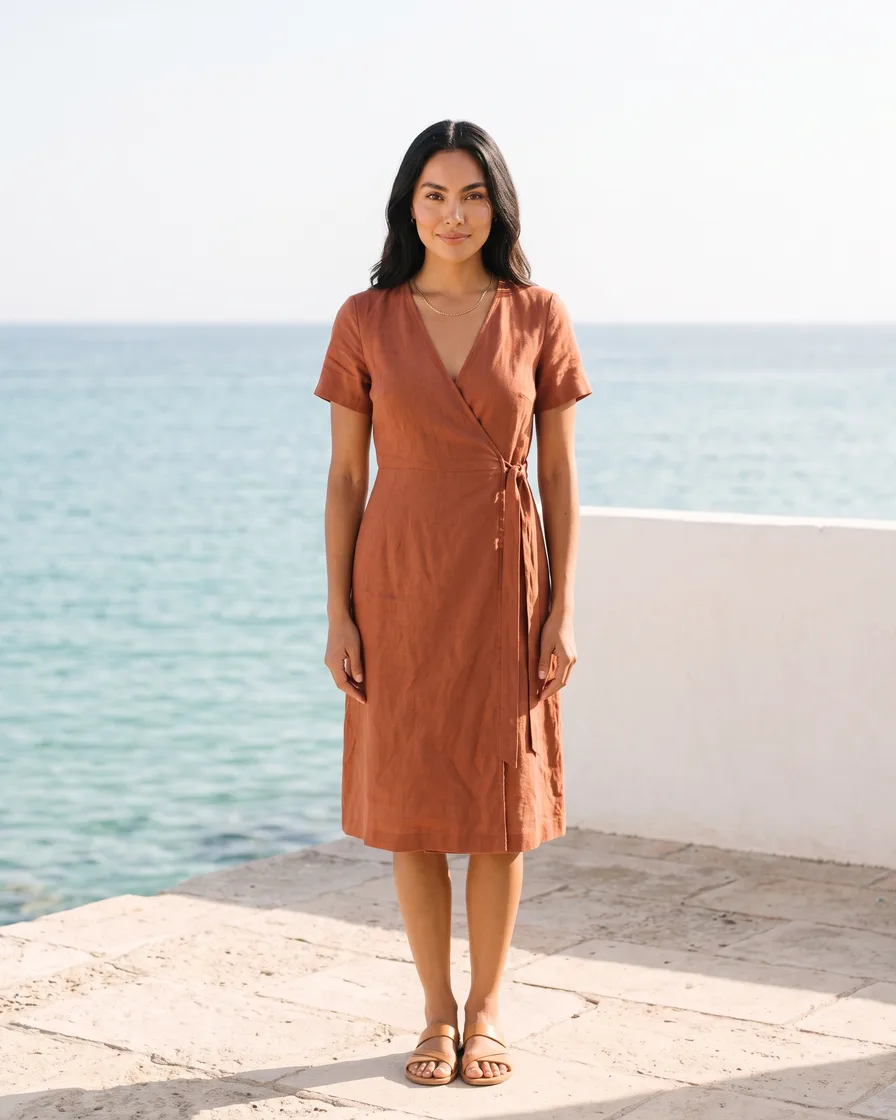
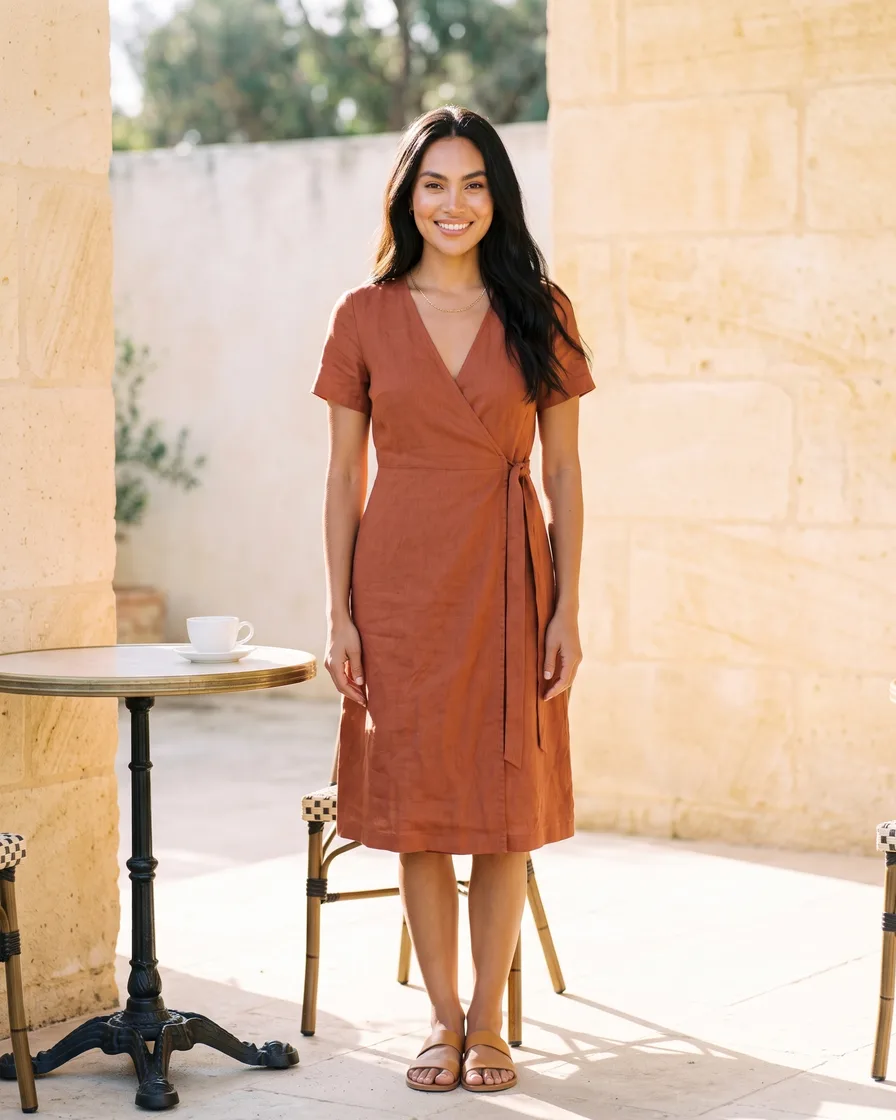
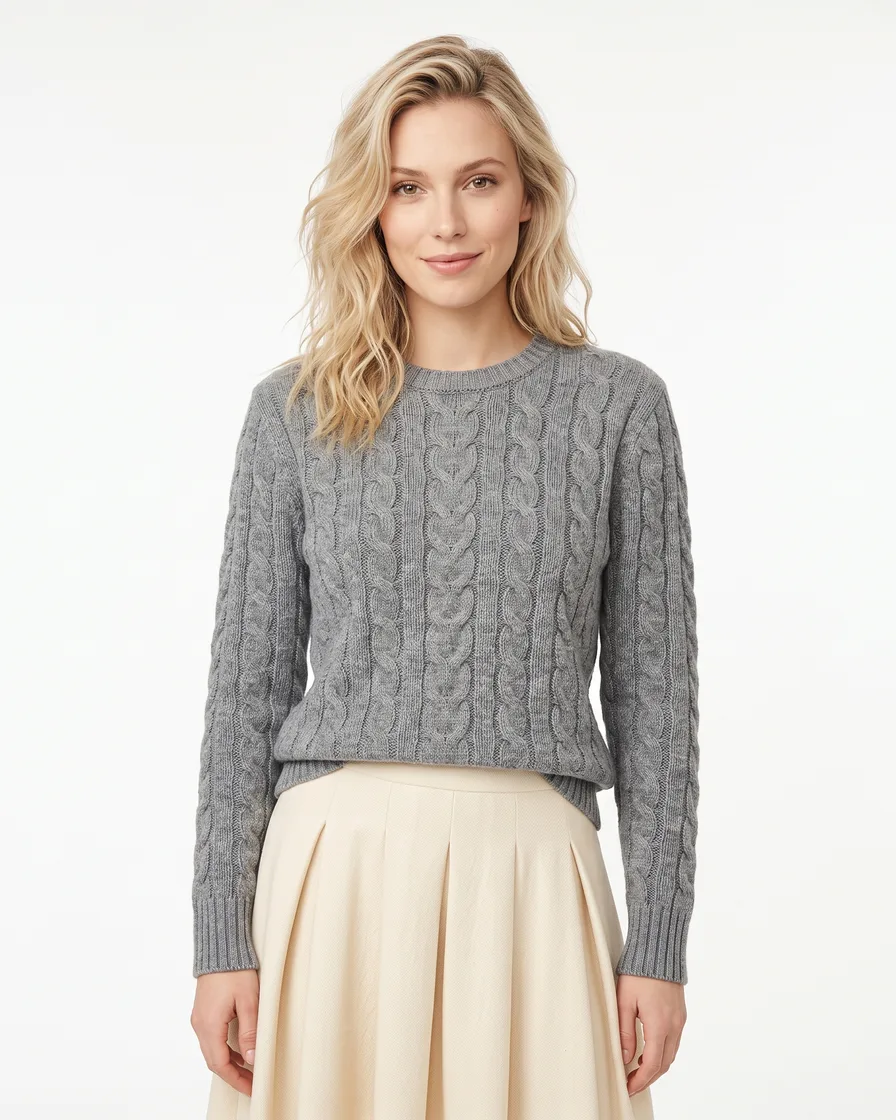
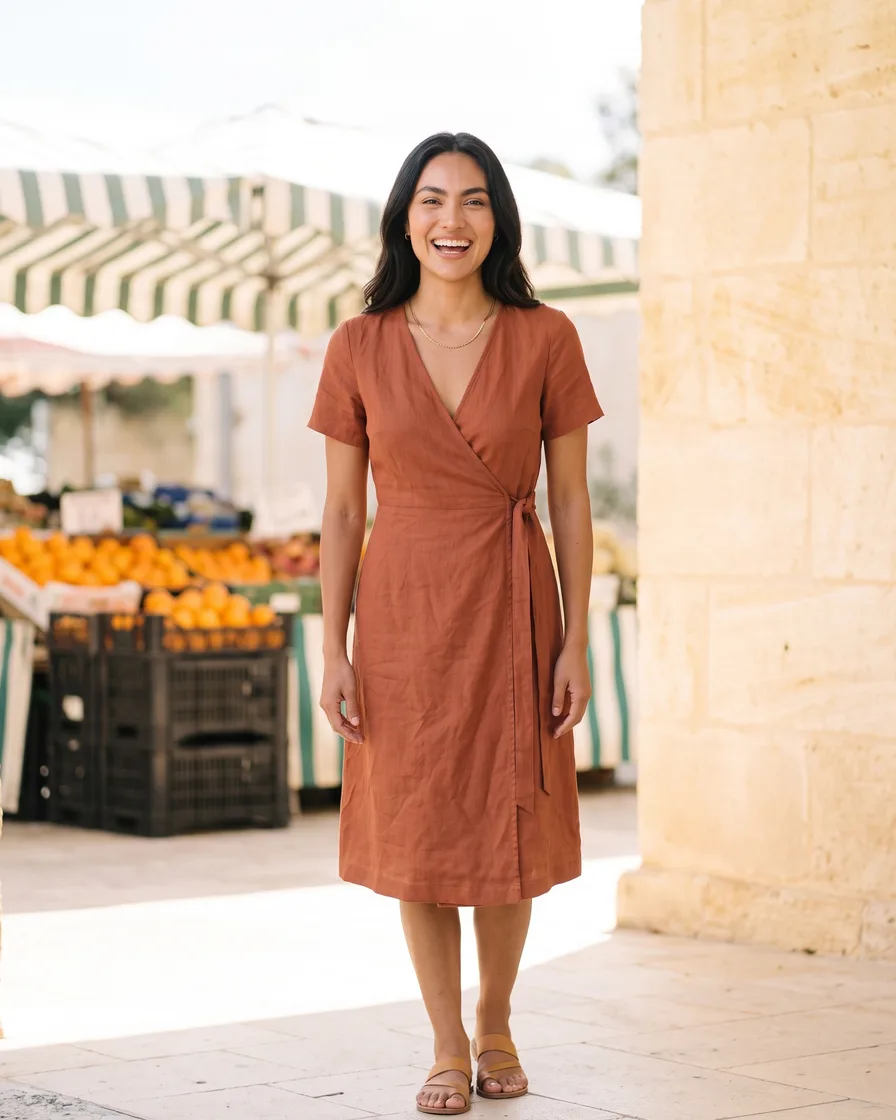
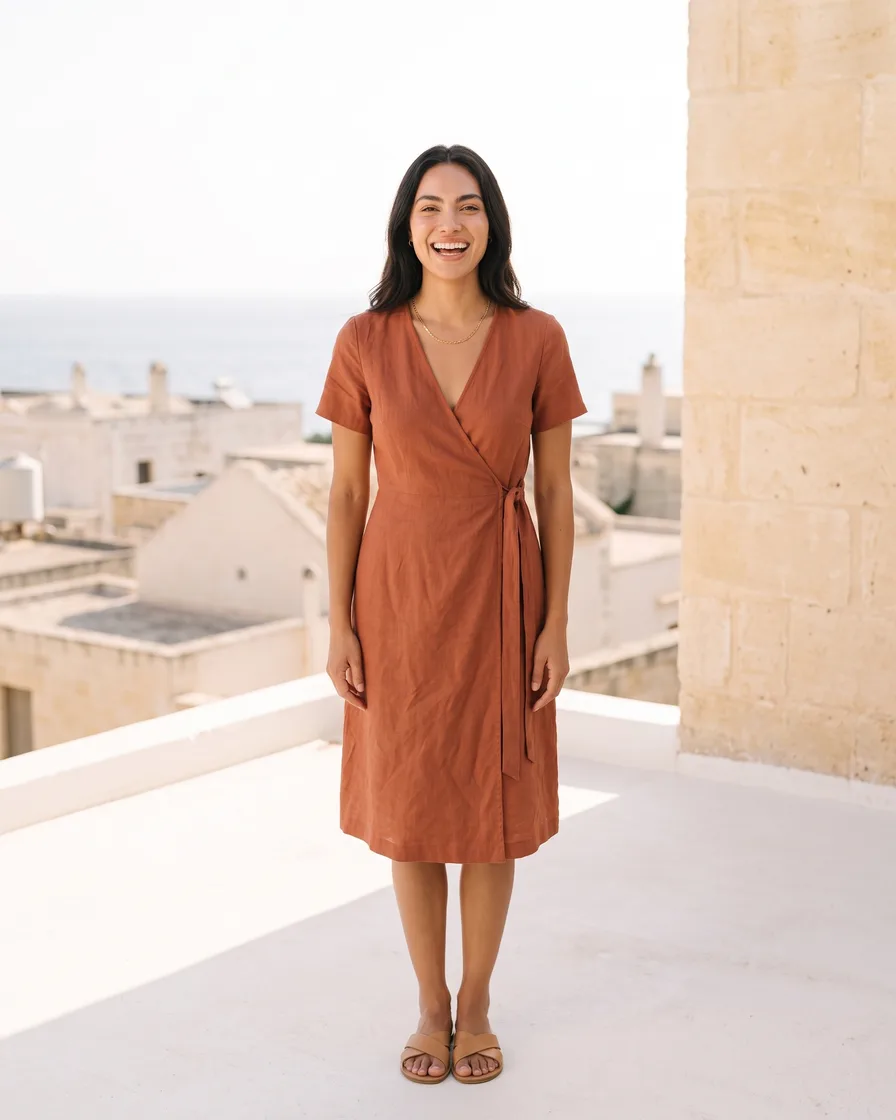
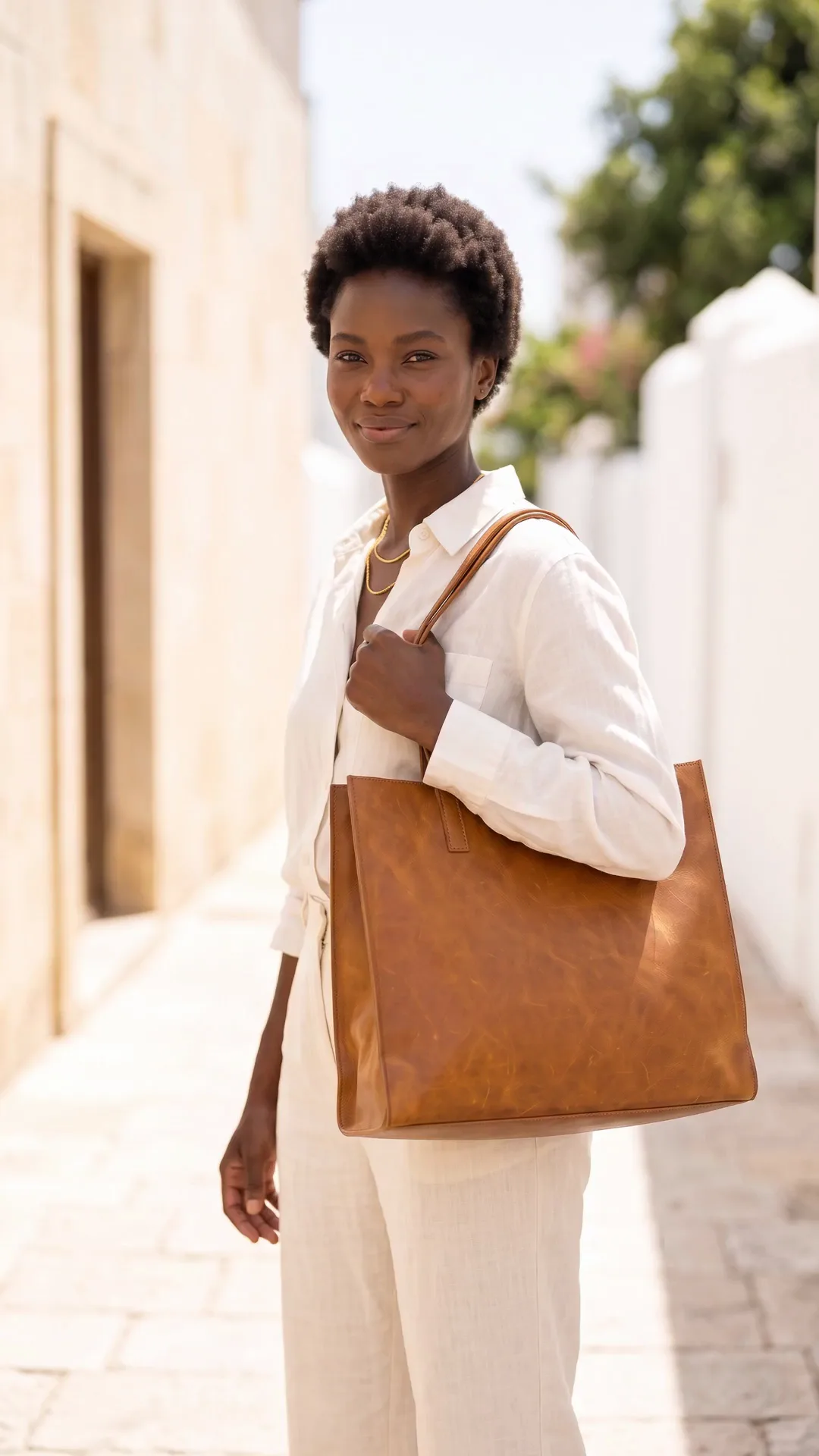
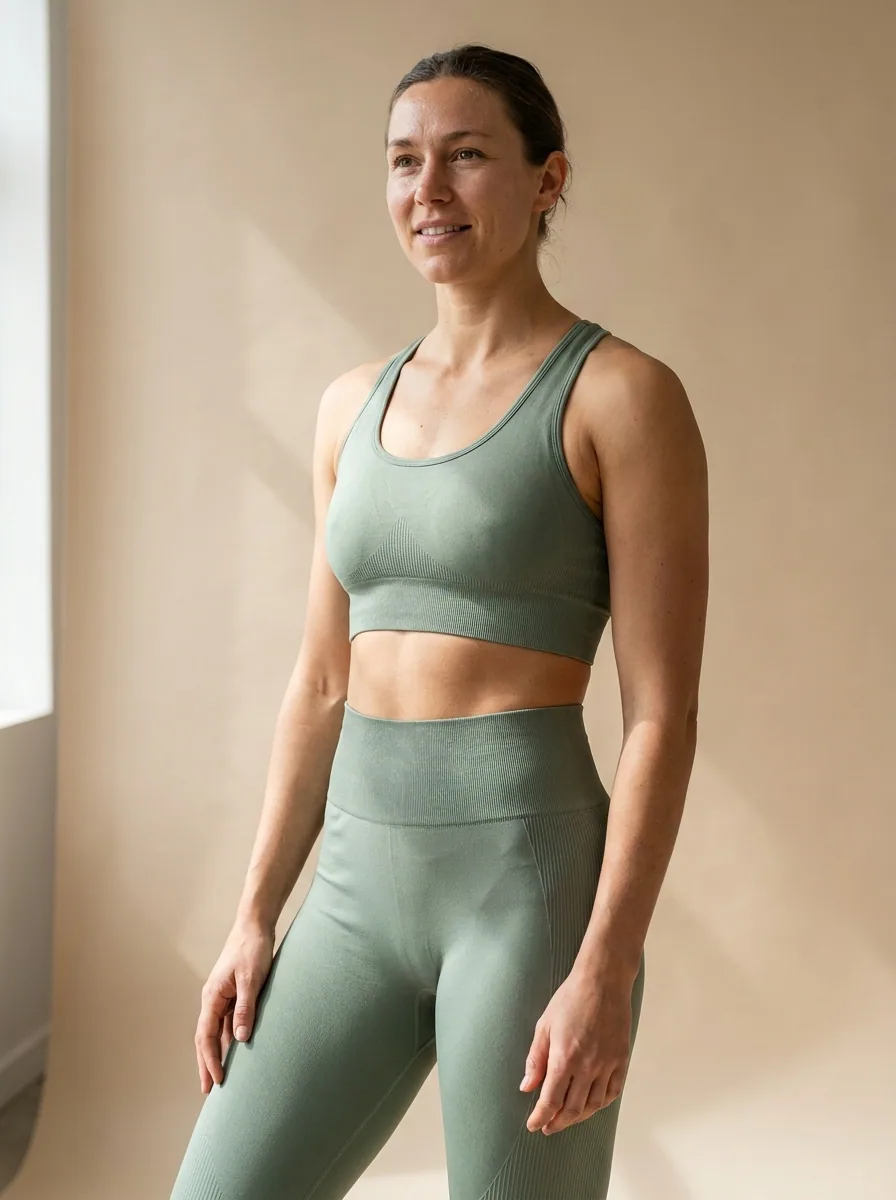
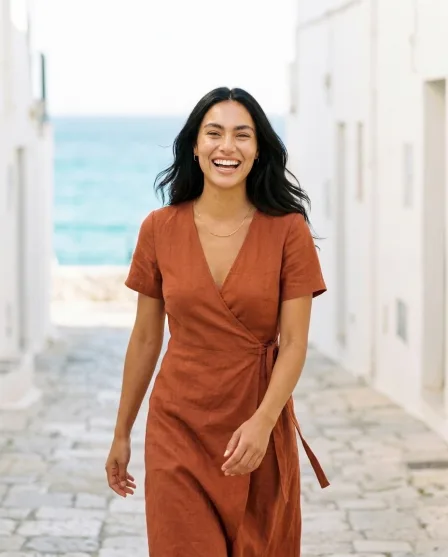
On-model clothing image generated with Nano Banana ProNano Banana Pro
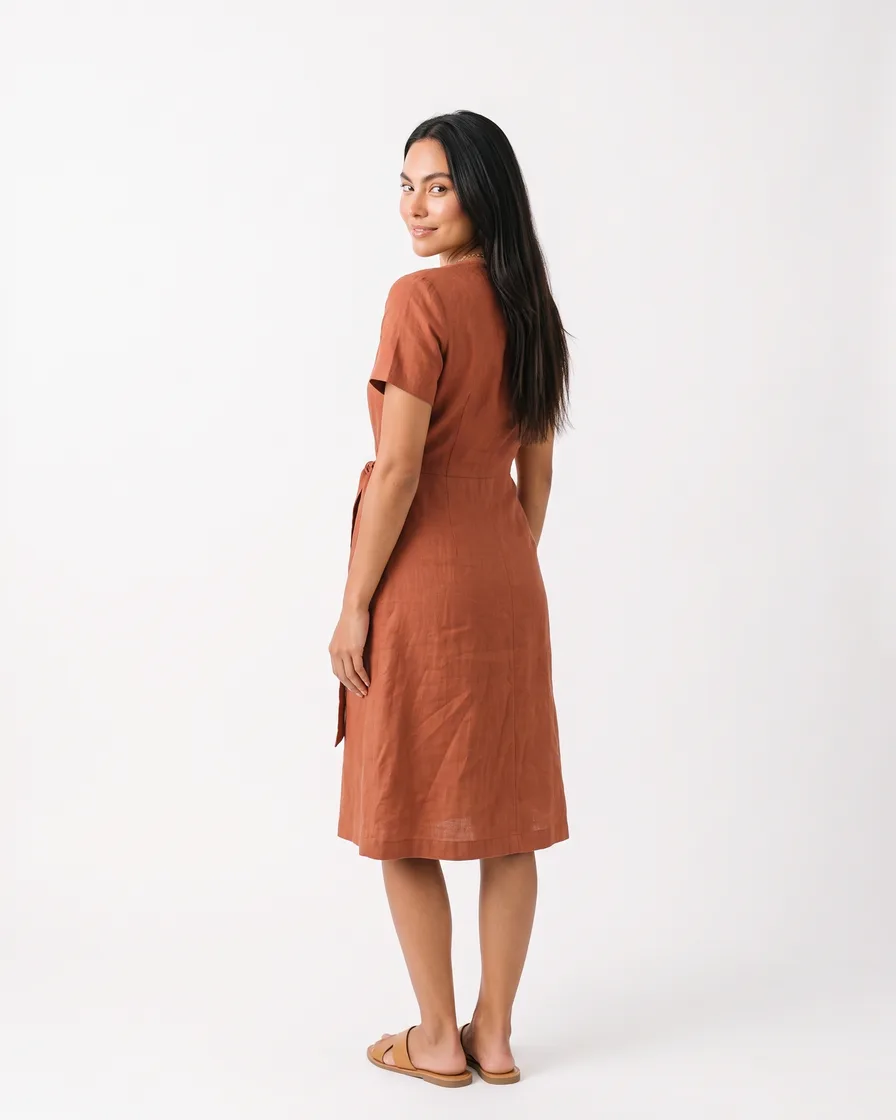
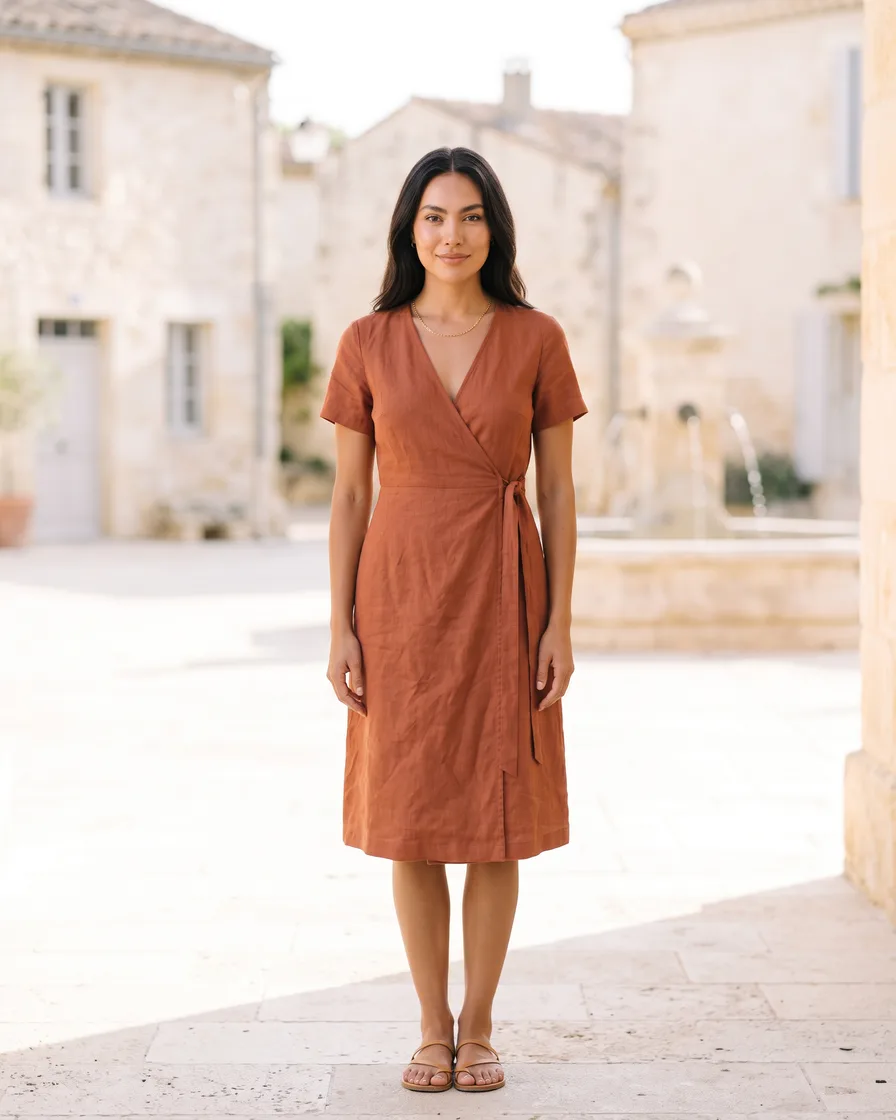
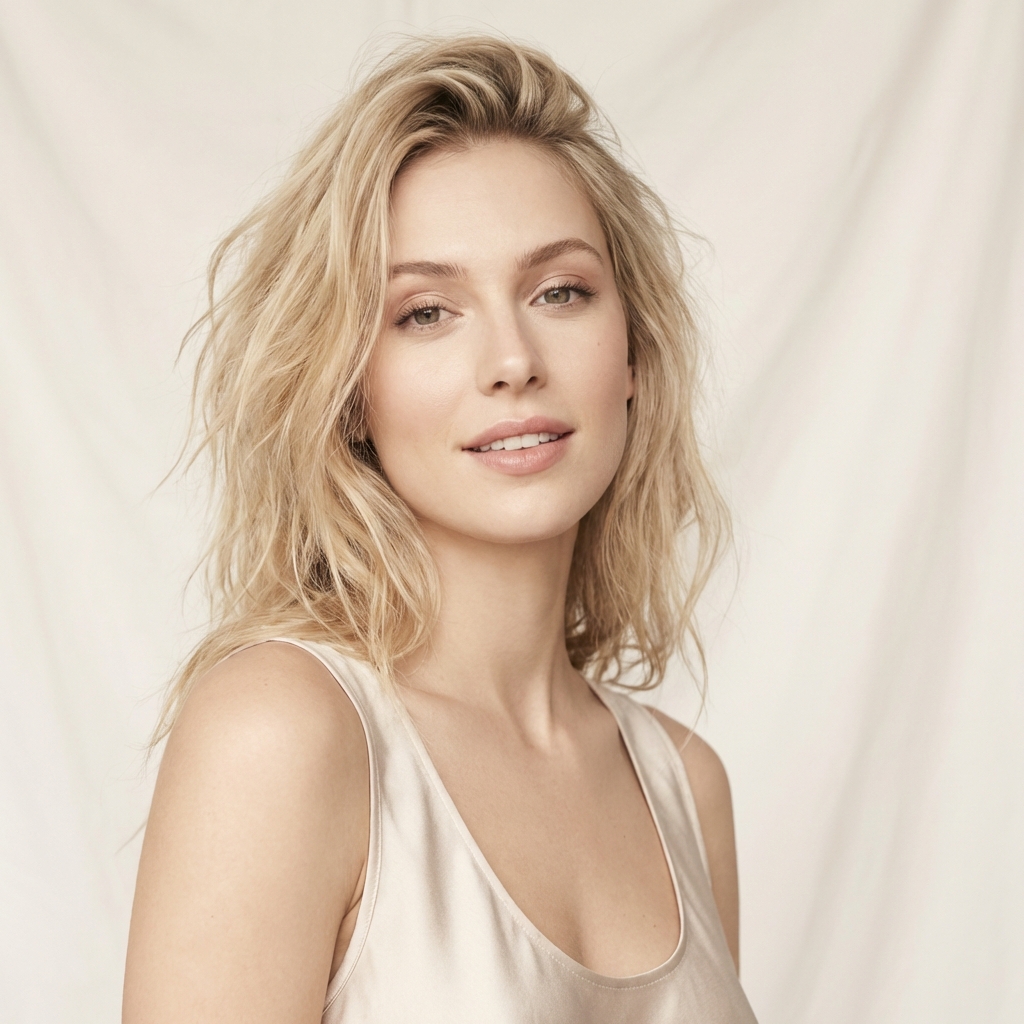
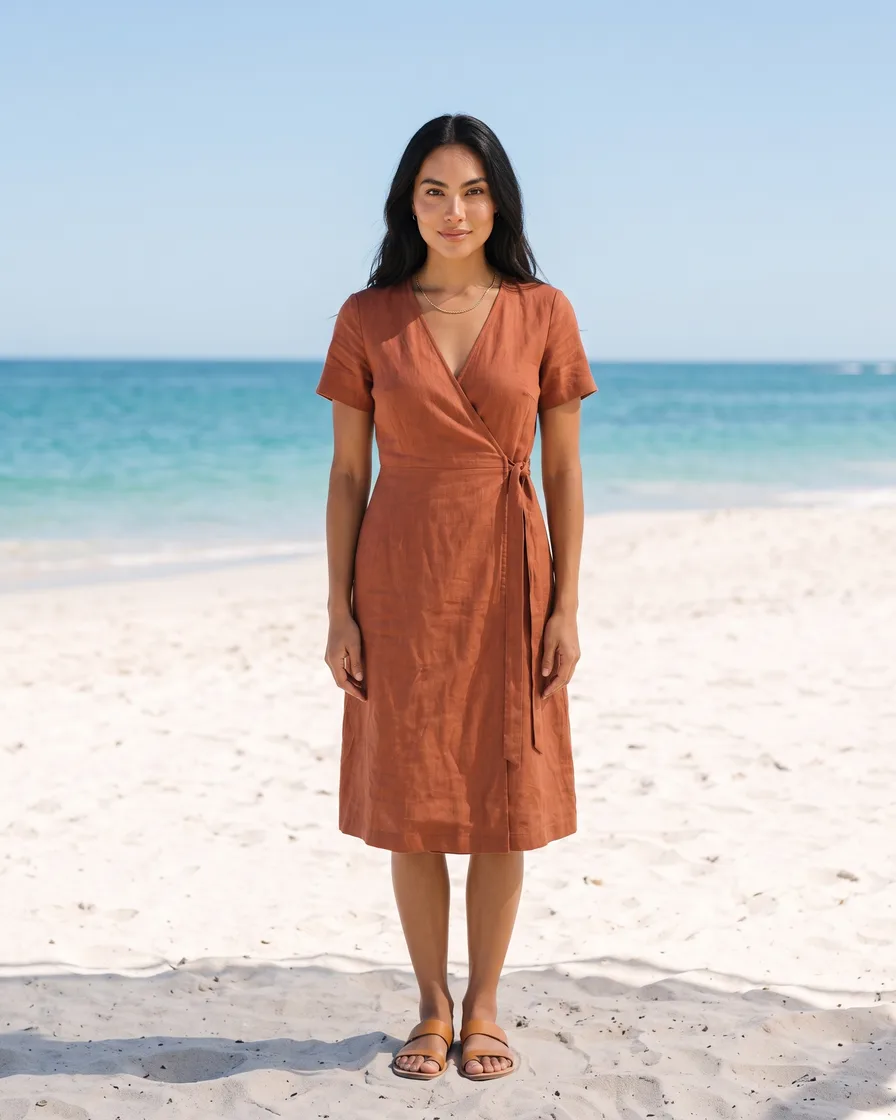
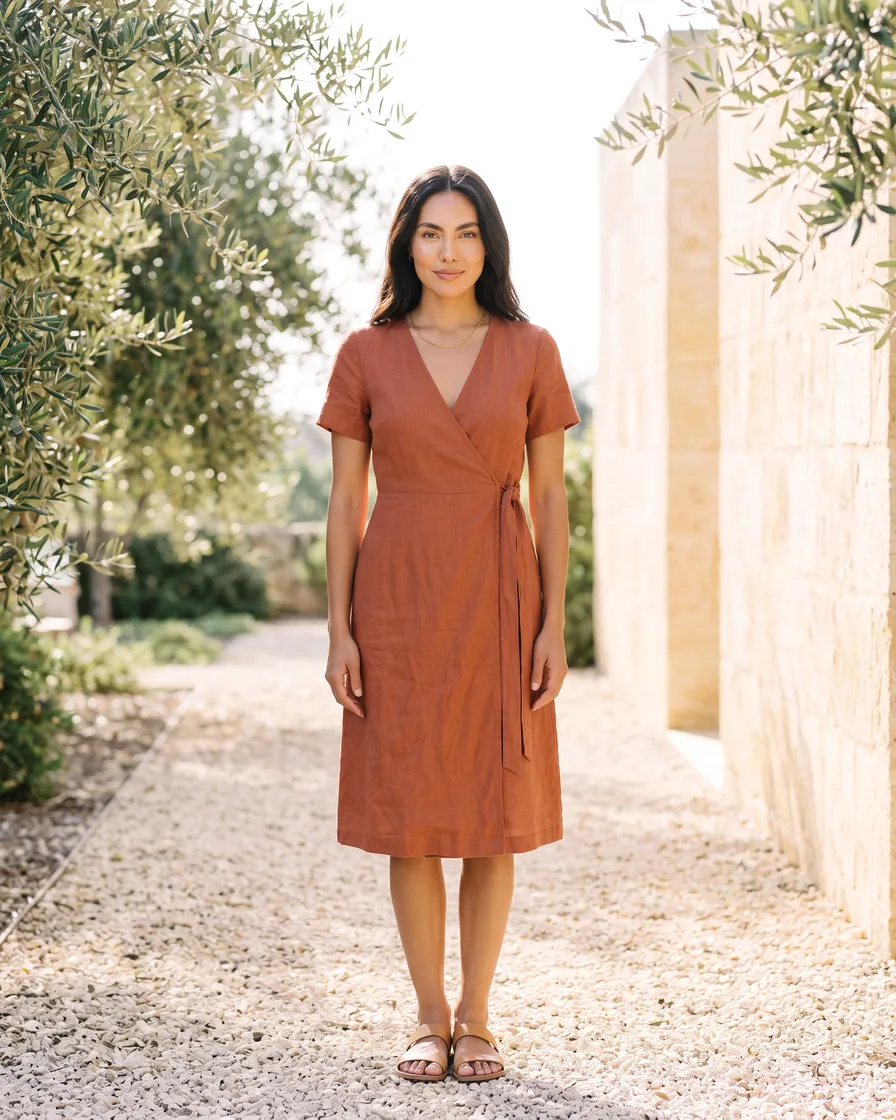
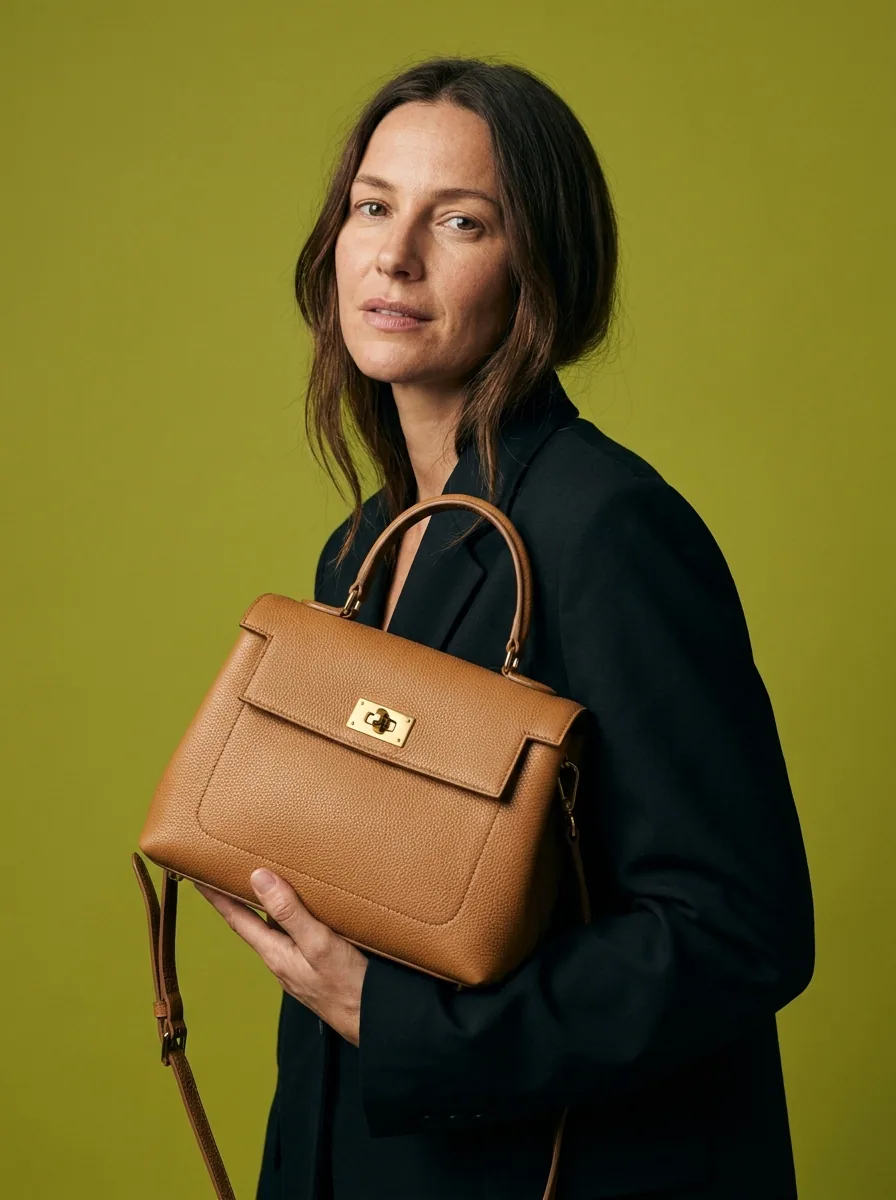
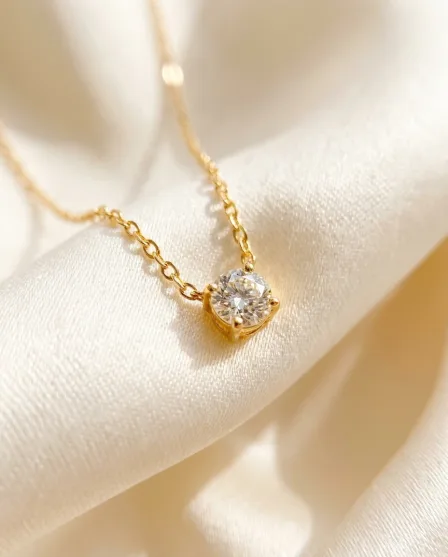
On-model clothing image generated with Seedream 5Seedream 5
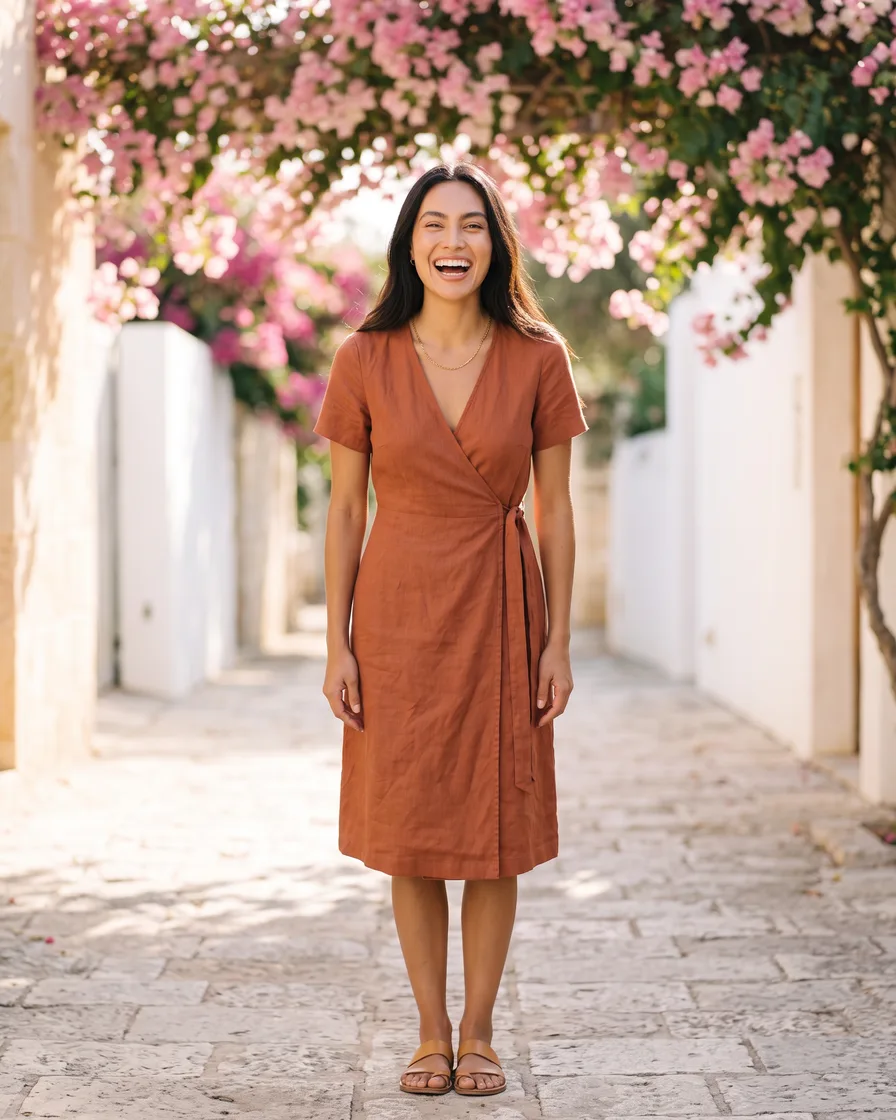
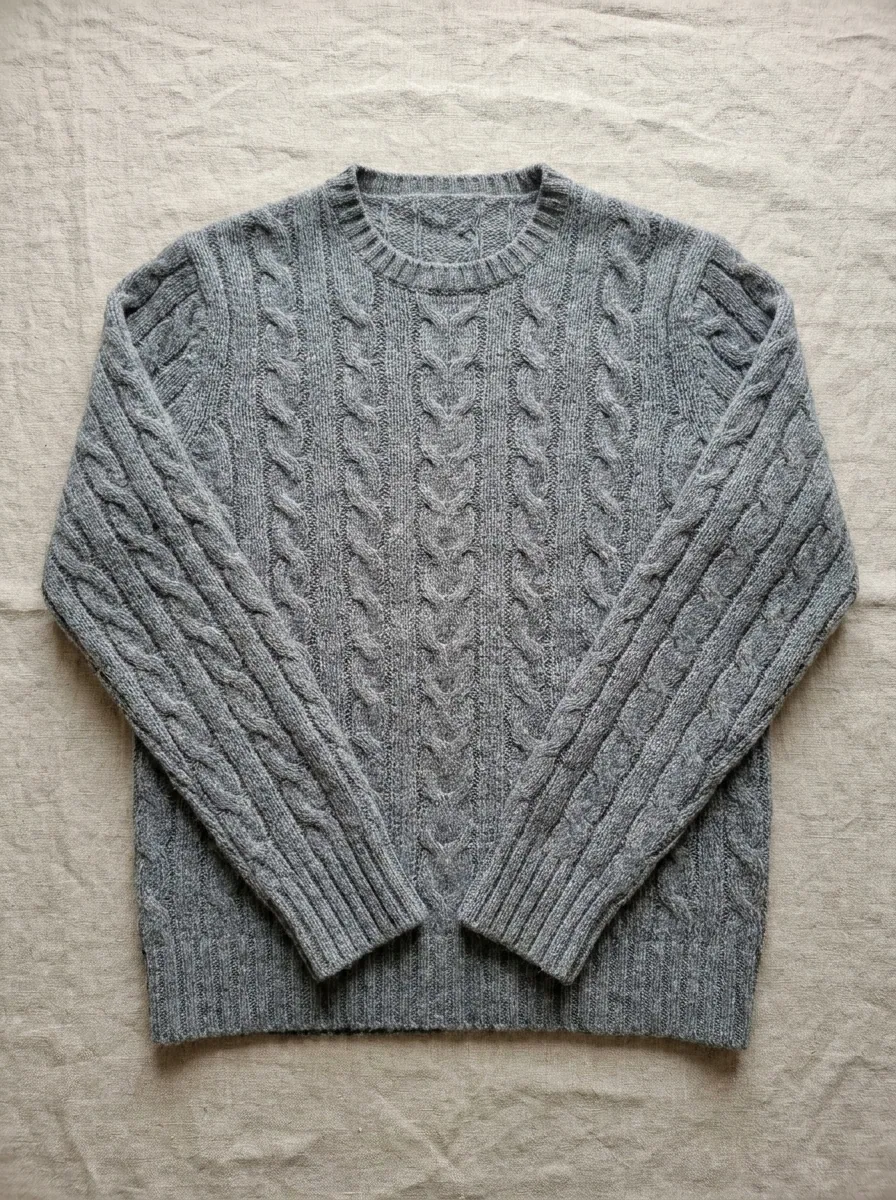
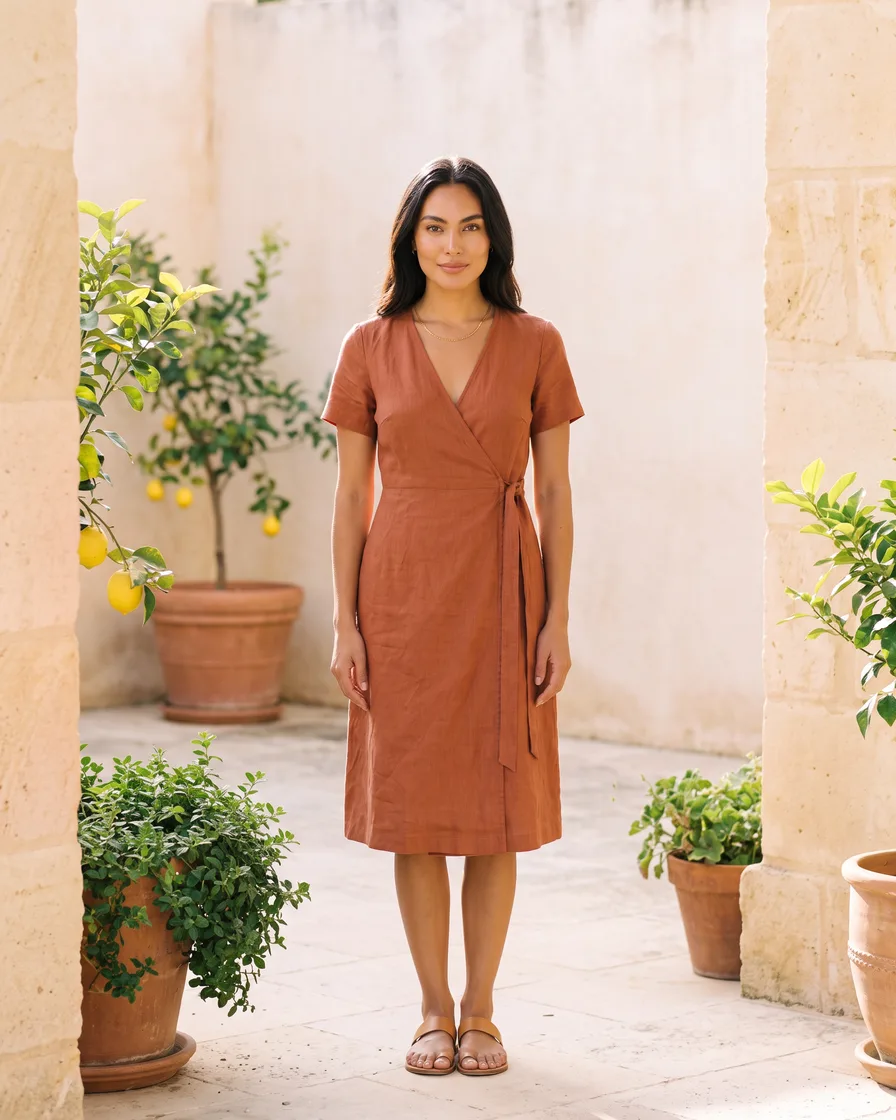
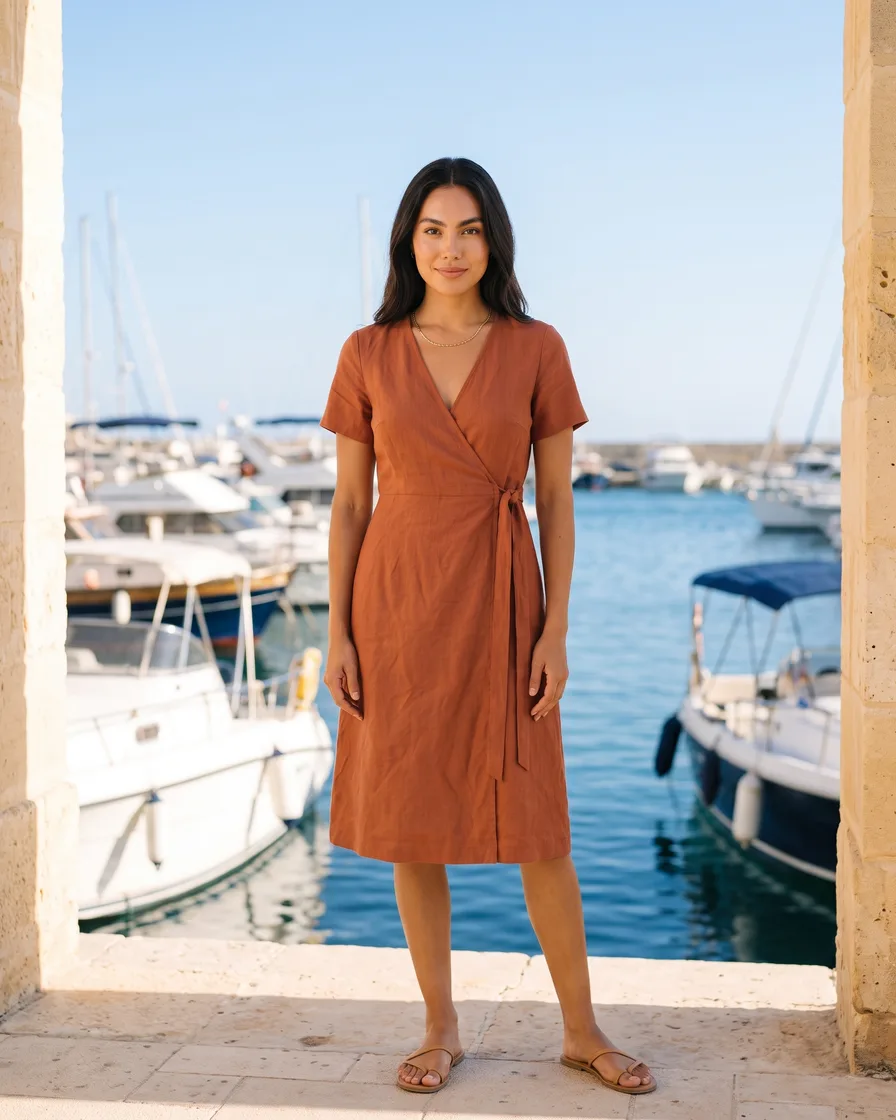
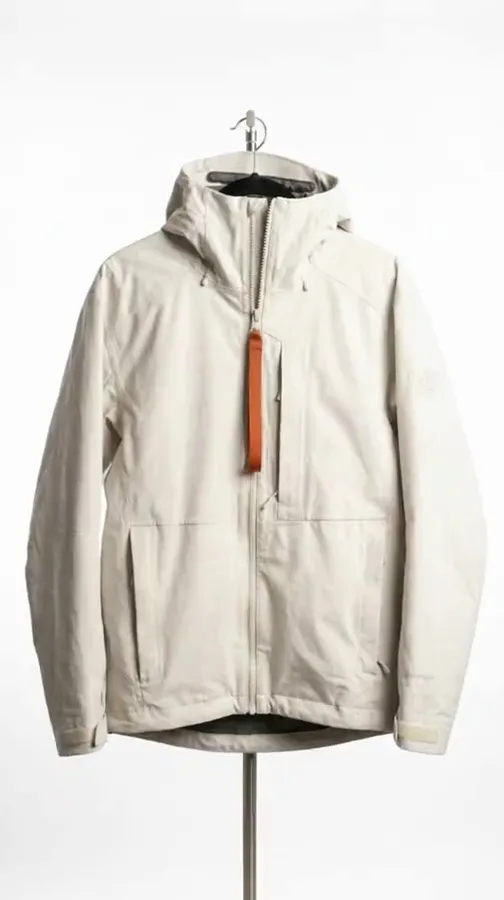
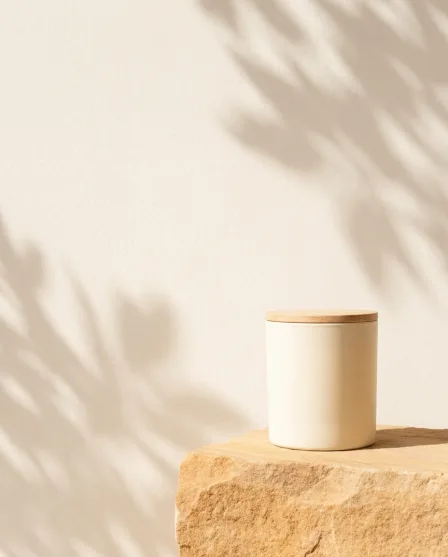
On-model clothing image generated with FLUX 2 FlexFLUX 2 Flex
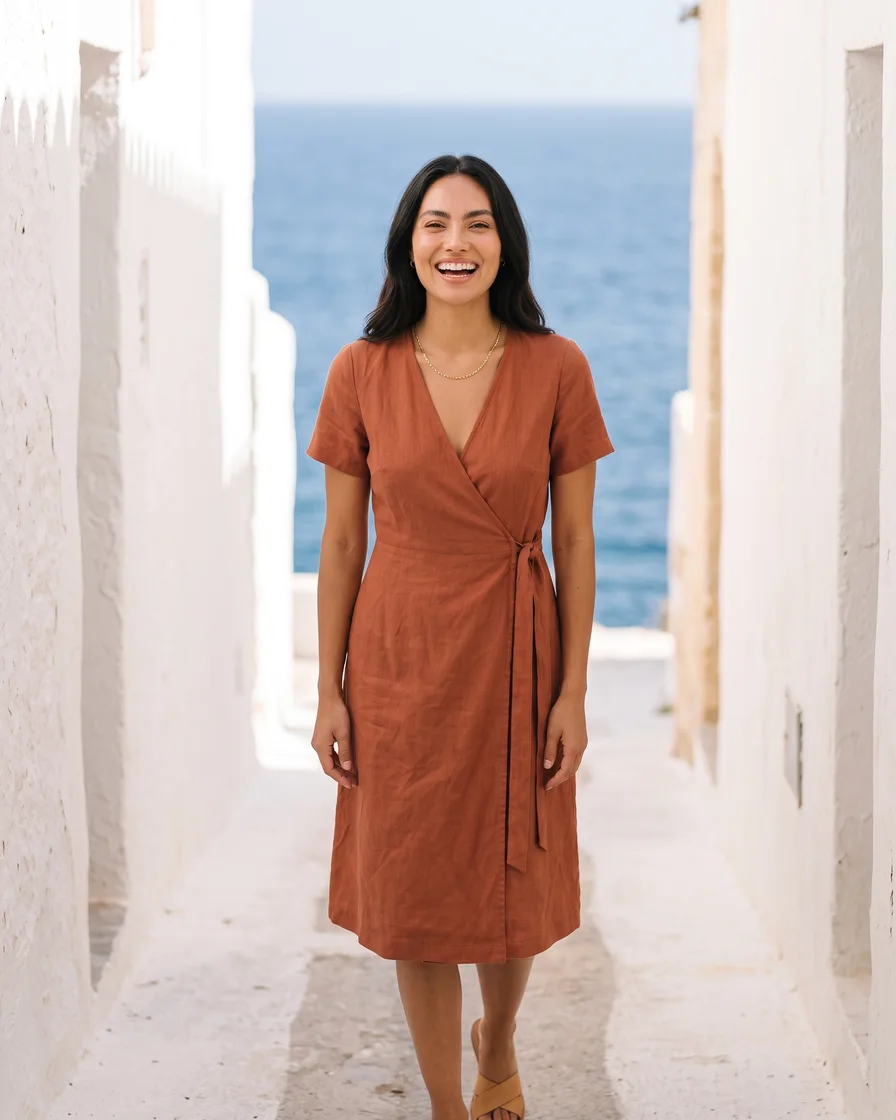
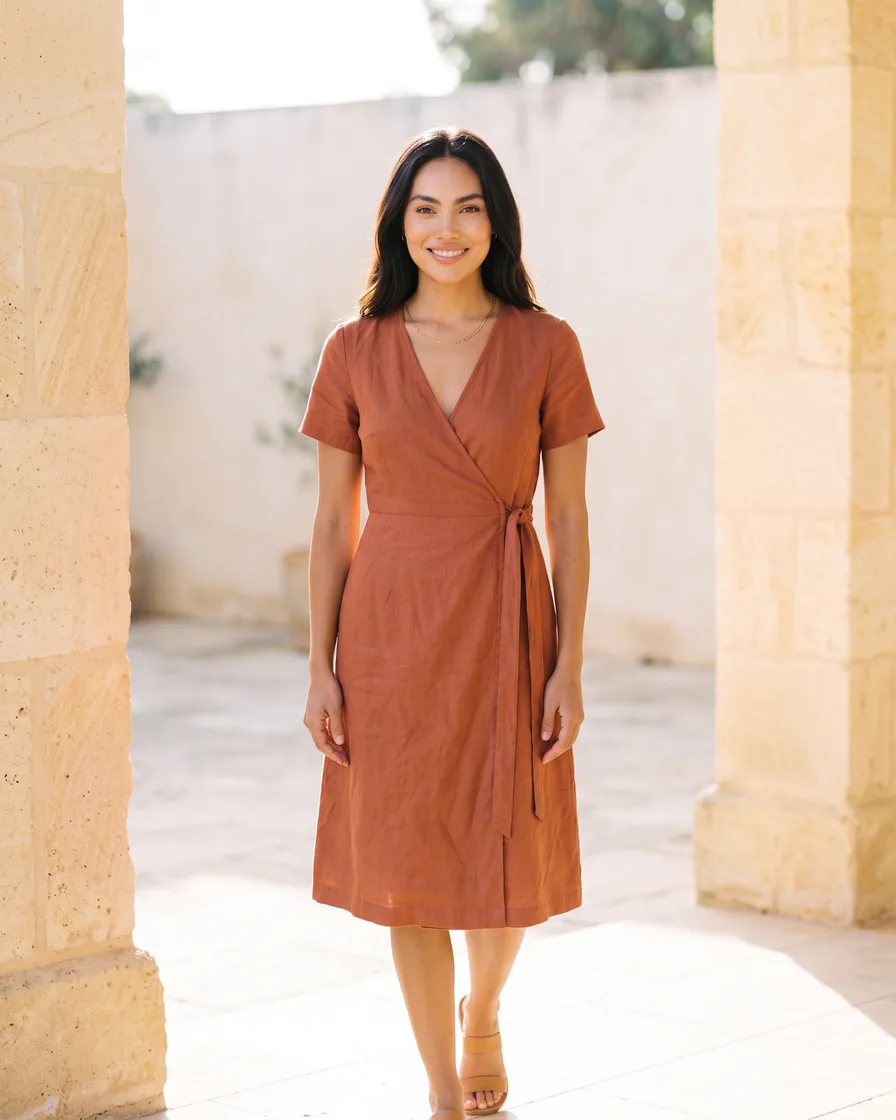
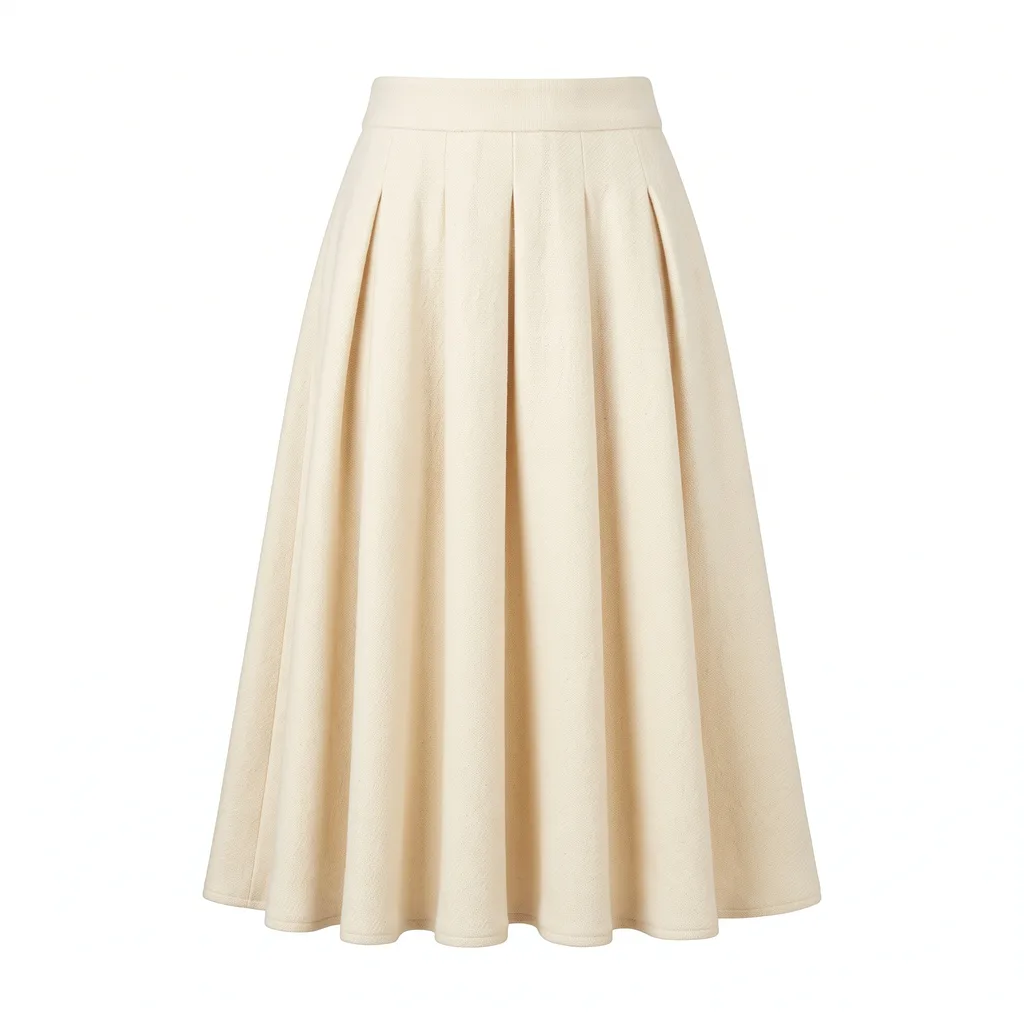
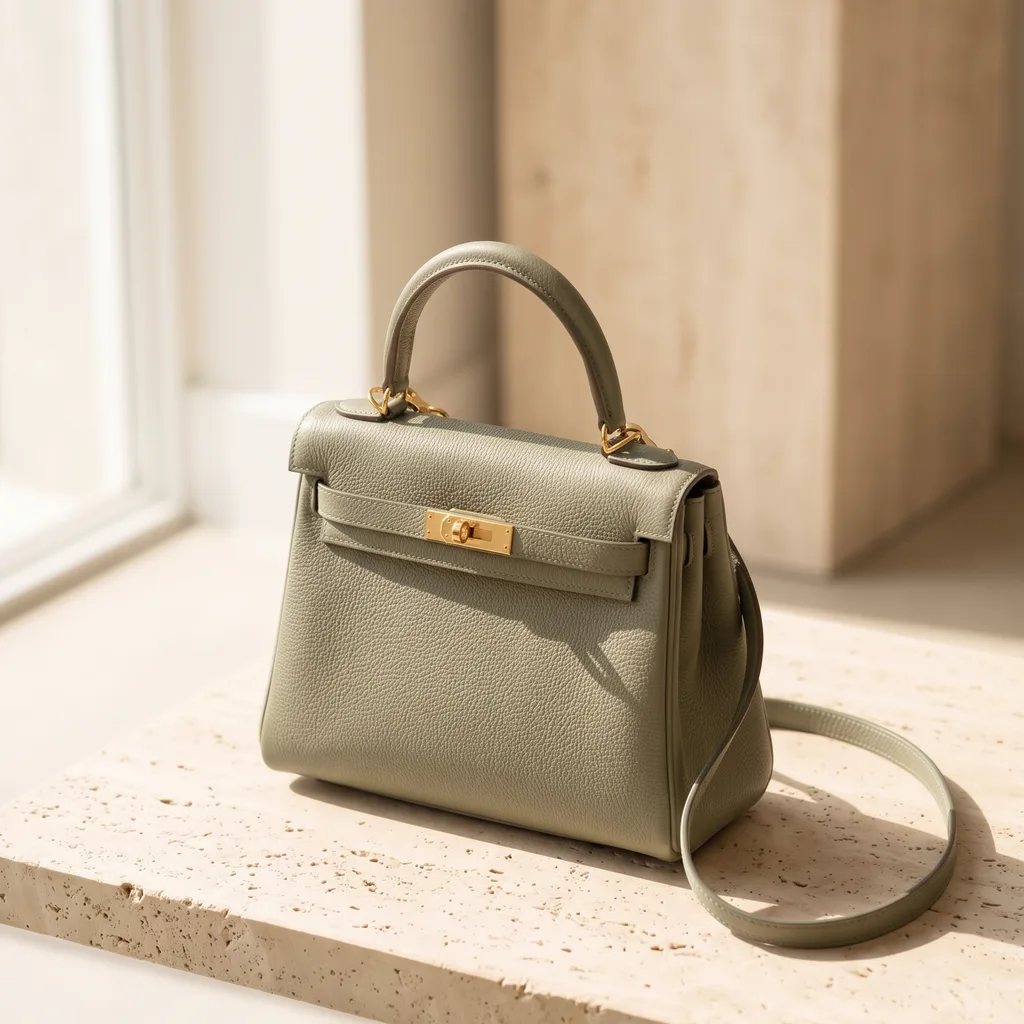
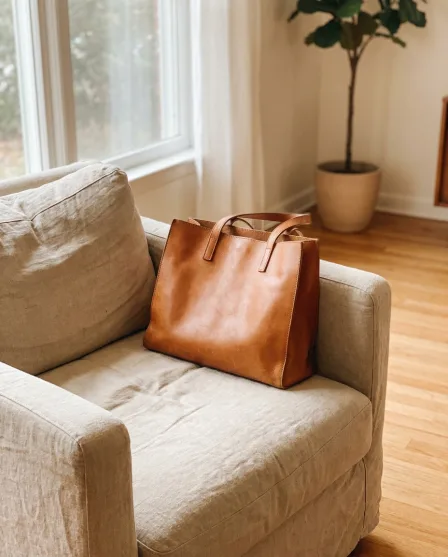
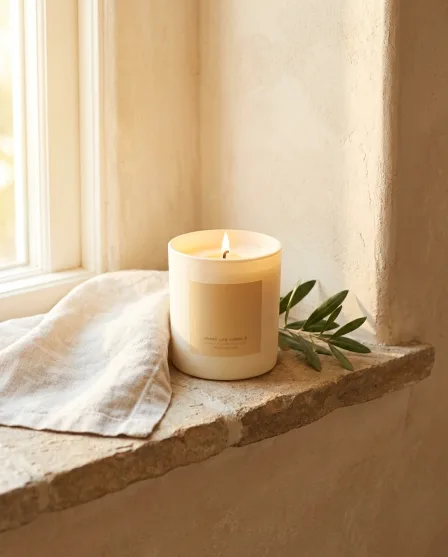
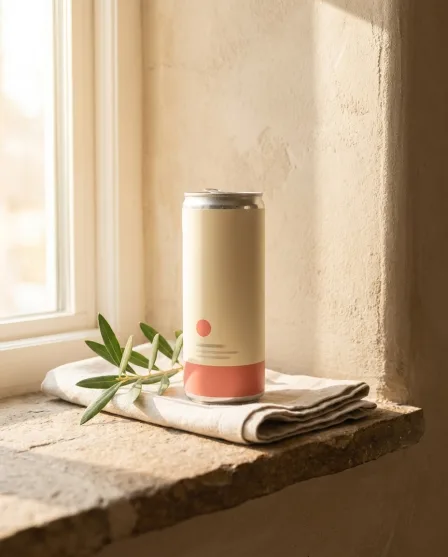
Styled clothing look made with DesignerBoxStyled look

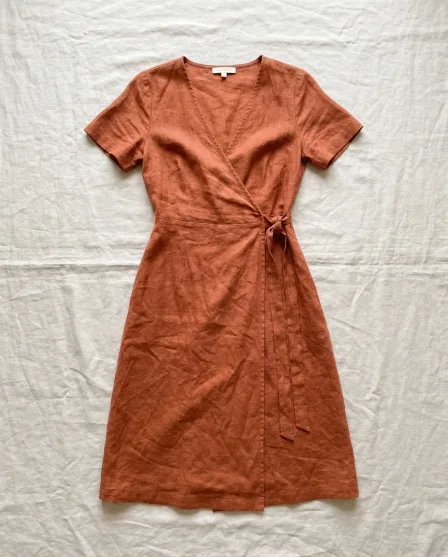
This page is for labels producing in small runs, made to order, or from deadstock, where the photography problem is a direct consequence of the production model. There is no surplus stock to send to a studio, sizes are cut to order, and a deadstock fabric may exist in enough quantity for eleven garments. Producing extra units so a camera has something to point at is waste, which is the thing the whole model is built to avoid. DesignerBox works from the one piece you did make: the on-model views, the size and colourway variations you genuinely offer, the flat lays and the campaign frames all come from that single capture.

What low-waste labels use it for

Four jobs the production model makes harder rather than easier.

Photograph without overproducing

A made-to-order label has one sample and no spare stock. Producing units for a shoot contradicts the model and costs materials that were the point. Work from the single piece you made and build the full set from it.

Show the range of bodies you cut for

Size inclusivity is a stated commitment for most labels here and an expensive one to photograph, because it means a sample and a fitting per size. Show the fit across the range you actually cut, from the sample you actually made.

Show the colourways you really offer

Deadstock and natural dye lots mean the same style exists in fabrics you hold in small quantity. Photograph each fabric you genuinely have and treat them together, so the range page reflects what a customer can order rather than a recoloured guess.

Keep the claims where they belong

The imagery sells the garment; the substantiation lives in the words. Keep produced settings clearly as styling rather than as evidence of a facility, a farm or a certification, and put the verifiable claims in text where they can be backed up.

See it on a real piece

Four tools, each aimed at getting more from a single sample.

Virtual Try-On
Virtual Try-On

Virtual Try-On

Made-to-order means the garment often does not exist until someone buys it, so a fitting cannot happen first. Start from the sample and produce the on-model view, which lets a customer judge the cut before committing to something cut for them.

Open the tool
Flat Lay Studio - Before
Before
Flat Lay Studio - After
After
Flat Lay Studio

Flat Lay Studio

The construction is the argument for a garment built to last, and a flat lay shows it better than anything: the seam, the finish, the weight of the cloth. Flat Lay Studio makes that shot consistent across a range rather than dependent on the day.

Open the tool
Styled Scene Generator

Styled Scene Generator

Campaign imagery needs a setting and location shooting has its own footprint and cost. Styled Scene Generator places a finished frame into a chosen environment, kept clearly as styling rather than presented as a real place in your supply chain.

Open the tool
Brand Story Creator
Brand Story Creator

Brand Story Creator

Labels in this space are bought for what they stand for as much as what they sell, which means the brand materials do real work. Brand Story Creator builds a consistent set of them so the message holds together across every surface.

Open the tool

Each before and after above demonstrates the tool named on the card, using that app's own sample image, so the subject you see may not be from this industry. Run the same tool on your own photos to see it on your work.

From one sample to a full range page

Four steps that do not require producing anything extra.

1
Photograph the sample you made
One sharp, evenly lit capture of the actual garment, with the fabric and the construction clearly visible. On a low-waste label this is likely the only unit that exists, so it is worth doing carefully and once.
2
Set the look
Fix the light, the background and the crop. Keep it honest to the cloth, because a heavily stylised treatment on a natural fibre or an undyed fabric misrepresents the material that is the reason to buy it.
3
Build the range page
Produce the on-model views across the sizes you cut, the flat lays, the detail crops and the campaign frames, covering only the fabrics and colourways you genuinely offer.
4
Save it for the next piece
Save the sequence so the next style joins the range looking like part of it. Consistency matters more here than elsewhere, because a small range is judged as a whole.

Where the images go

Four surfaces, and a claims rule that applies to all of them.

Product and range pages

A made-to-order purchase asks for more trust than a stocked one, because the customer is committing before the garment exists. The images have to carry the construction, the fabric and the fit clearly, and the copy alongside them has to carry the substantiated claims. Keep those two jobs separate and both do better.

Social

This audience reads carefully and reacts badly to imagery that overstates. Feed at 1080 by 1350 and stories at 1080 by 1920, built from the same captures as the product pages, with produced settings clearly styling rather than documentary. Process content of the real workshop is worth far more here than a generated one ever could be.

Transparency pages and impact reporting

Supply chain pages, material breakdowns and impact statements are where the substance sits, and they should use real photographs of real suppliers and facilities. Produced imagery does not belong on these pages at all. Use it for the garment, never for the evidence.

Wholesale and stockists

Retailers carrying this kind of label want a clean line sheet and documentation they can stand behind, since they inherit the claims when they resell. Produce the line sheet from the same captures as the campaign so the two agree, and keep the certification detail in the paperwork.

More images, not more units

The tension in a low-waste label is that good commerce photography usually assumes stock. Multiple sizes on multiple models, spares in case something is damaged on set, a rail to pull from. A production model built to avoid surplus cannot supply any of that, which is why so many labels here are selling well-made clothing with two mediocre photographs. Working from one capture inverts the problem. The sample gets photographed properly once, then the on-model views, the size range, the flat lays and the campaign frames are produced from it, with no additional units cut for the camera. The discipline that has to travel alongside it is about claims. A styled setting is styling; it is not a picture of your workshop, your growers or your certification. Environmental claims are regulated in the UK, the EU and the US, and an image that implies one is treated the same as a sentence that states it.

Every model, one subscription

Natural fibres, undyed cloth and deadstock fabrics are exactly where image models differ most, because the appeal of the material is its irregularity and a model that smooths it away has removed the reason to buy. DesignerBox carries them in one workspace on one subscription rather than a licence each: Nano Banana Pro and Nano Banana 2 from Google, GPT Image 2 from OpenAI, Seedream 5 from ByteDance, and FLUX 2 Flex, FLUX Pro 1.1 and Kontext Multi from Black Forest Labs. Video runs on Veo 3.1 and Veo 3.1 Fast, Sora 2 Pro, Seedance 2.0, Kling 2.6 Pro and Runway Gen-4.5. Run a swatch through two or three and keep whichever renders the weave honestly.

Sustainable brand questions

What low-waste labels ask before they use this on a range.

Is using AI imagery consistent with a sustainability position?
It is a fair question to put to your own customers rather than one with a universal answer. The argument in favour is specific: fewer sample units cut for the camera, fewer garments shipped to studios, no location travel for a lookbook. The argument against is that generative models carry their own energy cost. Both are true, and a label that has taken a public position should be ready to explain how it thinks about the trade-off.
Can I show a garment in a colourway I have not made?
No. Show what a customer can order. If a style exists in three deadstock fabrics, photograph the three you hold. Recolouring one photograph and presenting it as another fabric misdescribes the goods, and with deadstock it is worse than usual because the alternative may not exist in the quantity implied.
Can produced imagery appear on my transparency page?
No, and this is the clearest line on the page. Supply chain, facility and grower imagery is evidence, and evidence has to be photographic. A produced image of a workshop that is not yours, next to a claim about your production, is exactly the conduct green-claims regulators are enforcing against. Keep produced imagery to the garment and the styling.
How do I show size inclusivity honestly?
Show the fit across the size range you genuinely cut, produced from the real sample, and publish the garment measurements for every size. The commitment is in what you actually manufacture. Imagery that implies a range you do not cut is worse than showing one size and saying so.
Do I have to label AI-assisted images?
Check the platform and the market, because both are moving. Several platforms already require realistic AI-generated or modified content to be labelled, and disclosure rules are being legislated in several markets. Given the audience this kind of label sells to, being explicit about it is likely the commercially safer choice regardless of what is strictly required.
How much does it cost to start?
Nothing to try. The free tier carries 112 credits a month, enough to take one sample through to a small set and judge it against the actual cloth. Paid plans run $15 a month for 500 credits, $35 for 1,000, $75 for 2,500 and $200 for 8,000.

Start with your one sample

Photograph the piece you made, build the range page from it, and produce nothing extra for the camera. The free tier covers it.

Start free