Home and furniture
Furniture product photography with AI
A sofa alone on white tells a buyer nothing about its size or its fabric. Put the piece in a room, rake the light across the weave, keep the verticals straight, and give the eye something to measure against. Every picture keeps your brand's look, at any volume.
Last updated
Who it is for
Does that sound like you?
Scaling without compromising quality.
You need more pictures every week for the shop, the ads and the socials. Anyone can make an AI picture. Making hundreds that still look like your brand is the hard part. A shoot for every product costs weeks, and every new generator returns a different look.
- A template or a workflow you build once, with your brand rules
- One run on one product, or a batch over your whole catalogue
- Every result in Assets, with the same look on the first and the last
Cut the waiting time and budget for deliverables.
You make this for clients, and every client has their own look. A shoot for each one costs weeks and most of the budget. A different generator for each one returns a different look, so somebody fixes it by hand before it is delivered.
- Each client's brand rules, saved once and used on every run
- A workflow you build once and run for every client
- A batch over a client's whole catalogue, delivered from Assets
Furniture photography
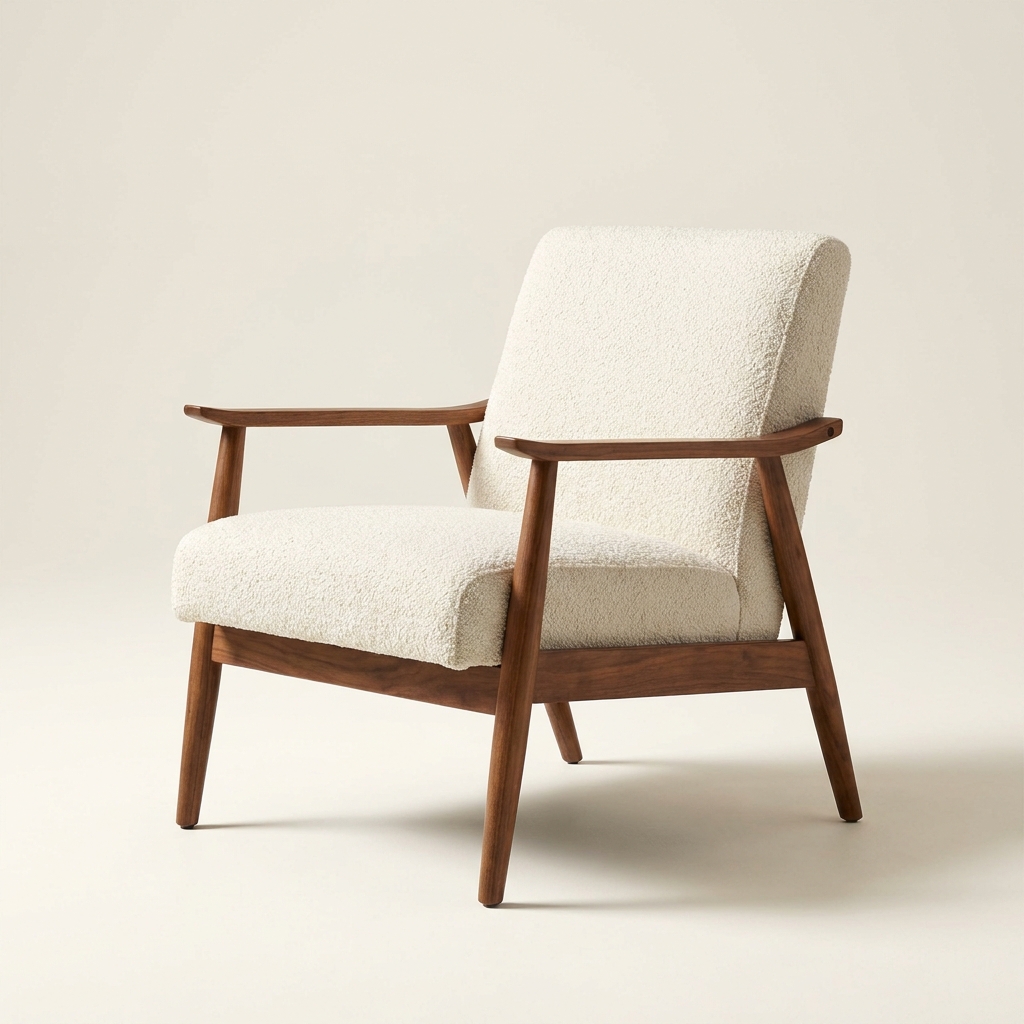
Furniture photography is the job of showing a large object at a size a buyer can judge from a screen. Three things carry it. A room around the piece, with a floor line, a skirting board and a doorway, gives the eye something to measure against. Raking side light shows the weave of a boucle or the figure in a walnut leg. Straight verticals keep a tall piece from leaning. Colour has to match the fabric that ships.
What furniture shots have to solve
Four problems a large piece brings that a small product never does.
Scale a buyer can read
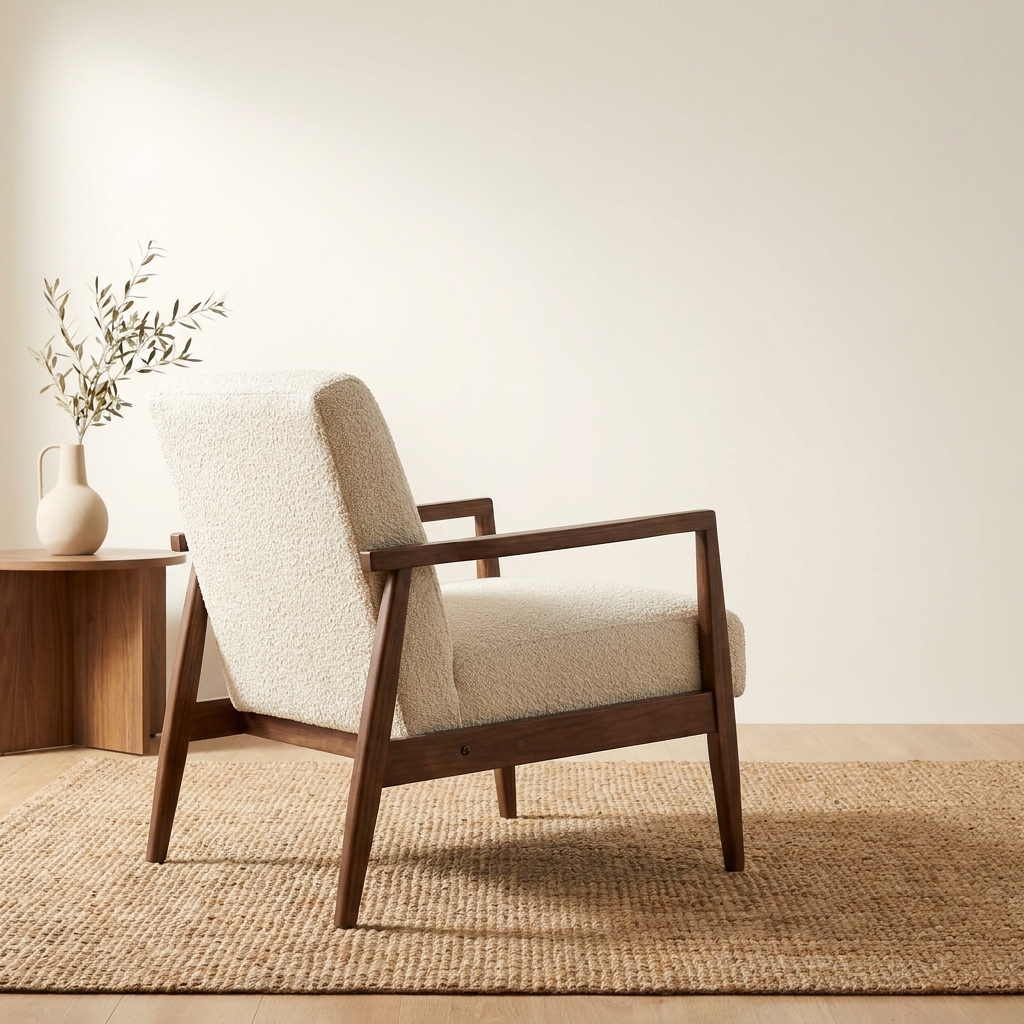
An armchair and a small accent chair look the same on a white background. The eye needs a reference. A floor line, a skirting board, a rug edge or a side table gives it one. A person in frame is the strongest cue, and a mug on a table is the cheapest.
Upholstery that looks touchable
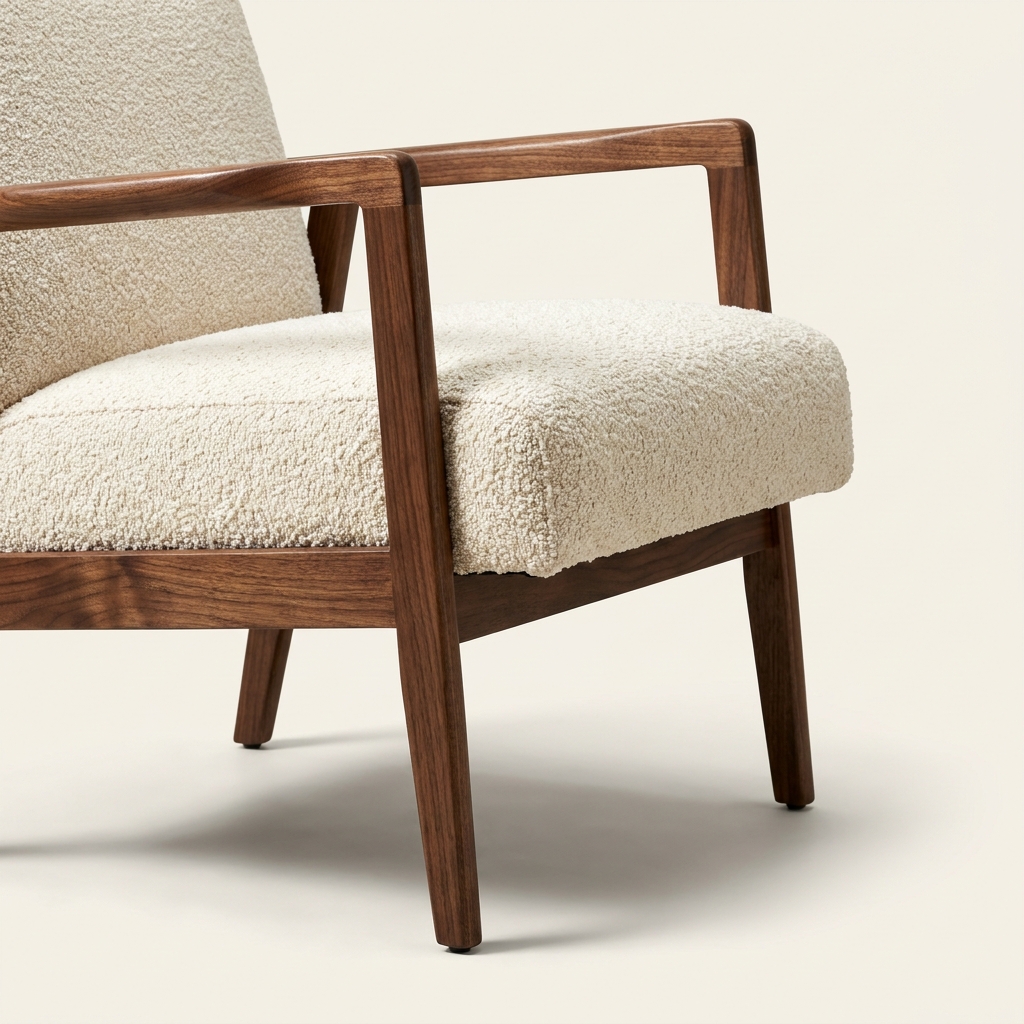
Flat light turns boucle into paper and velvet into felt. Light across the fabric instead of at it, so the pile throws small shadows and the loops of a boucle catch an edge of light. One close crop at full resolution does more for a fabric than three wide shots.
Wood grain and finish
Grain shows when the light runs along it at a low angle. Point a light straight at a polished leg and you get a white streak where the figure should be. Matte and oiled finishes want soft light. A gloss lacquer wants a large source it can reflect cleanly.
Straight lines and honest proportion
A wide lens close to a sofa stretches the near arm and shrinks the far one. Use more distance and a longer lens. Keep the camera level so the back legs and the wall stay vertical, because a leaning bookcase looks badly made even when it is not.
The shot list for a furniture piece
Four steps, starting with the frame everything else is built from.
Get the room shot right first. It is the hero, it sets the light for everything else, and it is the hardest frame to fix later. Cut the piece out second, while the light is fresh, because the white tile and every alternative room build reuse that file. Angles come third. Generating a back view before the light is settled means generating all of them again. Detail crops and the upscale go last, since they enlarge whatever is already there. Save the flooring, wall colour and light direction as a workflow, then every new piece joins the same room.
What a furniture listing needs
Four deliverables that answer the questions a buyer asks about a large piece.
Room hero at seat height
The piece in a styled room, camera level, floor and wall visible. This is the image that sells the look and settles the size question in one frame. It works as the collection page tile as well.
Clean cut-out on white
The same piece with the room removed, for the category grid and for any layout where a room would clash. Check the edges around turned legs and open frames, because those are where a cut goes wrong.
Fabric and joint close crop
A tight frame on the weave, the seam and the point where the arm meets the frame. Upscale it, because this is the image a buyer pinches into when they are deciding whether it is well made.
Back and side views
Furniture often stands away from a wall, so the back is visible. Give it a frame of its own, plus a straight side view that shows depth. Both answer questions a front photo leaves open.
Questions about furniture photography
What furniture sellers ask before they change how they shoot.
How do I show scale when nobody is in the photo?
Will the fabric colour on screen match what I ship?
Can I change the room around a piece I shot in a warehouse?
How many images does a furniture listing need?
How do I photograph a large piece in a small room?
What resolution do I need for a fabric close-up?
Other categories
The same craft, written for a different product.
Fashion and apparel
Drape, fabric weight and true colour, held across every image in a clothing listing.
Dresses
Hem line, the fall of a skirt, and a full-length garment inside a square crop.
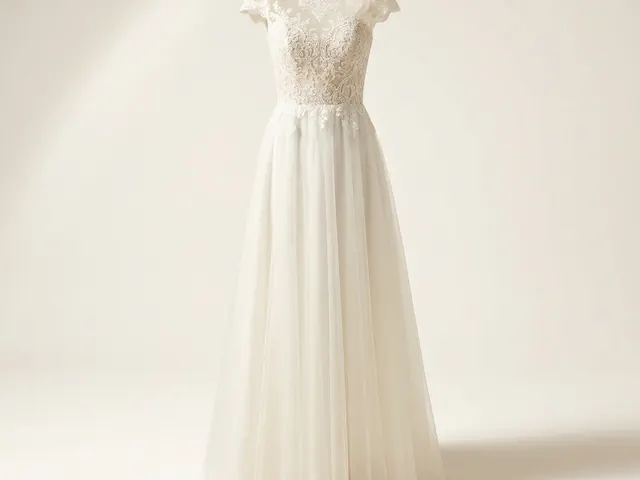
Wedding dresses
White on white, lace and beadwork detail, and a train that has to be measured.
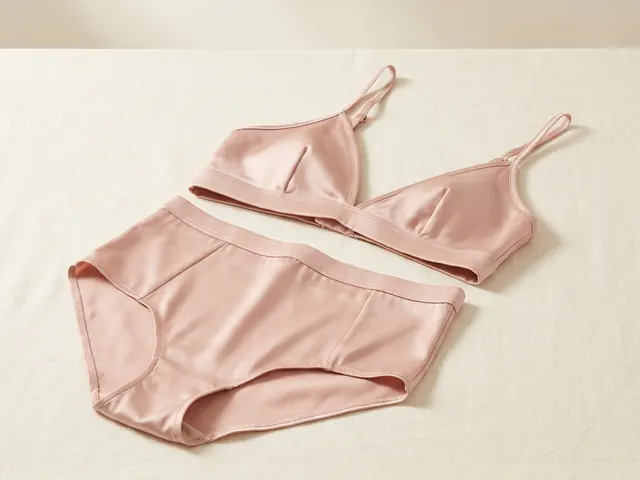
Lingerie photography
Flat lay sets, open lace cut-outs, sheer mesh backing and true nude colour.
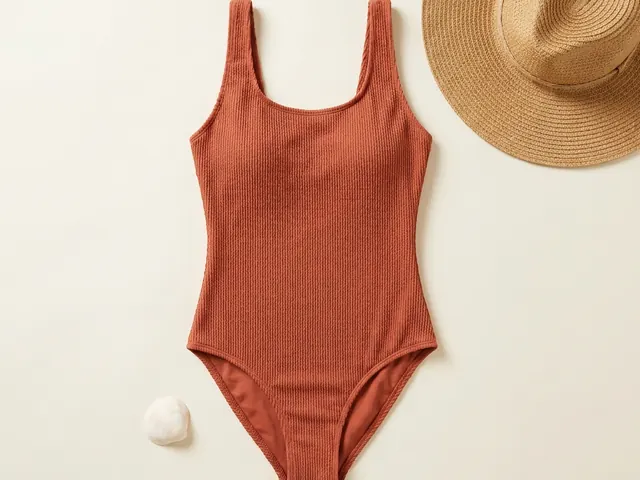
Swimwear photography
On-body fit, location light, wet colour shift and the print shown flat.
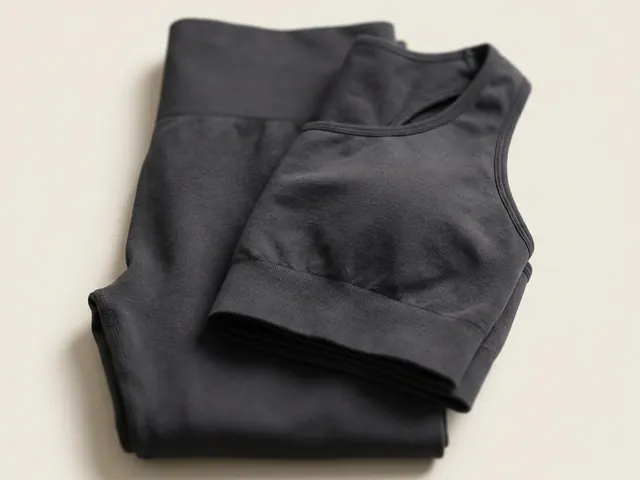
Activewear photography
Compression under tension, seam detail in raking light, and the back view buyers open.
Everything you need, in one place
The full workflow from the first product photo to the finished ad, in one subscription.
Scale content without limits.
Generate content for your products or services with AI, starting today, and keep your brand on every piece.