Fragrance and perfume
Fragrance product photography with AI
Build the fragrance set from a bottle photo you already have. Control the light so the glass draws its own edges. Hold the juice colour and keep the cap and collar sharp. Then photograph it in a scene that names the note. Every picture keeps your brand's look, at any volume.
Last updated
Who it is for
Does that sound like you?
Scaling without compromising quality.
You need more pictures every week for the shop, the ads and the socials. Anyone can make an AI picture. Making hundreds that still look like your brand is the hard part. A shoot for every product costs weeks, and every new generator returns a different look.
- A template or a workflow you build once, with your brand rules
- One run on one product, or a batch over your whole catalogue
- Every result in Assets, with the same look on the first and the last
Cut the waiting time and budget for deliverables.
You make this for clients, and every client has their own look. A shoot for each one costs weeks and most of the budget. A different generator for each one returns a different look, so somebody fixes it by hand before it is delivered.
- Each client's brand rules, saved once and used on every run
- A workflow you build once and run for every client
- A batch over a client's whole catalogue, delivered from Assets
Fragrance and perfume
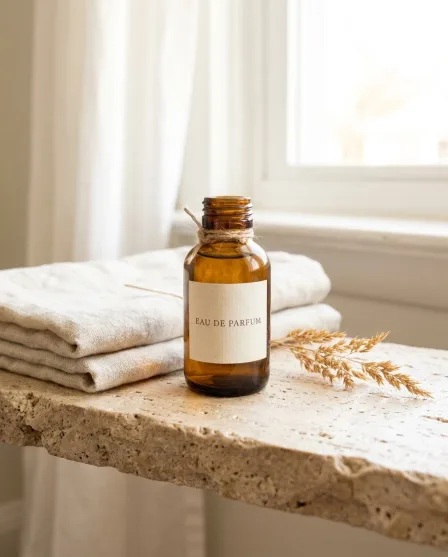
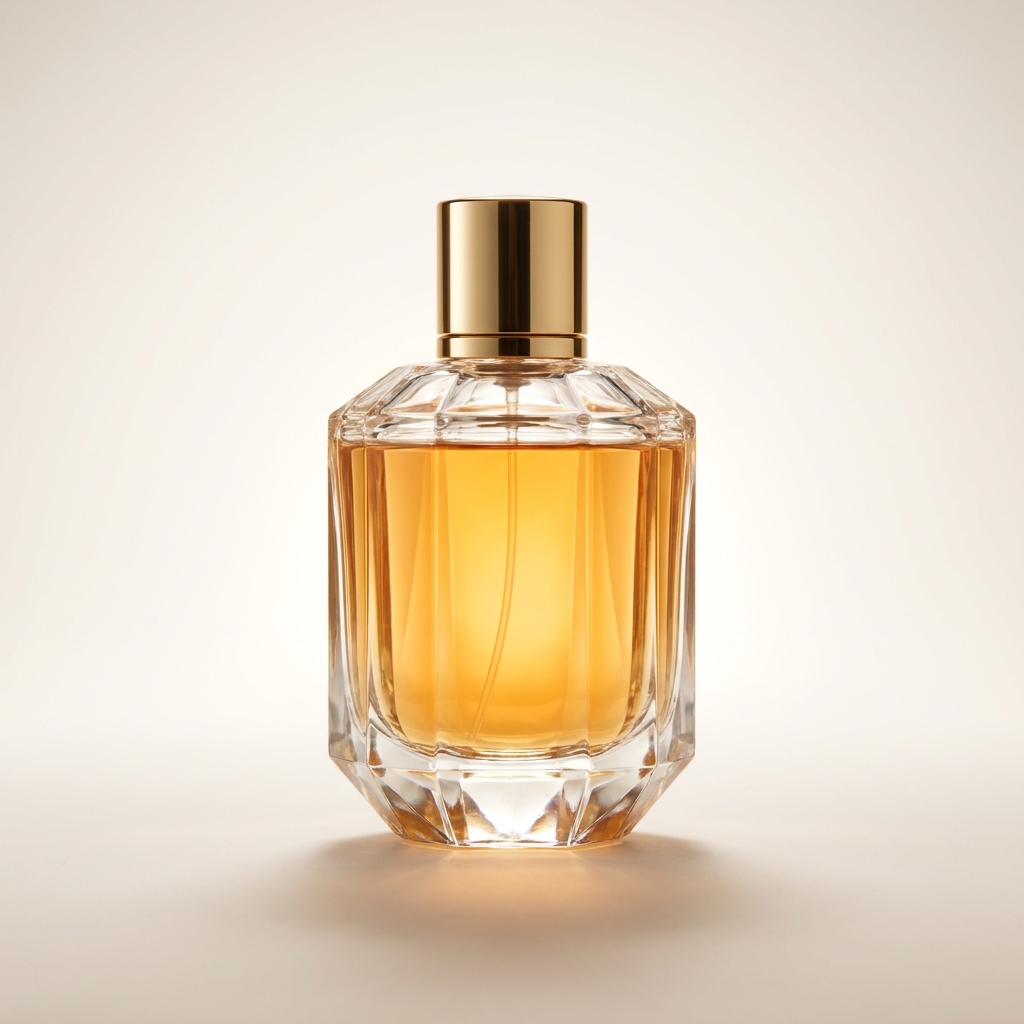
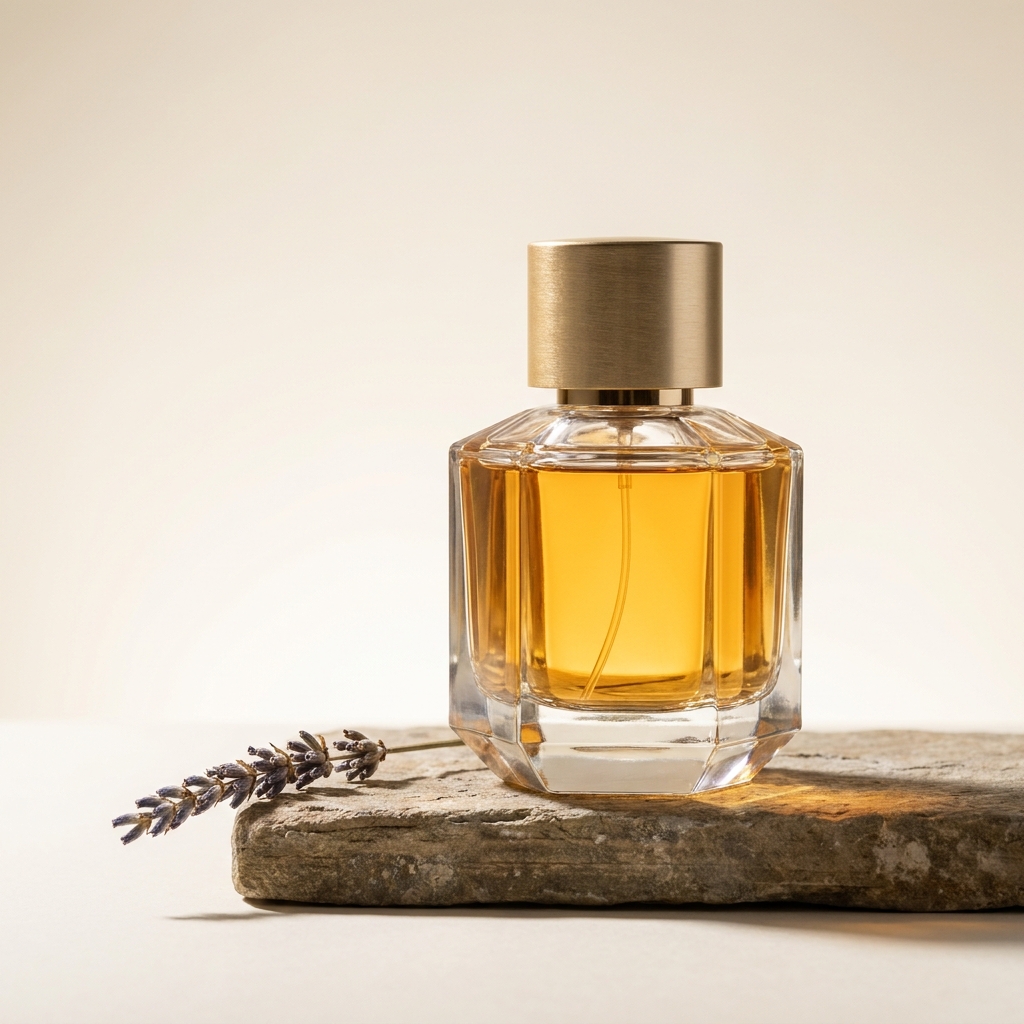
Fragrance photography is lighting control on clear glass. A bottle has no colour of its own. It shows only what it reflects and what passes through it. Photographers put a large soft light behind or beside the bottle. That is what draws the edges. Keep the fill line level and the juice colour true. Cap, collar and engraving get their own close shot. A styled scene then carries the note, because a scent cannot be photographed.
Four problems a glass bottle creates
What makes fragrance harder to photograph than a solid product.
Glass edges that vanish
Clear glass has no surface of its own to light. It only shows what surrounds it. Put a large bright panel behind the bottle and the edges appear as dark lines. Put it against black with two narrow side lights and the edges appear bright. Pick one and keep it across the range.
Juice colour and what reads through it
The juice is the brand signature, so amber must stay amber. Liquid also bends what sits behind it. A back label reads reversed and soft through the bottle. The thin dip tube shows as a line. Check those against the real bottle, not against what looks tidy.
Cap, collar and sprayer
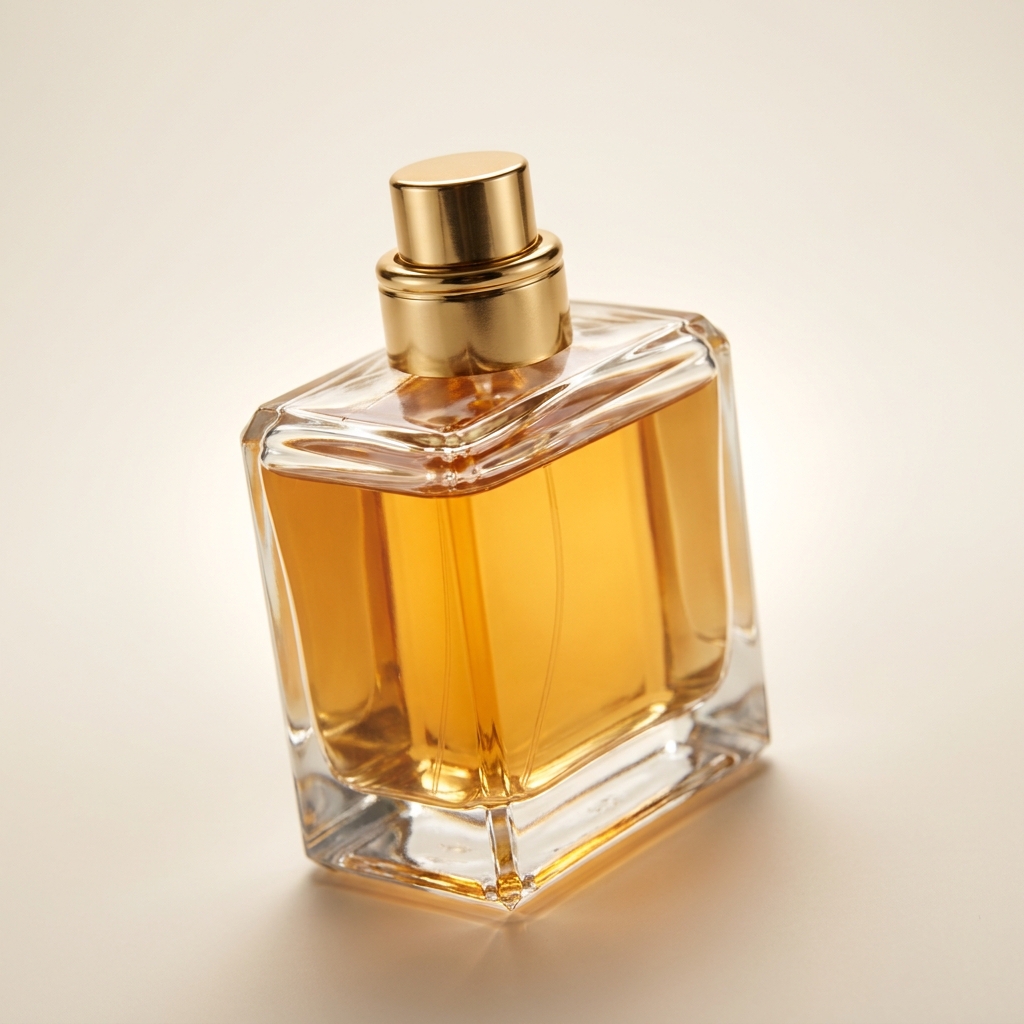
Metal reads as metal only when the light across it is uneven. A gold collar lit flat looks like painted plastic. Give the cap one bright band and one dark band. Keep the sprayer edge crisp. On a boxed fragrance the collar is often the only metal a buyer sees.
A scent with no picture
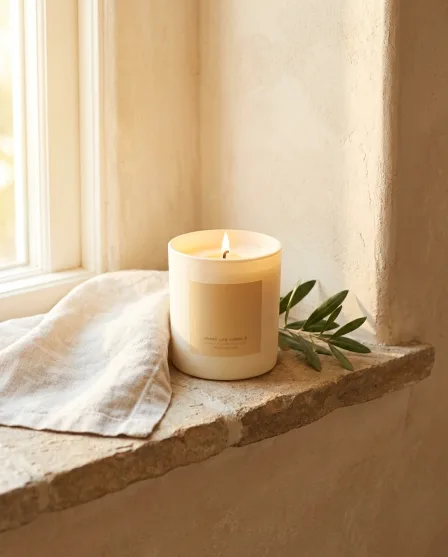
No camera records smell. The scene has to say it instead. Warm stone and dried flowers read as a soft floral. Charred wood and dark linen read as something heavier. Pick props that match the top notes on the box. Keep the same surface across the whole range.
Shot list for a fragrance range
The order that keeps every bottle looking like one shoot.
Fragrance runs in the opposite order to most product work. On a solid product you cut first and light later. On glass the light is the product. Settle it before you separate anything from its background. Get the bottle right on one clean frame. Then remove the background. Both the white version and the transparent version inherit correct edges. Detail shots come next, while the treatment is still fresh. Scenes and carton shots go last. They sit on a bottle that is already correct. Save the light as a workflow and the next launch matches this one.
What a fragrance listing needs
Four frames, and the part of a fragrance each one carries.
Front-on packshot on white
The first tile a shopper sees. Bottle centred, fill line level, engraved logo readable, cap fully in frame. Keep a margin around the glass so the edges are not clipped by a crop.
Macro of cap and collar at 4K
Buyers zoom on the metal to judge quality. Give them one close frame of the cap, the collar seam and the engraving. Upscale it to 4K so it holds at full screen.
Bottle beside its carton
A fragrance sells in a box. That box is often what a gift buyer sees first. Photograph the two together in the same light and at the same angle. The pair then reads as one object.
Portrait mood frame
One tall version of the scene for social and for the top of the product page. Leave space above the bottle for a headline. Keep the same surface you used in the square scene.
Questions about fragrance photography
What perfume sellers ask before they photograph a launch.
How do you light a clear glass bottle?
Will the juice keep its real colour?
How do you show a scent in a photograph?
Should the carton appear in the listing images?
Can it remove fingerprints and dust from the glass?
How do I keep a range of bottles looking like one set?
Other categories
The same craft, written for a different product.
Beauty and skincare
Readable labels on curved bottles, controlled glass reflection and honest texture shots.
Supplements and wellness
Readable labels, tub and pouch shapes, and clear serving cues.
Fashion and apparel
Drape, fabric weight and true colour, held across every image in a clothing listing.
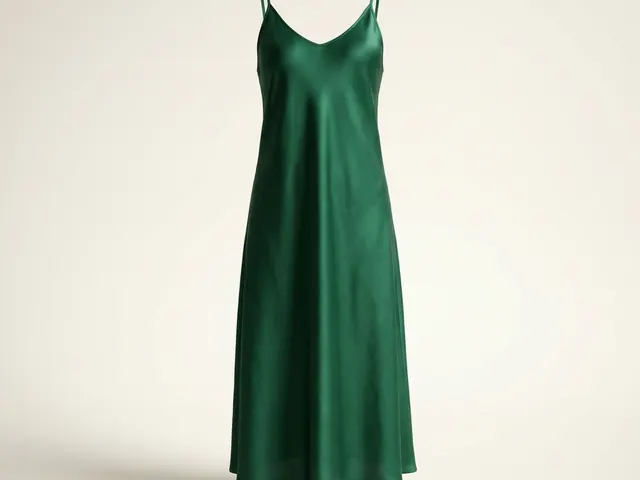
Dresses
Hem line, the fall of a skirt, and a full-length garment inside a square crop.
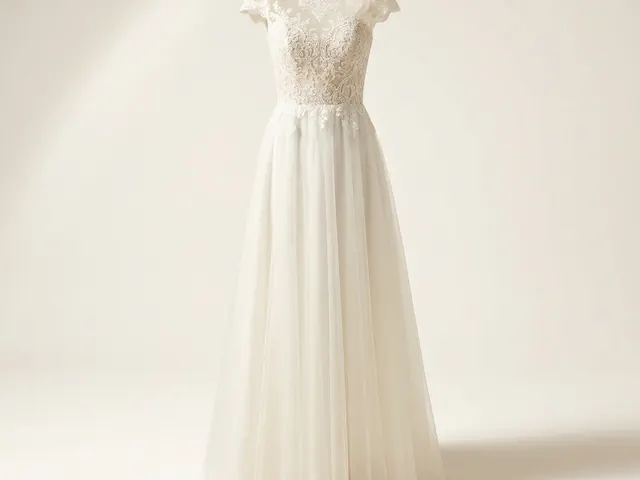
Wedding dresses
White on white, lace and beadwork detail, and a train that has to be measured.
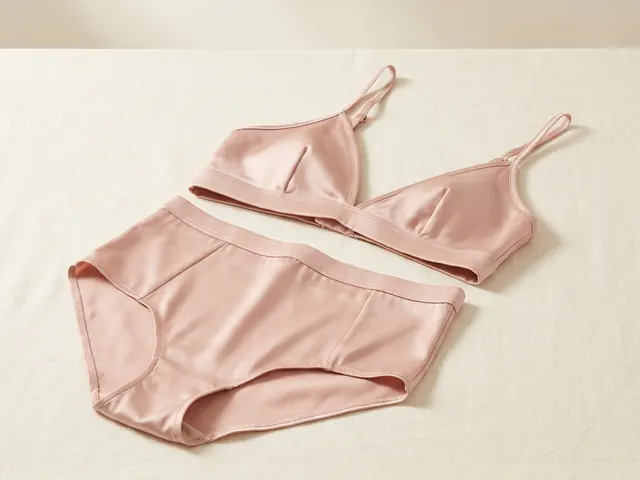
Lingerie photography
Flat lay sets, open lace cut-outs, sheer mesh backing and true nude colour.
Everything you need, in one place
The full workflow from the first product photo to the finished ad, in one subscription.
Scale content without limits.
Generate content for your products or services with AI, starting today, and keep your brand on every piece.