


Marble surfaces
Marble background product photography from one photo
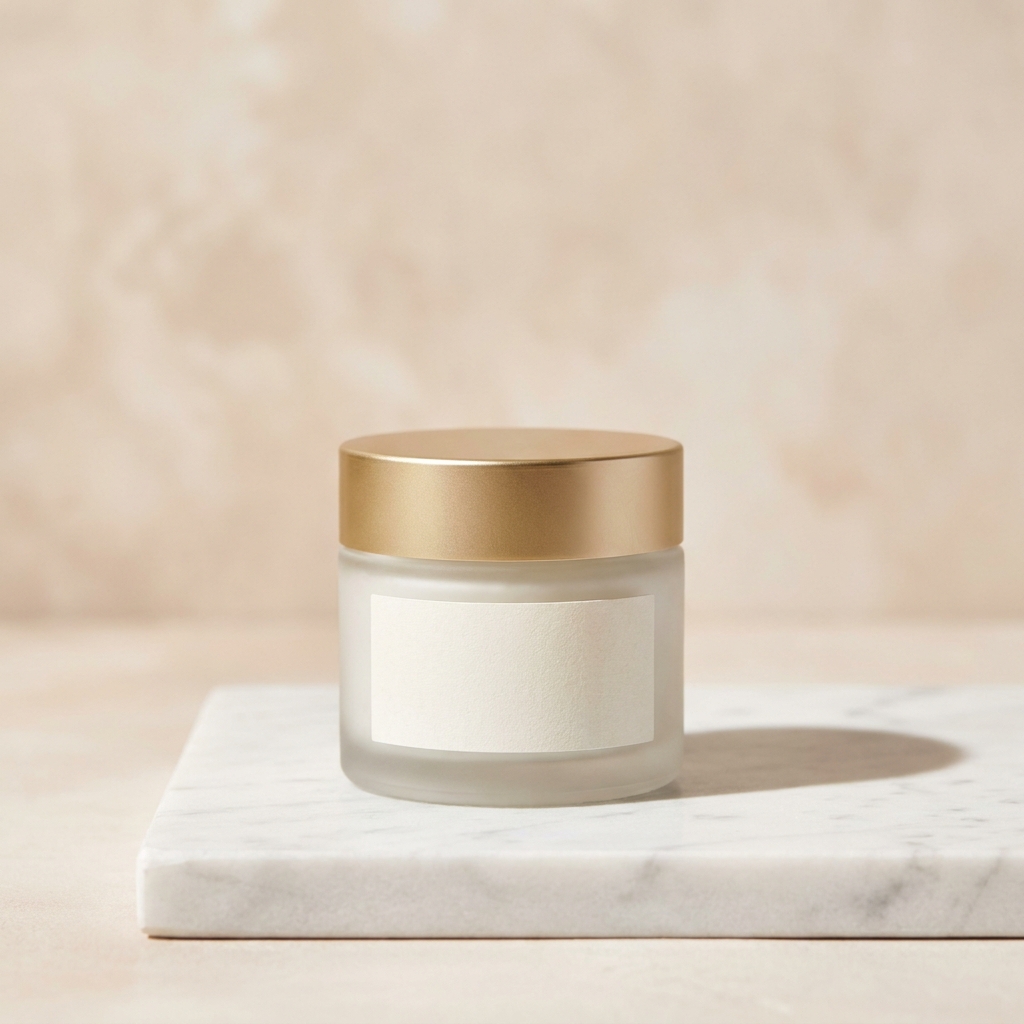
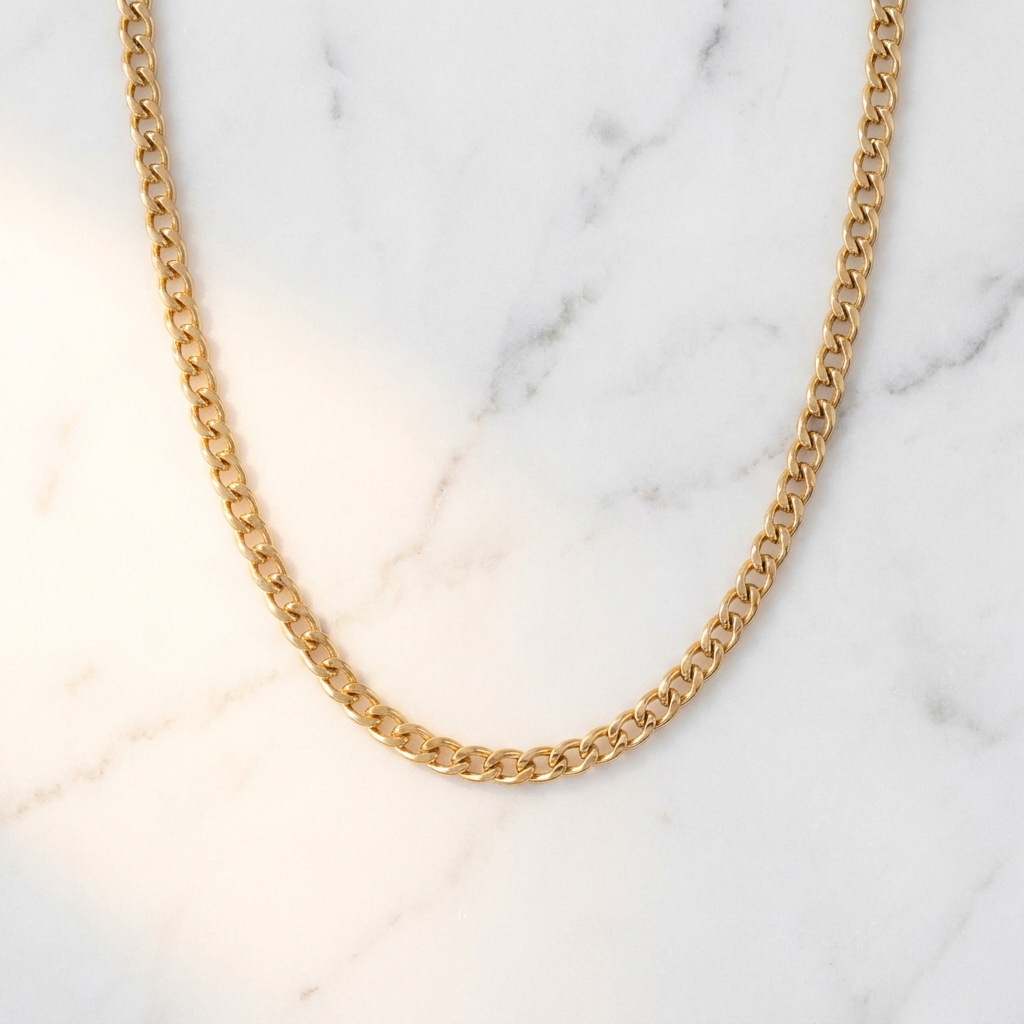
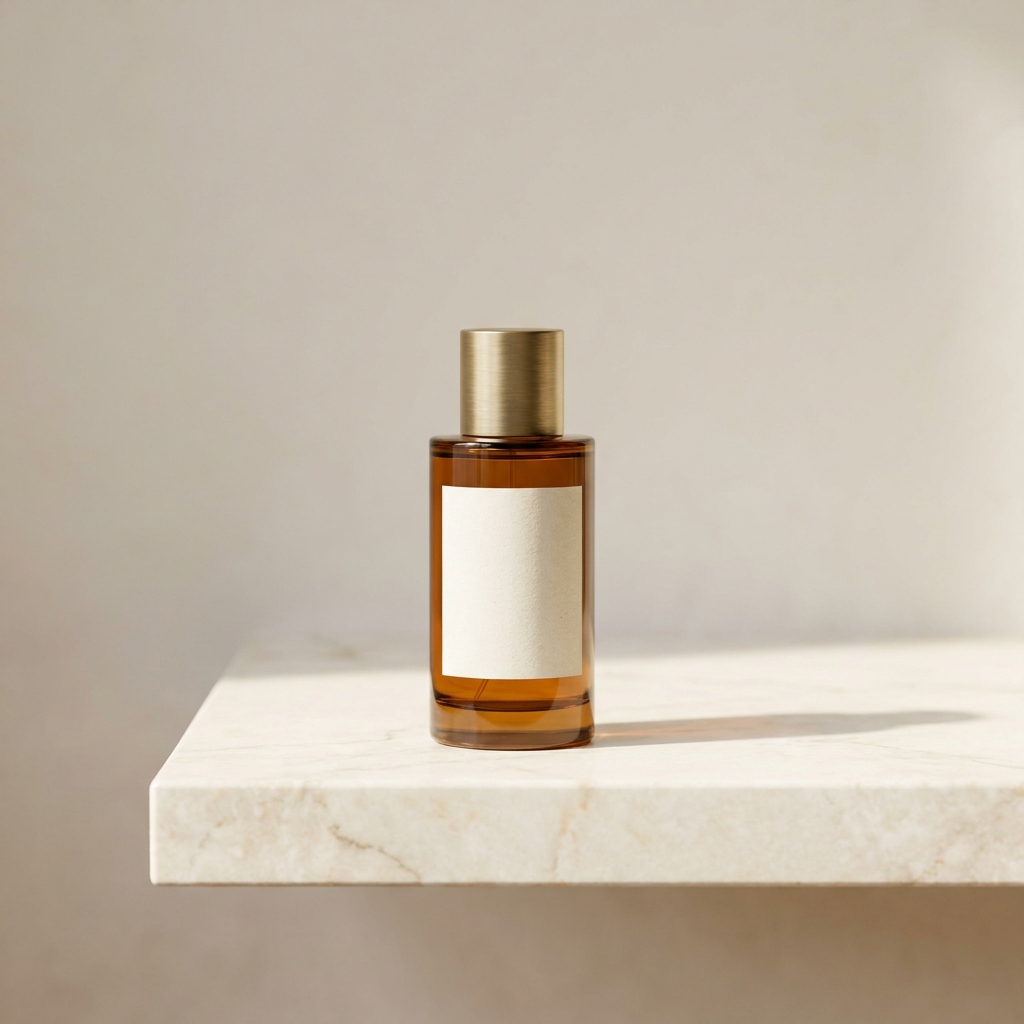
Upload one photo of your product. DesignerBox places it on honed or polished marble, with the veining set where it does not cross the product. You choose cool Carrara grey or warm cream, and you get the crops a listing, an ad and a feed post need. Every picture keeps your brand's look, at any volume.
Who it is for
Does that sound like you?
Scaling without compromising quality.
You need more pictures every week for the shop, the ads and the socials. Anyone can make an AI picture. Making hundreds that still look like your brand is the hard part. A shoot for every product costs weeks, and every new generator returns a different look.
- A template or a workflow you build once, with your brand rules
- One run on one product, or a batch over your whole catalogue
- Every result in Assets, with the same look on the first and the last
Cut the waiting time and budget for deliverables.
You make this for clients, and every client has their own look. A shoot for each one costs weeks and most of the budget. A different generator for each one returns a different look, so somebody fixes it by hand before it is delivered.
- One workspace per client, with that client's brand rules
- A workflow you build once and run for every client
- A batch over a client's whole catalogue, delivered from Assets
A marble background is a slab of natural stone under the product, honed for a matte finish or polished for a glossy one. Sellers of skincare, fragrance, jewellery and watches reach for it because stone reads as expensive and holds a high price without a word of copy. Two facts about real marble carry straight into the picture. The veining is a pattern, and a pattern competes with the product unless you decide where it runs. Polished stone behaves like a weak mirror, so it throws light back into the base of the product and carries a cool or warm cast that shifts the colour of your packaging. Marble is the one surface here that arrives with a design of its own. Everything below is about keeping that design behind the product instead of on top of it.
Four craft problems marble creates
What goes wrong on a marble slab, and what to do instead.
Veins that cross the product
Marble veining is a line, and a line reads as an edge. A grey vein running behind a jar can look like a crack or a shadow that is not there. Decide the direction before you generate. Keep the busiest veining in the outer third and leave the area behind the product quiet. A vein that leads in from a corner and stops short of the base works. One that passes under the base does not.
Polished stone bounces light up
A polished slab works like a weak mirror. It throws light back into the underside of the product, so the base loses its shadow and the product looks like it floats. It also creates a soft reflection under the base that can read as a second, upside down product. Honed marble absorbs that light and keeps a real contact shadow. Ask for honed when the product has a flat base. Ask for polished only when you want the reflection.
The stone tints your product
White Carrara reads cool, in the region of 6000K, with blue grey veins. Cream and Calacatta marble read warm, closer to 4500K. Whatever the slab is, some of that colour lands on the product. A white cream jar on cool Carrara goes slightly blue. A silver ring on cream marble goes slightly gold. Set the white balance on the product, not on the stone, and check the label colour against your real packaging before you publish.
White products lose their edge
White marble and white packaging sit at almost the same brightness. The product edge disappears and the shape goes soft. Three fixes work. Light the product from one side so one face is a stop darker than the stone. Keep a real contact shadow under the base. Or place the product where a grey vein passes behind it, so the outline has something darker to sit against. Check by turning the frame to greyscale.
Four steps to a marble set
What to do, in order, from upload to finished frames.
Order of work
Stone first, light second. The finish decides the lighting, so setting the light before you choose polished or honed means doing it twice. A polished slab fills the shadow from below. A honed slab does not. Crop next, because a vein that sits behind the product in a wide frame can sit under it in a tight one. Check the colour after the crop and before the upscale, since a larger file only gives you a larger blue cast. Cut the white listing file last, from the frame you already approved.
What a marble set contains
Four files, and the test each one has to pass.
A honed hero frame
One three quarter view on honed stone, with the product left of centre and the veining running behind it. The test is the base. You should see a short, soft contact shadow where the product meets the slab. Without it the product looks pasted on, and the whole frame stops reading as a photograph.
An overhead frame with space
The straight down view, with the product in the quietest part of the slab and one veined corner left empty. The test is the empty corner. Lay your headline over it at the real size and read it. If the veining runs through the text, move the crop, do not shrink the text.
A plain white listing file
The same product on plain white, plus a transparent version. The test is the edge. Zoom to 200 percent and look for grey marble left in the cut, especially around a glass shoulder or a chain link. A clean cut on a busy stone background is harder than a cut on plain grey.
The same hero on two stones
One hero on cool Carrara and the same hero on cream marble, kept as a pair. Marble comes in two colour temperatures, and your packaging will only look right on one of them. The test is your own upload. Open both frames next to the original photo and look at the white and silver parts. Pick the stone that leaves them the colour they really are, then use that stone for the whole range.
Marble background questions
Answers to what sellers ask before they shoot on stone.
Should I use honed or polished marble for product photos?
Why does my white product look blue on marble?
How do I stop the veins from fighting the product?
Can I put marble behind the product as well as under it?
What does a marble photo set cost in credits?
Which products suit a marble background?
Other product photo backgrounds
These are the other backgrounds in the catalogue. Open any page to compare them before you choose.
Concrete background
Hard daylight and one crisp shadow, for streetwear, tech and modern skincare.
Wood background
Warm oak, walnut and ash for food, coffee, candles, soap and handmade goods.
Linen and cotton cloth
Soft, tactile cloth for skincare, candles, soap and folded clothing.
Pure white sweep
The plain white main image, for listings, grids and price banners.
Gradient background
Smooth tone shift for tech, cosmetics and products with a simple shape.
Pastel paper
Soft colour paper for beauty, wellness and pale packaging that needs a calm frame.
Black background
For fragrance, watches, spirits and premium packaging that read by their edges.
Podium and plinth
Raises small products on plaster or stone, and leaves clean space for a headline.
Botanical background
Fresh or dried foliage around skincare, soap, candles and other natural products.
Outdoor natural light
For active, travel and outdoor goods that need real daylight and a found place.
Christmas holiday set
For gift products that need to look seasonal in November and December.
All twelve backgrounds
The hub page lists all twelve product backgrounds side by side, so you can compare marble against concrete, paper and linen before you choose.
Everything you need, in one place
The full workflow from the first product photo to the finished ad, in one subscription.
Scale content without limits.
Generate content for your products or services with AI, starting today, and keep your brand on every piece.
Get started free