


Product photo backgrounds
Black background product photography with readable edges
Upload one photo of your product. DesignerBox places it on a near black ground and lights the edges so the shape stays readable. You get the frame for a listing, an ad panel or a feed post. The cost of the run shows before you press Run. Every picture keeps your brand's look, at any volume.
Who it is for
Does that sound like you?
Scaling without compromising quality.
You need more pictures every week for the shop, the ads and the socials. Anyone can make an AI picture. Making hundreds that still look like your brand is the hard part. A shoot for every product costs weeks, and every new generator returns a different look.
- A template or a workflow you build once, with your brand rules
- One run on one product, or a batch over your whole catalogue
- Every result in Assets, with the same look on the first and the last
Cut the waiting time and budget for deliverables.
You make this for clients, and every client has their own look. A shoot for each one costs weeks and most of the budget. A different generator for each one returns a different look, so somebody fixes it by hand before it is delivered.
- One workspace per client, with that client's brand rules
- A workflow you build once and run for every client
- A batch over a client's whole catalogue, delivered from Assets
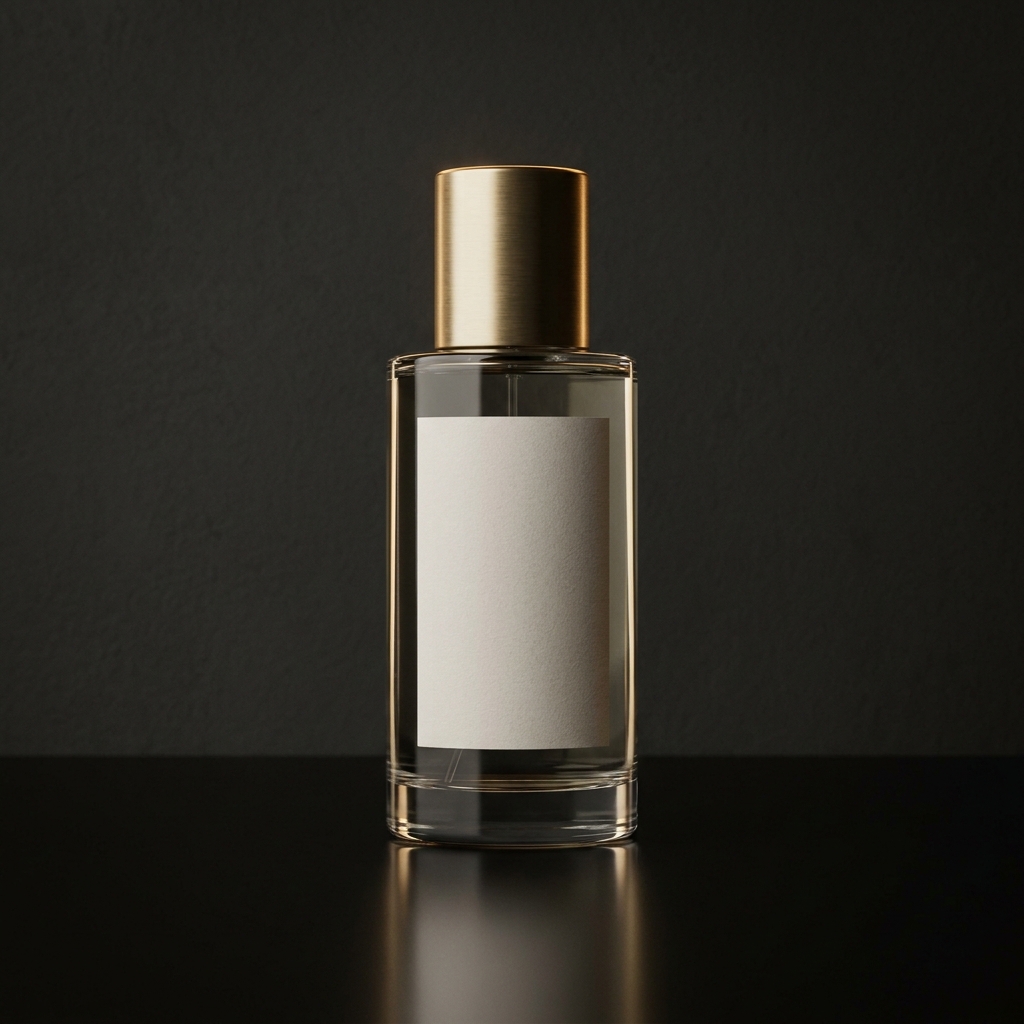
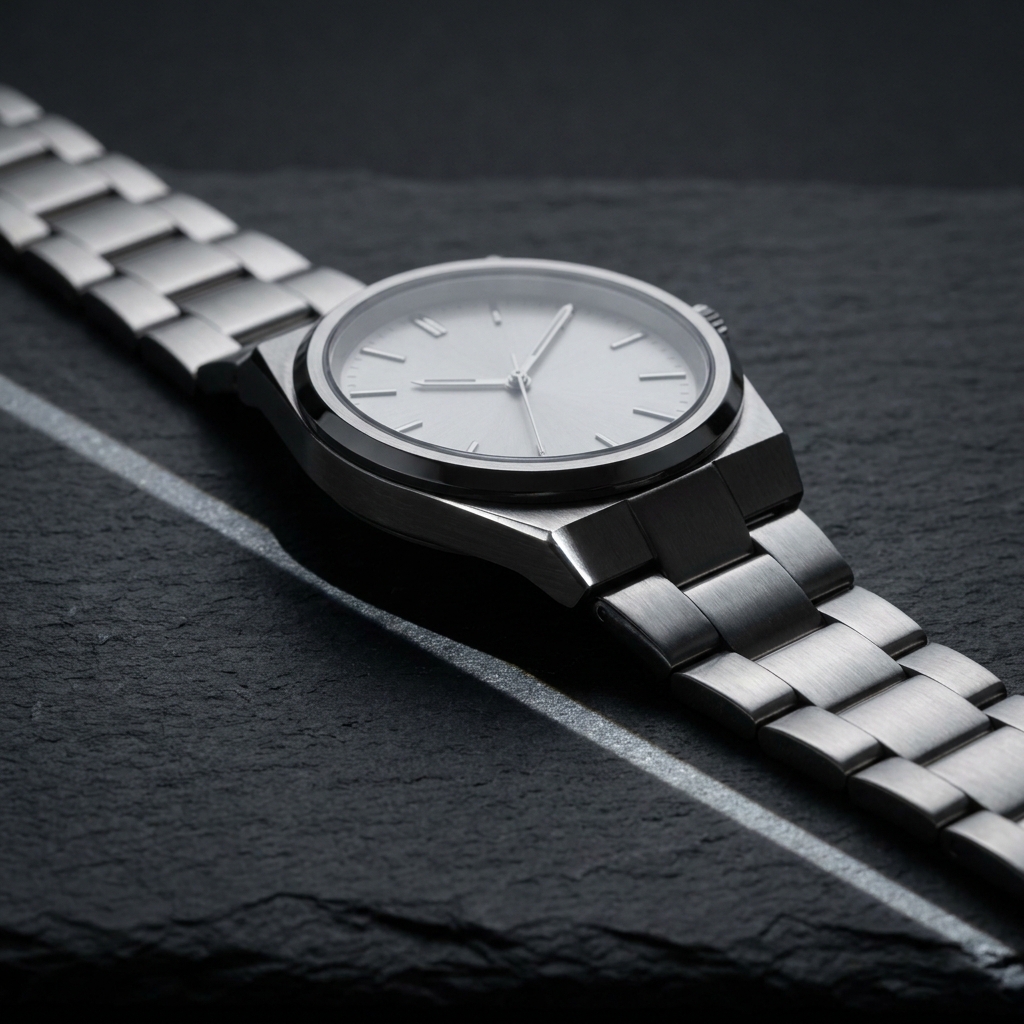
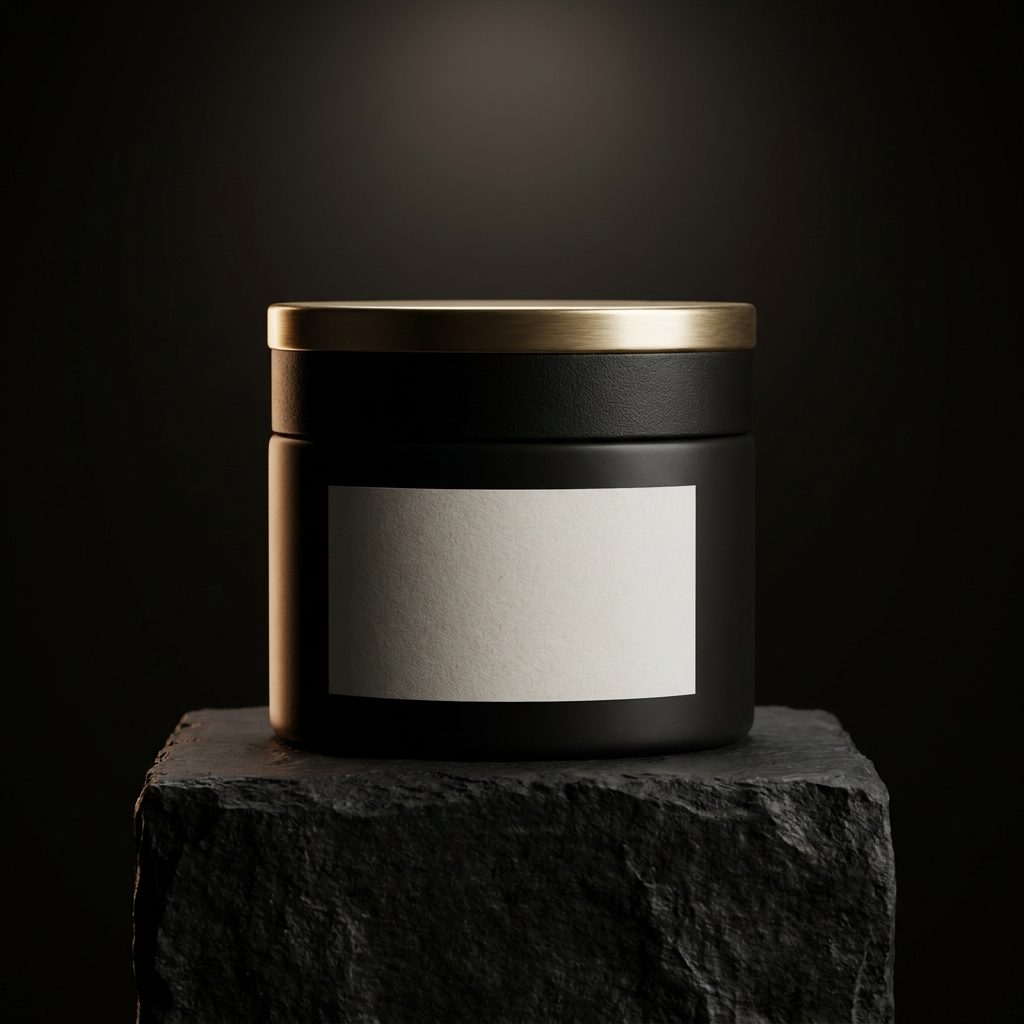
A black background product photo places a product on a near black ground, lit so its edges stay visible. It suits fragrance bottles, watches, spirits, jewellery and premium packaging. Those surfaces are glass, metal or gloss, and each one bends a narrow highlight into a line that describes the shape. The ground itself does no work. Everything the buyer reads comes from that line. One object can hold a whole frame this way, and dark packaging that looks cheap on white looks expensive here. Most stores still ask for plain white in the first listing slot, so a dark frame belongs at position two or three. The same physics sets the limit. A charcoal jumper returns no highlight, so it keeps no outline, and soft matte goods in dark colours belong on a lighter ground.
Four problems a black ground creates
Four faults that appear on a dark ground, and the fix for each.
Separating dark from dark
A dark product on a dark ground merges with it. The fix is a narrow strip of light behind the product. Place it at about 100 degrees from the camera and aim it along one side. It draws a thin bright line down the edge. Ask for that line on the side facing away from the main light. Two lines, one each side, look artificial.
Blacks that keep detail
Pure black hides shape. If the darkest parts sit at 0, the base of a bottle disappears. So does the side of a metal case. Keep the deepest shadow near 10 on the 0 to 255 scale. That is close to black on screen, and it still holds the outline of the product. Dark grey shadows also survive resizing to a small grid tile.
Narrow light for glass and metal
Glass and polished steel show the shape of the light source, not the light itself. A wide soft box gives one broad white band that flattens a bottle. A strip source 20 to 30 centimetres wide gives a clean vertical highlight down the side. Ask for narrow sources on both flanks. Keep them off the label, so the text stays readable.
Dust reads white on black
Every speck on a black surface becomes a white dot. On a white ground the same dust is invisible. Check the frame at 100 percent before you publish. Look at the area right under the product first. On a polished black top, fingerprints appear as soft grey smears. Ask for a clean surface in the prompt, then rerun if marks appear.
Steps for one black background set
Four steps from one uploaded photo to a finished dark frame.
Order of work
Removing the background comes first, before any dark ground. A cutout taken from a white shoot carries pale pixels along the edge. On white nobody sees them. On black they read as a bright outline around the whole product. Lighting comes second, because on a dark ground the light decides whether the shape survives at all. A crop cannot rescue an edge that has merged with the background. Checking the blacks comes third, at full size, since dust and a grey patch both hide at small sizes. Upscaling comes last, because it makes every fault larger too.
Checks on the finished files
Four checks to run before you publish a dark product image.
An even black field
The background should hold the same value from corner to corner. A lighter patch behind the product tells a buyer the light was not controlled. Sample four corners and the centre. If the centre reads much lighter than the corners, rerun with the light kept off the backdrop.
A readable shape at tile size
Shrink the image to 200 pixels wide and look at it. On a black ground this is the hard test, because the shop grid shows your photo small. If the outline of the bottle or the watch disappears, the edge highlight is too weak. Raise it and run the frame again.
A reflection that fades
On polished black the product leaves a mirrored copy below it. That copy must be darker than the product and shorter. It should fade before it reaches the bottom of the frame. A reflection that runs the full height, at the same brightness, looks pasted rather than photographed.
A neutral black, not blue
Many dark frames drift blue, because the model treats shadow as cold. Read the darkest area: red, green and blue should sit within a few points of each other. A gold cap or a warm label looks wrong against a blue black. Ask for a neutral black at about 5600K and check again.
Questions about black backgrounds
Common questions about shooting products on a near black ground.
How do I keep a black product visible on a black background?
Why does my black background look grey instead of black?
Why does my black background look different on another screen?
Which products look right on a black background?
How do I stop dust showing on a black surface?
Can I change a white background photo to a black background?
Other product photo backgrounds
These are the other backgrounds in the catalogue. Open any page to compare them before you choose.
Pure white sweep
The plain white main image, for listings, grids and price banners.
Gradient background
Smooth tone shift for tech, cosmetics and products with a simple shape.
Pastel paper
Soft colour paper for beauty, wellness and pale packaging that needs a calm frame.
Marble backgrounds
For beauty, jewellery and fragrance shots that need a premium stone surface.
Concrete background
Hard daylight and one crisp shadow, for streetwear, tech and modern skincare.
Wood background
Warm oak, walnut and ash for food, coffee, candles, soap and handmade goods.
Linen and cotton cloth
Soft, tactile cloth for skincare, candles, soap and folded clothing.
Podium and plinth
Raises small products on plaster or stone, and leaves clean space for a headline.
Botanical background
Fresh or dried foliage around skincare, soap, candles and other natural products.
Outdoor natural light
For active, travel and outdoor goods that need real daylight and a found place.
Christmas holiday set
For gift products that need to look seasonal in November and December.
All twelve backgrounds
The catalogue lists all twelve backgrounds side by side, so you can compare a dark ground with marble, linen or plain white.
Everything you need, in one place
The full workflow from the first product photo to the finished ad, in one subscription.
Scale content without limits.
Generate content for your products or services with AI, starting today, and keep your brand on every piece.
Get started free