Skincare Product Photography: Shots, Glass and Claims
Skincare product photography has 3 hard problems: reflective glass, texture a sealed bottle hides, and a label the law keeps legible. The 5-shot set and limits.
Teams and brands
Agencies Brand teams Performance marketers Creative studios Ecommerce brands Fashion brands Furniture and homeware brands Solo foundersUse cases
 Product imagery
 Static ads
 Video ads
 User-generated content
 Social creatives
 Campaign concepts
 Brand assets
 Automations
What you sell
Sales channels
Programmes
Affiliate programmeNewest first. 630 guides on AI product photography, on-model shots, AI video and ad creative. Browse by topic from the blog home.

Skincare product photography has 3 hard problems: reflective glass, texture a sealed bottle hides, and a label the law keeps legible. The 5-shot set and limits.
Sock photography: Amazon names socks as an exception to 3 main image rules, then a newer guide reverses it. The specs that apply, and where AI holds.

Supplement product photography: 3 rulebooks decide your image, and the panel shot has to resolve 6 point type. The shot list, the specs and the costs.
TikTok Shop product videos have 2 published file caps, 5MB and 10MB, for the same listing. Build to the smaller one. The specs, the bitrate math and the policy.

The 7 types of product photography, what each is for, and the platform rules that force them on Amazon, Google and Etsy. One source photo covers most of them.

WooCommerce product image size explained: the 3 registered sizes, why the grid crops but the main image does not, and how to fill a 200-SKU catalog.
AI content for LTK creators: what LTK allows, what breaks its rules, and how a brand supplies the images creators need for a 4 to 8 product post.
Affiliate roundup images: LTK says top posts hold 4 to 8 products. Match background, light, color and scale, then rerun the same staging every month.

An AI avatar for brands is a reusable face you own. How the nine-pose set works for 25 credits, which models hold identity, and who has to label the result.

AI social media carousel specs per platform: Instagram's 20-slide cap, LinkedIn's PDF rule, TikTok's 35-upload limit, and the one frame that fits two.
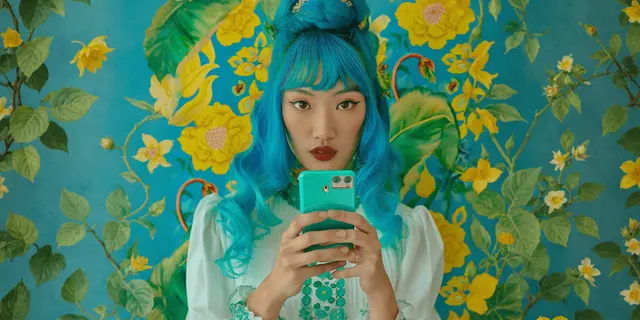
Content batching builds a week of posts in one sitting. Reels drew over four times the interactions of single images in 2026, so plan the format mix first.
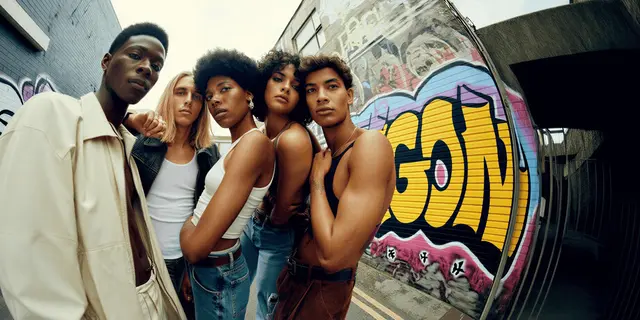
Managing creative for multiple clients: 68% of agencies carry 16 or more. Build the job once, run a copy per client brand, and keep every look separate.
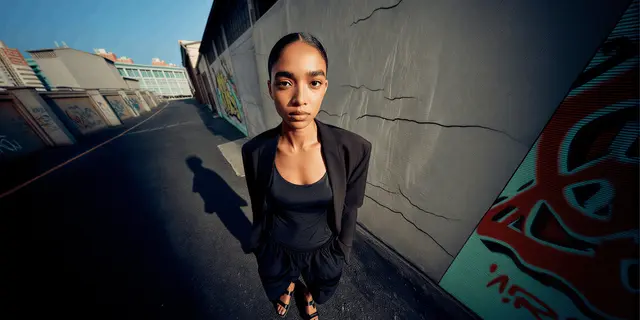
Depop photo tips for a shop that reads as one: set one ground, one crop and one light, then shoot the same 4 photos on every piece, from the front to the flaws.

Dropshipping product photos all come from the same supplier file. Restage them into one look across your catalog, plus the 2 rules on rights and accuracy.

Edit AI-generated video into a finished ad: most models return 4 to 15 seconds a clip, so a 30-second spot is four to six clips cut, captioned and scored.

Etsy product photos must be original photos of the actual item, not renderings. The 20-photo specs, the 635px first photo, the three crops, and what AI can fix.

Furniture product photography needs room scenes you cannot shoot per SKU. Wayfair's 5 shot types, the dimensional shot most brands skip, and where AI breaks.

Instagram product photos from your catalog: reframe PDP shots for the 3:4 feed frame and the tall profile grid, and build a month of posts with no new shoot.

How to photograph jewelry: control reflections, scale and color with a 4-shot set. Light box setup, Amazon and Etsy specs, and FTC guidance on stone size.

Poshmark listing photos at volume without a studio: fix bedroom lighting, clear the background, show fit on a body, and keep a 100-item closet consistent.

Print on demand product images start as the same mockup every seller has. 3 layers make a whole shop look different, and 1 sample shows the true print color.
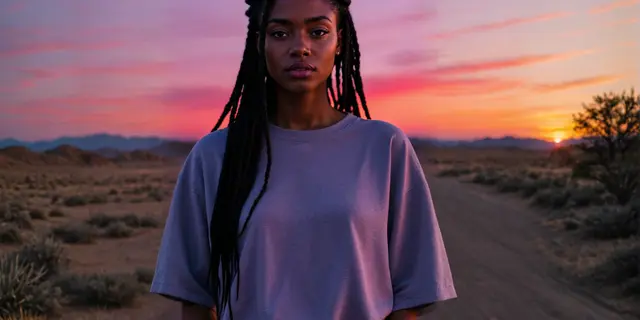
Product photography lighting problems are mostly fixable after the shoot. The 4 failures ranked by how recoverable they are, and the setup that prevents them.
Your source product photo decides the whole set. The 4 things one frame has to get right, so the angles, scenes and videos made from it match your product.
A streetwear drop campaign starts 3 weeks before the drop, often before the stock arrives. The 4-stage countdown, what each asset proves, and where AI stops.
Build the job once with your brand and your products. Run it on your whole catalog, and see the cost before each run.