


Seasonal styled set
Christmas holiday product photography, ready months early
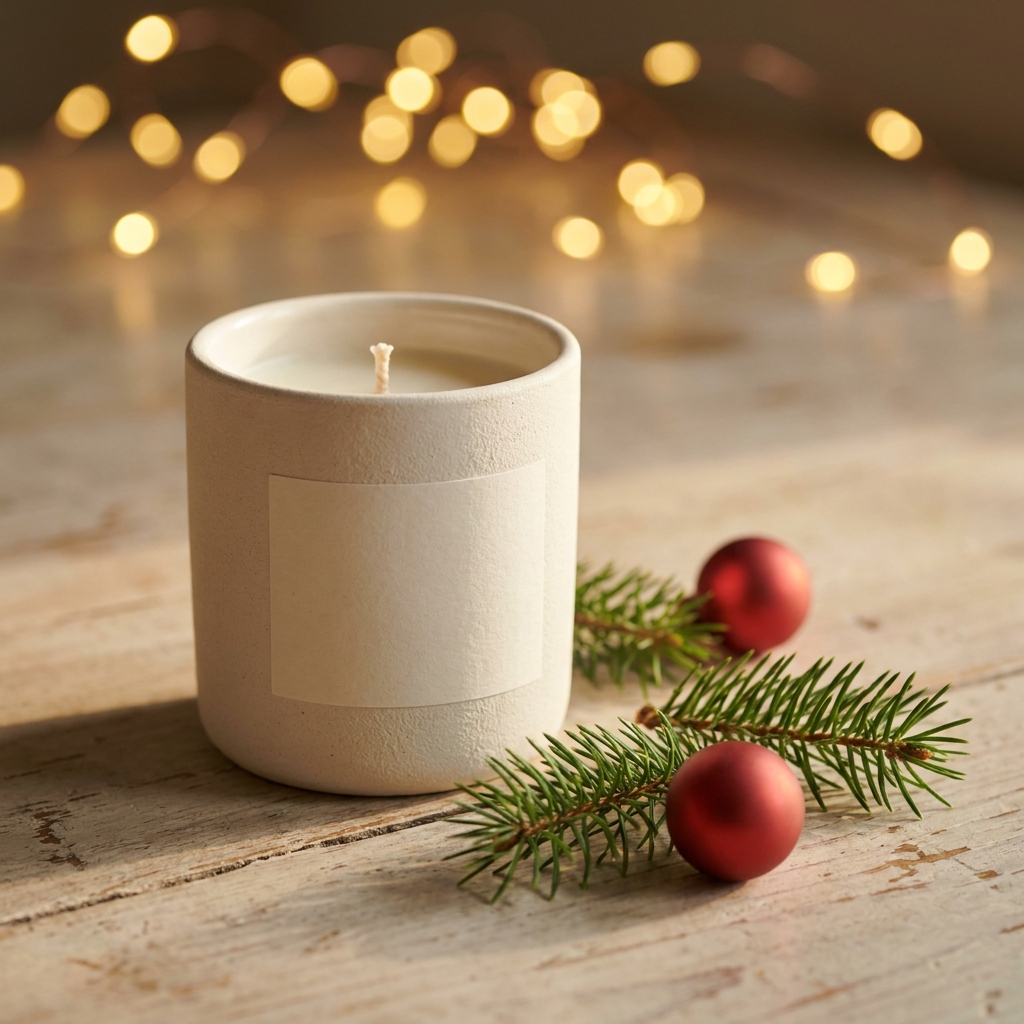
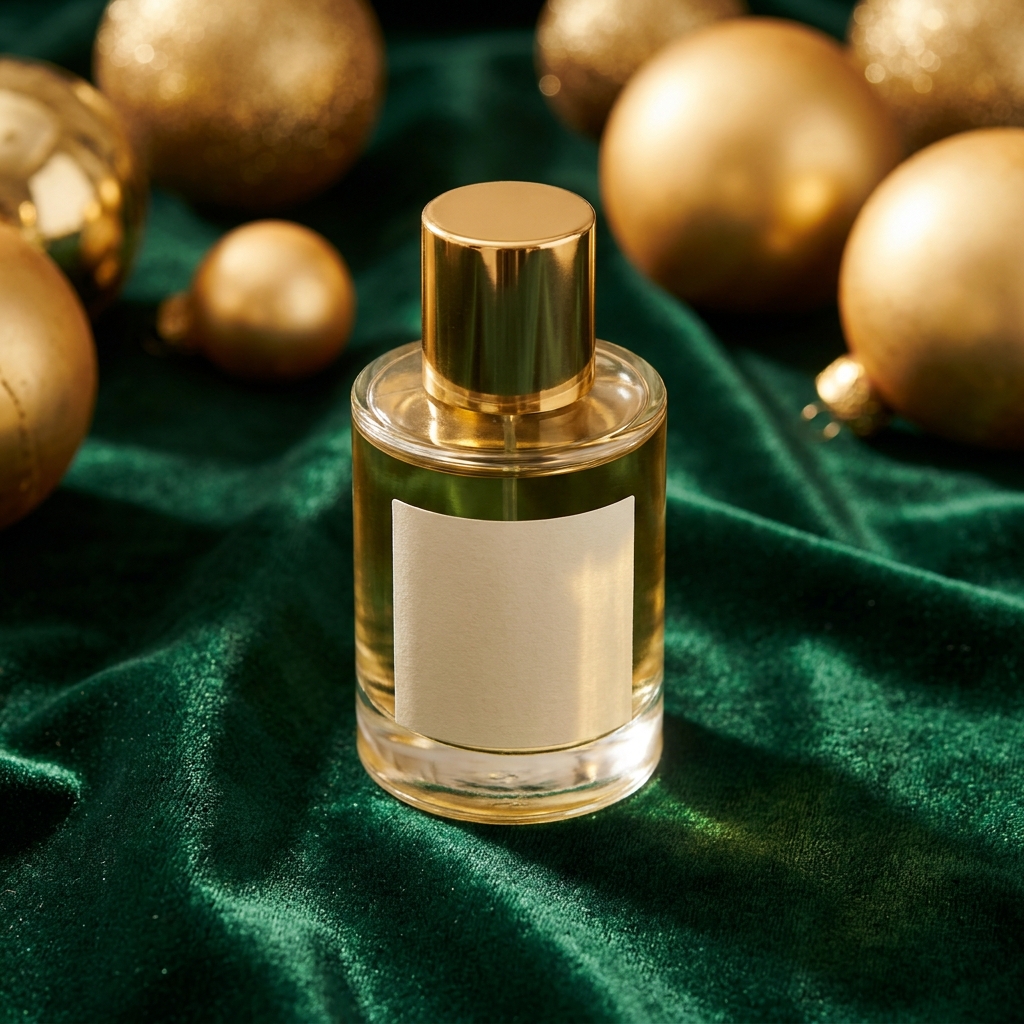
Upload one photo of your product and get it back on a holiday set: pine sprigs, matte baubles, kraft paper or deep velvet, with warm string light bokeh behind. Every frame is graded warm for December. Save the setup and rerun it for the whole catalogue. Every picture keeps your brand's look, at any volume.

Who it is for
Does that sound like you?
Scaling without compromising quality.
You need more pictures every week for the shop, the ads and the socials. Anyone can make an AI picture. Making hundreds that still look like your brand is the hard part. A shoot for every product costs weeks, and every new generator returns a different look.
- A template or a workflow you build once, with your brand rules
- One run on one product, or a batch over your whole catalogue
- Every result in Assets, with the same look on the first and the last
Cut the waiting time and budget for deliverables.
You make this for clients, and every client has their own look. A shoot for each one costs weeks and most of the budget. A different generator for each one returns a different look, so somebody fixes it by hand before it is delivered.
- One workspace per client, with that client's brand rules
- A workflow you build once and run for every client
- A batch over a client's whole catalogue, delivered from Assets
Christmas holiday product photography places a product in a seasonal set of pine, baubles, kraft paper and velvet, and it suits gifts such as candles, fragrance, jewellery and chocolate. Two things define it. The first is colour temperature. The whole set is graded nearer 3200K than 5600K daylight, so the product reads as though it stands under indoor lights in December, and every white label shifts a little towards cream. The second is depth. String lights only open into soft circles when they sit well behind the product, so the set needs room behind the subject. Both are worth the trouble for about six weeks a year, from early November to Christmas Eve. That short window is the real planning problem. A pine sprig behind a product in March reads as old stock, so the images have to be made in August or September, used hard, then stored until next autumn.
Craft problems in a seasonal set
Four things that decide whether a Christmas frame sells the gift or buries it.
Props that bury the product
Seasonal props multiply. One pine sprig becomes three, then two baubles, then a candy cane, and the product is now one object among eight. Set a hard limit of two prop groups: one behind the product, one beside its base. Then test the frame. Cover the product with your thumb. If what remains still looks like a finished picture, remove props until it does not.
String lights need distance
String light bokeh only works with distance. At 300mm behind the product the bulbs stay sharp and look like dots. Push them to 1.5 metres or more and they open into soft round circles. Lens choice matters too. An 85mm to 100mm look at about f/2.8 gives clean discs and a shallow depth. A 35mm look keeps the whole room sharp, and the effect disappears.
Warm light shifts product colour
The whole set is graded warm, nearer 3200K than 5600K daylight. Warm light pushes white labels towards cream and turns cool greys slightly brown. On kraft paper, wood and gold that looks right. On a product sold on its colour, such as a mint green jar or a pale blue tin, it is a problem. Keep one plain white version of the same product beside the holiday frame so the buyer can check the real colour.
A set with a six week life
This set sells from early November to about 24 December. That is roughly six weeks of use per year. You only get value from the work inside that window, so build the set in August or September while there is still time to fix mistakes. Save the exact prompt, model and ratio. Next year you rerun the same setup on new products instead of rebuilding the look from memory.
Build order for the holiday set
Four steps from one product photo to a reusable December set.
Order of work
The cutout comes first because this set adds warm, directional light. Placing a 3200K set behind a product photographed under cool shop lighting leaves a cold rim on the edges, and that is hard to repair later. The scene comes second because the prop count is the thing most likely to be wrong, and fixing it before any ad or crop exists is cheaper. Ads and social crops come third, since both depend on where the string light bokeh sits in the frame. Workflows come last for one reason. You use this set for six weeks a year, so it must be recorded, not remembered.
Frames the holiday set has to deliver
Four results that carry a gift product through November and December.
A gifting hero frame
One frame where the product is clearly the gift. Pine and baubles sit behind it, the product fills at least 40 percent of the frame height, and nothing crosses in front of the label. This is the image that goes at the top of the listing and into the December email.
A plain white control shot
The same product on plain white under neutral light, returned by Clean white background. Buyers use it to check the real colour after seeing the warm set. Some sales channels also require a plain first image. Name the two files as a pair so they never drift apart.
A vertical crop that keeps the bokeh
The same scene rebuilt at 9:16 with the string lights placed lower in the frame. A wide holiday shot cut to vertical usually loses the lights at the top, and the frame loses its warmth with them. Generate the vertical version, do not crop the wide one.
The gift as it arrives
A gift buyer is asking one question the other frames do not answer. Will it look like a present when it reaches the person? So one frame has to show the packaging the product ships in: the box, the wrap, the ribbon or the card slot. Shoot it on the same warm set so it sits with the rest. If a printed gift guide or a market stall banner needs a large file as well, Image upscale takes the frame to 4K, and that app sits on Premium.
Christmas set questions
Answers on timing, props, colour and reusing the set next year.
When should I make my Christmas product photos?
How many props should be in a Christmas product photo?
How do I get the blurred string lights behind my product?
Will the warm holiday light change my product colour?
Can I use the same holiday photos next year?
How much does a Christmas product photo set cost to make?
Other product photo backgrounds
These are the other backgrounds in the catalogue. Open any page to compare them before you choose.
Podium and plinth
Raises small products on plaster or stone, and leaves clean space for a headline.
Botanical background
Fresh or dried foliage around skincare, soap, candles and other natural products.
Outdoor natural light
For active, travel and outdoor goods that need real daylight and a found place.
Pure white sweep
The plain white main image, for listings, grids and price banners.
Gradient background
Smooth tone shift for tech, cosmetics and products with a simple shape.
Pastel paper
Soft colour paper for beauty, wellness and pale packaging that needs a calm frame.
Black background
For fragrance, watches, spirits and premium packaging that read by their edges.
Marble backgrounds
For beauty, jewellery and fragrance shots that need a premium stone surface.
Concrete background
Hard daylight and one crisp shadow, for streetwear, tech and modern skincare.
Wood background
Warm oak, walnut and ash for food, coffee, candles, soap and handmade goods.
Linen and cotton cloth
Soft, tactile cloth for skincare, candles, soap and folded clothing.
All twelve backgrounds
The hub lists all twelve product photo backgrounds side by side, so you can compare pine and velvet against marble, concrete and plain white.
Everything you need, in one place
The full workflow from the first product photo to the finished ad, in one subscription.
Scale content without limits.
Generate content for your products or services with AI, starting today, and keep your brand on every piece.
Get started free