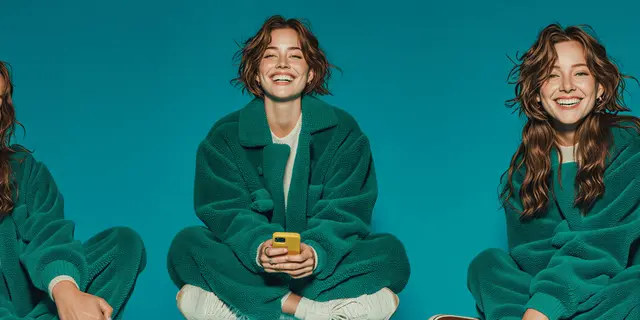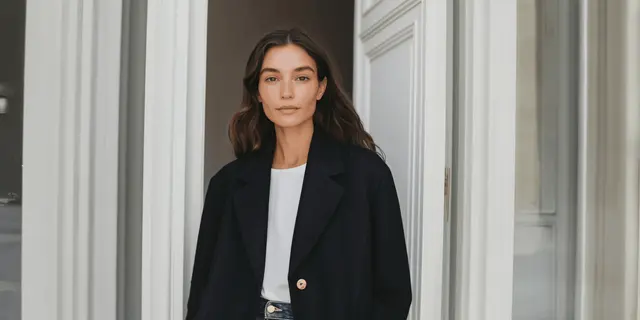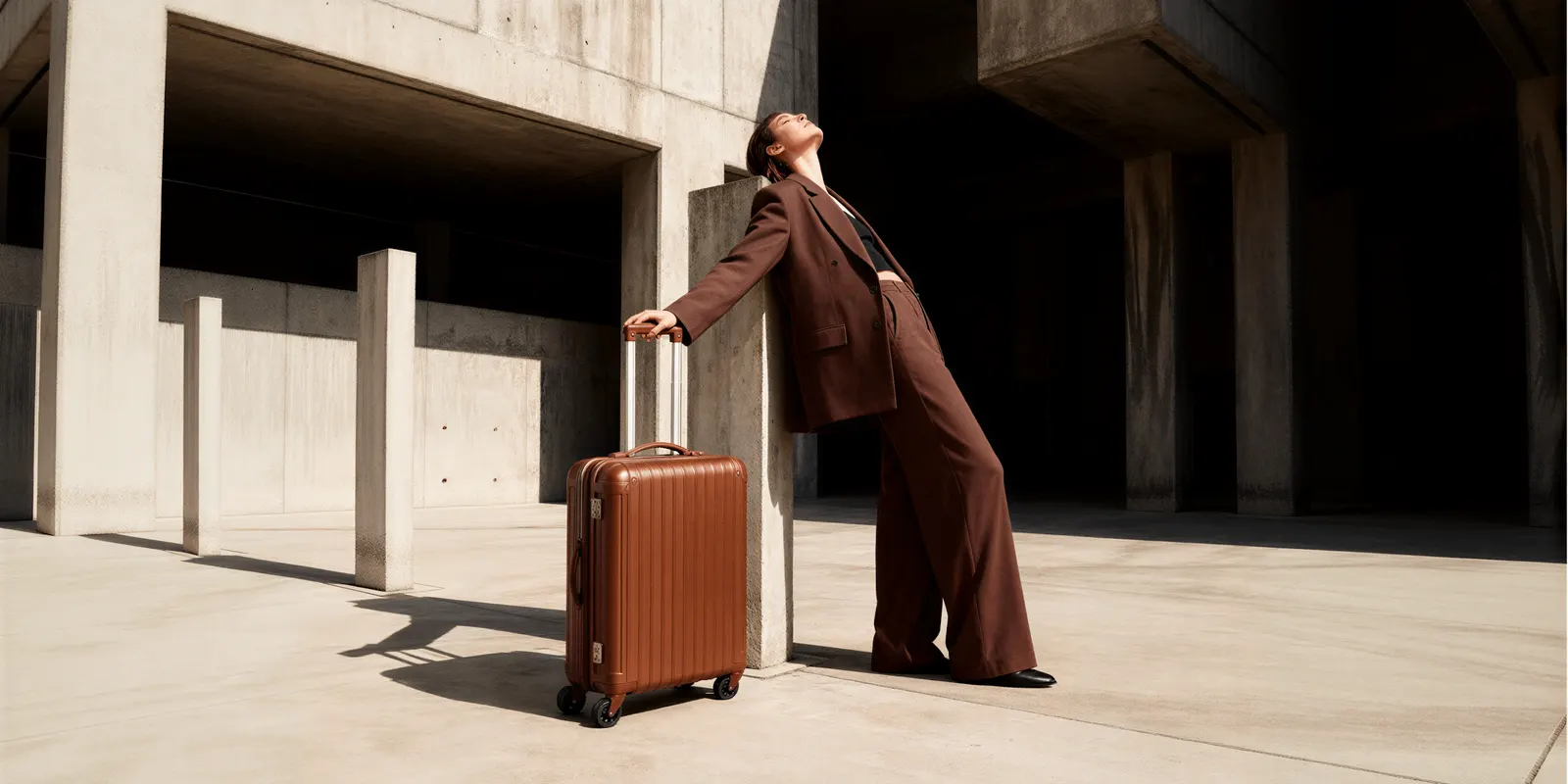
AI fashion photography for ecommerce is the practice of generating a garment’s on-model, styled and campaign frames from one photograph of the real product, then shipping them to the product page, the marketplace listing and paid social. It works when each frame is built for the channel that will run it, because Amazon, Google Shopping, Meta and the EU each publish a rule that decides whether that frame is allowed.
A 35-SKU drop at six frames each is 210 images. Booked as a shoot, that is a studio day, a model, hair and makeup, and two weeks of retouching, and the back view still gets cut when the day runs long. Generated without a plan, it is 210 frames that fail a listing check you did not know existed.
This guide is for the person who owns the drop calendar at a fashion or apparel brand selling on Shopify, Amazon or both. It sorts the images a drop needs into five registers, names the rule that governs each one, and separates what you generate from what you still shoot.
Key Takeaways
A drop needs five image registers, and they answer to different rules. Marketplace main image, product page set, lookbook, paid social and fabric detail. Two of the five should still be photographed.
Amazon requires adult apparel on a model and bans ghost mannequins from the main image. The guide also demands a pure white background and 85% frame fill, and the penalty is removal from search (Amazon Seller Imaging Guide, Clothing and Accessories, Spring 2021 edition, retrieved August 2026).
Google Shopping wants apparel worn by people and AI images tagged in metadata. Merchant Center asks for worn images for clothing and requires every generative AI image to carry an IPTC DigitalSourceType tag that must not be stripped (support.google.com, accessed August 2026).
The EU AI Act’s disclosure duty has applied since 2 August 2026. A generated product image that makes the garment look better than it is counts as a deepfake. A real garment on a generated background does not (digital-strategy.ec.europa.eu, accessed August 2026).
Generate the story frames, shoot the fit frames. Baymard’s testing found shoppers cannot judge length and fit from styled apparel and recommends one unstyled worn frame per product (baymard.com, accessed August 2026).
One garment photo is the input for everything generated. Photograph each piece flat or on a ghost mannequin once, in even light. Every register after that derives from it.
A 35-SKU drop of ten-image sets is 875 credits at the rate on DesignerBox’s Fashion Factory page. That fits inside a Pro month. Virtual try-on and video need Premium.
What is AI fashion photography for ecommerce?
AI fashion photography for ecommerce takes one photograph of a real garment and generates the frames a listing and a campaign need: the garment worn on a model, styled in a location, cropped for a product grid, or set in a scene for paid social. The product pixels come from your photo. The model, the light and the setting are generated around it. The output is a standard image file that goes wherever a photographed one would.
The reason it matters for ecommerce specifically, rather than for fashion in general, is the number of frames a channel wants. A wholesale buyer reads one lookbook. A product page wants six frames per colourway. Amazon wants a main image and up to six variants per ASIN. Paid social wants a fresh set every two weeks. The frame count is what makes a shoot per drop unaffordable, and it is also what makes the channel rules unavoidable.
Because the output is an image file, the platforms treat it as they treat any image. The rules below are image rules that a generated frame has to pass like any other, and most guides on this topic skip them.
The five image registers a fashion drop needs
Every apparel drop ships to the same five places, and each place wants a different frame. The table sorts them by what governs the frame, not by how it looks, because the rule is what decides whether you generate it or shoot it.
| Register | Where it runs | Generate or shoot | The rule that decides it |
|---|---|---|---|
| Marketplace main image | Amazon, Google Shopping | Shoot, or generate only from a full-resolution garment photo with the model on white | Amazon: adult apparel on-model, pure white, 85% fill, no ghost mannequin. Google: worn images for apparel, AI metadata tag |
| Product page set | Shopify PDP, own site | Generate the styled frames, shoot one unstyled worn frame | Baymard: shoppers cannot judge fit from styled apparel. Shopify: 250 media per product |
| Lookbook and campaign | Homepage, email, wholesale | Generate | EU AI Act Article 50 if a realistic person appears |
| Paid social and UGC-style | Meta, TikTok | Generate | Meta AI info label, EU AI Act Article 50 |
| Fabric and construction detail | PDP, Amazon variants | Shoot | Nothing regulatory. Generation flattens cable knit, bouclé and suede |
Two of the five stay with the camera. The fit frame, because nobody put your garment on the generated body. The detail frame, because stitch-level texture sits below what generation reliably resolves. Both are twenty-minute jobs, not studio days, and both are covered later.
Video is a sixth register with its own economics. A garment photo can become a short fashion clip through the Fashion Video Creator app, and our review of what the evidence supports for AI fashion video covers where it pays. It is priced per second and needs Premium, so plan it separately from the stills.
Which platform rules govern each frame
The rules come from five sources, and a frame that runs on more than one channel has to pass all of them. Amazon governs the marketplace main image. Google Merchant Center governs anything in Shopping. Shopify caps the product page. Meta labels the ad. The EU AI Act governs disclosure wherever a European shopper sees the image.
What Amazon requires of an apparel main image
Amazon’s Seller Imaging Guide for Clothing and Accessories states that all adult apparel should be imaged on-model, while kids, baby, accessories, multipacks and sets go off-model. Main images must have a pure white background, RGB 255,255,255, and the product must fill at least 85% of the image area. The guide’s list of things a main image must not contain includes visible mannequins, ghost mannequins, promotional text, and models kneeling, leaning or lying down. Failure to meet the requirements may result in the removal of your ASIN from search (Amazon Seller Imaging Guide, Clothing and Accessories, Spring 2021 edition, retrieved August 2026).
That is the rule that contradicts most advice in this category, which recommends a ghost mannequin for the main product frame. Ghost mannequin is a valid off-figure type for variant images, and the guide names it as one. It is banned from the main image for the exact category where it is most recommended. The clothing photography shot list Amazon requires goes crop by crop.
The guide is stamped Spring 2021 and describes what the picture must contain, not how it was made. A generated on-model frame on white from a full-resolution garment photo does not break the letter of it. Whether it passes the fit test is a separate question, answered below.
What Google Shopping requires
Google Merchant Center’s image specification asks merchants to provide images of products worn by people for clothing products, and to avoid cropping the model’s head or feet in full-body shots. Accessories and footwear can appear alone in the primary image. The minimum is 500 x 500 pixels, with 1500 x 1500 or above recommended (support.google.com, accessed August 2026).
The same page carries the requirement that catches generated frames. All images created using generative AI must contain metadata indicating that the image was AI-generated, with the IPTC DigitalSourceType property given as the example, and merchants must not remove embedded metadata tags such as TrainedAlgorithmicMedia from images created with generative tools. Most resize and crop steps strip metadata by default, so check the export path before the feed goes live.
What Shopify caps
Shopify recommends 2048 x 2048 pixels for square product images, accepts files up to 5000 x 5000 pixels and 25 megapixels under 20 MB, and caps a product at 250 images, 3D models or videos combined (help.shopify.com, accessed August 2026).
Two hundred and fifty sounds generous until a product has eight colourways at six frames each, which is 48, and you want a size-inclusive set per colourway. Generate to a plan, not to the cap.
What Meta labels
Meta applies an AI info label to ads fully created or materially edited with its own generative AI creative tools. If the image includes an AI-generated photorealistic human, the label appears next to the Sponsored label at the top of the ad rather than inside the three-dot menu (meta.com, accessed August 2026). For ads made with third-party generative tools, Meta has said it will automatically detect them through industry-standard signals and apply the label itself, with the post updated 1 June 2026 (about.fb.com, accessed August 2026).
The practical reading for a fashion brand: a generated on-model ad is likely to carry a visible label, and a generated background behind a photographed garment may not. Plan the creative knowing which one you are shipping.
What the EU AI Act requires
Article 50 of the AI Act has applied since 2 August 2026. Deployers must disclose deepfake content at first exposure at the latest, and the Commission’s FAQ defines the threshold as content that resembles someone or something that exists, can plausibly exist or could have plausibly existed in reality (digital-strategy.ec.europa.eu, accessed August 2026).
The Commission’s Article 50 Guidelines of 20 July 2026 give the advertising test directly. A generated product image that makes the product appear more appealing or of higher quality than in real life counts as a deepfake. A real product shown against a generated background, where the ad does not mislead about the product, does not. Whether an anonymous synthetic model in a clothing ad needs a visible label is still an open question, because every person example in the Guidelines is someone recognisable, and there is no enforcement decision yet. Treat it as open, and read our guide to labelling AI-generated fashion images for the wording and placement that satisfies the strict reading.
What to shoot and what to generate
Shoot one clean photograph of each garment, and shoot one unstyled worn frame for anything cut close to the body. Generate everything else. The garment photo is the input for every generated register, so it is the one shot the whole drop depends on.
The garment photo. Flat lay or ghost mannequin, front and back, even light, no styling. This is what the model wears in every generated frame, and its resolution caps the resolution of everything downstream. The input rule for fashion visuals covers which garments need flat and which need a form. If you already have a cut-out, DesignerBox’s ghost mannequin feature builds the hollow-form version from it.
The unstyled worn frame. Baymard’s usability testing found that when apparel is tucked in, rolled up or pinned, shoppers cannot assess length and fit, and it recommends at least one basic unstyled image of the product worn on a model. The same research found shoppers judged mannequins and virtually rendered models harshly and recommended them only as a last resort. That finding was published in December 2020 and predates current generation quality, so check your own output at full resolution rather than take it as settled (baymard.com, accessed August 2026).
The reason this frame stays with the camera is not quality. A generated frame shows your garment on a body. It does not show how your garment fits that body, because nobody put it on. For a fitted blazer or a bias-cut dress, the plain worn frame is the one shoppers use to decide, and it is a phone, a friend and ten minutes.
The fabric families that generate badly. Cable knit, bouclé, shearling, suede and anything with a visible weave. The texture sits below the level generation resolves and flattens into a printed pattern. Test one piece per fabric family at full resolution before you plan a season around it, and shoot the detail crop for those pieces.
Everything else generates. The styled product page frames, the lookbook, the location editorial, the paid social set. Our guide to on-model photography with AI covers matching a generated frame to the catalog you already shot, so the new drop does not look like it came from a different brand.
How to keep a whole drop on one model
Lock the model, the light and the lens before the first garment, and generate each look as a set rather than one frame at a time. Drift between frames is what makes a generated drop read as generated, and it comes from regenerating the person, not from the garment.
Three things hold a drop together, and none of them is location variety.
One identity. The same face, body and hair across every garment, and ideally into next season. A saved fashion model persona carries that across a drop. Baymard’s apparel testing found no shopper was deterred by a lack of body type range, so treat size-inclusive sets as an enhancement to add per bestseller, not a requirement on every SKU.
One lighting language and one lens register. You can move a look from a concrete plaza to a studio and still hold the set together if the key light sits in the same relationship to the subject and the focal length does not jump from wide to compressed. Write both down. Brand profiles store them so the next drop starts from the same settings.
Sets, not shots. Prompting a look frame by frame drifts. Generating the six frames of a look as one batch, with the same reference and the same settings, holds it. Our guide to batching AI fashion photo sets explains what should vary between frames and what should not. Inside DesignerBox, Fashion Factory is the app built for exactly this: one garment in, a full photo set out, on the same model.
If the drop reaches a lookbook, the lookbook shot list sorts the frames by who reads them, which is a different cut from the product page set above.
What AI fashion photography costs for a 35-SKU drop
A 35-SKU drop of ten-image sets is 875 credits at the rate published on DesignerBox’s Fashion Factory page, which states that a single image costs 3 credits and a full 10-image set costs 25. That sits inside a Pro month at 1,000 credits for $35, or two Basic months at 500 credits for $15. The free plan’s 112 credits covers four sets, which is enough to answer the fabric question on your worst-case piece before you commit a season.
The shoot it replaces is priced by the day. Full-day product photography runs $1,500 to $4,000 for the photographer alone, and lifestyle frames run $75 to $300 per finished image (larsmillermedia.com, 2026 rates, accessed August 2026). Add a model, hair and makeup, a stylist and retouching across 210 frames, and a drop is a five-figure line before the reshoot nobody budgets for. Most traditional-versus-AI cost tables on this topic are published by companies selling AI photography, so price your own last shoot instead.
What the credits do not cover is the part of the bill AI never touches: the sample, the garment photo, the fit frame, and the person who checks the output. Our worksheet on what cutting fashion photography costs really means itemises the four lines that stay.
Two tier gates apply. Virtual try-on and AI video need Premium at $75 a month for 2,500 credits. Team collaboration and shared brand kits are Ultra at $200 a month, which is the tier to price if the drop goes through an approval chain. The still registers above run on any tier.
One number to keep in view while doing this maths. An estimated 19.3% of online sales were returned in 2025 (nrf.com, NRF and Happy Returns, October 2025). The frames that reduce fit ambiguity are the ones you shoot, not the ones you generate, which is the second reason the unstyled worn frame stays on the list.
What the evidence says generated frames do to clicks
The one controlled experiment in this category measured generated backgrounds, not generated people. Czapp, Jani, Domián and Hidasi ran live A/B tests on retargeting ads across merchant catalogs that were mostly apparel and found a roughly 15% click-through gain from generated backgrounds against the original product images, with a range of 4% to 40% across merchants depending on catalog and image quality. The product itself was not modified in any way (arxiv.org, RecSys ‘24, October 2024).
The gain came from context around a real product, which is the method rule for every generated register: the garment pixels come from your photo, the scene is built around them. The study says nothing about generated models, because it never generated one, so any conversion lift quoted for AI models on apparel is a vendor claim until someone publishes the test. Our comparison of AI fashion model generators is written on that basis, and the fashion and editorial model comparison runs one garment brief through every model in the catalog.
How to run the first drop
- Photograph every garment flat or on a ghost mannequin, front and back. Even light, no styling, full resolution. This is the input for everything and the line sheet asset on its own.
- Shoot the unstyled worn frame for anything fitted. Phone, daylight, a person the garment fits. This is the frame Amazon’s guide and Baymard’s testing both want.
- Pick one bestseller and generate its ten-image set. Check the fabric at full resolution and check the fit against the worn frame. If the piece is a knit or suede, this is where you find out.
- Lock the model, light and lens in a brand profile. Then generate the rest of the drop as sets on the same identity. The Fashion OOTD workflow is the repeatable version of this step.
- Export by channel. White background at 85% fill for Amazon, 2048 square for Shopify, 4:5 and 9:16 for paid social, with the IPTC metadata intact for anything in Google Shopping.
- Write the disclosure line before the campaign goes live. Decide whether a realistic person appears, decide where the label sits, and keep the decision with the assets.
All of it runs inside Model Studio, the DesignerBox studio built for showing a garment worn, and the fashion and apparel overview walks the same pipeline end to end. The catalog and marketplace still frames live next door in Photo Studio, on the same upload.
FAQ
Can I use AI fashion photography for Amazon main images?
Amazon’s Seller Imaging Guide states what an apparel main image must contain: the garment on a model for adult apparel, a pure white background, 85% frame fill, and no visible or ghost mannequin. It does not state how the image must be made. A generated on-model frame that meets those requirements is not excluded by the guide. The practical risk is fit accuracy, so compare the generated frame against a photographed worn frame before it becomes the main image.
Do I have to disclose that fashion images are AI-generated?
In the EU, Article 50 of the AI Act has applied since 2 August 2026 and requires deployers to disclose deepfake content. The Commission’s July 2026 Guidelines treat a generated product image that makes the product look better than it is as a deepfake, and a real product on a generated background as outside the definition. For Google Shopping, every generative AI image must carry an IPTC DigitalSourceType tag regardless of jurisdiction. On Meta, ads made with generative tools carry an AI info label applied by Meta.
Will a generated frame show how a garment fits?
No. A generated frame shows your garment on a body. It does not show how your garment fits that body, because the garment was never worn. For fitted pieces, shoot one unstyled worn frame and use the generated frames for styling, setting and campaign. Baymard’s research recommends the unstyled worn frame for every apparel product for the same reason.
Which garments generate badly?
Pieces where the fabric is the selling point at stitch level: cable knit, bouclé, shearling, suede and anything with a visible weave. Generation tends to flatten the texture into a printed pattern. Smooth wovens, jersey, denim and tailoring generate well. Test one piece per fabric family at full resolution before committing a season.
Can the same AI model wear the whole collection?
Yes. Save the model as a persona and apply it to every garment in the drop, with the lighting and lens settings stored in a brand profile. Generate each look as a set rather than frame by frame, because regenerating the person is where drift comes from. The same identity can carry into the next season, which a booked model rarely does.
What does AI fashion photography cost per drop?
At the rate on DesignerBox’s Fashion Factory page, a 10-image set is 25 credits, so a 35-SKU drop is 875 credits. That fits a Pro month at $35 for 1,000 credits. Virtual try-on and AI video are Premium at $75 for 2,500 credits. The garment photo, the fit frame and the review time are not in the credit count.
Do generated fashion images work on Shopify product pages?
Yes. The output is a standard image file. Shopify recommends 2048 x 2048 pixels for square product images and caps a product at 250 media files, so an eight-colourway product at six frames each uses 48 of them. Export at the recommended size and keep the same model across colourways.
Start with one garment
The drop is not a hard shoot. It is one garment photo, one worn frame, and five registers that each answer to a rule you can read before you generate a single frame. Photograph one bestseller flat, generate its set, and check the fabric and the fit before you plan the rest of the season.
Sources
- Adult apparel imaged on-model, pure white main image background, 85% frame fill, visible and ghost mannequins excluded from the main image, and removal from search as the penalty: Amazon Seller Imaging Guide, Clothing and Accessories, Spring 2021 edition, retrieved August 2026
- Worn images for apparel, 500 x 500 minimum and 1500 x 1500 recommended, and the requirement that generative AI images carry IPTC DigitalSourceType metadata that must not be removed: support.google.com, accessed August 2026
- 2048 x 2048 recommended, 5000 x 5000 and 20 MB maximum, and 250 media files per product: help.shopify.com, accessed August 2026
- AI info label on ads made with Meta’s generative tools, label placement when a photorealistic AI human appears, and automatic detection of third-party generative tools: meta.com and about.fb.com, post updated 1 June 2026, accessed August 2026
- Article 50 applying from 2 August 2026, the deployer disclosure duty, and the deepfake definition: digital-strategy.ec.europa.eu, accessed August 2026, and the Commission’s Article 50 Guidelines, C(2026) 5054 final, 20 July 2026
- Styled apparel obscuring length and fit, the recommendation for one unstyled worn frame, the December 2020 finding on rendered models, and model diversity as an enhancement on apparel: baymard.com, accessed August 2026
- Roughly 15% click-through gain from generated backgrounds on mostly apparel retargeting campaigns, 4% to 40% across merchants, product unmodified: arxiv.org, Czapp, Jani, Domián and Hidasi, RecSys ‘24, October 2024, accessed August 2026
- 19.3% of online sales returned in 2025: nrf.com, NRF and Happy Returns, October 2025, accessed August 2026
- Full-day photography rates of $1,500 to $4,000 and lifestyle frames at $75 to $300 per image: larsmillermedia.com, 2026 pricing guide, accessed August 2026
- Fashion Factory set pricing of 3 credits per image and 25 credits per 10-image set, and DesignerBox plan allocations and feature gating: designerbox.ai, August 2026
Platform rules verified from Amazon’s Seller Imaging Guide, Google Merchant Center, Shopify Help Center and Meta’s help pages, and EU AI Act obligations from the European Commission’s Article 50 FAQ and Guidelines, all as of August 2026. The Amazon guide carries a Spring 2021 edition stamp. Baymard’s finding on rendered models was published in December 2020 and predates current generation quality. Photography rates vary by market. Individual results vary.