Stretch and water
Swimwear product photography with AI
Swim fabric needs tension to look right, so start on a body. Set the location light next. Watch the colour that sand and pool water throw onto white fabric. Show the print flat too, because it bends over every curve. Every picture keeps your brand's look, at any volume.
Last updated
Who it is for
Does that sound like you?
Scaling without compromising quality.
You need more pictures every week for the shop, the ads and the socials. Anyone can make an AI picture. Making hundreds that still look like your brand is the hard part. A shoot for every product costs weeks, and every new generator returns a different look.
- A template or a workflow you build once, with your brand rules
- One run on one product, or a batch over your whole catalogue
- Every result in Assets, with the same look on the first and the last
Cut the waiting time and budget for deliverables.
You make this for clients, and every client has their own look. A shoot for each one costs weeks and most of the budget. A different generator for each one returns a different look, so somebody fixes it by hand before it is delivered.
- Each client's brand rules, saved once and used on every run
- A workflow you build once and run for every client
- A batch over a client's whole catalogue, delivered from Assets
Swimwear photography
Swimwear product photography is done on a body. Stretch knit only takes its real shape under tension. Laid flat it looks like a scrap of fabric. Light is the second decision. High midday sun makes white fabric lose its detail and drops hard shadow. Low sun or open shade holds the colour. Water is the third. Wet swim fabric reads darker and stronger than dry. A listing needs at least one dry frame.
What stretch fabric and open water ask for
Four problems that decide whether the fit and the colour are believable.
Stretch fabric needs a body
Swim knit is cut smaller than the body it fits. Off a body it has no shape and no seam line. Put it on a model or a form so the fabric pulls into its real silhouette. That one decision does more for the listing than any lighting change.
Wet fabric is a different colour
Water darkens swim fabric and deepens the print. A buyer who has only seen wet frames finds a lighter garment in the parcel. Publish at least one dry frame under the same light. Say which frames are wet if the difference is large.
Sand and water throw colour
Dry sand bounces warm light upward and turns white fabric cream. Pool water bounces cyan and turns the same fabric pale blue. Both happen under the model, where you are least likely to look. Set white balance against a neutral card in the same spot, never indoors.
A repeat print bends over curves
A print photographed only on a body is stretched, curved and partly hidden. Buyers cannot tell what the pattern repeat is. Add one flat frame of the whole garment on a plain surface. Between the two frames, a buyer sees both the pattern and the fit.
The swimwear shot list, in order
Fit first, light second, print last.
Fit comes first on swimwear. A garment off a body tells a buyer nothing. Finish the on-body frames while the light is good. Light is the second decision. It is a scheduling decision more than a software one. Choose the hour and choose open shade. Accept that midday is unusable for white fabric. Colour comes third, set from a neutral card where the model stands. The flat print view and the hardware crops come last. Produce those indoors on a plain surface, where nothing bounces colour into them.
Files a swimwear listing needs
Four files, and what each one has to prove.
Front on-body frame
The whole garment worn, head to mid-thigh, with nothing cropped at the edge. This is the hero and the ad crop. Keep the same framing across the range, so a collection page matches.
Back and coverage view
A straight back view showing the cut at the seat, the tie positions and the strap crossing. Coverage is a question a front view cannot answer, and buyers look for it. Photograph it at the same distance as the front frame.
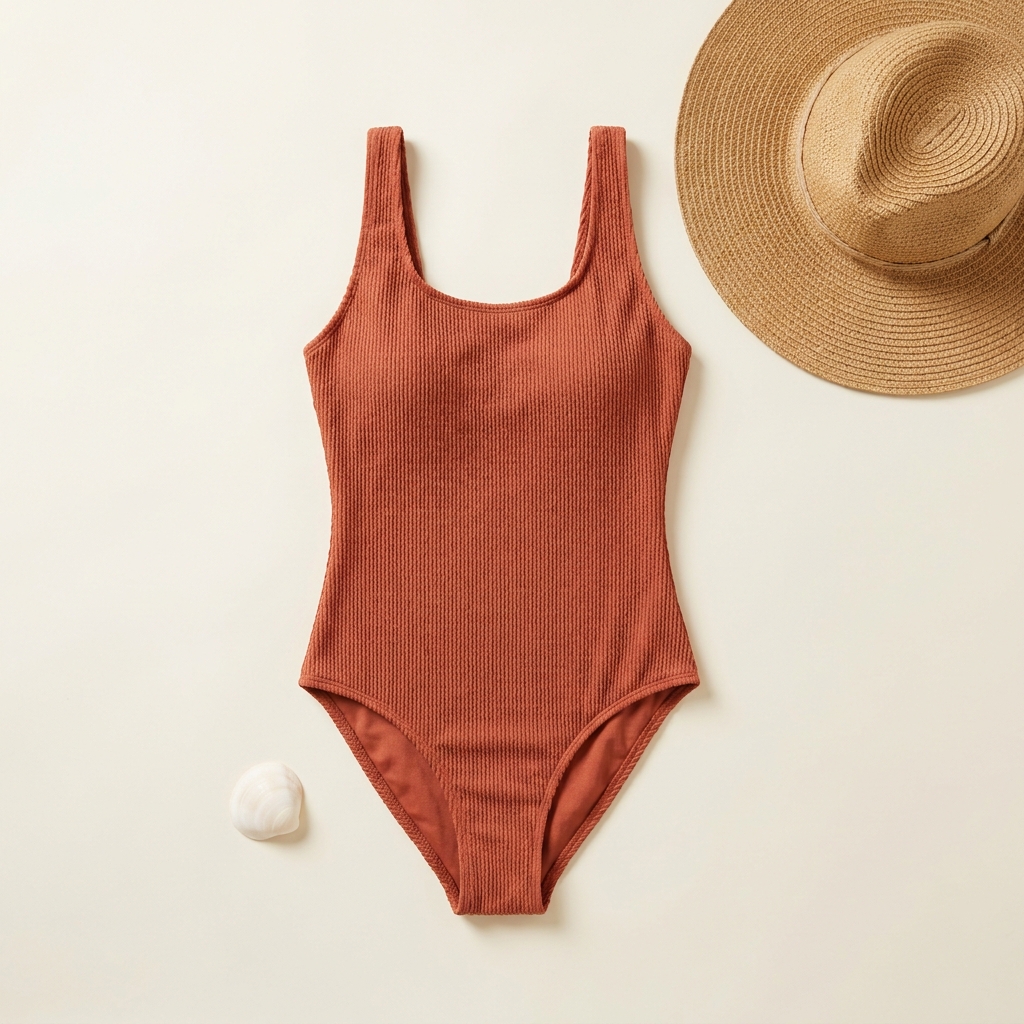
Flat print view on white
The garment laid flat on plain white, so the full pattern repeat is visible. Any marketplace that asks for a plain background can use this frame. It also gives a buyer the true dry colour.
Hardware and tie close-up
A crop of the ring, the slider, the clasp or the tie. Buyers use it to judge adjustability and build quality. Metal hardware needs a small soft reflection to look solid rather than flat.
Questions about swimwear photography
What swim brands ask before a season shoot.
Can I photograph swimwear without a model?
Should I photograph swimwear wet or dry?
Why does my white bikini look blue by the pool?
How do I show a print accurately?
What is the best time of day for a beach shoot?
Can I make video from a swimwear photo?
Other categories
The same craft, written for a different product.
Fashion and apparel
Drape, fabric weight and true colour, held across every image in a clothing listing.
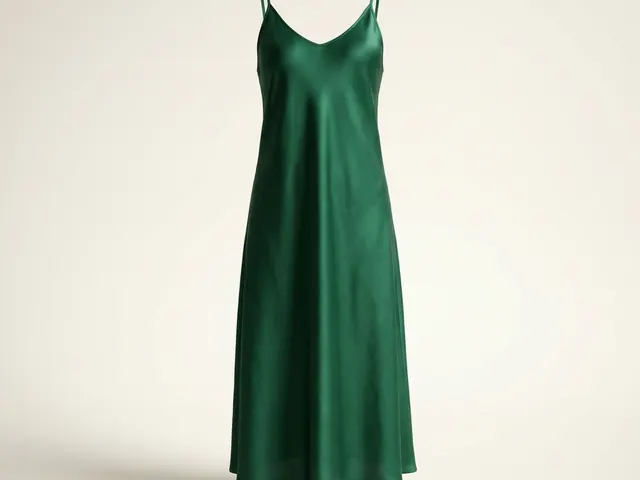
Dresses
Hem line, the fall of a skirt, and a full-length garment inside a square crop.
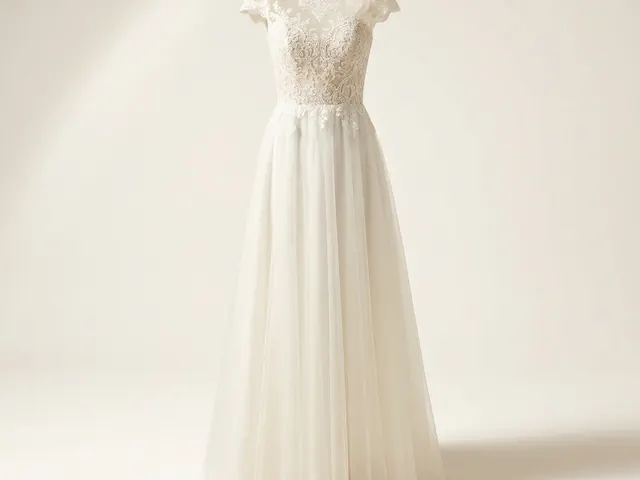
Wedding dresses
White on white, lace and beadwork detail, and a train that has to be measured.
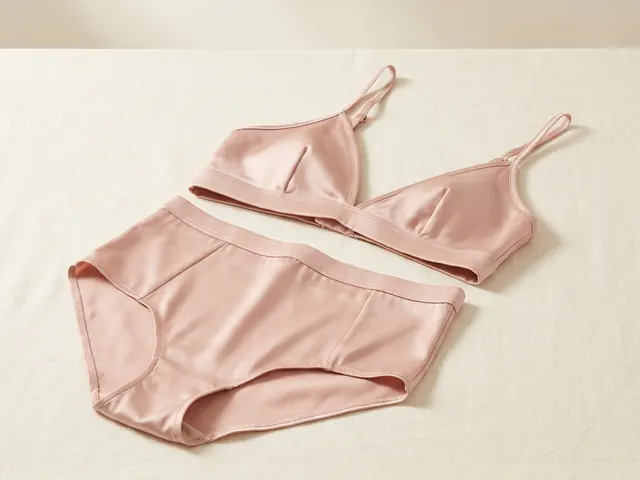
Lingerie photography
Flat lay sets, open lace cut-outs, sheer mesh backing and true nude colour.
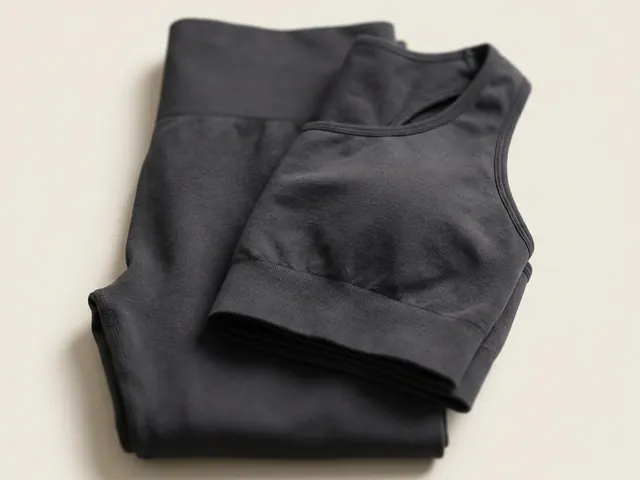
Activewear photography
Compression under tension, seam detail in raking light, and the back view buyers open.
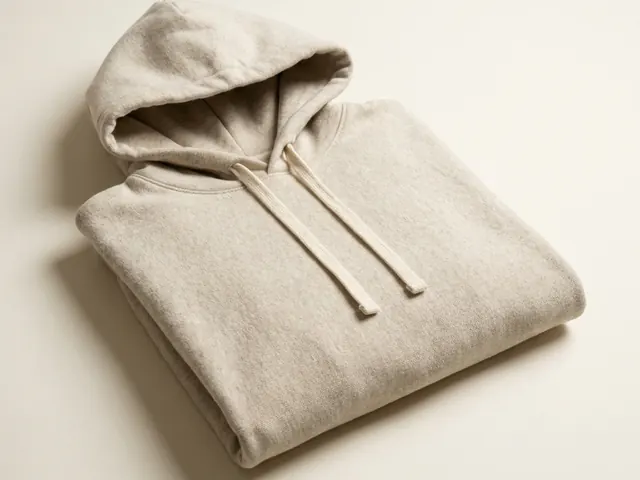
Hoodie photography
Fleece weight, hood shape, print legibility and the drop shoulder.
Everything you need, in one place
The full workflow from the first product photo to the finished ad, in one subscription.
Scale content without limits.
Generate content for your products or services with AI, starting today, and keep your brand on every piece.