A cinematic ad style is a repeatable look built from four decisions: the lighting, the camera move, the pacing, and the colour grade. AI video models reproduce those looks from a single product photo when you name all four precisely. There is no style dropdown to click. You direct the look in the brief, then pick the model that holds it.
Most guides on this topic hand you a list of named presets and tell you to pick one. That works right up until you want a look the list does not carry, or the preset returns something that is not your product.
The four decisions are the real unit of control. Learn them once and every model in the catalogue becomes steerable, including the ones that ship after this article.
This covers ten looks worth knowing, how to direct each one, which model holds which, and what a clip costs in credits. Read the cost section first. Video pricing is where most plans break.
Key Takeaways
-
The look is four decisions: lighting, camera move, pacing, grade. Name all four or the model chooses for you.
-
Your product photo is the anchor. OpenAI documents that an input image “acts as the first frame of your video” for Sora 2 Pro (developers.openai.com, July 2026). Veo 3.1 takes reference images “of a scene, a character, or an object” to guide generation (deepmind.google, July 2026).
-
Resolution picks the model. Veo 3.1 generates outputs “in 1080p and 4K” (deepmind.google, July 2026). OpenAI lists Sora 2 Pro’s largest export as 1920x1080 (developers.openai.com, July 2026).
-
Audio is the expensive decision. Veo 3 with audio at 8 seconds costs 6,400 credits. The Premium tier’s entire month is 2,500.
-
AI video needs Premium ($75/month) or higher. It is not on Basic or Pro. There is a free plan for everything else. Check DesignerBox pricing before you plan a video campaign.
What a cinematic ad style is
Style is not a filter applied after the shot. It is four choices made before it.
Lighting decides the mood. A single hard source from behind reads premium. A large soft box reads clean and commercial. Window light reads honest.
Camera move decides the energy. A 5% push-in is patient and expensive-looking. A whip pan is urgent. A locked-off frame is editorial.
Pacing decides the format. One slow move fills 8 seconds. Three cuts in 8 seconds is a trailer.
Grade decides the era. Cool and neutral reads modern tech. Warm with lifted blacks reads film.
Name all four in the brief and the output is directable. Name one and you get the model’s default, which is where the generic AI look comes from.
The 10 cinematic ad styles
| Style | The look | Best for |
|---|---|---|
| Luxury gloss | Specular highlights on polished surfaces, near-black surround, slow push-in | Jewellery, watches, fragrance, beauty |
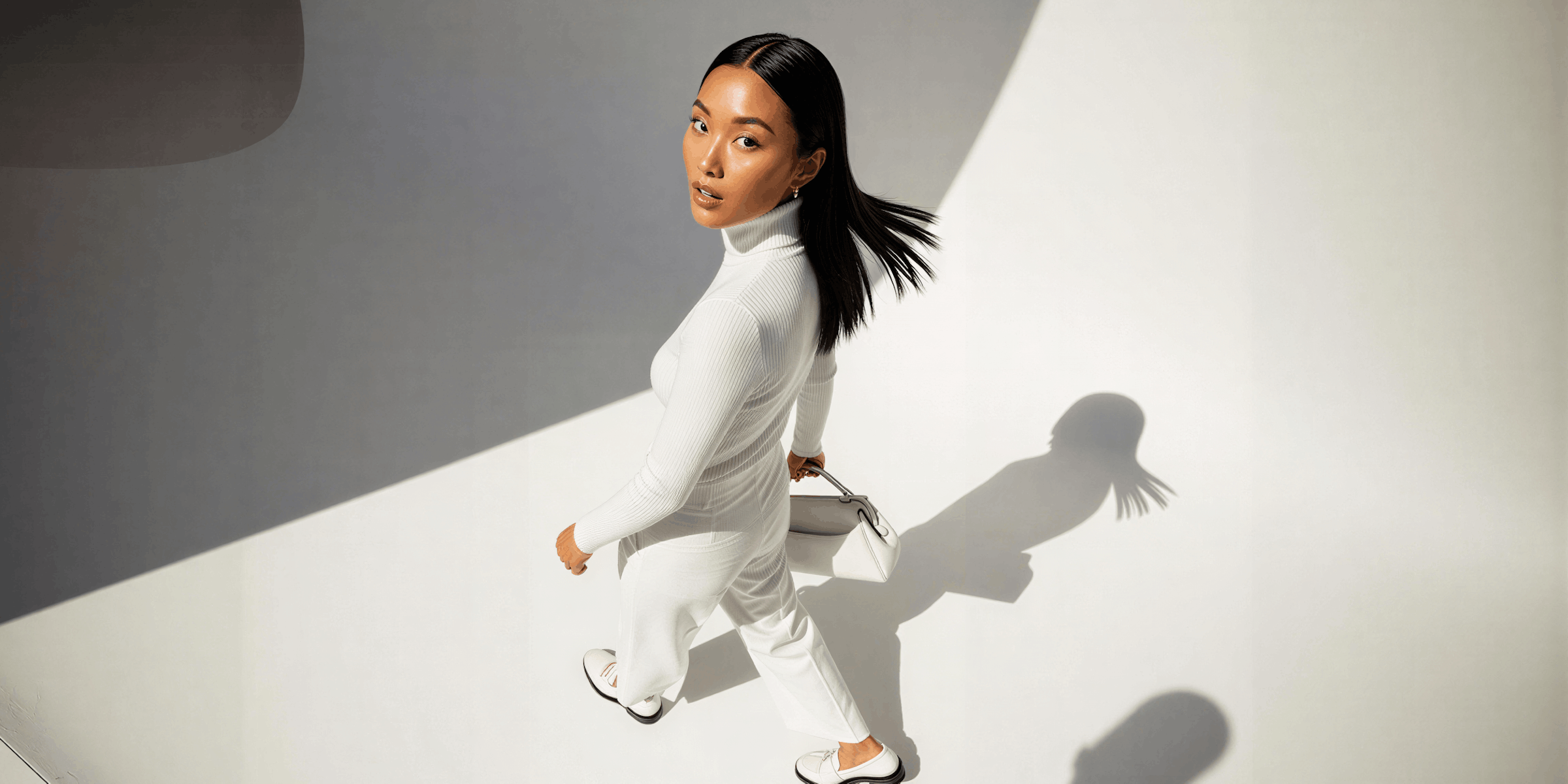
| Clean minimal hero | Grey sweep backdrop, product centred, soft falloff, no props | Consumer tech, skincare, hardware |
| High-energy motion | Hard key, deep contrast, whip pans, cuts on movement | Athletic, footwear, energy drinks |
| Movie trailer | Wide establishing, macro detail, hero reveal, cut to black | Launches, new category products |
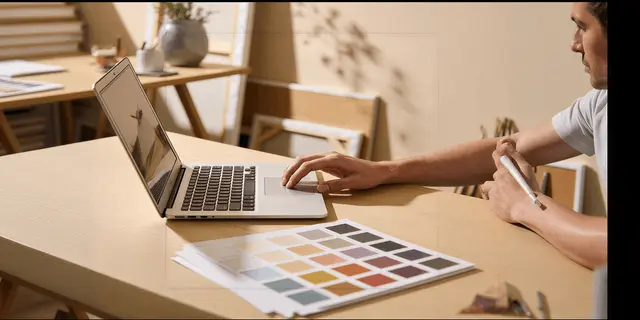
| Slow craft film | Very slow moves, shallow focus, hands working material | Coffee, leather, ceramics, furniture |
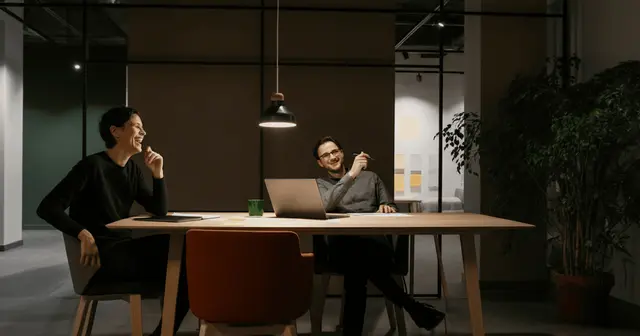
| Dark and moody | One hard source, deep shadow, rim light, atmospheric haze | Spirits, fragrance, audio, premium tech |
| Bright lifestyle | Daylight, real interiors, product in use, handheld feel | Home, food, apparel, wellness |
| Futuristic | Neon rim, reflective floor, hard geometry, cool grade | Gaming, tech, apps |
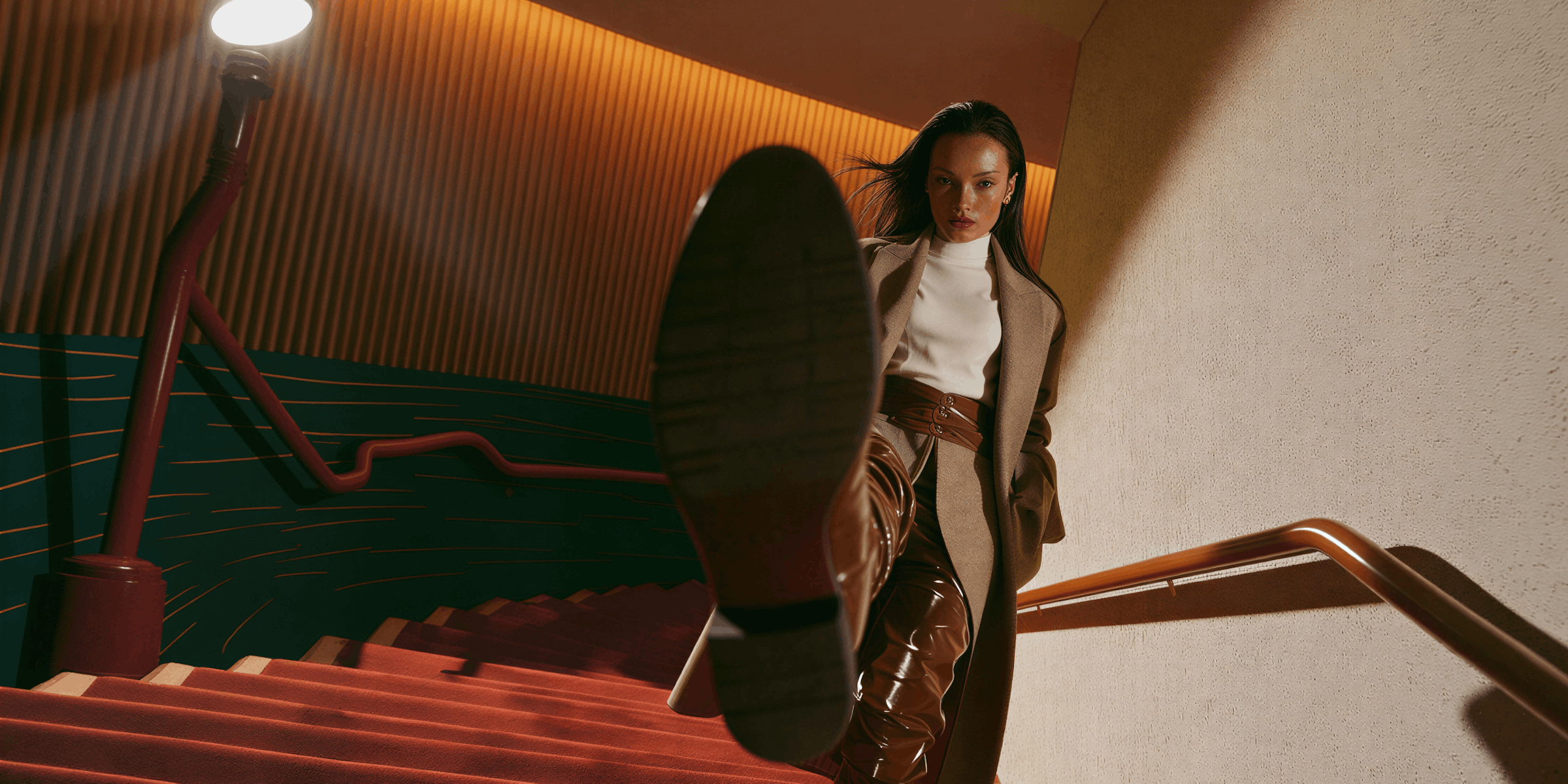
| Editorial fashion | Hard flash, colour blocking, graphic composition | Apparel, eyewear, accessories |
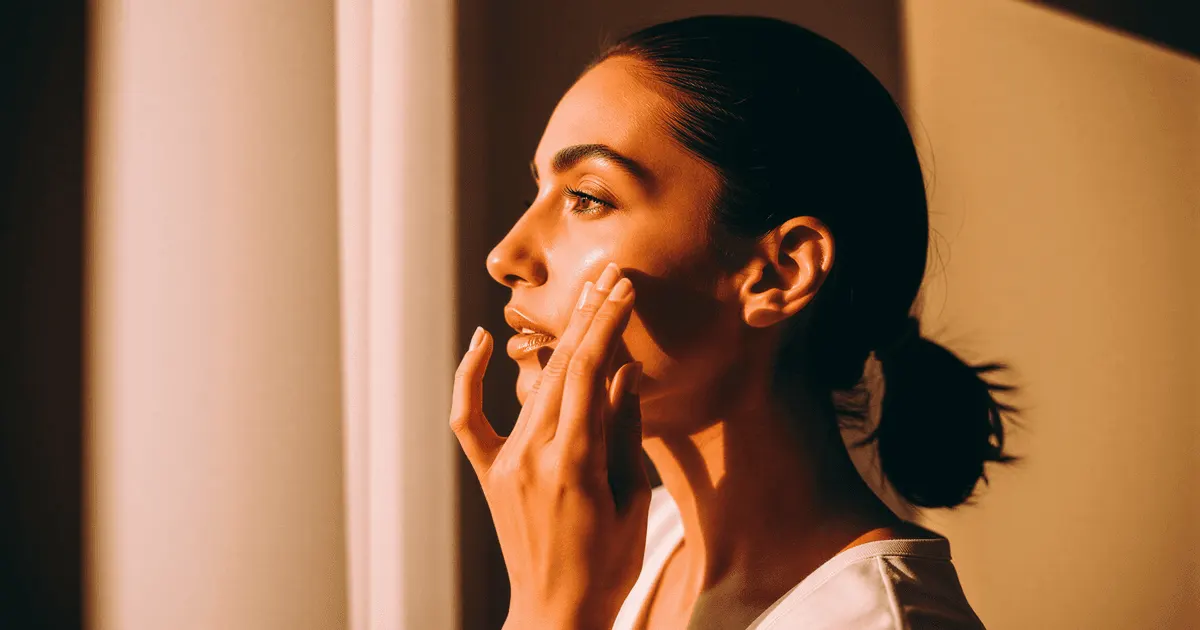
| Warm film | Grain, halation on highlights, lifted blacks, golden hour | Denim, heritage brands, comfort food |
1. Luxury gloss
Light rolls across a polished surface and the camera barely moves. The surround goes near-black so the product carries every highlight.
Direct it with: single soft key at 45 degrees, black background, slow 5% push-in, specular highlight travelling across the surface, shallow depth of field, cool neutral grade.
2. Clean minimal hero
The product sits centred on a curved sweep backdrop with nothing else in frame. One slow orbit or rise. This look is unforgiving, because any flaw in the product reads immediately.
Direct it with: light grey sweep backdrop, large soft box, product centred, slow orbit, no props, neutral grade, soft shadow directly under the product.
3. High-energy motion
Hard light, deep contrast, and cuts that land on movement. Texture and grit are the point, so do not smooth them out.
Direct it with: hard key light, deep contrast, handheld whip pan, cut on movement, saturated grade, product in motion.
4. Movie trailer
Three beats in eight seconds. Wide establishing shot, macro detail, hero reveal. The cut to black does the work.
Direct it with: wide establishing shot, cut to macro detail, hero reveal on a slow rise, dramatic side light, cut to black.
5. Slow craft film
The camera moves slower than feels comfortable. Hands work the material. This look sells the making, not the product.
Direct it with: natural window light, slow dolly, shallow depth of field, hands working the material, texture close-up, warm neutral grade.
6. Dark and moody
One hard source from behind, deep shadow everywhere else, and a rim light that separates the product from the black. Haze makes the beam visible.
Direct it with: single hard source from behind, rim light on the product edge, deep shadow, atmospheric haze, low-key grade, slow push.
7. Bright lifestyle
Daylight through a window, a real interior, and the product in use. A little handheld drift keeps it from looking staged.
Direct it with: soft daylight through a window, real interior, product in use, subtle handheld movement, warm natural grade.
8. Futuristic
Neon rim light, reflective floor, hard geometry. The grade goes cool and the light gets volumetric.
Direct it with: cool blue and magenta rim light, reflective black floor, hard geometric set, slow orbit, volumetric light, cool grade.
9. Editorial fashion
Hard direct flash, a saturated background, and a composition built like a magazine page. The camera stays still.
Direct it with: hard direct flash, saturated colour background, graphic centred composition, static camera, sharp shadow, editorial framing.
10. Warm film
Grain, halation blooming off the highlights, and blacks lifted just enough to read as stock rather than sensor.
Direct it with: golden hour backlight, 35mm film grain, halation on highlights, lifted blacks, slow handheld drift, warm grade.
Which model holds which look
DesignerBox includes six video models: Veo 3.1, Veo 3.1 Fast, Sora 2 Pro, Seedance 2.0, Kling 2.6 Pro, and Runway Gen-4.5. You switch between them without switching tools or bills.
Two of them publish specs precise enough to decide a shot on. Here is what their own documentation states, as of July 2026.
| Need | Model | What the provider documents |
|---|---|---|
| A 4K master | Veo 3.1 | Generates outputs “in 1080p and 4K” (deepmind.google, July 2026) |
| Your product photo as literal frame one | Sora 2 Pro | An input image “acts as the first frame of your video” (developers.openai.com, July 2026) |
| A single clip longer than 8 seconds | Sora 2 Pro | Supports “16- and 20-second generations” (developers.openai.com, July 2026) |
| An object reference guiding the shot | Veo 3.1 | Takes reference images “of a scene, a character, or an object” (deepmind.google, July 2026) |
| 1080p export, portrait or landscape | Sora 2 Pro | 1920x1080 and 1080x1920 (developers.openai.com, July 2026) |
That first-frame behaviour is the whole reason this works from one photo. Your packshot is not a mood reference the model interprets loosely. It is frame one, and the motion grows out of it.
For Seedance 2.0, Kling 2.6 Pro, and Runway Gen-4.5, check the current spec on the model pages before you commit a shot. This category changes monthly, and a resolution cap that was true in January is routinely wrong by July.
Audio is the most expensive decision you make
Video is priced as credits per second multiplied by duration. These are DesignerBox’s own examples, and the spread is the story.
| Example clip | Credits | Credits per second |
|---|---|---|
| Seedance Pro Fast, 720p, 5s | 150 | 30 |
| Kling Standard, 720p, 5s | 225 | 45 |
| Sora 2, 720p, 8s | 1,600 | 200 |
| Veo 3 + Audio, 8s | 6,400 | 800 |
Read the last row against the tiers. Premium costs $75/month and includes 2,500 credits. One 8-second Veo 3 clip with audio costs 6,400, which is more than double the entire monthly allocation. Ultra includes 8,000 credits, so the same clip leaves 1,600 behind.
The same 2,500 credits buy roughly 16 Seedance Pro Fast clips at 5 seconds. For the full breakdown, including what the model providers charge per second underneath the credits, see AI video generation cost.
That produces one honest workflow: draft cheap, finish expensive. Block the shot on the cheapest model until the framing, the light, and the move are right. Spend the audio budget once, on the take you already know works. Rendering an audio-bearing hero clip while you are still deciding the camera move is how a month disappears in an afternoon.
If a look needs no dialogue, it needs no native audio. Music laid under a silent render costs nothing in credits, and most paid social plays silent anyway.
That trade compounds across a batch. Once you are producing a set of ad variants rather than one hero clip, sound is what decides how many you can afford, which is worked through in what a video ad pack costs before it runs.
How to choose a style for your brand
Match the material, not the mood board. Gloss, grain, and haze behave differently on leather than on glass. A polished metal watch carries luxury gloss because it has specular highlights to roll light across. A matte fabric does not, and it will read flat in the same setup.
Match the placement. A movie trailer needs three beats and dies in a 6-second pre-roll. Bright lifestyle survives a silent feed because the product is in use and the story reads without sound.
Direct all four decisions. A brief that says “cinematic” gets you the model’s average of every cinematic frame it has seen. A brief that names the source, the move, the pacing, and the grade gets you a shot.
Test two, not ten. Run the same product photo through two styles on a cheap model. The winner is usually obvious, and you spent 300 credits finding out instead of 12,800.
Once a look works, save it as a workflow so the team reruns it for the next drop rather than rediscovering the prompt. The DesignerBox MCP server drives the same models from Claude, Cursor, or ChatGPT if you would rather brief a shot from the chat window you already have open.
Where this stops
Honest limits, stated plainly.
- There is no preset dropdown. You direct the look. That is more control and more work than clicking a named style.
- AI video requires Premium ($75/month) or higher. Basic and Pro do not include it.
- A commercial license starts at Pro. If the clip is going to run as a paid ad, that gating matters before the render, not after.
- Video burns credits faster than anything else in the product. Budget video separately from images. The full cost breakdown has the per-second rates.
- Model specs move monthly. Every capability claim here is dated July 2026 and cited. Re-check before a launch.
For picking the engine rather than the look, see AI image to video for ecommerce, which compares the six video models on animating a product photo. For picking the platform rather than the engine, the Higgsfield AI alternatives comparison covers the tools built specifically around cinematic output, and where DesignerBox is the wrong buy.
For what a traditional shoot costs by comparison, see product photoshoot cost. For the category overview and the platform disclosure rules that decide whether your ad runs at all, see what is an AI ad generator.
Start from one product photo in the Video Ad Composer, or from a garment in the Fashion Video Creator.
Copy-paste starting points for each look sit in the cinematic ad prompts library, and the cinematic relight workflow applies one grade across every shot in a set. The best AI advertising campaigns shows these styles applied end to end.
FAQ
What is an AI cinematic ad?
An AI cinematic ad is a short video ad generated from a product photo or a text brief, styled with a deliberate lighting setup, camera move, pacing, and colour grade. The model animates from your still image rather than filming it. OpenAI documents that for Sora 2 Pro an input image “acts as the first frame of your video” (developers.openai.com, July 2026).
Does DesignerBox have cinematic ad style presets?
No. DesignerBox does not ship a named style dropdown. You direct the look in the brief by naming the lighting, camera move, pacing, and grade, then pick the model. That is more control than a preset list, and it means a look is not limited to what a menu happens to include. To turn any of these ten looks into something you rerun per product, see AI ad style presets.
Which AI model is best for cinematic ads?
It depends on the shot. Veo 3.1 generates outputs “in 1080p and 4K” and accepts reference images of an object (deepmind.google, July 2026), so it fits a 4K master. Sora 2 Pro supports “16- and 20-second generations” with 1080p exports and takes your product photo as the first frame (developers.openai.com, July 2026), so it fits longer single clips. DesignerBox includes both, plus Seedance 2.0, Kling 2.6 Pro, and Runway Gen-4.5, on one bill.
How much does an AI cinematic ad cost?
Video is priced as credits per second times duration. DesignerBox’s own examples run from 150 credits for a 5-second Seedance Pro Fast clip at 720p to 6,400 credits for an 8-second Veo 3 clip with audio. Premium includes 2,500 credits a month at $75, and Ultra includes 8,000 at $200.
Can AI video ads include audio?
Yes, on the models that generate it natively. Veo 3.1 is documented as generating audio alongside video (deepmind.google, July 2026), and OpenAI lists audio as an output for Sora 2 Pro (developers.openai.com, July 2026). Native audio carries the highest credit cost in the pricing table, so treat it as a decision rather than a default.
Do I have to label an AI cinematic ad?
It depends on the platform and the content. Google rolled out AI labeling settings across its advertising products in July 2026, and TikTok requires disclosure on realistic AI-generated content. The rules are covered in detail in what is an AI ad generator. Check the primary policy pages before a launch.
Sources
- Veo 3.1 capabilities, native audio, 1080p and 4K output, reference images: deepmind.google/models/veo, accessed July 2026
- Sora 2 Pro audio output, resolutions, text and image input: developers.openai.com/api/docs/models/sora-2-pro, accessed July 2026
- Sora 2 Pro clip durations, 1080p exports, input image as first frame: developers.openai.com/api/docs/guides/video-generation, accessed July 2026
- DesignerBox pricing, credit allocations, and video credit examples: designerbox.ai/pricing, July 2026