Best AI Tools for Brand Videos: What Each Holds (2026)
AI tools for brand videos, sorted by what each keeps the same from clip one to clip twenty: the presenter, the product, the logo and colors, or the final edit.
Make with AI
Create Ask in your own words, get photos and ads Generate Choose an AI model, make a picture or video Inspiration Pick an idea and make it with your product Avatars The same person in every picture and videoAI video guides cover how to make product video with AI: which model fits which shot, what a clip costs before you press generate, and how to build ads for TikTok, Reels and Meta. You'll find model head-to-heads run on the same brief, per-second credit math, and how to run the same shot again for the next product. Realism fixes live under AI Video Quality.

AI tools for brand videos, sorted by what each keeps the same from clip one to clip twenty: the presenter, the product, the logo and colors, or the final edit.
Motion graphics for social media: 6 moves that carry a clip, safe zones and specs checked on Meta, TikTok, YouTube and LinkedIn, and a weekly AI workflow.

Real estate video ads run under housing ad rules: no age, gender or ZIP targeting on Meta, Google or TikTok. Five ad formats that still reach the right buyer.
Text to video AI covers 3 kinds of tool: generated scenes, AI presenters and stock edits. What each one makes, how long a clip runs, and where it fails a brand.

Vibe directing means making AI video by chat: describe the film, then give notes until it fits. Where the term came from, 6 rules for notes and its limits.
High-converting video ads are proven in your ad data. 6 creative choices, the platform evidence behind each, and the metric that checks it before you scale.
What is OpenArt? An AI platform for images, video and audio, with Director, Characters and Brand Kit. What its terms say, who it fits and 6 checks to run first.

Sports ads explained with 7 verified examples from 1979 to 2016, the 3 things a small brand may not copy, and how to make a sports product video with AI.
Travel ads with AI video: 4 of the 6 layers in a hotel or tour ad are safe to generate, and 2 need real footage. See the US, UK and EU rules behind the split.

Facebook video ads use a 4:5 ratio in Feed and 9:16 in Reels and Stories. See Meta's own specs, length limits, safe zones, captions and AI video features.

HeyGen vs Synthesia compared on 9 features, from avatars and dubbing to SSO and AI labels. Read on each vendor's own pages in October 2026, with no winner.

MakeUGC alternatives sorted by the job you need done: 8 AI video tools for actor ads, product video, avatars and editing, checked on vendor pages, October 2026.

A video production workflow for agencies in 6 stages, from brief to delivery. See the software for each stage and the specs for Reels, TikTok and Shorts.
Ad script examples for 15, 30 and 60 second video ads, with seconds and words per line. Written so a person or an AI voice can read them, with claim rules.

AI dubbing translates a video's speech and voices it again. The 3 levels for video ads, what YouTube, Meta and TikTok dub natively, and the consent rules.

AI product video generator guide: the 4 types sorted by what you start from, a URL, a photo, a script or a template, and 4 checks before a clip runs.

An AI spokesperson is one of 3 kinds: a stock avatar, a custom character or a clone of a real person. Whose face it is decides consent and the label rules.

An AI TikTok video generator makes four kinds of clip for a brand account. What each kind needs, TikTok's two labels, and six checks before you choose one.

An AI video ad generator is one of 5 products, sorted by what it takes in. See 10 tools mapped by input, and the 7 checks to run on your own product.

An AI video agency makes client video with AI models. See 7 platforms compared on 3 plan facts: team seats, client separation and terms for client work.

AI video credits run out because you pay for every attempt, not every finished clip. Use 5 checks to cut retries and budget the cost per accepted clip.

AI video effects turn one photo into a short trend clip. Five effect kinds, four product checks and the AI label rules on 3 platforms, for product brands.

An AI video generation API returns a job ID, then a clip. Run 6 checks before you build: clip length, image input, audio, limits, storage, shutdown date.

An AI video generator for social media fits one kind of clip. Six kinds, 9 tools checked on their own pages, and the video specs for 4 platforms.
An AI video generator with sound makes audio in the same pass as the picture. See which models do it, the 3 audio layers of an ad and the order to build them.

An AI video production studio runs client video as one pipeline. See the 5 roles, a cost ledger for each deliverable, the look kit and 3 kinds of client note.
AI voice cloning copies one voice from 1 to 2 minutes of audio. See how it works, 4 things that keep a brand voice the same, and the consent and label rules.
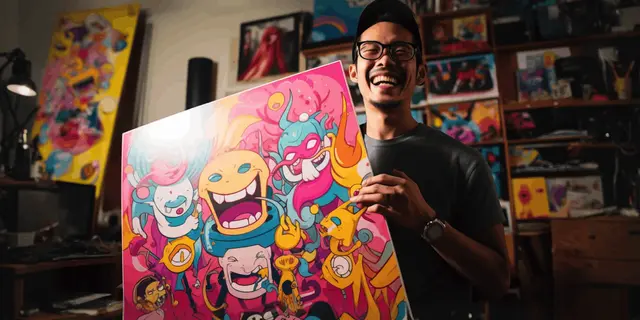
Animated ads explained: 6 styles and what to keep fixed in each, 5 real examples from Chipotle to Coca-Cola, and 7 steps to make one with AI video models.

An animatic is a storyboard cut to time with rough sound. See storyboard vs animatic vs previz in one table, 5 steps to make one, and where AI fits in.

Arcads vs Creatify compared on the input each starts from, what its terms say about the actors, and 5 checks to run before either AI UGC ad goes live.

The best AI video model depends on the shot. See how 3 public benchmarks score prompt adherence, then run a 5-prompt test with pass or fail marks.

The cheapest AI video generator has the lowest cost per usable clip. See API list prices from $0.041 a second and the 4 things that set your real cost.

ElevenLabs alternatives do 4 different jobs: ad voiceover, voice cloning, real-time voice and open-source models. Sort them by job, then run 5 checks first.
Faceless reels are short videos with no face on camera. See the 6 formats, what Instagram, YouTube and TikTok filter, Reel specs and 5 steps to make one.
Faceless videos for a brand: 5 formats with no person on camera, the 6 production steps, and what YouTube, TikTok and Meta say about AI-made video.

A food commercial is built from 5 shots: pour, steam, bite, sizzle and pack shot. See which ones AI video can make, and the rule that the food must be real.

A free AI UGC video generator exists on 8 of 11 tools we checked. See which free exports carry a watermark, which plans bar paid ads, and what to test first.
8 Hailuo AI alternatives compared on clip length, audio and open weights, from Kling 3.0 to Wan 3.0. Plus what changed when MiniMax replaced Hailuo 2.3 with H3.

How to make AI ads in 6 steps: the brief, the script, the shot list, the clips, the edit and the labels. With the clip lengths of 4 video models to plan around.

9 Pictory alternatives sorted by what you start from: a script, a raw recording, a presenter, a long video or a product photo. Facts from each vendor's pages.

18 real estate video ideas, sorted by one question: 11 you can make from listing photos and a script, 7 you must film. Each has one advertising rule to check.

Reference to video compared with a start frame and a first and last frame: what each controls, and which models take 3, 5, 9 or 30 reference images.

A script breakdown lists what each scene needs before a shoot. See the film method, then a 15-second AI video ad broken into 5 shots, a shot list and frames.

Script to video AI for product ads: why one prompt fails, how to split a 30-second script into 6 shots, lock the product, then add voice and captions.
Shopify UGC is 3 jobs: get the footage, put it on the product page, run it as an ad. Shopify's video limits, apps and ad formats for each, read in 2026.

UGC ads for apps and SaaS in 4 formats. What to record from the real screen, what AI can generate, and the Apple and Google rules for store preview videos.
UGC platforms come in three kinds: creator marketplaces, customer content platforms and AI generators. 15 compared on who is on camera and what the ad may say.

A UGC style video can be generated or filmed. 3 tests decide each ad: the claim, the account it runs from and the label rules. A table sorts 9 ad types.

UGC video examples for 12 formats, each with a beat sheet: the seconds, the first line and the proof. Plus which 6 a real person has to film.

An unlimited AI video generator removes the credit meter and sets other limits. The 6 limits to check, why credits run out fast, and how to waste fewer.
Video hooks have three layers: the first frame, the text on screen and the spoken line. 7 patterns for product ads, and how to test one layer at a time.

Wan 2.5 API pricing from $0.05 to $0.15 a second, the 5 and 10 second limit, audio rules, regions, and what Wan 2.6, 2.7 and 3.0 change, from Alibaba's docs.

A wedding invitation video needs 5 details: names, date, time, place and RSVP. See the length, ratio and 7 steps, plus a checklist for sellers of these videos.

What is AI UGC? Creator-style video that AI made and no customer filmed. The 3 kinds, 5 steps to make one, and the FTC, Meta and TikTok rules to check.
White label AI video has 3 levels: a file with no vendor mark, your own interface, and resale rights. What 9 vendors' terms say, and which labels stay.
Higgsfield AI review for brands and agencies: what each studio makes, who owns the results, the default training clause, what Unlimited covers and 7 checks.
Improve ROAS with product video by moving 4 numbers: CPM, click rate, conversion rate and order value. Break-even math, the evidence and a 5-step test.

7 ecommerce product video frameworks, each with a beat sheet in seconds, the buyer doubt it answers, and the placement it fits: PDP, Reels, TikTok, Amazon.

Video conversion rate, checked: Amazon data shows 9.7% to 24% more sales from a product video, not 5x. Where the famous numbers come from, and how to test.
UGC script templates by ad type, with seconds and words per beat: about 45 words fit 15 seconds. Plus the creator brief and the claims the FTC rules out.
Compare 13 AI video clothes changer tools: which edit your footage, which make a new clip from a garment photo, the clip limits, and the rights checks.

AI video generator for Instagram, for clothing brands: 4 ways to turn a garment photo into a Reel, the Reels specs and safe zones, and when Meta labels AI.
Clothing brand video maker guide: 8 tools sorted by the job, making footage from a garment photo or editing what you filmed, plus a 6-point motion check.
8 fashion videography techniques for clothing brands: a five-shot list per garment, frame rate and shutter settings, light for each fabric, and when AI helps.
How to make AI video for a clothing brand in 7 steps: plan three videos per garment, approve the still, animate it, add captions, then export and label it.

Sora alternatives for each video job after OpenAI removed Sora 2 from its API on 24 September 2026, with vendor specs, prices and a 7-step migration list.

Seven Artlist alternatives compared by job: music and SFX, stock footage, or AI generation. Vendor features checked September 2026, with no prices printed.

OpenArt vs Higgsfield compared on the 3 things that decide it: the API split, who may train on your work, and whether you can sublicense results to clients.
Runway alternatives sorted by the job you need done, with Gen-4.5 at $0.12 a second from Runway's own API docs, and what fits product and ad work.
Video localization for fashion ads: captions, text, voiceover and dubbing. A short line can reach 3x its English length. What Meta and TikTok translate.

Eight Arcads alternatives sorted by what each tool does, checked on vendor pages in September 2026. Arcads publishes no price, and one now uses human creators.

AI product video best practices: 6 rules set by 15-second clip ceilings, product drift between shots, the cost shown before a run and AI disclosure labels.

The FTC says its rule does not ban AI UGC ads. It bans a claim of experience nobody had. The $53,088 penalty, what Meta and TikTok label, and what converts.

UGC ads: a creator video averages $150 to $212. How the four production routes charge, the five formats worth the spend, and how to budget a variant test.

AI video ads list at $0.05 to $0.60 a second on Veo 3.1. The number that sets your budget is per shipped ad: about 45 generated seconds at verified rates.

AI storyboard generator tools compared on input, output and how plans are metered. 6 options, and why 12 frames cost less than 12 video clips.

6 TikTok product ad examples built from TikTok's own creative research, the safe zone rule most guides state wrong, and how to batch hooks you can read.

Seven AI avatar tools for real estate walkthroughs, compared on real estate pages, free tiers and the consent rule that decides your shortlist in 2026.

AI real estate video marketing meets two rules first: Zillow documents no agent video upload, and California has regulated altered listing photos since 2026.

AI UGC video for real estate: 4 of the 6 standard formats can pass the fair housing, depiction and FTC testimonial rules. See which ones, and what to disclose.

How to make a real estate video from listing photos without a shoot: 6 steps, the video length for each placement, and the disclosure rules for AI staging.
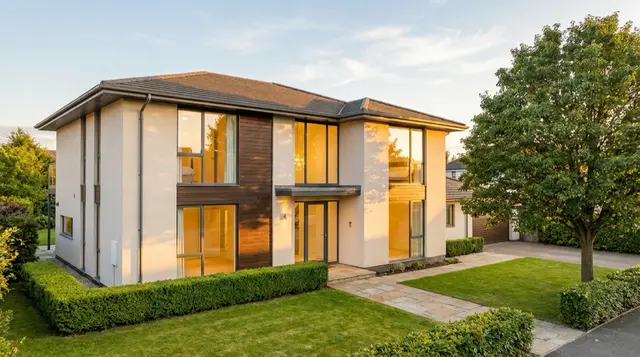
Real estate videographer cost runs $400 to $1,000 a listing. AI video runs on a subscription. The cost math, the coverage gap, and the disclosure rules.
TikTok Shop product videos have 2 published file caps, 5MB and 10MB, for the same listing. Build to the smaller one. The specs, the bitrate math and the policy.

Edit AI-generated video into a finished ad: most models return 4 to 15 seconds a clip, so a 30-second spot is four to six clips cut, captioned and scored.

Shoppable video for brands running LTK or Mavely programs: 4 clip formats that carry a link, the 3 to 6 second clip to hand creators, and AI disclosure rules.
AI fashion video is sold as a returns fix. No controlled study shows it. What the evidence measures, and what a clip costs against a $2,500 crew day rate.

Seedance alternatives compared on published API rates: Veo 3.1, Kling 3.0, Kling 2.6 and Runway. What each costs per second, and why the route beats the model.
AI for social media content: what Reels, TikTok and Shorts each require, their 3 AI label rules, and why one master re-cut per platform beats 3 new clips.

How to make AI videos fast: where the minutes go, how to cut re-rolls, what an 8-second clip costs in credits, and how to rerun the job on the next product.

AI voiceover for UGC ads comes from 3 places: the video model, an avatar platform or a voice engine. Video models cap native audio at 8 to 15 seconds a clip.
7 Creatify alternatives compared by what each tool makes, with features checked on each vendor's own site, and the method to price one finished video ad.
Product photo to video ad in 4 shots: build a still for each beat, animate each one, then cut. What a clip costs, and the TikTok and Meta label rules.

AI image to video for ecommerce: six models compared on fidelity, clip length and audio. An 8-second clip costs 40 to 560 credits, depending on the model.

Etsy listing video requirements: 2 videos per listing, 5 to 15 seconds, 100MB, audio stripped. What Etsy's policy allows for AI video, and the cost per clip.
How to create TikTok video ads with AI: the specs TikTok publishes, the AIGC label that decides whether your ad runs, and what an 8 second clip costs.

AI video generation cost in 2026: rates from $0.042 to $0.60 a second for Veo 3.1, Kling 2.6 and Runway Gen-4.5, plus the two multipliers that set your bill.

Veo alternatives compared on price per second, clip length and native audio, from each vendor's own docs, with what one 8-second clip costs on each model.

Best AI UGC video tools for agencies: 6 compared on seats, brand separation and white label, read on each vendor's pricing page in September 2026.
Amazon video requirements split across four slots with four length rules. What each slot accepts, the 24% sales lift, and where one AI clip is not enough.
AI cinematic ad styles: 10 looks you can direct from one product photo, the 4 choices behind each look, and which video model holds each look best.
Compare AI video tools for fitness and activewear brands. What each tool is built for, when your product stays in frame, and what an 8-second clip costs.

Six HeyGen alternatives compared on what each tool is built for, checked on each vendor site in September 2026, and how to pick one for avatar or ad video.

Script to storyboard with AI: break a script into shots, lock the character across every frame, and generate each shot as video. 4 steps and the cost per take.
AI video generator comparison: six models ranked on published specs, reference inputs and per-second rates, plus what an 8-second take costs in credits.
AI video marketing for small business: which clip fits each channel, what an 8-second clip costs in credits, and a first-month plan a team of one can run.

Seven AI video tools for LinkedIn, checked on each vendor's own page. Founder clips, repurposed posts, generated b-roll, and what an 8-second clip costs.

Free AI video generator plans from 6 providers: one-time or monthly credits, watermark rules, and the commercial-use terms that decide where a clip runs.
Product video without a studio: some shots generate from one photo, some need a phone. Which is which, and why an 8-second clip costs 40 to 560 credits.

How to make a photo talk with AI: 2 routes, which models accept a face, what a clip costs in credits, and the EU disclosure rules in place since 2 August 2026.
The 5 best AI commercials, checked against dated sources: what each used AI for, why the $2,000 Kalshi figure is incomplete, and which are not AI.

AI video ads for dropshipping start from a supplier photo you never shot. Meta asks you to keep 35% of the bottom of a Reel clear. What to check first.

AI UGC video generator guide: 10 tools checked on each vendor's own site, what each one makes, how to price a finished clip, and which ads can run.

Higgsfield alternatives: 9 AI tools compared on what each makes and its free plan, plus Runway, Kling and Luma, how Higgsfield plans work and where it wins.

Affordable AI video for product listings: video specs for 5 marketplaces, why Amazon's 1-minute floor needs about 8 clips, and where one short clip is enough.
Save your logo, colors, fonts and rules once. DesignerBox uses them for one product, or for 200 in a batch.
Get started free