Full-length garments
Dress product photography with AI
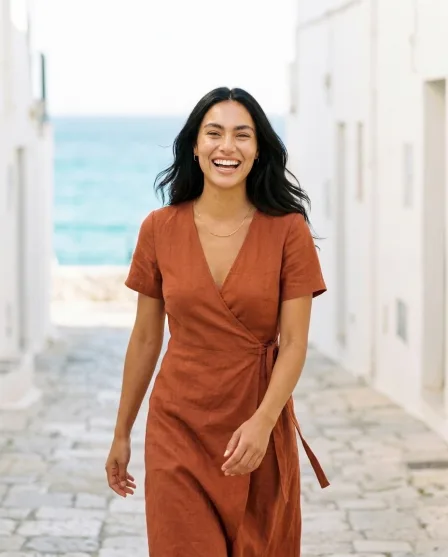
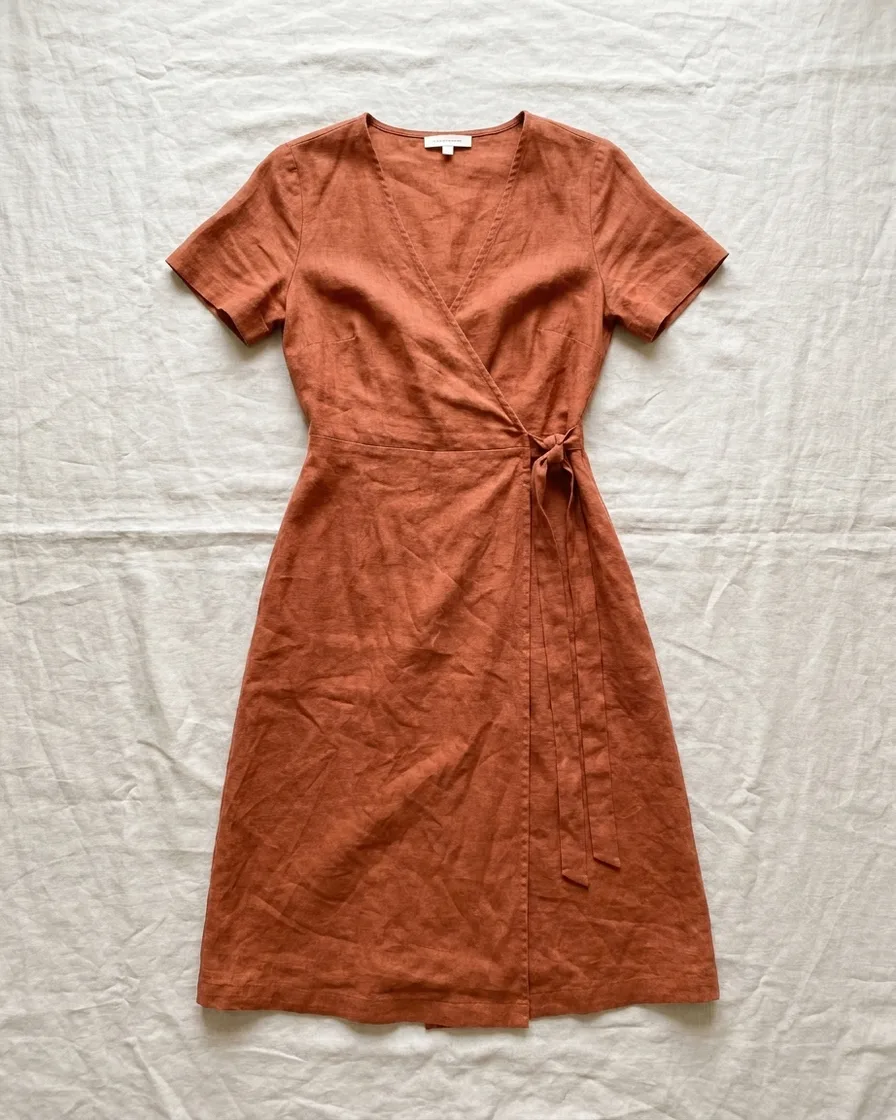
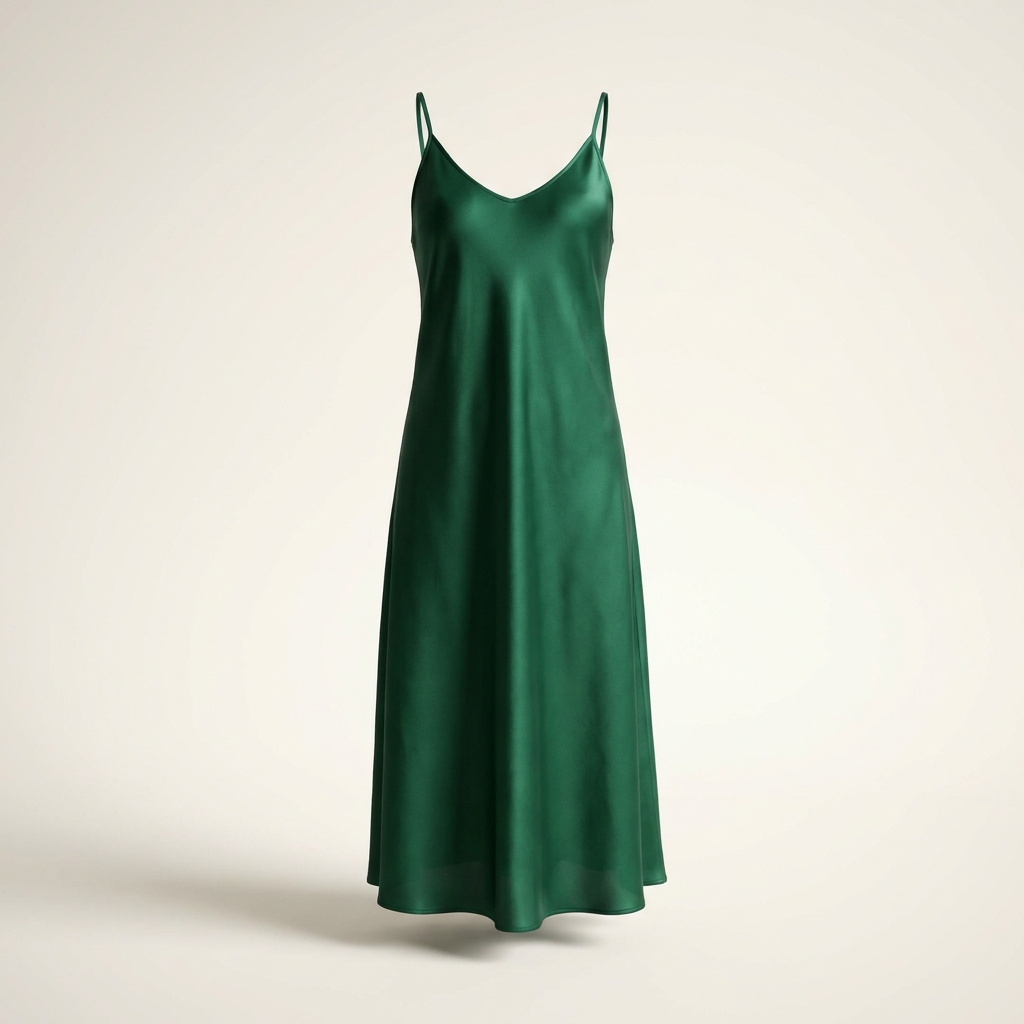
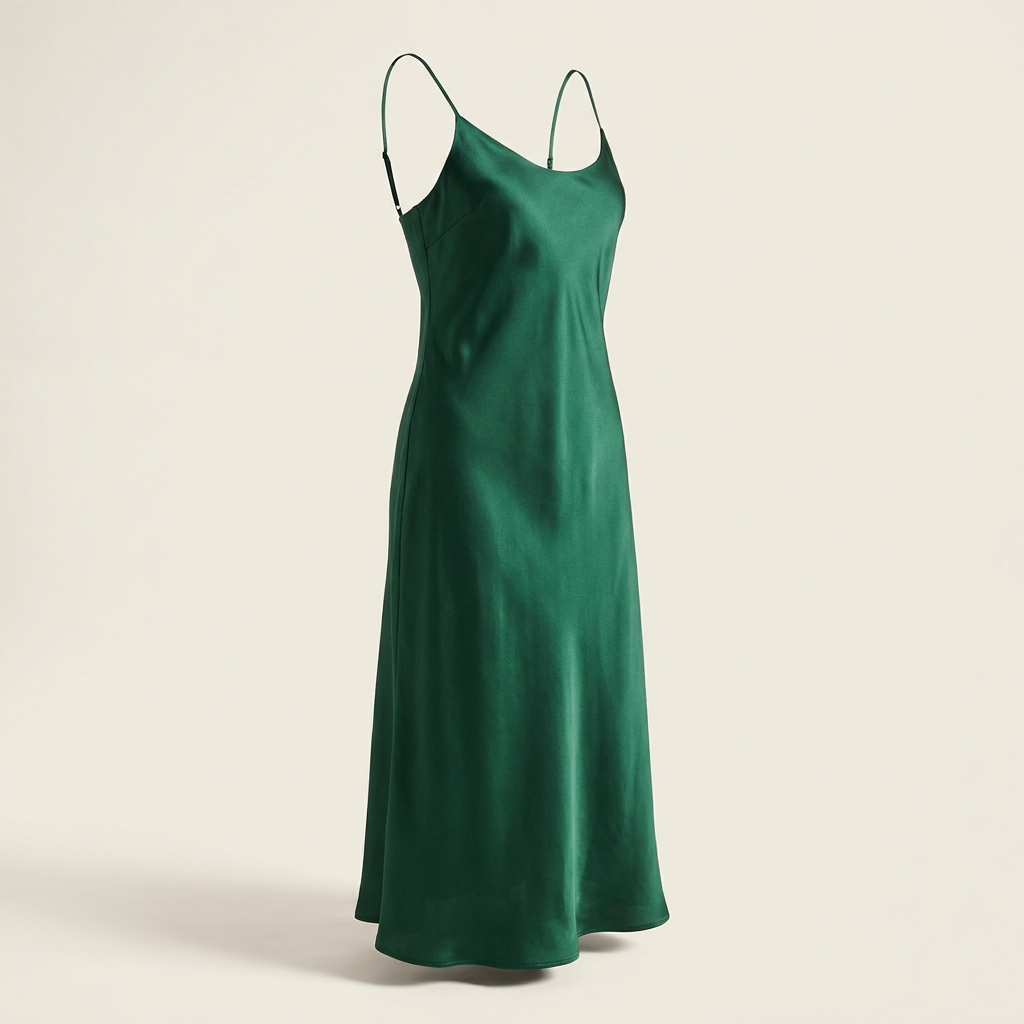
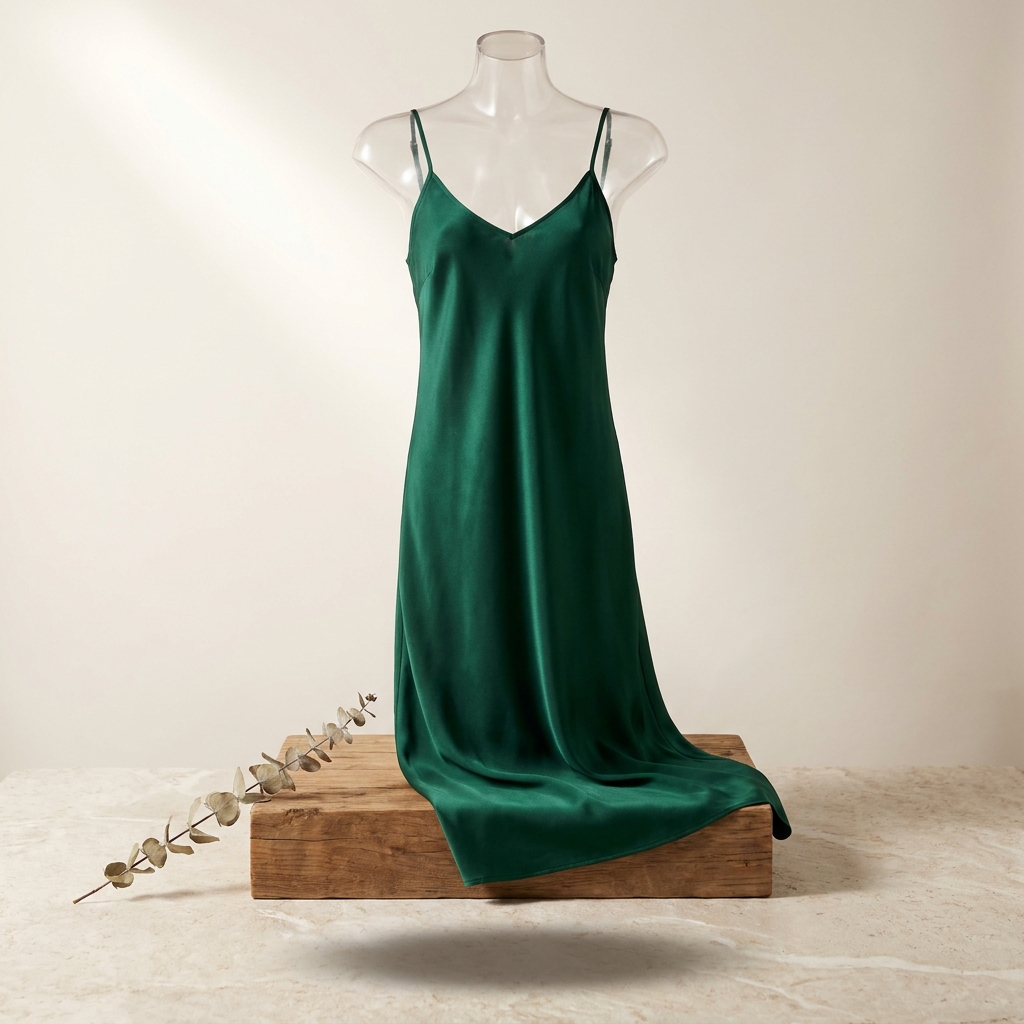
A dress sells on length and movement. Start from your dress photo and hold the hem line sharp. Show how the skirt falls from the waist. Then crop the full-length frame for every slot a listing has. Every picture keeps your brand's look, at any volume.
Last updated
Who it is for
Does that sound like you?
Scaling without compromising quality.
You need more pictures every week for the shop, the ads and the socials. Anyone can make an AI picture. Making hundreds that still look like your brand is the hard part. A shoot for every product costs weeks, and every new generator returns a different look.
- A template or a workflow you build once, with your brand rules
- One run on one product, or a batch over your whole catalogue
- Every result in Assets, with the same look on the first and the last
Cut the waiting time and budget for deliverables.
You make this for clients, and every client has their own look. A shoot for each one costs weeks and most of the budget. A different generator for each one returns a different look, so somebody fixes it by hand before it is delivered.
- Each client's brand rules, saved once and used on every run
- A workflow you build once and run for every client
- A batch over a client's whole catalogue, delivered from Assets
Dresses
Dress photography is a framing problem before it is a lighting problem. The garment runs from shoulder to floor, and the listing slot is usually square. Shoot tall, keep the hem inside the frame, then crop for each placement. Side light shows the fall from waist to hem. That tells a buyer whether the skirt is a column, an A-line or a bias cut. Movement shows the weight of the cloth.
Four problems in dress photography
What a floor-length garment asks for that a top does not.
The hem line has to be readable
Length is the first specification a buyer checks. Midi and maxi are a hand's width apart in a photo. Keep the hem sharp and keep it inside the frame. Give it a visible edge against the background, so nobody has to guess where the dress ends.
A tall garment in a square slot
Most listing slots are square and most dresses are not. Frame the original tall, with space above the shoulder and below the hem. Then make the square crop from that file rather than photographing square and losing the bottom of the skirt.
How the skirt falls from the waist
A column, an A-line and a bias cut all look the same under flat frontal light. Move the light to the side at a low angle and the folds appear. That single change is what tells a buyer the shape of the skirt before they read a word.
Movement shows the weight
A still dress reads as stiff. Chiffon and heavy crepe look identical standing still and nothing alike in motion. A few seconds of walk does more than a paragraph about the fabric. One frame with the skirt caught mid-swing works too.
The shot list, in order
Four steps from your dress photo to a finished gallery.
Frame tall and crop later. That one habit saves a dress gallery, because a square original has already lost the bottom of the skirt. Remove the background next and settle the hem edge, since every crop inherits it. Set the side light before you place the dress on a body. Otherwise the folds land in the wrong place and you repeat the work. Motion comes last, from a still you have already approved. Save the light, the crop ratios and the framing as a workflow, then run each new style through the same order.
What a dress listing needs
Four files, from the tall original to the square crop.
Full-length frame
One tall image, shoulder to hem, with the whole garment visible and a margin at the bottom. Export at 3:4 or 4:5 for the gallery. This is the frame every other crop is made from.
Square crop that keeps the hem
The main listing slot on most channels. Crop from the tall original and keep the bottom of the skirt inside the frame. A square that cuts the hem hides the length, which is the thing being sold.
Hem and closure detail
One close frame on the hem finish and one on the zip, buttons or tie. A raw edge, a rolled hem and a lined hem look alike from two metres away. Only a close crop separates them.
Short motion clip
Three to six seconds of the skirt moving, made from the approved still. Vertical for social, and useful on the product page too. It answers the weight question a still image leaves open.
Questions about dress photography
What sellers ask before they photograph a full-length garment.
How do I fit a floor-length dress into a square image?
Why does the hem look a different colour from the bodice?
Do I need video on a dress listing?
Can I show the same dress in more than one colour?
What is the best starting photo for a dress?
How do the finished images reach my store?
Who plans the imagery for a drop
This page is about how a dress is framed, lit and cropped. The fashion brands page answers a different question. It is written for the team that plans a drop, sets the budget and decides what gets photographed.
Other categories
The same craft, written for a different product.
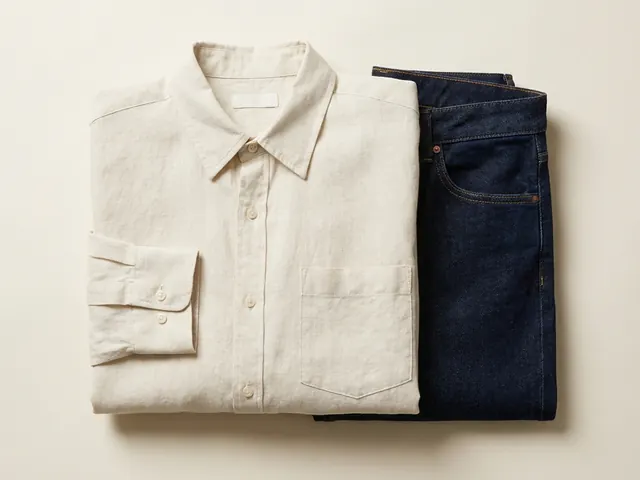
Fashion and apparel
Drape, fabric weight and true colour, held across every image in a clothing listing.
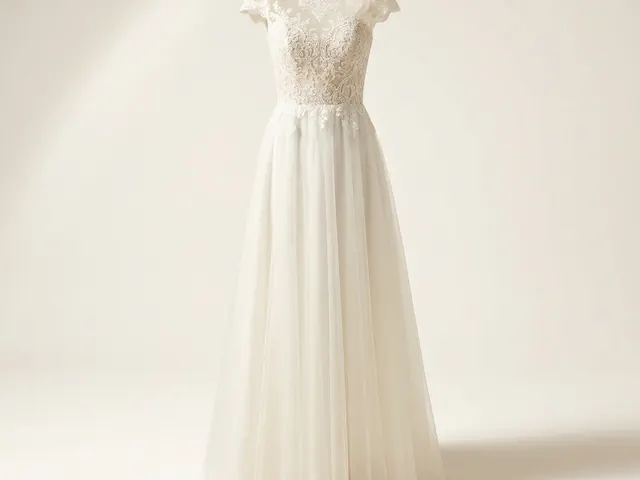
Wedding dresses
White on white, lace and beadwork detail, and a train that has to be measured.
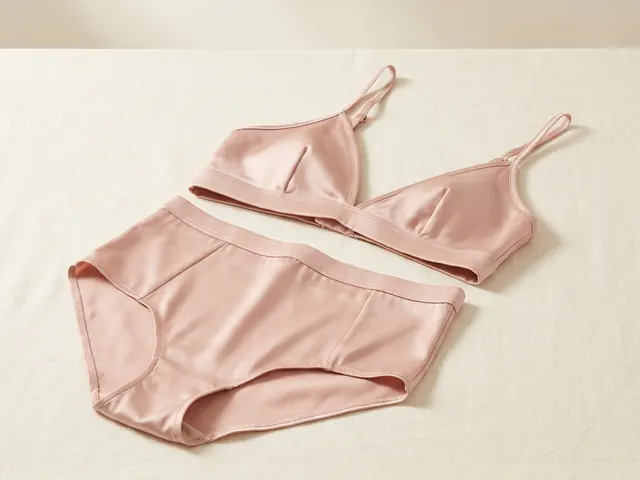
Lingerie photography
Flat lay sets, open lace cut-outs, sheer mesh backing and true nude colour.
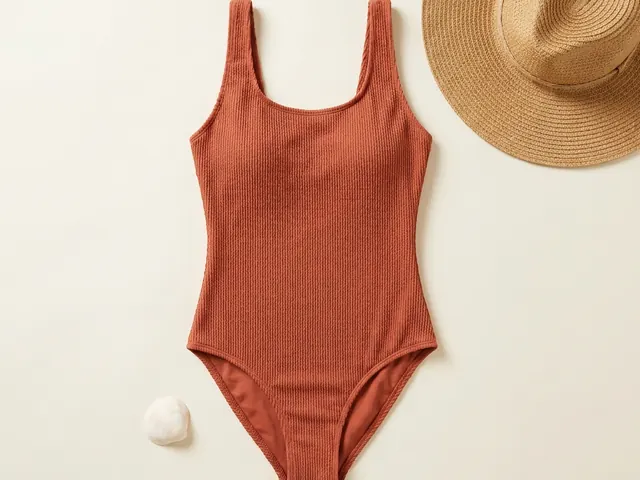
Swimwear photography
On-body fit, location light, wet colour shift and the print shown flat.
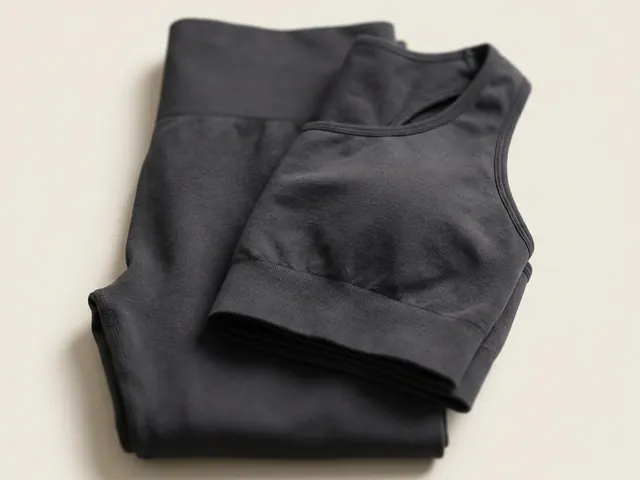
Activewear photography
Compression under tension, seam detail in raking light, and the back view buyers open.
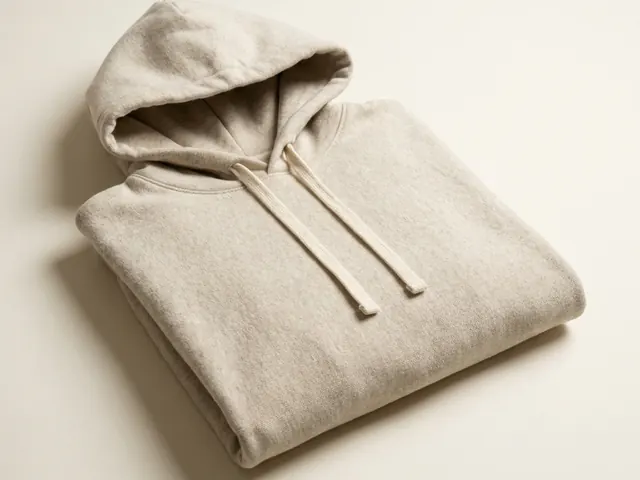
Hoodie photography
Fleece weight, hood shape, print legibility and the drop shoulder.
Everything you need, in one place
The full workflow from the first product photo to the finished ad, in one subscription.
Scale content without limits.
Generate content for your products or services with AI, starting today, and keep your brand on every piece.