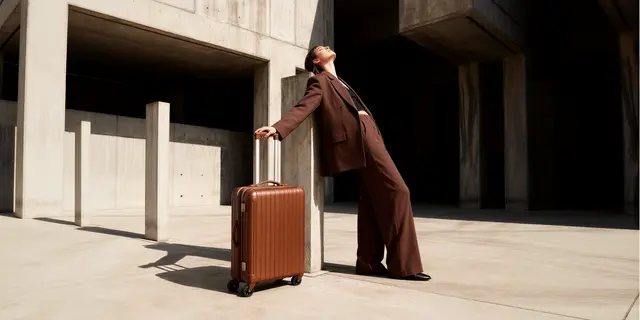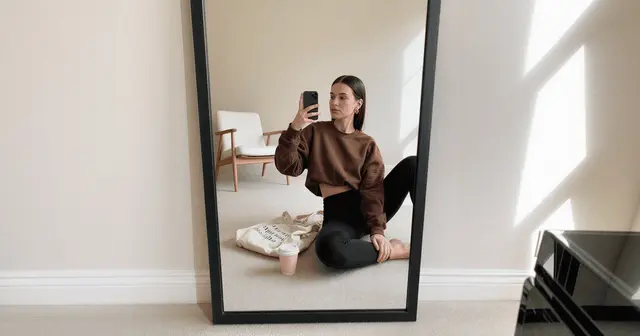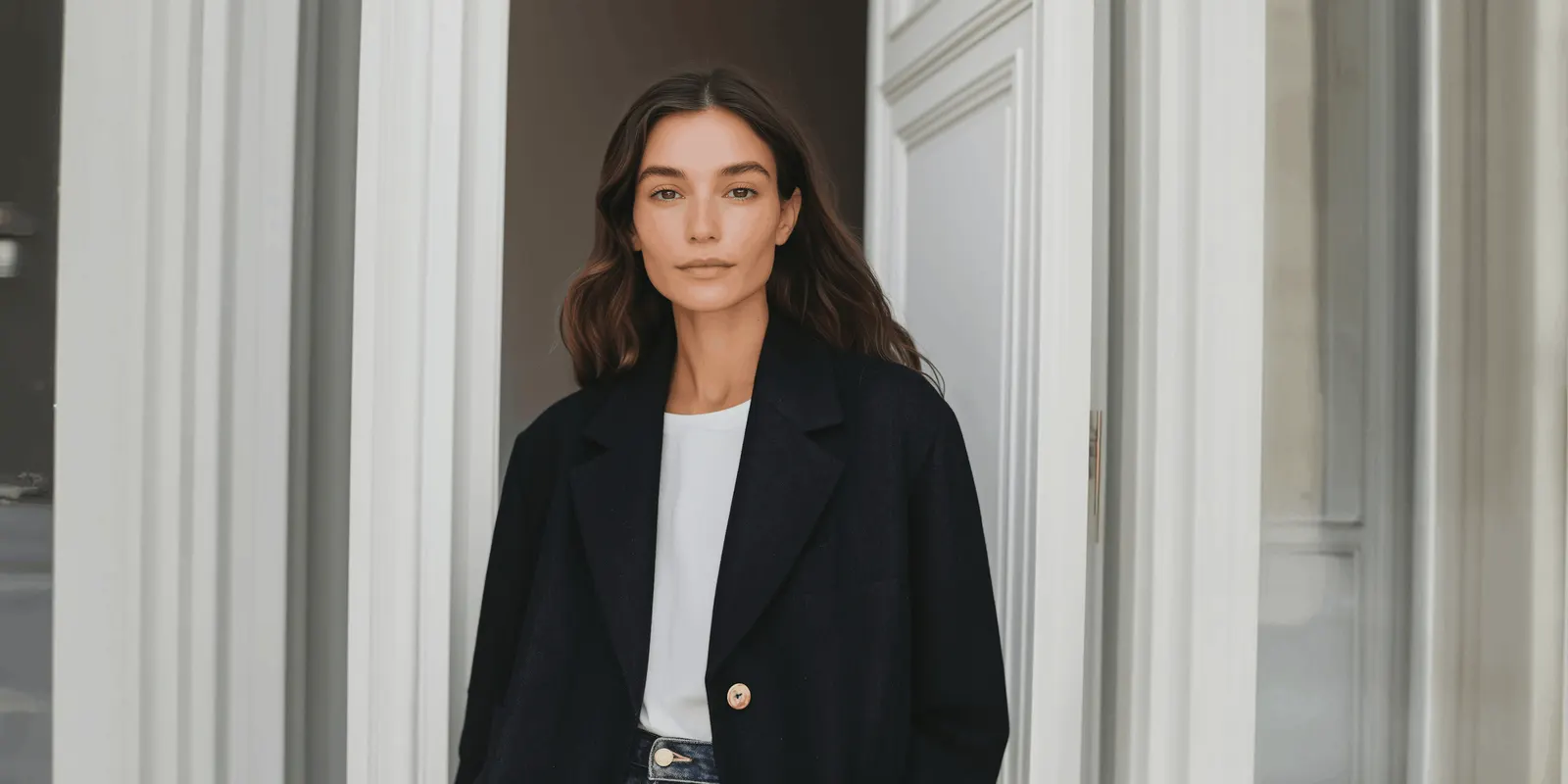
An AI clothing model is a generated person wearing your garment, produced from a flat lay or packshot you already own. You upload the garment image, pick a model and decide how you will hold her across the range, generate, then check the output against the real product. In DesignerBox an image costs 5 credits, and try-on sits on Premium at $75 a month.
That is the whole loop, and it takes about a minute. The part nobody writes about is what happens after the minute.
Here is the version you already know. The drop lands in six weeks. Every SKU has a flat lay and nothing on a body. Casting is a week, the shoot is a day rate, and the studio has one slot that works. Then merchandising asks for the black colourway, which was not on the call sheet, so it waits for the next shoot in eight weeks.
This guide is the working process for closing that gap, written for fashion and apparel teams shipping to a PDP. It covers the five steps, what each one costs, the checks that decide whether the image is sellable, and a disclosure rule that starts applying on 2 August 2026.
Key Takeaways
- Start from the garment photo, never a description. A system that reads your photo returns your garment. A system that reads a description of your photo returns a garment like yours, and on a PDP that difference is a return.
- Model consistency is a separate feature, not a side effect of good output. Forty pieces on forty faces is not a lookbook.
- Read the garment, not the face. The face is what your eye checks first and the only part of the image that does not matter commercially.
- An image is 5 credits. A 40-piece range at one shot each is 200 credits, well inside Premium’s 2,500 a month.
- Try-on clothes is Premium, $75 a month, and up. The commercial licence starts a tier lower, at Pro. Both matter before you commit a catalogue.
- EU AI Act Article 50 transparency obligations apply from 2 August 2026, and the European Commission’s final guidelines put photorealistic AI-generated people in scope. On-model shots need a visible disclosure. Packshots and flat lays do not.
What is an AI clothing model?
An AI clothing model is the output of generating a photograph of a person wearing a garment you already photographed flat. The input is a flat lay, a ghost mannequin shot, or a packshot. The output is on-model imagery for a product page, a seasonal lookbook, a marketplace listing, or a paid ad. The garment stays yours. The model is generated, and never existed.
That last detail carries a compliance consequence most guides skip. A photorealistic person who never existed is the exact trigger for disclosure rules on Amazon, in New York State, and under the EU AI Act, while a packshot of the same garment triggers none of them. The marketplace rules for AI product images sets out which assets need a label and which do not.
The category name oversells the model and undersells the job. For a brand, the model is the container and the garment is the product. A beautiful generated person wearing an approximation of your jacket has produced nothing you can sell. Everything below is organised around protecting the garment.
What you need before you start
- A garment photo shot flat, on a ghost mannequin, or on a hanger, with the whole piece visible.
- Even, diffuse light on the garment. Hard shadows across a print get baked into the result.
- The garment filling most of the frame. A small garment in a large frame gives the system less to read.
- A decision about the model before you generate the first image, not after the fortieth.
- A DesignerBox plan at Premium or above if you need try-on, or Pro and above if you need the commercial licence.
No retouching skill is required. Judgement about your own product is, and that is the part that cannot be delegated.
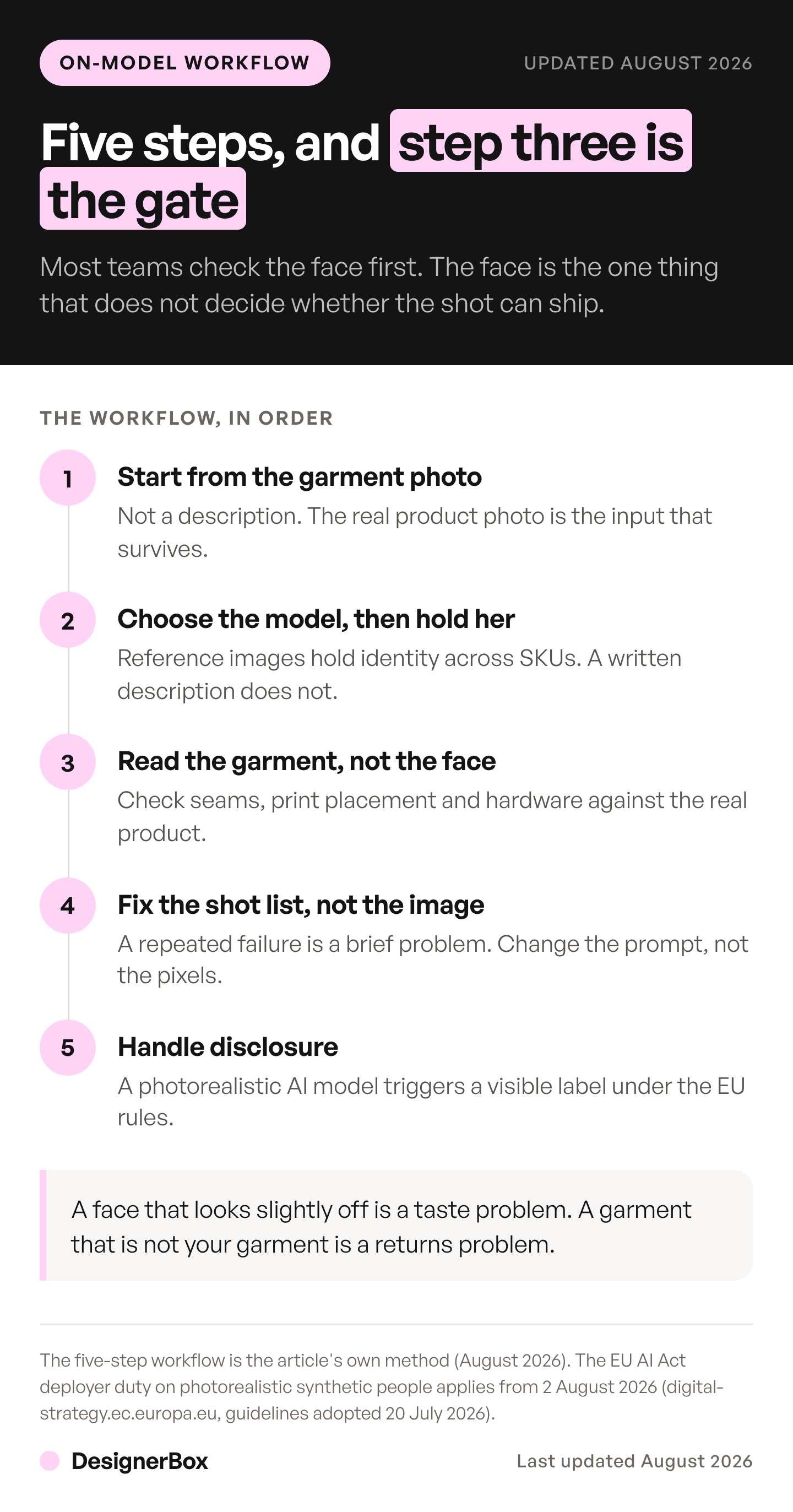
Step 1: Start from the garment photo, not a description
Two workflows look identical in a demo and diverge completely at scale.
Garment-anchored. Your photo is the source. The system dresses a generated person in the garment from your image, holding the print, the seam lines, the hardware, and the drape. Where the hem lands on that person is the one claim to check by hand, and the dress shot list explains why.
Description-anchored. Your photo becomes a text description, and the system generates a garment matching that description. Fast, flexible, and structurally unable to guarantee the button placket matches.
Only the first one is usable for commerce. Upload the flat lay itself into Outfit to Image rather than writing a prompt describing it. If you are still choosing a tool, the on-model generators split on exactly these axes.
A flat lay is not always the right source, either. Structured pieces carry their shape in the shoulder and the lapel, and a laydown records neither, so which input format the garment needs is worth settling before you shoot the whole rail.
Step 2: Choose the model, then decide how you will hold her
One shot is a demo. A collection is a business.
If your spring range is forty pieces on forty different generated faces, you have not made a lookbook. You have made forty unrelated images. Merchandisers read that as unusable, and customers read it as a brand that is not paying attention.
Decide the mechanism before the first generation, because retrofitting consistency across a finished range means regenerating the range. Kontext Multi conditions output on multiple reference images, which is how one identity and one styling language get held across a set.
Also decide your range of model appearance now. It is a merchandising decision with real customer consequences, and it is much cheaper to make deliberately at the start than to audit later.
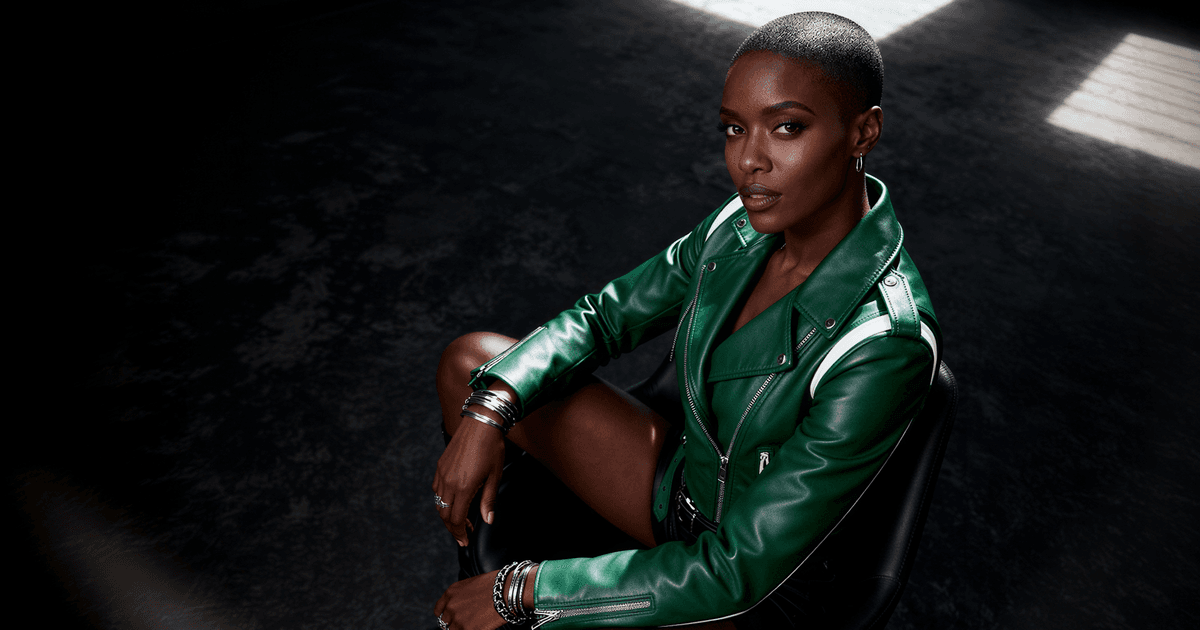
Step 3: Generate, then read the garment, not the face
Your eye goes to the face first. Train it not to. The face is the least commercially important thing in the frame, because no customer is buying it.
Check these, in this order:
- Print and pattern. Does the repeat run true, and does it stay continuous across seams and folds?
- Hardware. Zip pulls, buttons, eyelets, buckles. Count them against the real garment.
- Seam and panel lines. A jacket that gained a panel is a different jacket.
- Drape and weight. Does a heavy knit hang like a heavy knit, or like poplin?
- Colour. Compare against the real product under neutral light, not against the flat lay.
Colour is where most catalogues quietly break, and it is the one a customer resolves by opening the parcel and starting a return. The full accuracy checklist goes deeper on the hard cases.
Step 4: Fix the shot list, not the image
When a result is wrong, the instinct is to regenerate the same pair and hope. That mostly burns credits.
Change an input instead. Reshoot the flat lay with flatter light. Crop tighter so the garment fills the frame. Switch the source from hanger to ghost mannequin so the system sees the garment’s actual volume. Small input changes move the output far more than repeated generations of the same input.
Then generate the rest of the shot list from the same source: front, three-quarter, back, and a detail crop that proves material. That set is the same one a studio day would produce, and it maps onto the seven angles a listing needs. Not every one of those angles needs a generated person on it, which is the slot-by-slot call worth making first. When a second colourway lands after that set is approved, editing the garment in the shot you already have keeps the model, the pose and the light, and changes only the clothing.
Step 5: Handle disclosure, because the rules move on 2 August 2026
EU AI Act transparency obligations under Article 50 begin applying on 2 August 2026 (artificialintelligenceact.eu, July 2026). Two parts matter here.
Article 50(2) puts the duty on providers of the AI system: outputs must be “marked in a machine-readable format and detectable as artificially generated or manipulated.” That is the model provider’s obligation, not yours.
Article 50(4) puts a duty on deployers, which is you: anyone deploying a system that generates image content “constituting a deep fake” must disclose that the content is artificially generated. A deep fake is defined in Article 3(60) as content that “resembles existing persons, objects, places, entities or events and would falsely appear to a person to be authentic or truthful.”
Read that definition against an on-model shot and the answer is now settled, against the reading most brands hoped for. The European Commission’s final guidelines, adopted 20 July 2026, state it is enough that a simulated person “can plausibly exist or could have plausibly existed”, and define “persons” to include “realistic AI-generated human avatars or personas” (European Commission, C(2026) 5054 final). Consultation respondents asked the Commission to narrow this to people who exist. It declined. A generated model who resembles nobody real is inside the definition.
The practical position: on-model shots need a visible disclosure, and the same guidelines put relights, background swaps, rescaling and arrangements of existing products outside it. Metadata does not discharge the duty. Which assets trigger what is set out in labeling AI-generated fashion images.
What it costs in credits
| Operation | Credits | What that is in practice |
|---|---|---|
| Generate an on-model shot | 5 | One garment, one model, one angle |
| Edit or change a background | 5 | Same shot, new setting |
| A second colourway | 5 | Treated as a new generation |
| A nine-image model set | 25 | Building the model once, for reuse |
| Video from the shot | Per second of output | The most expensive operation by a wide margin |
Monthly allocations are 112 on Free, 500 on Basic, 1,000 on Pro, 2,500 on Premium, and 8,000 on Ultra. A 40-piece range at one shot each is 200 credits. The same range at four angles each is 800 credits, which clears Premium’s 2,500 with room for revisions. Current plans are on pricing.
Video is the number that surprises people. It is charged per second of output, so a short clip can cost more than an entire catalogue of stills. Budget it separately rather than assuming it fits alongside the images.
Where this still needs a real shoot
Honest limits, because the ones that bite are the ones nobody mentioned.
- Fit on real bodies. A generated model tells a customer how a garment looks, not how it fits a specific body. That is still a fit model’s job. Research is starting to close part of that gap, and what fit-aware try-on changes is narrower than the headlines suggest.
- Fabric behaviour in motion. Stills hold up well. How a bias-cut skirt moves is a shoot.
- The hero campaign image. The shot the whole season hangs on usually deserves a real photographer.
- Anything with a licensed print or a third-party logo in the source photo. Rights do not become simpler because generation is involved.
- Try-on clothes is Premium and above. AI video sits on the same tier. The commercial licence starts at Pro. Below Pro you can generate, and you should not be publishing.
The realistic split is AI for catalogue breadth and colourway coverage, a shoot for the hero. That combination fills a drop calendar that a shoot alone cannot. Running both means the generated images have to match the ones you already shot.
The fashion factory feature covers the garment-to-model step across a whole drop, and the fashion OOTD workflow reruns it per piece.
FAQ
Can AI put clothes on a model from one flat lay?
Yes. A flat lay, ghost mannequin shot, or hanger shot all work as the source, provided the whole garment is visible and evenly lit. The system reads the garment from that image and renders a generated person wearing it. Output quality tracks input quality more than it tracks the prompt.
Does the AI keep my actual garment or make a similar one?
That depends entirely on whether the tool is garment-anchored or description-anchored. Garment-anchored systems take your photo as the source and hold the print, seams, and hardware. Description-anchored systems convert your photo to text first, which cannot guarantee the details match. For commerce, only garment-anchored output is safe to publish.
How much does it cost to put clothes on a model with AI?
In DesignerBox each generated image costs 5 credits, so a 40-piece range at one shot each is 200 credits. Plans run from Free at 112 credits a month to Ultra at 8,000. Try-on clothes requires Premium at $75 a month or above.
Can I use AI on-model images on a product page?
Commercially, the licence in DesignerBox starts at the Pro tier and above. Accuracy is the harder constraint: if the image misrepresents colour, fit, or construction, it drives returns regardless of what the licence permits. Check the garment against the real product before it reaches a PDP, and confirm the frame meets the channel’s own image spec. The dress version of that check is in AI dress photography.
Do I have to disclose AI-generated model images?
EU AI Act Article 50 transparency obligations start applying on 2 August 2026 (artificialintelligenceact.eu, July 2026). Deployer disclosure duties attach to content constituting a deep fake as defined in Article 3(60). Whether on-model product imagery falls inside that definition is unsettled, so confirm your position with counsel rather than assuming either answer.
Can I keep the same model across a whole collection?
Yes, but only if you decide how before you start generating. Reference-conditioned models such as Kontext Multi hold one identity and styling language across a set. Retrofitting consistency onto a finished range means regenerating the range, which is why this is a step-two decision and not a step-five fix.
What source photos work best?
Even diffuse light, the whole garment visible, the garment filling most of the frame, and no hard shadows across a print. A ghost mannequin shot usually beats a flat lay because it shows the garment’s real volume. When a result disappoints, change the source photo before you regenerate the same one again.
Sources
- EU AI Act Article 50, transparency obligations for providers and deployers (artificialintelligenceact.eu/article/50, accessed July 2026)
- EU AI Act Article 3(60), definition of “deep fake” (artificialintelligenceact.eu/article/3, accessed July 2026)
- EU AI Act Article 113, application dates (artificialintelligenceact.eu, accessed July 2026)
- DesignerBox credit costs, tier gating and plan allocations, verified against the product brief, July 2026
- On-model generation and try-on surfaces: Model Studio and Outfit to Image, July 2026
Nothing here is legal advice. The EU AI Act position on AI-generated product imagery is unsettled as of July 2026, so confirm your own scope with counsel. Individual results vary.