Ecommerce Product Photography: 5 Channels, 5 Specs (2026)
Ecommerce product photography specs for five channels. Amazon wants the product filling 85% of the frame, and one 2,200 px master file clears all five.
Teams and brands
Agencies Brand teams Performance marketers Creative studios Ecommerce brands Fashion brands Furniture and homeware brands Solo foundersUse cases
 Product imagery
 Static ads
 Video ads
 User-generated content
 Social creatives
 Campaign concepts
 Brand assets
 Automations
What you sell
Sales channels
Programmes
Affiliate programmeNewest first. 630 guides on AI product photography, on-model shots, AI video and ad creative. Browse by topic from the blog home.
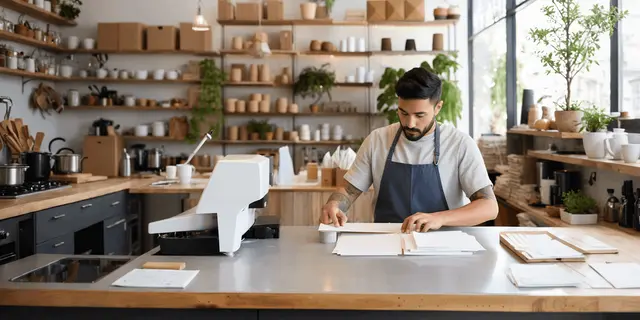
Ecommerce product photography specs for five channels. Amazon wants the product filling 85% of the frame, and one 2,200 px master file clears all five.
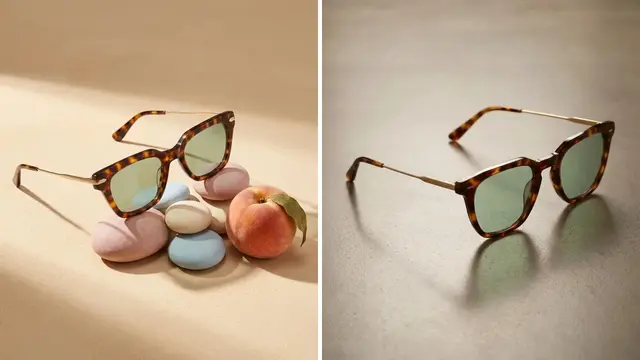
Eyewear product photography in 2026: the 7-shot list buyers need, why the lens is the regulated part, and where generative models break on temple arms.
7 fashion AI use cases, sorted by what it takes to run each one. Which need a data team, which ship with your platform, and which you can start this week.
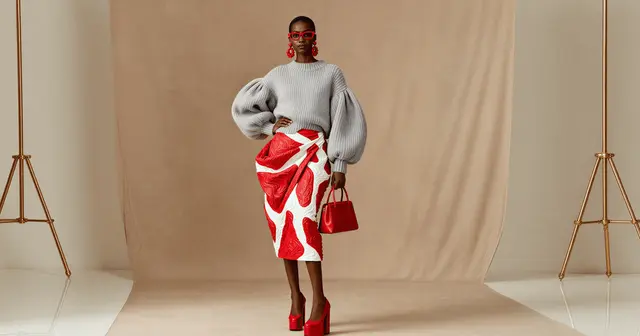
Fashion brands using AI models split two ways. ASOS reported 1,600 extra assets for one campaign. Fully synthetic faces bought headlines instead.
20 fashion photoshoot ideas sorted into 3 tiers by what it takes to produce each one. Which generate from a garment photo, and which still need a camera.
Flat lay photography for a whole catalog: the 2 rules that decide it, Amazon's 85% fill and Etsy's 2,000 px specs, and where AI flat lays break.
Generative AI fashion imagery drifts when a drop ships to six placements. The channel specs to hold, what to lock, what to vary, and the 2027 deadline.
Generative AI for business, read from fashion's own numbers: $150 to 275bn in operating profit at stake and up to 90% of pilots that never scale.
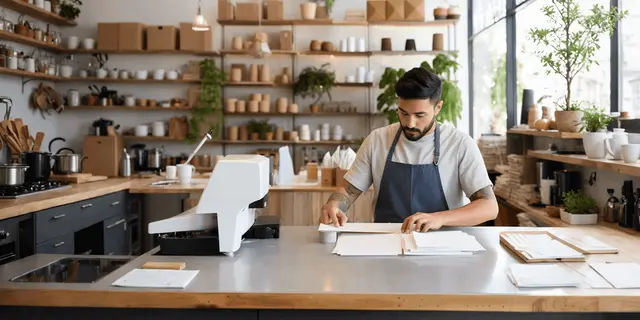
Generative AI in ecommerce pays on the SKUs you never shot. Why coverage beats cost saving, which products to cover first, and what 54% of shoppers do.
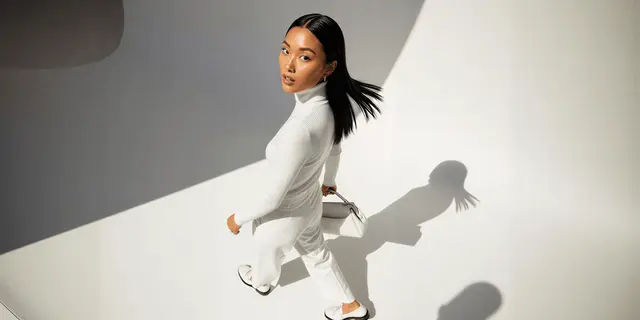
The limits of AI in fashion: 4 things generative AI does not fix, from the sample calendar to fit, which drives close to 70% of US online apparel returns.
Ghost mannequin photography shows a garment's shape with no model. Which of 5 marketplaces allow it, the 3 ways to make one, and where the cost sits per SKU.
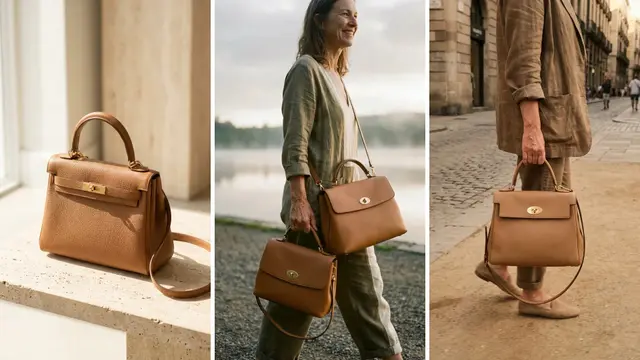
Handbag product photography: why the main image cannot be on a model, Zalando's 4 bag views, image specs for 5 channels, and where a shoot's cost goes.
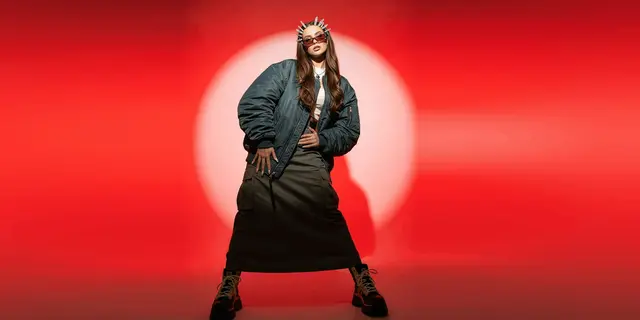
How to create an AI fashion model in 6 steps: cast the first frame, write the brief, judge the batch, fix bad frames, save the face, then dress it in a garment.
Labeling AI-generated content in fashion turns on a synthetic person. Which of 8 assets in a drop need a label under the EU AI Act, and what a label costs.

Launch campaigns faster: 85% of surveyed enterprise teams missed a launch date. The 4 blocks in a campaign timeline, what AI removes, and what it leaves alone.
Lingerie product photography in 2026: what Amazon, Google and Meta allow in intimates images, the 7-shot list that fills a PDP, and where AI breaks on lace.

On-model photography with AI is limited by the images you already shot. Match an existing catalog on 4 variables, and which shots to move first.
How to write a product description that converts: 3 versions, one for the page, one for the Google feed, one for the marketplace, and the rules for each one.
Reduce time to market by moving product photos off the critical path. Where the weeks go, why a 25% to 200% rush fee buys little, and what to measure first.
Virtual try-on fit accuracy: the FIT research trains on 1.13M measured samples. What that changes for on-model catalog images, and why it will not fix returns.
Watch product photography in 2026: the marketplace rules that write your 10-frame shot list, the scale shot buyers need, and where AI breaks on dials.
AI character reference images: what each model accepts, why extra angles make identity drift worse, and the 6-step spec that holds across a campaign.
How to make realistic AI videos: the input mode decides realism before the prompt. Image conditioning cut measured motion 18.6%. Text, image and video compared.
AI product mockups are 3 jobs: wrap art on a surface, restage a real product, or invent one. A one-question test to find yours, and where each one fails.
Build the job once with your brand and your products. Run it on your whole catalog, and see the cost before each run.