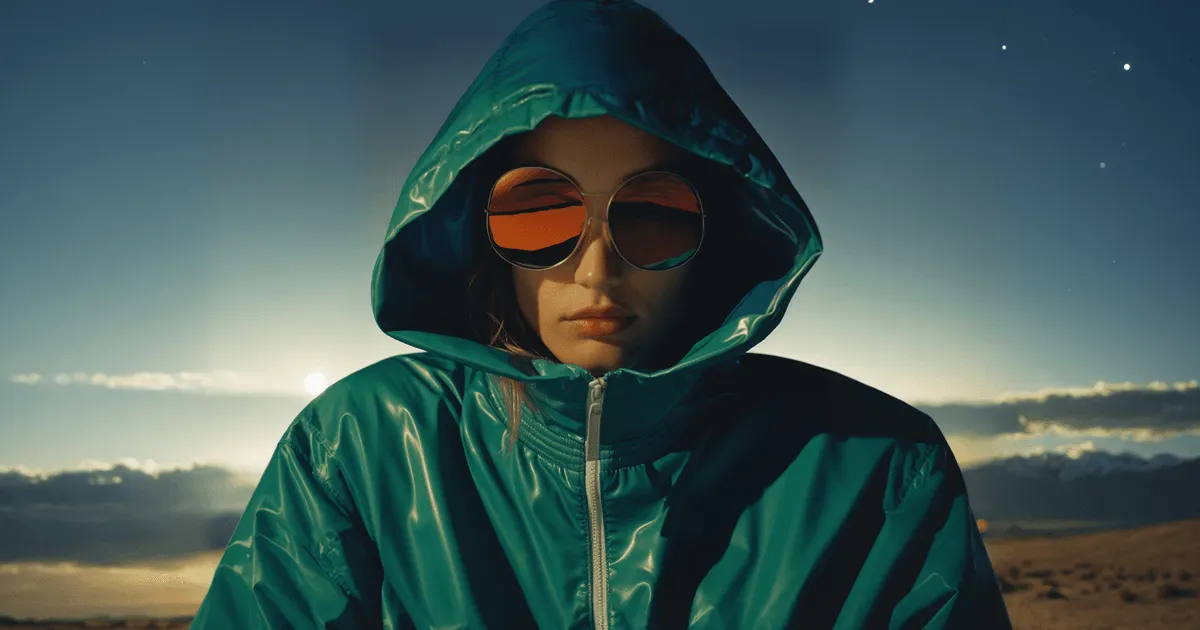
Fashion photoshoot ideas fall into three tiers: ideas you can generate from a flat garment photo, ideas that need one real capture before you make variants, and ideas that still need a full production. The tier is set by published model limits, not by taste. Sort your shot list this way and a season’s creative stops being one all-or-nothing budget line.
Every mood board looks the same in January. Twenty concepts, all beautiful, all costed at zero. Then the quote lands and you cut eighteen of them, because a day with a photographer, a model, a stylist and a studio runs into four figures, and the ideas you loved most were the expensive ones.
This guide sorts editorial and clothing photoshoot ideas by what it takes to produce each one. Each tier is grounded in limits the model providers publish themselves, so you can plan a shot list in November and know in advance which frames need a camera booked.
Key Takeaways
- Three tiers, not two. Generate from a garment photo, capture once then vary, or shoot for real. The middle tier is the one a two-way split misses.
- The ceiling is published. Google says Nano Banana Pro keeps up to five characters consistent, and its API takes up to 14 reference images, with up to 6 high-fidelity object images (ai.google.dev, September 2026). A six-model group editorial sits outside that. A single-model minimalist set sits well inside it.
- Lighting swaps are the trap. Google states that “major lighting changes (like day to night)” may produce unnatural results. Golden hour applied to a flat studio capture is a Tier 2 risk, not a Tier 1 given.
- Fit and texture buy a real capture. Tailoring, denim, knit, swim and leather grain carry the sale. Capture the drape once on a body, then move the scene around that frame.
- The cost bands are far apart. Shopify puts per-image product photography at $50 to $350 and day rates at $500 to $3,000 (shopify.com, August 2026).
- Group shoots by tier, not by theme. One shoot day covering every Tier 2 and Tier 3 frame beats four half-days organized by mood.
What decides whether an idea is shootable or generatable
Three things decide the tier: how many people are in frame, how many distinct objects the composition needs, and whether the garment’s physical behavior is the point of the shot. Everything else is production preference. Model providers publish hard numbers on the first two and are explicit about where the third breaks down, which makes the sort verifiable rather than a matter of opinion.
Google’s DeepMind page for Nano Banana Pro states the model can “maintain the consistency and resemblance of up to five characters and the fidelity of up to fourteen objects in a single workflow”, generating at 1k, 2k or 4k resolution (deepmind.google, September 2026). Google’s API docs give narrower numbers a developer can send: up to 14 reference images in one request, including up to 5 character images and up to 6 high-fidelity object images (ai.google.dev, September 2026). Those numbers are the boundary line for a still.
The same page lists what it still gets wrong. It “can still struggle with small faces, accurate spelling, and fine details in images”, and advanced features including “major lighting changes (like day to night), or blending multiple images may sometimes produce unnatural results” (deepmind.google, September 2026).
Read those two paragraphs against a normal editorial mood board and the sort writes itself. A single model on a paper backdrop is one character and two objects. A six-person group shot on a rooftop at dusk is six characters, a dozen props and a major lighting change, all at once.
For video the boundary is duration and speech. Veo 3.1 generates at 720p, 1080p and 4K with natively generated audio (ai.google.dev, September 2026), and Google states that “creating videos with natural and consistent spoken audio, particularly for shorter speech segments, remains an area of active development” (deepmind.google, September 2026). Google now names Gemini Omni Flash its default video model and keeps Veo 3.1 for scene extension and last-frame control (ai.google.dev, September 2026). Google lists 22 October 2026 as the earliest shutdown date for the Veo 3.1 preview models in the Gemini API, and names Gemini Omni Flash as the replacement (Gemini API deprecations, October 2026). Movement is available. On-camera dialogue is not yet a safe plan.
Tier 1: Fashion photoshoot ideas you can generate from a garment photo
Tier 1 is where an AI model photoshoot does the whole job: one person or no person in frame, a low object count, and a garment whose shape is already visible in your source photo. These generate from a flat lay, a mannequin shot or an existing on-model frame. No booking, no call sheet, no reshoot cycle. Our guide to AI editorial tools compares 14 tools by the frame each one fills.
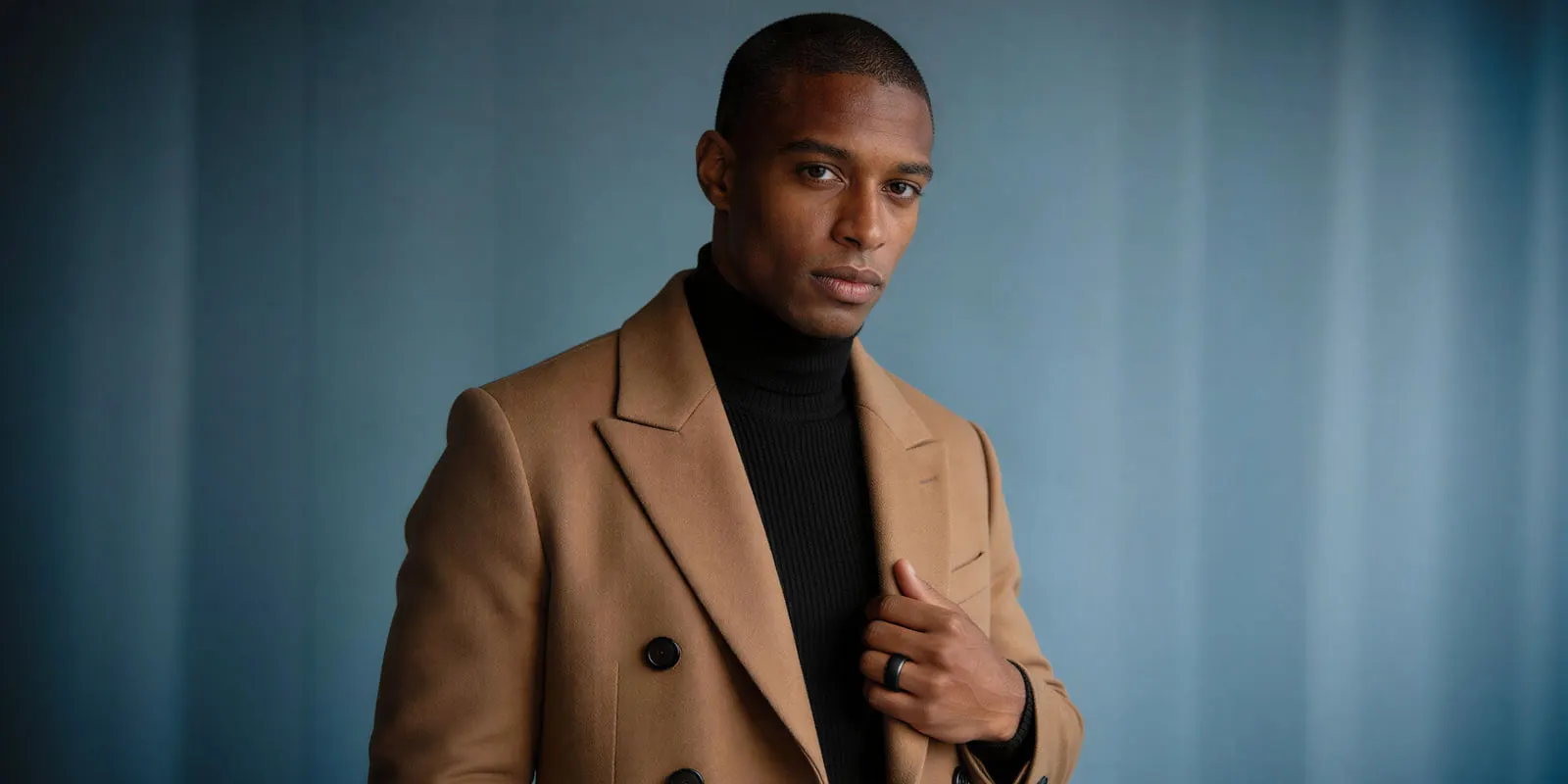
The ideas that sit here:
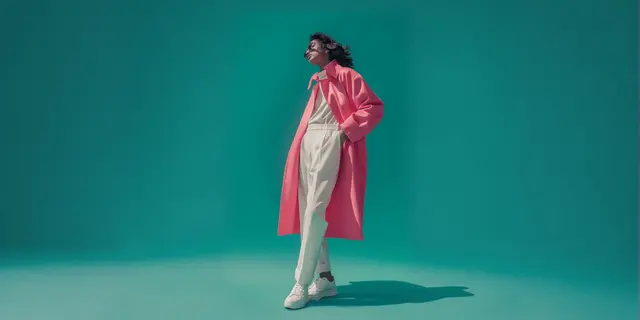
- Backdrop swaps. The same garment against a paper backdrop in six colors. Object count is one. This is the cheapest way to get a campaign to feel like a campaign rather than a catalog.
- Minimalist sets. Plain white, black or neutral, garment isolated, clean lines. The composition Google’s limits were effectively written for.
- Studio lighting variation within one setup. Hard key for drama, soft key for flattery, backlight for separation. Changing the quality of light inside a studio scene is a different operation from changing time of day.
- Black and white treatment. Stripping color to push texture and silhouette. Nothing structural changes in the frame.
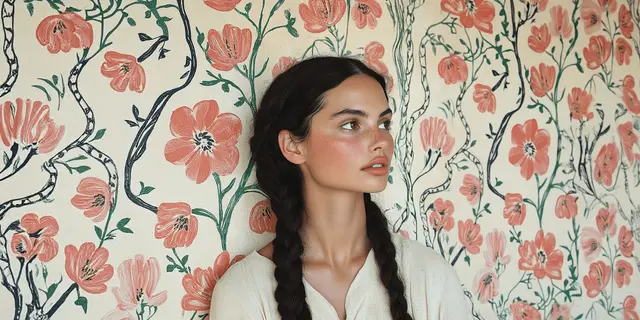
- Single-model styled scenes. One person, one location, garden, street, interior, gallery. Start from a template rather than writing a scene prompt from blank.
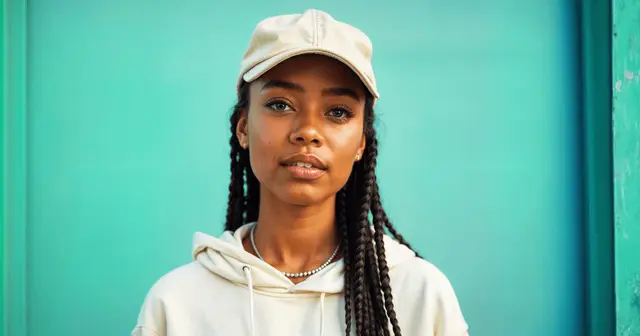
- Statement accessory close-ups. Hat, scarf, bag or jewelry as the subject. Low object count, one focal point. Headwear gets its own tiering in hat photoshoot ideas, because a cap has no rest shape.
- Color-blocked editorial sets. Garment against a saturated field, repeated across the collection for a cohesive drop.
- Aspect ratio variants. The same frame as a 9:16 story, a 4:5 feed post and a 1.85:1 site banner.
That last idea needs a note. Reformatting is not a creative idea in a mood board sense. It still costs time and money on every shoot. Google’s DeepMind page lists Nano Banana Pro aspect ratios that include 1:1, 9:16, 1.85:1, 2.39:1 and 4:1, so the reformat is a generation setting rather than a second shoot day.
Nothing here should look thin. The constraint on Tier 1 is the input: a badly lit garment photo produces a badly lit editorial frame. What you feed the model sets the ceiling on everything downstream, and no amount of scene prompting recovers a source image shot on a rumpled bedsheet.
Tier 2: Ideas an AI model photoshoot cannot start alone
Tier 2 covers ideas where the garment’s physical behavior carries the sale. Drape, fit, grain, weight, how a hem falls when someone stands still. Capture that once, properly, on a real body. Then swap the backdrop, the light and the location around that single frame as many times as the campaign needs.
The rule of thumb: if a customer would return the item because the photo misled them about fit, the fit gets captured for real.
| Idea | Why it needs one capture | What you vary after |
|---|---|---|
| Tailoring and structured outerwear | Shoulder line and break are fit claims | Backdrop, color field, crop |
| Denim | Rise, seat and wash are why people buy | Location, styling around it |
| Knitwear | Gauge and loft read as texture | Season, light quality, layering context |
| Swim and intimates | Fit accuracy is the whole purchase decision | Set, color, campaign treatment |
| Leather and sequin | Grain and specular highlight | Studio setup, background |
| Fabric flow and twirl | Drape physics are specific to the cloth | Scene behind the movement |
Google’s stated limitation on “fine details in images” is the reason this tier exists. A generated knit reads as knit at thumbnail size and starts to look approximate at the zoom level a PDP invites. Capture the loft once and the problem disappears from the whole season. Two rows in the table have their own shot lists: jacket photography for structured outerwear, and pants photography for denim and trousers.
Two more ideas belong here for a less obvious reason.
Golden hour and dramatic outdoor locations. These look like Tier 1 because they are single-model scenes. They are not, because applying dusk light to a garment captured under flat studio light is exactly the “major lighting changes (like day to night)” operation Google flags. Capture in the light you want, or generate the scene and the light together from the start rather than converting one into the other.
Vintage and unexpected props. A telephone, a typewriter, a mirror, a stack of books. Individually fine. Stacked into one frame they push toward the object limits Google publishes and start producing the unnatural results the same page warns about. Keep prop-led frames to three or four hero objects and they hold.
Consistency across a set is the other thing Tier 2 buys you. One good capture becomes the reference that keeps a face, a fit and a styling language stable across forty frames. The mechanics of holding a look consistent across a full set matter more than any individual frame, because a campaign that drifts halfway through reads as four campaigns.
Tier 3: Editorial ideas that still need a real shoot
Tier 3 is where the published limits run out. Four situations put an idea here, and none of them are close calls.
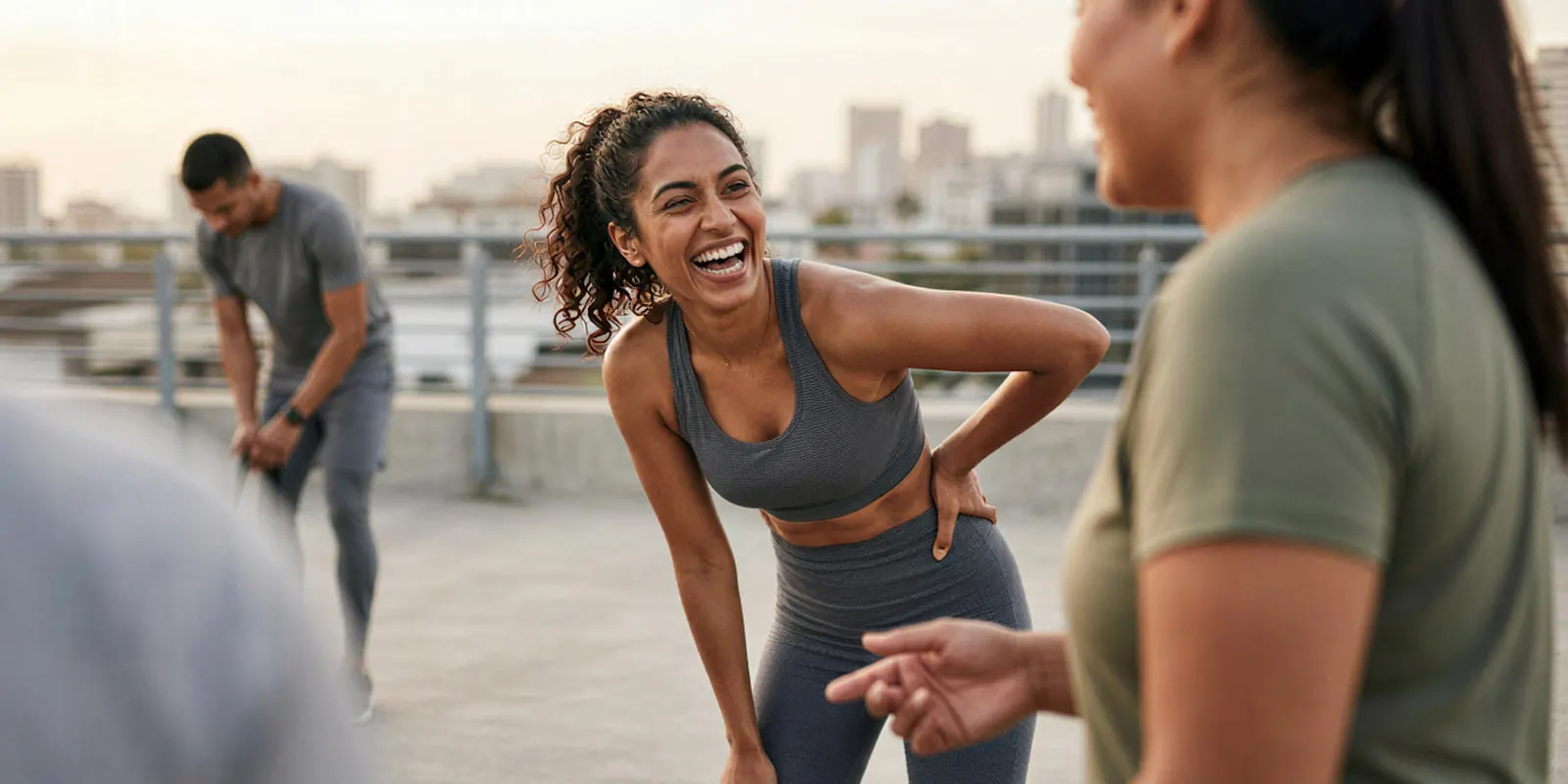
Group editorial above five people. The consistency ceiling is five characters. A six-model campaign frame, a runway line-up, an ensemble cast shot is past it. Split the group into staged sub-frames or book the day.
Anything where faces read small. Crowd scenes, wide street shots, a model at distance in open terrain. Google states the model “can still struggle with small faces”. A face that occupies 40 pixels is the exact failure case.
Prop-dense avant-garde sets. Exaggerated silhouette plus extreme makeup plus a built set plus a dozen objects is a composition designed to exceed every ceiling at once. Avant-garde is the one editorial mode where the whole point is excess, so it is the one that stays on a stage.
Accessories run a separate tier list, because the object has to look like it is taking weight rather than hanging on a shape. Editorial bag photography has the frame set and the load tells for that category.
Action and physics. Jumping, running, a coat caught mid-swing, fabric behaving under real momentum. Movement generates. Movement that a customer will read as a fit claim does not.
Video sits partly here too. Veo 3.1 output runs to roughly eight seconds per clip at 1080p and 4K, which covers a Reel, a story and a paid social cut. A 30-second brand film is a stitching job across multiple generations, and any concept built on a model speaking to camera runs into the speech synchronization limit Google names on its own page. Plan the film as a shoot, or plan it as silent movement with a music bed. Fashion videography for clothing brands sorts which video shots need a camera and which AI can make.
Stating the limits of this tier is what makes the other two credible. A shot list that claims everything is generatable falls apart on the first review, and then the whole approach gets abandoned along with the frames that would have worked.
What each tier costs
The cost gap between tiers is the reason the sort is worth doing at all. Shopify puts product photography per-image pricing “anywhere between $50 and $350, with room on either end for outliers”, photographer day rates at “$500 to $3,000 per day”, and rush fees at “25% to 200% of the total job cost” (shopify.com/blog/product-photography-pricing, August 2026). Fashion work with a model, a stylist and hair and makeup runs at the upper end of those bands before anyone talks about usage rights.
| Tier | Production cost | Time to first usable frame |
|---|---|---|
| Tier 1, generated | Credits per run on your plan | Minutes |
| Tier 2, capture once then vary | One shoot block, then plan cost | Days |
| Tier 3, full production | $500 to $3,000+ per day, plus crew | Weeks, including scheduling |
The cost of each run is shown before the run. Uploading your own photos and the commercial license start on the Pro plan. AI video, virtual try-on, upscaling, the image editor and the video editor start on the Premium plan. Plans and credits are on the pricing page.
The full workflow from the first product photo to the finished ad, in one subscription. The image editor, the video editor, your brand rules and your Assets sit in the same place. The workflow reads your brand rules on every run.
The comparison people usually want is per-image against per-image, and it is the wrong one. A shoot day produces a fixed number of finished frames, and every additional frame after that costs another day. The full arithmetic on what a product photoshoot costs, including the reshoot cycle, sits in its own guide.
The number that decides whether generated frames save money is how many you approve on the first pass. A tool that produces ten frames where you keep one has not saved you anything once someone spends an afternoon reviewing. First-pass acceptance rate is the metric to hold vendors to, not price per image.
How to build a season’s shot list across all three tiers
Sorting ideas is only useful if it changes what you book. Five steps turn the tiers into a plan.
- Write the mood board as shots, not moods. “Industrial edge” is not a shot. “Model in the charcoal coat, three-quarter, against corrugated steel, hard side key” is a shot. Only shots can be tiered.
- Tag every shot. One of three tags: generate, capture once, shoot. Count people and count distinct objects in each frame while you do it. Anything over five people, or over six hero objects, goes to Tier 3 without further debate.
- Collapse Tier 3 into one day. Every real-production frame in the season shares a single call sheet. This is where the money is, so the schedule follows it rather than the other way around. How to plan a clothing brand photoshoot covers the call sheet and the capture list for that day.
- Capture Tier 2 on that same day. The model, the studio and the lighting are already paid for. Adding a clean fit-and-texture frame per garment adds little to the day and buys you the variants for the rest of the quarter.
- Generate Tier 1 after, grouped by look. Backdrop families, color fields and format variants run as one job rather than one at a time. A moodboard template fits this stage, turning an approved direction into a reference set.
Two things make step 5 hold up across a full season. The first is starting from your real garment photo rather than a text description, so you can check every result against the garment. The second is saving the approved setup as a workflow instead of rebuilding it from memory in eight weeks. In DesignerBox, you build the look once on one garment and save it. A saved workflow runs the same way on the next garment, so the fortieth frame follows the setup you signed off on the first. Batch runs one workflow over a whole sheet of products. Dress my model puts a garment on a model, and DesignerBox for fashion brands covers the apparel steps. For garments, the fashion product photography page shows cutouts, on-model views and detail crops.
Model choice matters more at the edges than in the middle. Most Tier 1 frames come out fine on any current model. The frames near the ceiling, five people, high object counts, tight texture, are where the difference shows. The model is one step in the workflow, so you can change that step for a difficult frame without rebuilding the setup. The model list shows what DesignerBox runs. Three critic steps score the results, and best-of-N keeps the best one.
Seasonal work has its own failure mode worth naming. Autumn and winter concentrate everything difficult into one drop: layers, knit gauge, low light, outerwear structure. The autumn lookbook guide covers what holds and what breaks in that specific window, because the fit and texture problems are apparel problems.
Start on the free plan to see how a run works. Sort one season’s shot list into the three tiers. Then run the first Tier 1 frame on the Pro plan, where uploading your own photos starts.
FAQ
What are the best fashion photoshoot ideas for a small brand with no budget?
Start with backdrop swaps, minimalist sets, black and white treatments and color-blocked frames. All four sit inside the published model limits, generate from a single garment photo and need no crew. Add one capture day per season for fit-critical pieces like tailoring, denim and swim, and you cover a season without a per-shoot production budget.
How many models can appear in one AI-generated editorial image?
Five. Google states that Nano Banana Pro maintains “the consistency and resemblance of up to five characters” in a single workflow (deepmind.google, September 2026), and its API takes up to 5 character images. Google does not document consistency beyond five. A six-person group frame, a runway line-up or an ensemble campaign shot should be staged as separate sub-frames or booked as a real shoot.
Can AI handle golden hour and outdoor fashion photography?
It generates outdoor scenes at golden hour reliably when the scene and the light are generated together. Converting an existing flat studio capture into dusk light is the risky operation, because Google flags “major lighting changes (like day to night)” as one that “may sometimes produce unnatural results” (deepmind.google, September 2026). Generate the light from the start.
Which fashion photoshoot ideas still require a real photographer?
Group frames above five people, any composition where faces read small, prop-dense avant-garde sets past the object limits Google publishes, and action shots where the garment’s movement is a fit claim. On-camera dialogue for video also belongs here, since speech synchronization is documented as an area still in development.
What does a fashion photoshoot cost in 2026?
Shopify puts photographer day rates at $500 to $3,000 and per-image pricing at $50 to $350, with rush fees adding 25% to 200% of the job total (shopify.com, August 2026). Fashion work with a model, stylist and hair and makeup sits at the upper end of those bands, before usage rights are negotiated separately.
How do I keep an editorial campaign consistent across every frame?
Fix the inputs before you scale the outputs. Use one approved reference frame per look, keep the same garment source photo across the set, and save the approved setup as a workflow the team reruns for the next drop. Consistency fails when each frame is prompted from blank, not when the model is weak.
Should I put all my photoshoot ideas through AI generation?
No. The sort exists because the tiers have different economics and different failure modes. Ideas where the garment’s physical behavior carries the purchase decision earn a real capture. Ideas where the scene is the variable do not. A shot list claiming everything generates falls apart on first review and usually takes the workable frames down with it.
Sources
- Up to five characters and fourteen objects per workflow, 1k/2k/4k output, aspect ratio range, and the stated limitations on small faces, fine details, major lighting changes and multi-image blending: deepmind.google/models/gemini-image/pro, September 2026
- Up to 14 reference images, 5 character images and 6 high-fidelity object images for Nano Banana Pro: ai.google.dev/gemini-api/docs/image-generation, September 2026
- Veo 3.1 720p, 1080p and 4K output with native audio, and Gemini Omni Flash as Google’s default video model: ai.google.dev/gemini-api/docs/veo and ai.google.dev/gemini-api/docs/video, September 2026
- The stated limitation on consistent spoken audio: deepmind.google/models/veo, September 2026
- 22 October 2026 as the earliest shutdown date for the Veo 3.1 preview models in the Gemini API, with Gemini Omni Flash as the replacement: ai.google.dev/gemini-api/docs/deprecations, October 2026
- Per-image pricing of $50 to $350, day rates of $500 to $3,000, and rush fees of 25% to 200% of total job cost: (shopify.com/blog/product-photography-pricing, August 2026)
- DesignerBox plan gates: DesignerBox pricing page (designerbox.ai/pricing), September 2026
Model capabilities and limits verified from Google DeepMind’s model pages and Google’s Gemini API docs for Nano Banana Pro and Veo 3.1 as of September 2026, the Veo 3.1 shutdown date from Google’s Gemini API deprecations page, re-checked on 2 October 2026, and photography cost bands from Shopify’s product photography pricing guide as of August 2026. Individual results vary.