For vintage dealers, archive sellers and thrift shops

One of one. Photographed like a hundred.

Every piece is unique, which is exactly why the photography has to be identical. Correct the light, hold one background across the whole shop, and let the pieces differ instead of the pictures.

Start free

Vintage stock is one of one and is bought for its specific condition. Never edit out wear, fading, moth holes, stains, repairs, alterations or replaced parts, and never remove or alter a label. Keep an untouched close-up of every flaw in the listing gallery. Correcting a colour cast from indoor lighting is presentation; removing evidence of age is a misdescription.

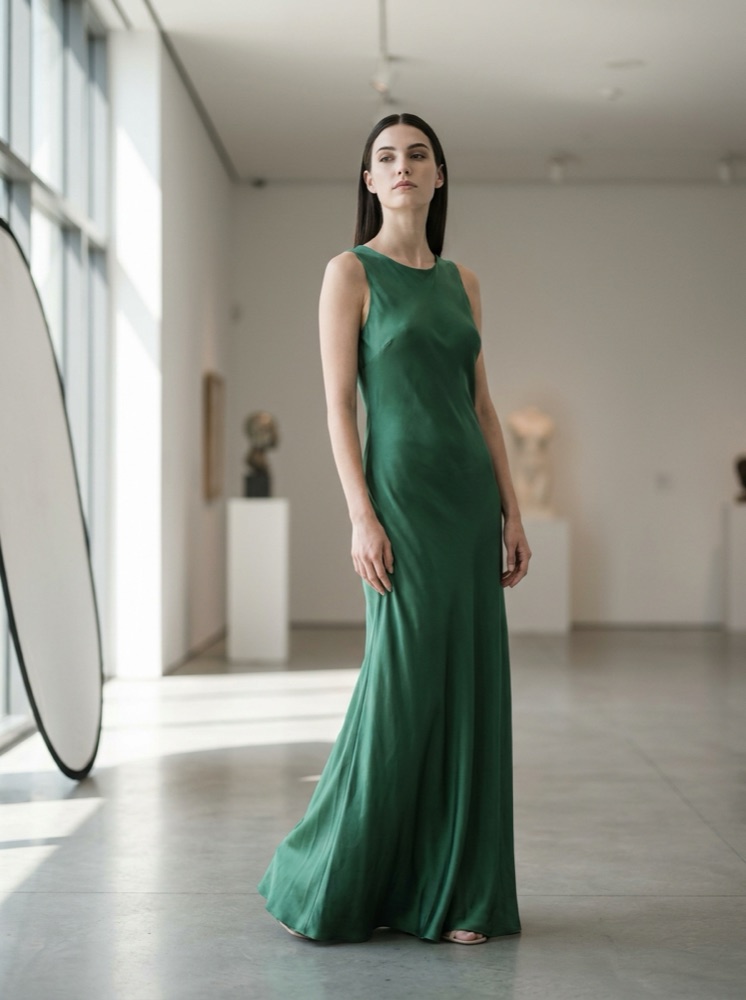
On-model clothing image generated with Nano Banana ProNano Banana Pro
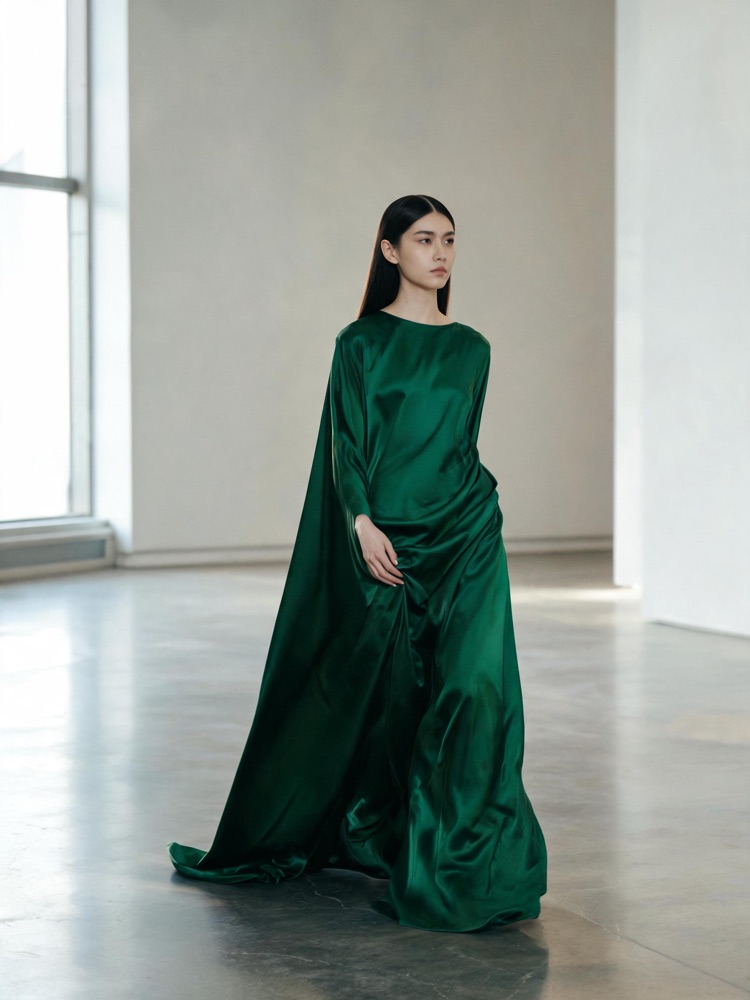
On-model clothing image generated with Seedream 5Seedream 5
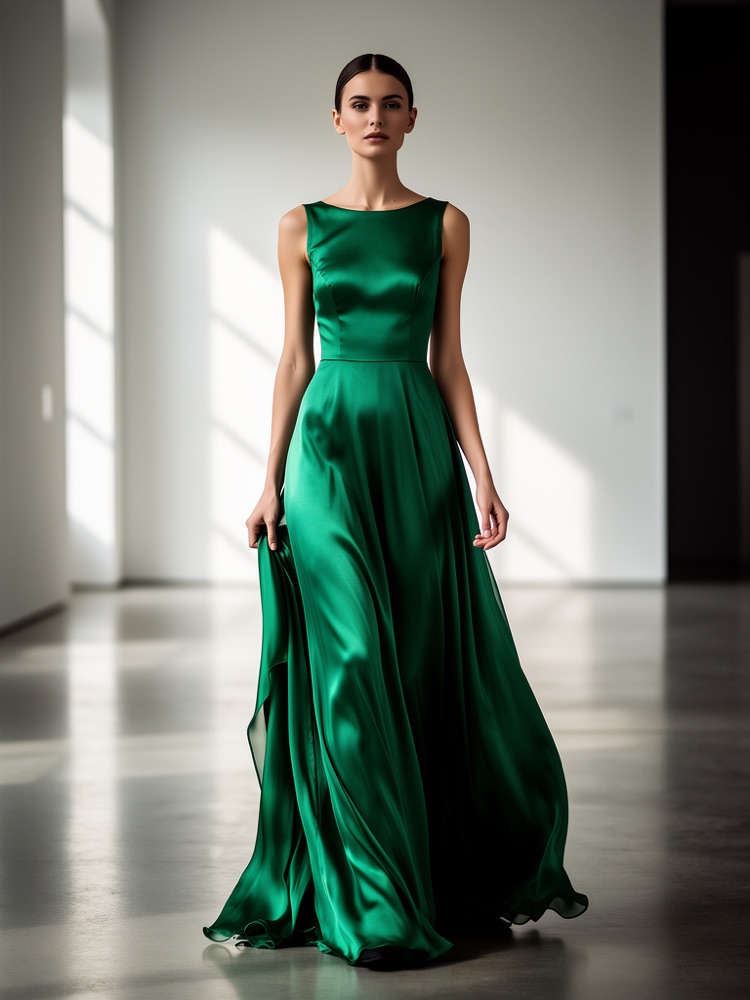
On-model clothing image generated with FLUX 2 FlexFLUX 2 Flex
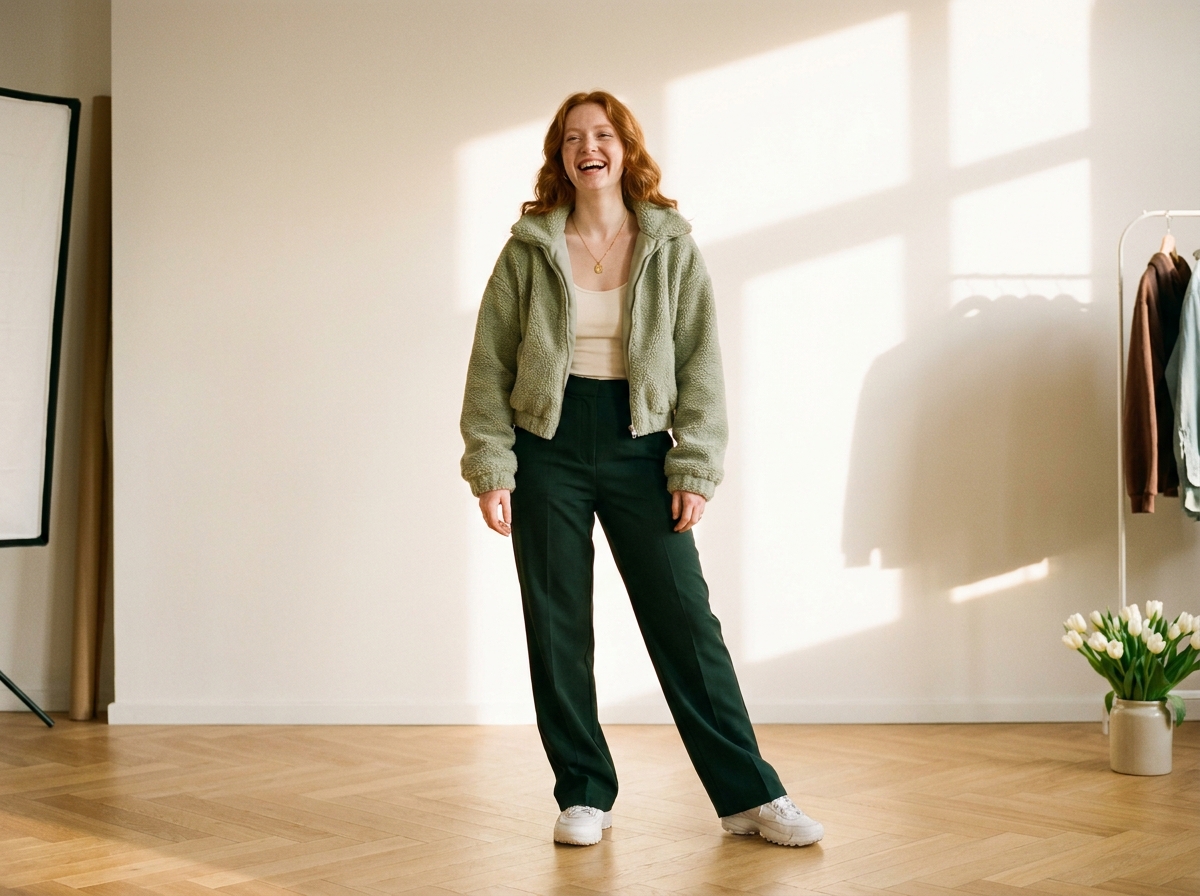
Styled clothing look made with DesignerBoxStyled look

This page is for dealers selling one-of-one vintage, where the item cannot be re-listed if the photograph is wrong and the buyer is paying for a specific condition. Two things fight each other here. Volume demands speed, because a bale or a sourcing trip produces dozens of pieces at once. Accuracy demands care, because fading, wear and repairs are part of what is being sold. DesignerBox handles the first without touching the second: correct the light, standardise the background and crop, produce the extra views, and keep every flaw photograph untouched in the gallery.

What vintage dealers use it for

Four jobs, all of them bounded by the condition rule.

Correct the light, not the item

Sourcing space is rarely well lit and indoor bulbs push everything yellow, which makes true colour impossible to judge. Correct the cast so a faded black reads as a faded black, rather than as either a new black or a brown.

Standardise a chaotic rail

Vintage stock has nothing in common except that you sourced it, so the photography is the only thing that can make a shop look coherent. One ground, one crop, one light across every piece is what turns a mixed rail into a collection.

Show the detail that authenticates

Union labels, care tags, stitching, hardware and construction are how a buyer dates a piece and decides it is genuine. Produce clear detail views of those from your capture, at a resolution that survives zooming.

Answer the fit question

Old sizing has no relationship to modern sizing, which is the single biggest hesitation in vintage. An on-model view alongside published measurements answers it far better than a label reading size 12 from 1974.

See it on a real piece

Four tools, each kept strictly to presentation.

Flat Lay Studio - Before
Before
Flat Lay Studio - After
After
Flat Lay Studio

Flat Lay Studio

Flat on the floor is how vintage gets photographed, and the light there is always uneven. Flat Lay Studio returns the shot square and evenly exposed, consistent from piece to piece, which is what a shop page needs to hold together.

Open the tool
Spotlight Relight - Before
Before
Spotlight Relight - After
After
Spotlight Relight

Spotlight Relight

Colour is the most common vintage dispute, and indoor bulbs cause most of it. Spotlight Relight corrects the cast so the shade a buyer sees is the shade that arrives. It corrects the lighting, not the garment's own fading.

Open the tool
Background Remover - Before
Before
Background Remover - After
After
Background Remover

Background Remover

A consistent ground across every listing is what makes a vintage shop look like a dealer rather than a clear-out. Background Remover holds the edge on worn fabric and frayed hems, so the piece sits clean without losing its texture.

Open the tool
Photo Angles - Before
Before
Photo Angles - After
After
Photo Angles

Photo Angles

Buyers want the back, the collar, the hardware and the label before they commit at vintage prices. Photo Angles produces those views from one capture, so a full gallery does not mean laying the piece out six times.

Open the tool

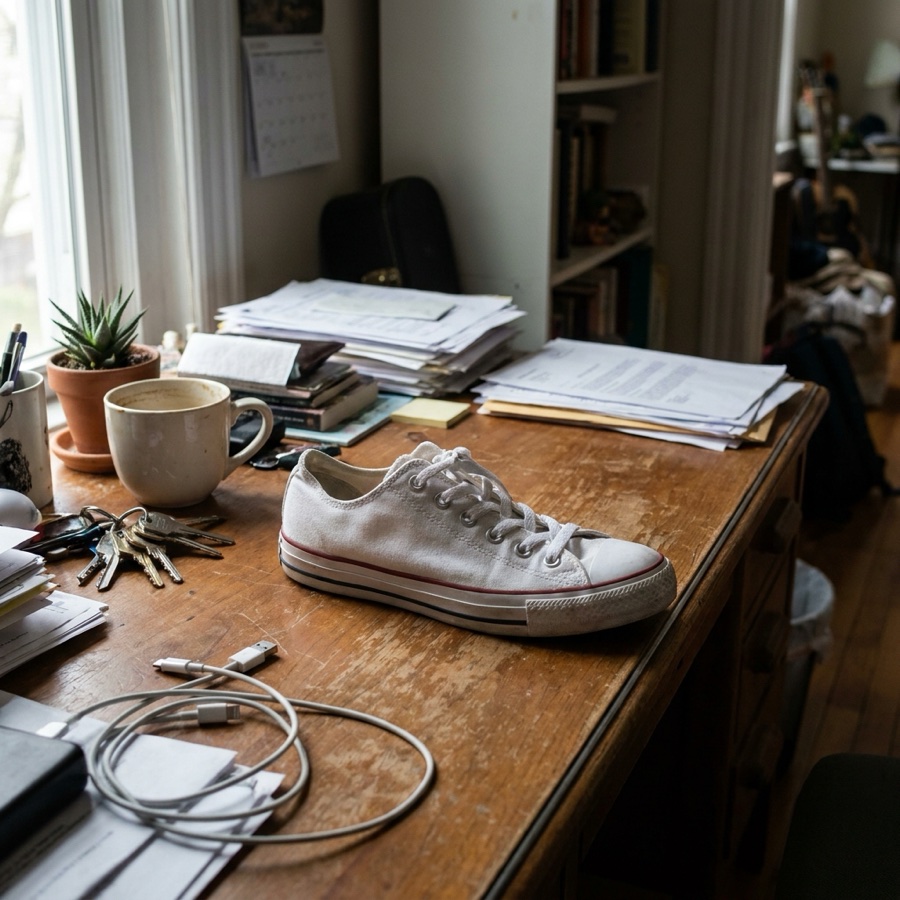
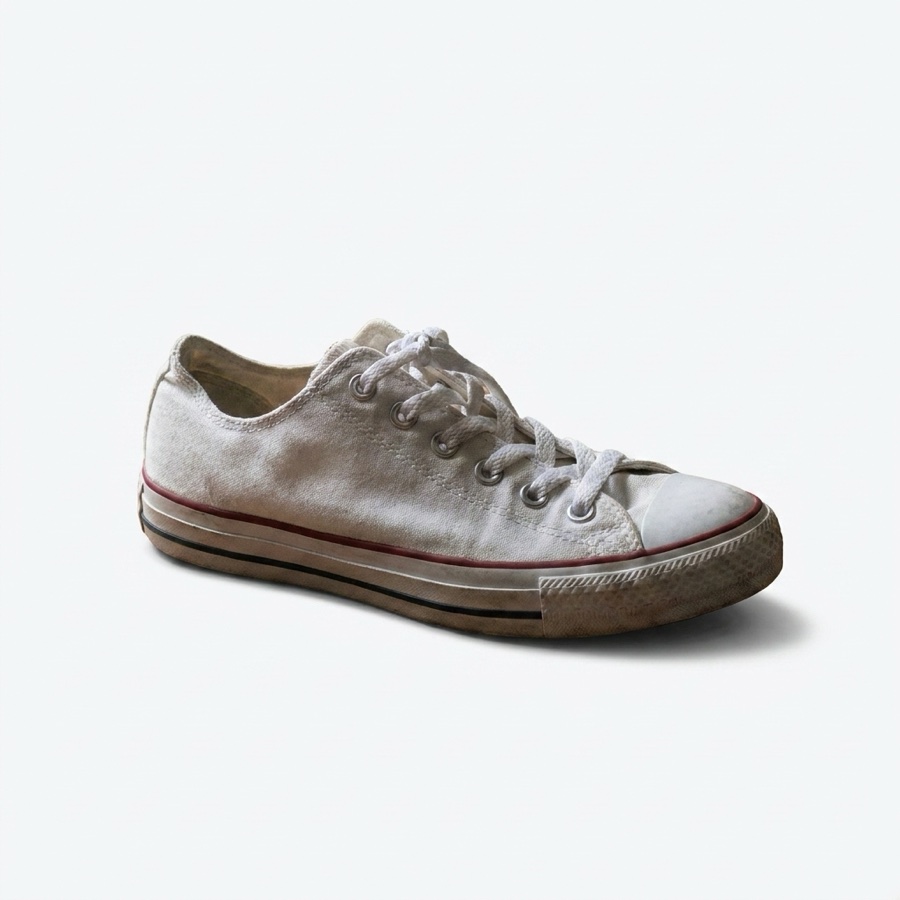
Each before and after above demonstrates the tool named on the card, using that app's own sample image, so the subject you see may not be from this industry. Run the same tool on your own photos to see it on your work.

From sourcing haul to listed

Four steps, with the honesty step first rather than last.

1
Photograph the condition first
Before anything else, take untouched close-ups of every flaw, repair, alteration and label. These go into the listing as they are and are never edited. Doing them first means they cannot be forgotten in the rush to list.
2
Take the presentation shot
Lay the piece flat, full garment in frame, one sharp capture. This is the one that gets treated, and it is the only one that does.
3
Standardise and build the views
Correct the light, apply your shop's background and crop, and produce the detail and on-model views. Then assemble the gallery with the untouched flaw shots included.
4
Save it and run the haul
Save the treatment as a workflow and send the rest of the sourcing trip through it, so the fiftieth piece matches the first without anyone comparing them.

Where the images go

Vintage sells across several surfaces, all with the same condition rule.

Marketplace listings

The cover shot competes at thumbnail size and the gallery does the honest work. Lead with the standardised full-garment shot, then the label, the measurements, the detail views and every flaw close-up untouched. Vintage buyers read galleries properly, and a missing flaw photo is the most common cause of a return at this price point.

Your shop page

A dealer's page is judged as a collection even though every piece is unrelated, so the consistency of the photography carries the whole impression. One ground and one crop across everything is the cheapest thing that separates a serious dealer from someone selling a wardrobe.

Social and drops

Vintage moves on social, often through timed drops where pieces are claimed in comments. That needs a steady supply of images at 1080 by 1350 and stories at 1080 by 1920, produced from listing photographs rather than from a separate session the schedule cannot fit.

Fairs, markets and wholesale

Dealers selling to other dealers or at fairs need printed rails cards, lot sheets and signage, all of which show flaws a screen forgives. Upscale before printing and keep the colour consistent with the online listings so a buyer who saw it online recognises it on the rail.

Standardise the picture, never the piece

The whole craft here is separating two things that look like one job. Presentation is the background, the crop, the exposure and the colour cast from the room's lighting, and standardising all of that across a shop is what makes a vintage dealer look like a dealer. Condition is the fading, the wear, the moth hole, the replaced button and the alteration, and none of it is ever touched, because it is what the buyer is paying to know. A saved workflow makes the first automatic, which is what makes the second affordable. When standardising fifty pieces costs one saved sequence rather than fifty decisions, there is time left to photograph every flaw properly. The dealers who get this wrong usually get it wrong under time pressure rather than on purpose, and the fix is a process that removes the pressure from the part that has to be honest.

Every model, one subscription

Vintage material is exactly where models differ: a sun-worn denim, a fragile silk, a heavy wool coat and a beaded evening piece each behave differently, and the texture is often the reason the piece is worth what it is. DesignerBox carries them in one workspace on one subscription rather than a licence each: Nano Banana Pro and Nano Banana 2 from Google, GPT Image 2 from OpenAI, Seedream 5 from ByteDance, and FLUX 2 Flex, FLUX Pro 1.1 and Kontext Multi from Black Forest Labs. Video runs on Veo 3.1 and Veo 3.1 Fast, Sora 2 Pro, Seedance 2.0, Kling 2.6 Pro and Runway Gen-4.5. Choose one that keeps age visible rather than one that smooths it, because smoothing is the failure mode here.

Vintage dealer questions

What one-of-one sellers ask before they use this on a haul.

Where is the line between editing and misdescribing?
Presentation is the room: the background, the exposure, the colour cast from indoor bulbs, the crop. Condition is the garment: fading, wear, holes, stains, repairs, alterations and replaced parts. Correcting the first is normal and expected. Touching the second is a misdescription, and on one-of-one stock at vintage prices it is the fastest route to a dispute and a damaged reputation.
Can I use an on-model image for a vintage piece?
As a fit reference, yes, provided it starts from the actual garment and the listing does not present it as a photograph of someone wearing that item. Always publish flat measurements alongside it, because vintage sizing is unrelated to modern sizing and a measurement is what a serious buyer actually uses.
Will correcting the light make a faded piece look newer?
It can if you push it, which is why this is the thing to check on every piece. Correct the cast from the room's lighting and stop. Then compare the result against the garment in daylight. If the piece looks less worn on screen than it does in your hand, you have gone too far and the listing is now inaccurate.
What about labels and authenticity marks?
Photograph them directly, sharply and untouched, and never reconstruct or clean one. Labels are how buyers date and authenticate a piece, and an altered or enhanced label is the single most damaging thing a dealer can publish. Upscaling a genuine photograph so the mark is legible is fine; producing the mark is not.
Is it worth the time on cheap stock?
The economics work at volume rather than per item, which is why the saved workflow matters more than any individual tool. If a treatment takes one decision and then runs across fifty pieces, it costs almost nothing per listing. If it takes a decision per piece, it is not worth doing on anything under a certain price.
How much does it cost to start?
Nothing to try. The free tier carries 112 credits a month, enough to run a few pieces through and see whether the standardised grid is worth it for your stock. Paid plans run $15 a month for 500 credits, $35 for 1,000, $75 for 2,500 and $200 for 8,000.

Standardise one haul

Take the last twenty pieces you sourced, put them on one ground under one light, and look at the shop page. The free tier covers it.

Start free