AI provider strategic map

The 2026 AI creative model landscape, mapped by strategic position

Six major providers, distinct strategic positions, predictable launch patterns. Understand the positions and you anticipate the launches instead of reacting to each one.

A map of the 2026 AI model landscapeAI provider strategic map
The problem

Why comparing AI models is genuinely hard

Line up the model demos side by side and one always looks best for the shot in front of you. That comparison is the easy part. At production scale you are not buying a demo. You are buying a licence, a training-data position, an indemnity clause, and a set of geographic access rules, and every model carries a different mix. Those terms rarely show up in the launch post, and they are what decide whether a model is safe to ship commercial work on.

This guide maps the thirteen image and video models that matter for professional work in 2026: what each is good at, how its licence reads, where its training data stands, what indemnity it offers, and where it breaks down under production load. Then it covers the practical problem of running several of them at once, which is where most teams lose the time they saved. DesignerBox puts all thirteen behind one subscription, so you pick the right model per job without a separate account, API key, or contract for each.

Six major providers and their strategic positions

Each major provider has chosen a positioning that determines what they ship and what they do not. Knowing the position predicts the launch.

Google: cinematic video, integrated quality

Building toward integrated, high-quality AI generation across video (Veo family), image (Imagen family), and increasingly audio. Position: highest-quality models for serious work, integrated with Google's broader creative and consumer ecosystem. Strong on cinematic stillness and atmospheric motion.

OpenAI: narrative and multimodal sophistication

Building toward narrative-rich, multimodal AI integrated with the GPT ecosystem. Position: most sophisticated AI for working with language, narrative, and multimodal content. Sora 2 leads on long-duration coherence; GPT Image 2 on conversational prompts and text-in-image.

ByteDance: high-volume social and motion

Building toward high-volume, social-format video and motion (Seedance family). Position: workhorse for variant production and vertical-format social. Strong on dance and motion work, vertical-format strength, accessible pricing at production volume.

Black Forest Labs: premium image fidelity

Building toward premium photorealistic image generation (Flux Pro, Flux 2). Position: the image-model alternative for users who want peak fidelity without the largest provider's ecosystem lock-in. Strong on commercial photography styles and product imagery.

Kuaishou (Kling): dynamic character action

Building toward dynamic, multi-character, action-heavy video (Kling family). Position: the model for performance work, two-character scenes, action sequences. Where Veo's atmospheric strengths matter less, Kling typically wins.

MiniMax (Hailuo): reliable all-rounder

Building toward consistent, reliable, mid-tier video generation (Hailuo family). Position: the dependable baseline that handles most shot types without specialized strengths or weaknesses. Backup or alternative when specialized models are unavailable.

How to read provider roadmaps

Five patterns that predict where each provider is likely going next.

01

Watch the Fast/Pro variants

When a provider ships a Fast variant (Veo 3.1 Fast, Seedance 2.0), they are extending reach to production-volume work. The Fast variant matters more than the headline-grabbing peak model for predicting the provider's commercial trajectory.

02

Watch the duration boundary

Most current models cap at 5 to 8 seconds. The next industry boundary is 10 to 20 second coherence. Sora has demonstrated this; others will follow. Long-duration is the next major capability differentiator.

03

Watch audio integration

Veo and Sora are integrating audio generation alongside video. Audio-coupled video is the next major user-experience differentiator. Providers without audio strategy will look behind by mid-2026.

04

Watch ecosystem positioning

Google ties Veo to YouTube, Photos, Workspace. OpenAI ties Sora to ChatGPT. Standalone tools are losing ground to ecosystem-integrated tools. The right tool for your team depends on where your team already lives.

05

Watch enterprise terms

Indemnity, training-data position, data residency, MSA terms. Enterprise-grade contract terms are the buying differentiator at scale. Providers with weak enterprise terms lose enterprise deals regardless of model quality.

What each provider is probably NOT building

The capability gaps each provider has chosen to leave. Useful for predicting which models you will still need from elsewhere.

Google is not building

Specialized stylized illustration. Voice cloning as a featured product (they have voice tech but not central). Editing-forward tools competing with editor-AI integrations.

OpenAI is not building

Specialized e-commerce or marketplace tooling. Editor-integrated AI competing with traditional NLE workflows. Voice cloning as a separate product (it is integrated into ChatGPT, not standalone).

ByteDance is not building

Premium cinematic peak quality (not the territory). Enterprise-grade MSA and indemnity coverage at the level Google and OpenAI provide. Western-region prioritized launch timing.

Black Forest Labs is not building

Video generation (image-only focus). Multi-modal language integration (image-only). Large-team admin/governance infrastructure (the platform layer comes from the integrators).

Kuaishou (Kling) is not building

Static atmospheric cinematic establishers (Veo wins). Highly stylized non-photorealistic animation. Western-region marketing presence at the level Google and OpenAI have.

MiniMax (Hailuo) is not building

Category-leading peak quality in any specific shot type. Ecosystem-integrated workflow (standalone-only model). Distinctive narrative interpretation (OpenAI territory).

5 to 8Most current models cap at seconds
Who this is for

Who should read this model map

Anyone deciding which models to trust with commercial, on-brand work at volume.

Creative directors

You choose the tools your team ships on. This shows which model wins which shot type, so you stop defaulting to one and settling for weaker output on the rest.

Legal and procurement

You sign off on the terms. This lays out licence scope, training-data provenance, and indemnity per model, so you know what you are actually approving.

Producers at volume

You run dozens of generations a day across shot types. This shows where each model breaks down under load and where the credit cost stops making sense.

Founders and solo operators

You want the best output without managing thirteen logins and thirteen bills. This shows what one account gets you and what it does not.

How DesignerBox solves it

Thirteen models, one account, one set of terms

DesignerBox gives you Nano Banana Pro/2, GPT Image 2, Seedream 5, FLUX, Veo 3.1, Sora 2 Pro, Seedance 2.0, Kling, Runway Gen-4.5 and the rest on one subscription. You pick the model that fits the job, see the credit cost before you generate, and keep every output in one shared asset library. Licensing and access run through a single relationship instead of thirteen separate provider contracts. The honest limit: a very large enterprise that needs a direct MSA and indemnity from one named provider will still want that provider directly. For most teams, one account removes the account, key, and billing sprawl that makes multi-model work slow.

  • Pick any model per job from one subscription, with no separate account or API key.
  • See the credit cost before you generate, not after the invoice arrives.
  • Every image and video lands in one shared asset library across all models.
  • One billing relationship and one set of terms instead of thirteen provider contracts.
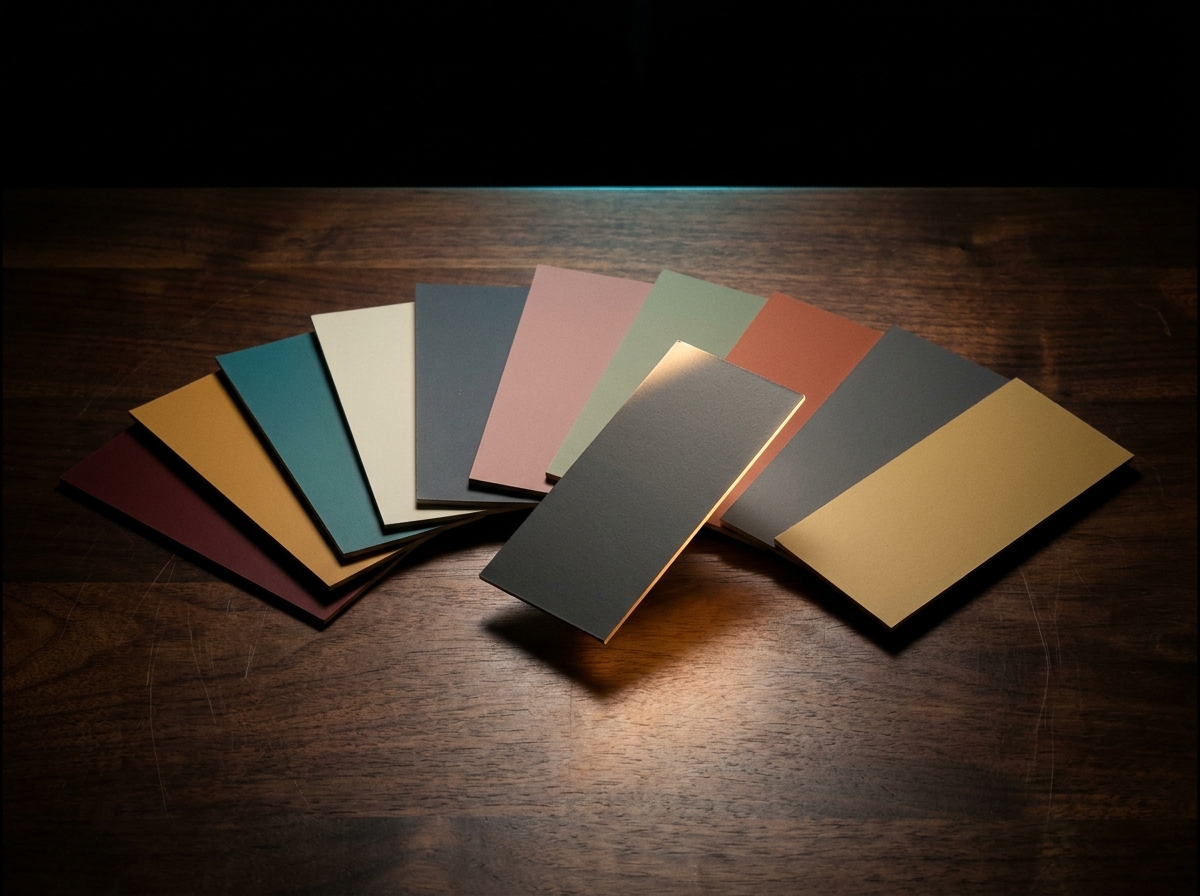
Output from a top image model on DesignerBox

Frequently asked questions

Strategic questions creative leaders ask about the model landscape.

Which provider should we commit to?
Wrong question. The right question is which providers should you have access to. Different providers win on different shot types. A platform that bundles multiple providers gives you per-shot picking without per-provider credit silos.
How fast are these positions changing?
Model lineups change every quarter. Strategic positions change every year or two. The position-level map below is durable through 2026. Specific model recommendations are best refreshed every six months.
What about Adobe Firefly, Runway, Luma?
Adobe Firefly is the Creative Cloud ecosystem play (integration first, model quality second). Runway is positioning between cinematic and high-volume with strong image-to-video. Luma Dream Machine focuses on accessible individual-creator pricing with strong physical motion.
How does open-source play in 2026?
Stable Diffusion variants and open Flux ports still anchor research and fine-tuning workflows. Production work is mostly hosted models. Open-source matters most for custom LoRA training, character consistency, and niche stylization.
Should we worry about model deprecation?
Yes. Sora 1, Veo 2, Kling 1.5 are no longer the recommended path. Models deprecate every 12 to 18 months. Architect workflows around model selection per shot, not around a specific frozen model. Multi-provider platforms reduce deprecation risk.
What about provider geographic availability?
Sora has historically had geographic and tier restrictions. Some Chinese-origin models (Kling, Seedance) are bundled into Western platforms but vary in direct-access availability. Verify access patterns before scheduling around them.
What is the deepest capability gap in the landscape?
Lip-sync at native-language quality across many languages is still uneven. Multi-character interaction at long duration is hard. Editing-AI that respects existing color and lens grammar is still emerging. These are the gaps the next generation of models will compete on.
Should we go direct to providers or use a platform?
Workflow integration, character consistency across providers, brand-lock, and tool consolidation usually favor a platform. Going direct makes sense for high-volume single-provider workflows where the integration cost is justified by scale.

Get access to every major provider in one workflow

DesignerBox bundles Veo, Sora-class, Kling, Seedance, Hailuo, Runway, Flux Pro, Imagen, GPT Image, and the rest with cross-provider character consistency, brand-lock, and per-shot model picking. Start free with credits.