
TikTok Shop product images are square, and TikTok Shop accepts up to nine per listing, plus one video capped at 5MB. The main image needs a pure white background and a front view of the product. No product image may carry added logos, text, borders or watermarks. Placeholders and digital renderings are not allowed. The pixel minimum depends on which of TikTok’s seller pages you read.
That last sentence is easy to miss. TikTok’s US Product Listing Policy sets the floor at 600 x 600 pixels. Its UK best-practice page sets it at 800 x 800 for the same field. Both are TikTok pages. Both were live in September 2026.
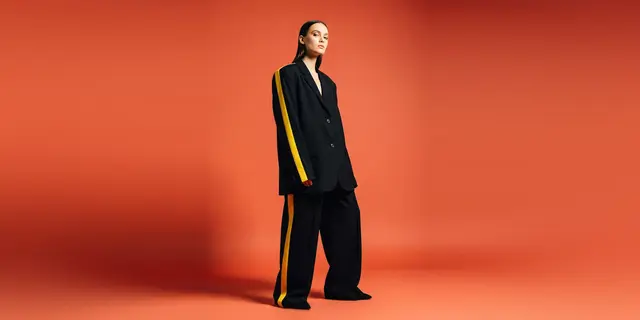
The wider problem is that TikTok is two surfaces wearing one brand name. The listing gallery is square, white and heavily restricted. The feed that drives traffic to it is vertical, styled and governed by a different policy. Sellers build one set of files and use it in both places.
This covers what each TikTok page publishes, where they disagree, what the rendering rule excludes, and the two crops a product needs.
Key Takeaways
- Nine square images, one video, 5MB. TikTok’s Product Listing Policy states that “Sellers may upload up to 9 square images” and “up to 1 video for each product listing, which must not exceed 5MB” (TikTok Shop US Product Listing Policy, September 2026).
- The pixel floor has two published values. The US policy says 600 x 600. The UK best-practice page says 800 x 800. Build to the higher one and both are satisfied.
- The main image is a packshot and nothing else. Pure white background, front physical view, and no added logos, text, borders, watermarks or graphics over the product or in the background (seller-us.tiktok.com, September 2026).
- Digital renderings are not allowed in listing images. “Placeholders and digital renderings of a product are not allowed.” Editing a photograph of the real product sits outside that sentence. In our reading, generating the product does not.
- Color only. Black-and-white images are rejected, which catches a lot of monochrome brand styling.
- Two widely quoted TikTok rules are not on TikTok’s listing pages. Neither the Product Listing Policy nor the UK best-practice page has an AI label rule for listing images or a listing-quality tier tied to image count. TikTok Shop’s separate AI content policy still requires creators to disclose content that is fully made or heavily edited with AI.
What TikTok Shop requires for product images
Every number below is quoted from a TikTok seller page, checked in September 2026. Where the two pages differ, both values appear.
| Field | US Product Listing Policy | UK best-practice page |
|---|---|---|
| Images per listing | Up to 9, square | Up to 9, square |
| Minimum resolution | 600 x 600px | 800 x 800px |
| Main image background | Pure white | Front view stated, background rules given separately |
| Overlays | No added logos, text, borders, watermarks or graphics | No pixelated blocks, text or watermarks “other than product branding or logos” |
| Color | Color only, black and white not accepted | Color only, black and white not accepted |
| Video per listing | 1, maximum 5MB | 1, maximum 5MB |
Sources: TikTok Shop US Product Listing Policy and TikTok Shop UK Best Practices for Product Listings, both September 2026.
The resolution gap is the clean disagreement. One page publishes 600, the other 800, for the same field on the same marketplace. Building every file at 1600 x 1600 or above settles it and leaves headroom for a crop, which costs nothing because a downscale is a file operation.
The overlay wording is the subtler difference and it matters for branded packaging. The US sentence restricts “added” logos, which reads as post-production additions. The UK sentence explicitly permits “product branding or logos” in the background. A box with your logo printed on it is the product. A logo dropped on in an editor is not.
Nine square images also puts TikTok Shop mid-table on slot count. Amazon’s clothing guide allows up to eight alternate images per SKU (sellercentral.amazon.com, September 2026). Etsy allows up to 20 photos and 2 videos per listing (help.etsy.com, September 2026). eBay allows up to 24 pictures (ebay.com, September 2026). The slot counts each marketplace shows set the size of the job before any tool does.
The main image rule removes most of a normal shot list
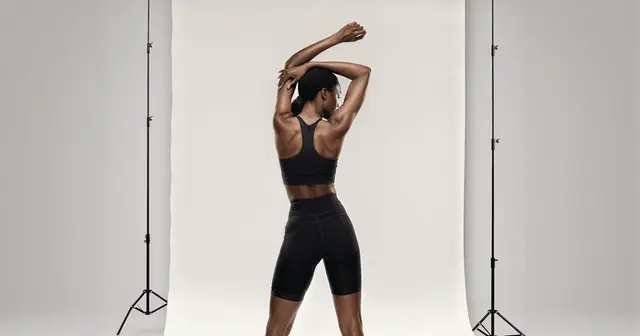
TikTok’s main image has to be a front physical view of the product on a pure white background, with no graphics over it or behind it.
Read a standard ecommerce shot list against that and most of it is disqualified from slot one. Promotional banners, discount flashes, feature callouts, review quotes, certification badges and comparison charts are all text or graphics on an image. They can live in the eight alternate slots. They cannot be the thumbnail.
The alternate slots are where the work goes. TikTok asks for “the front, back, sides, and other details, including accessories” and says “Multiple images showing the same angle are not allowed” (seller-us.tiktok.com, September 2026). Eight near-identical front views fill the gallery and answer nothing.
A workable eight looks like this: back, three-quarter, a scale reference, a detail crop on material or finish, the product in use, what ships in the box, a size or spec frame, and one category-specific shot. Every one of those answers a different question.
Swimwear and lingerie follow a stricter rule. TikTok Shop US tells sellers to show them on mannequins instead of on-body try-ons, which changes the tool you need. AI swimwear and lingerie photography tools covers that split.
No digital renderings on the listing
One sentence in the Product Listing Policy does more work than the specs: “Placeholders and digital renderings of a product are not allowed,” alongside a requirement that images “must include only what the customer will receive.”
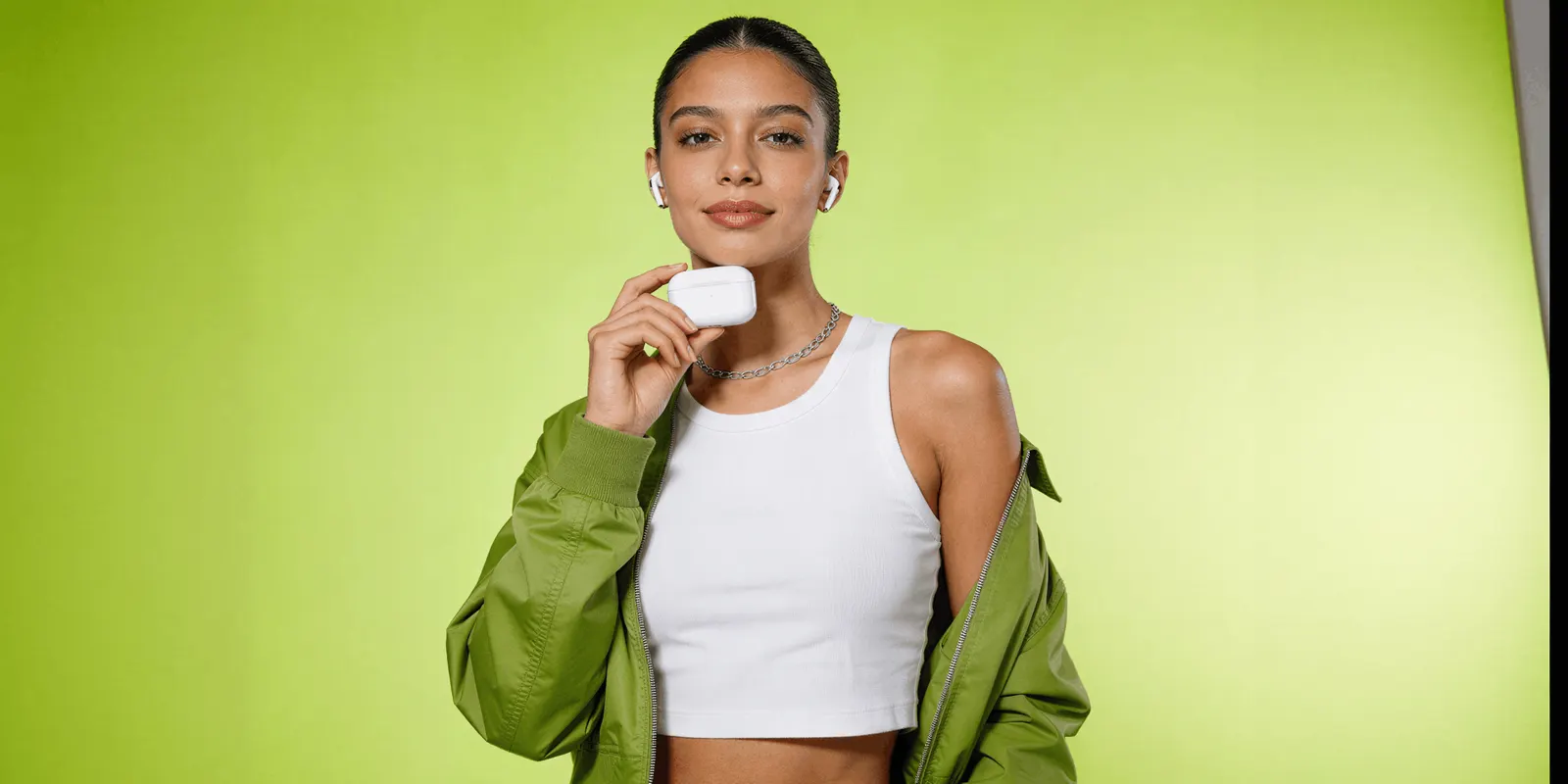
That sentence never says AI. In our reading, a picture of the product that a model made from a description is a rendering of the product rather than a photograph of it. TikTok does not state that reading, so treat it as the careful choice. Sellers who list with supplier photos meet the same “only what the customer will receive” test. Dropshipping product photos covers how to restage those files.
What survives is everything acting on a photograph you already have. Background removal to reach the pure white main image. Color correction so the file matches the item. Relighting. Angle variations built from a real source shot. TikTok Shop’s separate AI content policy lists editing images, adjusting lighting and colors and changing backgrounds as permitted uses, as long as the product information is not altered. It also states that “Content will not be restricted or penalized solely for using AI” (TikTok Shop AI-generated content policy, September 2026).
Getting from a phone photo to a compliant white-background main image is the most common single job here, and what to do after the cutout covers where that breaks. In DesignerBox, a clean white background template handles the cutout and the white fill in one run. The page for TikTok Shop sellers shows vertical listing pictures and short product video in one look.
The full split of what each marketplace allows, across five marketplaces, is in marketplace rules for AI product photos. For how TikTok Shop differs from the shops on Instagram and Facebook, where the buyer pays on your website, see the social commerce guide.
Square listing, tall feed: the same product needs two crops
TikTok Shop images come in two shapes, and the listing gallery is the square one.
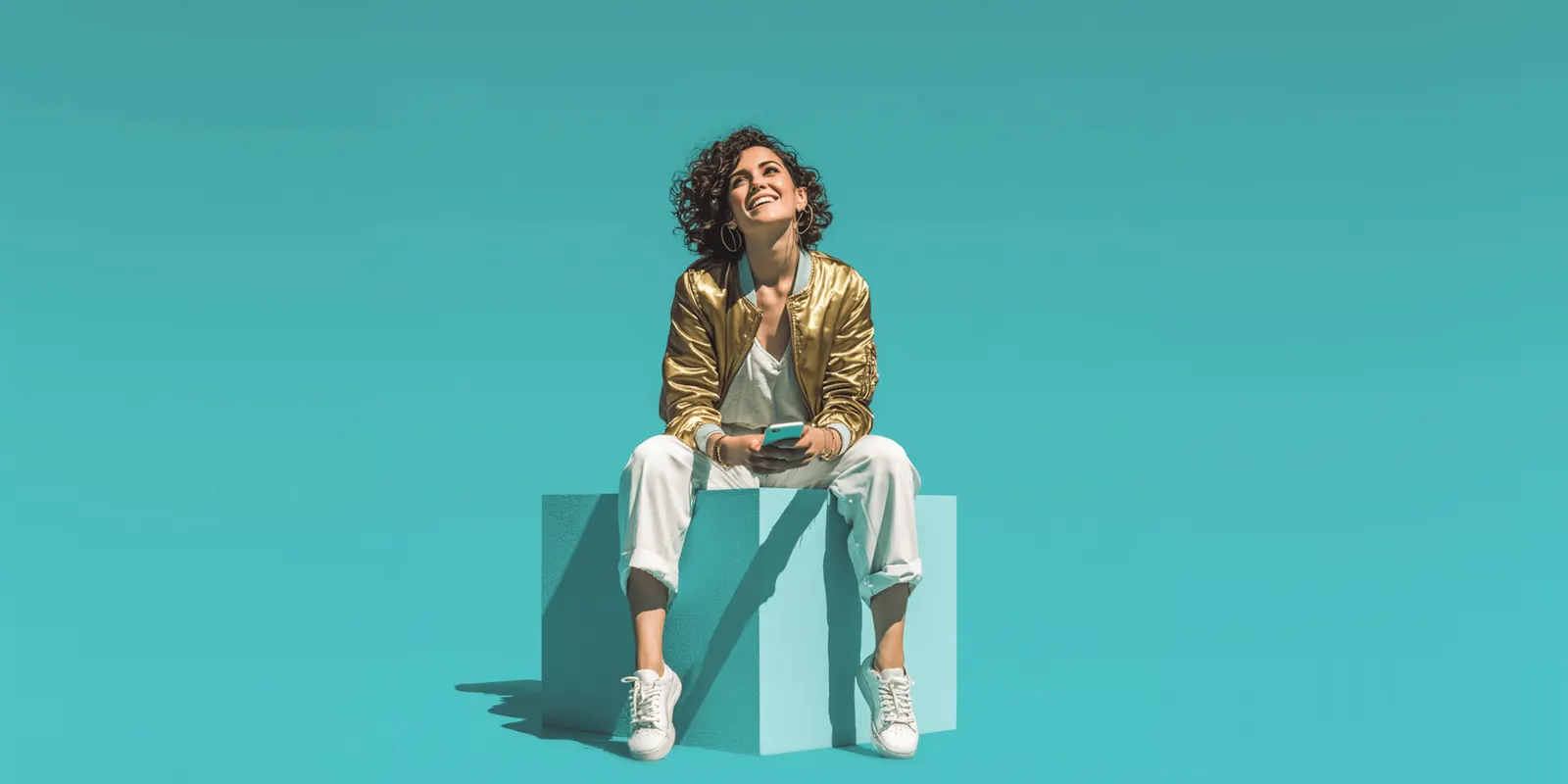
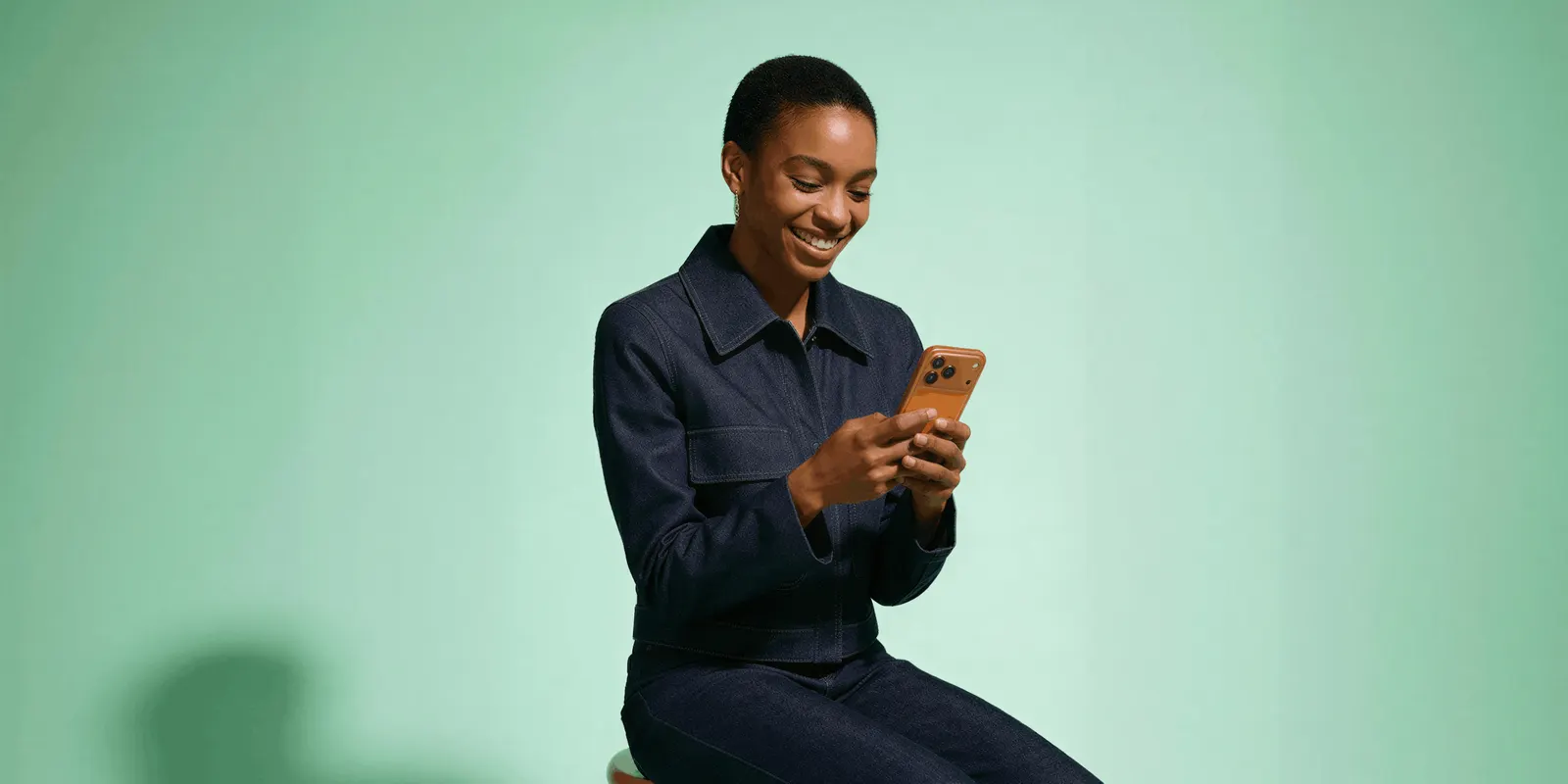
A product video, a Shop ad, a creator collaboration and an organic post all run vertical. The one listing video you are allowed sits under a 5MB cap, which decides your encoding before any creative question does.
So a set of TikTok Shop images needs two exports from one shoot:
- The square set. Nine files, 1600 x 1600 or better, main image on pure white, alternates covering angles and detail. This is the gallery and it is spec-bound.
- The vertical set. 9:16 frames for the feed and for ads, where styling, text and scenes are all allowed. This is where the traffic comes from.
Shooting once and cropping twice is the version of this that holds up, because regenerating per surface lets the two sets drift apart until the video and the listing look like different products. Set the two crops up once, on one product, with your white point and your framing fixed. Save that setup as a workflow. A saved workflow runs the same way on the next SKU, so every product follows one recipe instead of a separate decision. The social creatives templates are a starting point for the vertical set.
For ads specifically, the spec, the safe zone and the AI toggle are covered in how to create TikTok video ads with AI. At posting cadence rather than per clip, where a TikTok content pipeline breaks has the volume math. The listing video itself is a separate build, and the two file caps TikTok publishes for it decide its length before any creative decision does.
Two rules people quote that TikTok does not publish
Both of these circulate widely enough to plan around. Neither appears on the TikTok pages that govern listings.
“AI-generated listing images need a visible AI-generated label.” The Product Listing Policy contains no AI-disclosure requirement and no labeling rule for images. TikTok Shop’s separate AI-generated content policy is where disclosure lives. It says creators must disclose content that is fully generated or significantly edited using AI, and its definition of that content includes images. Its disclosure methods are a note in the content or the “AI-generated content” toggle when you post. So the listing policy has no label rule, and the content policy still applies to AI-made content you publish. Read both before you plan around either.
“Fewer than five images drops you into a lower listing-quality tier that caps your visibility.” More images is sound advice on its own merits. The tier is the invented part. Neither the Product Listing Policy nor the UK best-practice page describes a quality tier, a visibility cap, or any consequence attached to an image count. Both publish the nine-image ceiling and stop there.
Fill the gallery for the shopper. Planning around a threshold nobody has published is how a catalog budget gets set by a number that does not exist.
Cost of a TikTok Shop set
There is no flat per-image price in DesignerBox. Image cost depends on the model behind the step, and the cost is shown before the run. You see it before you press Run, so you can size a nine-image listing before you start it.
There is a free plan, and it runs on sample products. The free plan cannot make video. Uploading your own photos and the commercial license start on the Pro plan. AI video, virtual try-on, upscaling, the image editor and the video editor start on the Premium plan. Team features, shared brand kits and white label are on the Ultra plan, and every plan below Ultra is one seat. The pricing page has the plans, and how it works shows the four ways to run a workflow.
The square set and the vertical set also stay in one place. The image editor, the video editor, your brand rules and your Assets are one subscription, so the listing gallery and the feed clip are built from the same source photo instead of in two separate tools. The workflow reads your brand record on every run. Listing forty then looks like listing one.
Start from a template, add your brand and your products, and run it. The cost is shown before the run.
FAQ
What size should TikTok Shop product images be?
Square, and at least 800 x 800 pixels. TikTok’s US Product Listing Policy publishes a 600 x 600 minimum and its UK best-practice page publishes 800 x 800 for the same field, so 800 clears both. Building at 1600 x 1600 or above leaves room to crop without a second generation and costs nothing extra to store.
How many images can you upload to a TikTok Shop listing?
Up to nine square images, with one selected as the main product image, plus one video capped at 5MB (seller-us.tiktok.com, September 2026). TikTok asks that the alternates show different angles and details rather than repeating the same view.
Does TikTok Shop allow AI-generated product images?
Not as the listing photo, in our reading. The Product Listing Policy states that “Placeholders and digital renderings of a product are not allowed,” and a generated picture of a physical product reads as a rendering. Editing a real photograph, including background removal, color correction and relighting, sits outside that rule. TikTok Shop’s separate AI content policy covers images and video. It lists background changes and lighting edits as permitted when the product information is not altered, and states that content will not be penalized solely for using AI.
What are the TikTok Shop main image requirements?
A front physical view of the product on a pure white background, in color, with no added logos, text, borders, watermarks or graphics covering the product or in the background (seller-us.tiktok.com, September 2026). Props and anything the customer does not receive are excluded by the requirement that images show only what ships.
Can I use my Amazon product photos on TikTok Shop?
The main image usually ports directly, because both platforms want the product on pure white. The crop may not: Amazon has no square requirement and TikTok does. Amazon’s general image guide asks for a realistic, professional-quality image, and it asks sellers to tag images that show photorealistic AI-generated people. Its clothing guide says only photos are allowed. TikTok’s listing policy does not allow digital renderings. Photograph the product once and edit from that file for both.
Why does my TikTok Shop image get rejected?
The common causes are all published rules rather than quality judgments: a background that is not pure white on the main image, an added logo or text overlay, a black-and-white file, a file under the pixel minimum, or an image showing a prop the buyer does not receive. Check those five before assuming a review error.
Do TikTok Shop listing images and TikTok videos follow the same rules?
No. The listing gallery runs under the Product Listing Policy, which is square, white-background and allows no digital renderings. TikTok Shop’s AI-generated content policy covers the content you post, images and video included. It permits AI background changes and virtual scenes that show the product accurately, and it requires creators to disclose fully generated or significantly edited content. Same seller account, two rule sets.
Sources
- TikTok Shop US Product Listing Policy (nine square images, 600 x 600 minimum, pure white main image, overlay rules, color only, no placeholders or digital renderings, one video at 5MB), September 2026: https://seller-us.tiktok.com/university/essay?knowledge_id=3196690250417921&lang=en
- TikTok Shop UK Best Practices for Product Listings (800 x 800 minimum, front-view main image, background wording on product branding or logos), September 2026: https://seller-uk.tiktok.com/university/essay?knowledge_id=7753820806006530
- TikTok Shop AI-Generated Content Restrictions and Requirements (“Content will not be restricted or penalized solely for using AI”, permitted edits, disclosure), September 2026: https://seller-us.tiktok.com/university/essay?knowledge_id=491489038501663&lang=en
- Amazon clothing image guidelines (up to eight alternate images per SKU, only photos allowed): https://sellercentral.amazon.com/help/hub/reference/external/G200498950
- Amazon product image guide (realistic main image, tag for photorealistic AI-generated people), September 2026: https://sellercentral.amazon.com/help/hub/reference/external/G1881
- Etsy Help, How to Create a Listing (“You can add up to 20 photos and 2 videos that are 5-15 seconds in length to each listing”), September 2026: https://help.etsy.com/hc/en-us/articles/115015628707
- eBay Help, Adding pictures to your listings (“You can add up to 24 pictures”), September 2026: https://www.ebay.com/help/selling/listings/pictures-videos-your-listings?id=4148
TikTok Shop specifications and policies checked against TikTok’s own US and UK seller documentation as of September 2026. These are regional seller pages and are not generalized to other markets. Requirements change; recheck before a catalog-wide rollout. Individual results vary.