Product Photo Lighting: How to Fix It Without a Reshoot
Product photo lighting problems are mostly fixable after the shoot. The 4 failures ranked by how recoverable they are, and why a white sweep still fails RGB 255
Newest first. 298 guides on AI product photography, on-model shots, AI video and ad creative. Browse by topic from the blog home.
Product photo lighting problems are mostly fixable after the shoot. The 4 failures ranked by how recoverable they are, and why a white sweep still fails RGB 255
Your source product photo decides the whole set. The 4 things one frame has to get right, so every angle, scene and video can be built from it.
A streetwear drop campaign calendar for the three weeks before a drop: what each asset proves, where each one comes from, and the exact point where AI stops.

Sustainable fashion photography for made-to-order and deadstock labels: shoot a full range from 1 sample, and the green-claims rules that limit what images say.
TikTok Shop product images: 9 square images per listing, no digital renderings, and US and UK seller pages that publish different specs. What to build.

Vintage clothing photography for one-of-one stock: two photo sets per item, 6 frames before styling, and the line between correcting light and erasing age.

How to make YouTube thumbnails with AI in batches: YouTube tests 3 per video, so make 3. The current specs, the disclosure exemption, and how to keep a look.

AI campaign assets need more than a generated picture. The five things a model leaves out, and the layout, type and export work that makes a file shippable.

Shoppable video for brands running LTK or Mavely programs: the four clip formats that carry a link, what to hand creators, and the AI disclosure rules.
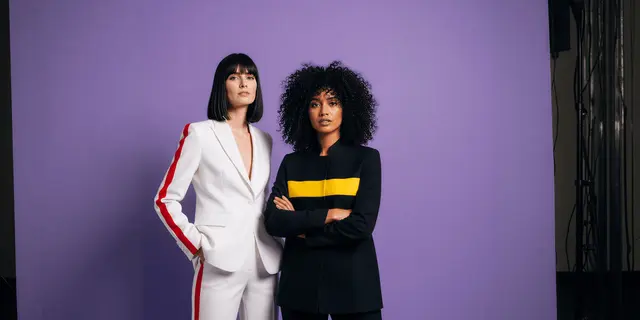
Do AI models beat real models on conversion? The 13% study measured garment design, not photography. A slot-by-slot rule for deciding it on your own catalog.
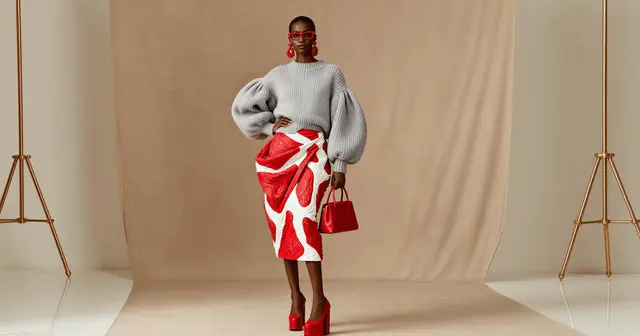
Fashion brands using AI models split two ways. ASOS reported 1,600 extra assets from edits of real models. Fully synthetic faces bought headlines instead.
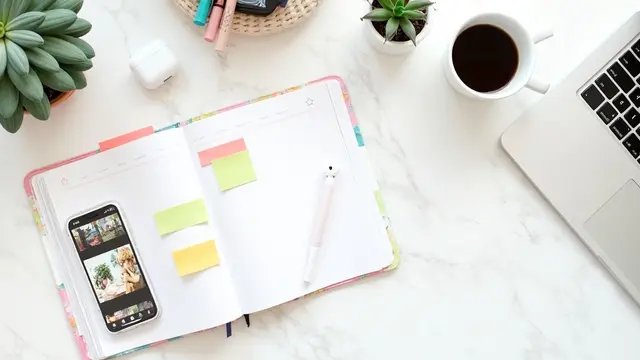
How to shoot flat lay photography that survives a whole catalog: the two rules that decide it, marketplace specs, and where AI flat lays break.
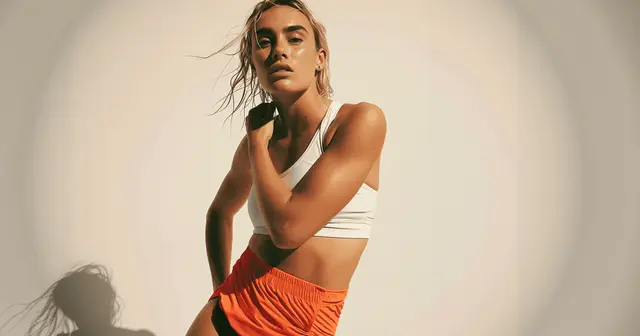
Activewear photography in 2026: Amazon's crop rules for leggings and sports bras, the shot list that answers a 23.4% apparel return rate, and where AI breaks.
How to add virtual try-on to your store. The shopper-facing version meets biometric law at $1,000 a violation. The brand-side version takes no shopper photo.

AI autumn lookbook guide: why layers, knit and low light break generated output, the 4 locks that hold it, and how to ship AW assets in July without a studio.
AI fashion photo sets drift when each frame is prompted alone. What to lock, the 4 settings to vary, and how many frames one look needs before you cut it down.
AI fashion photography at scale is priced by review, not per image. Measure first-pass acceptance in an afternoon, and the review math on a 1,000-SKU run.
AI fashion video is sold as a returns fix. No controlled study shows it. What the evidence really measures, and what a clip costs against a $5,000 day rate.

AI in fashion has three layers: create, shop, wear. Zalando made 70% of Q4 2024 campaign imagery with AI. What is proven, what is vendor claim, what stalled.
AI product images for Shopify: 2,048 variants per product, media capped at 250. What that math means for your galleries, and where the free editor stops.
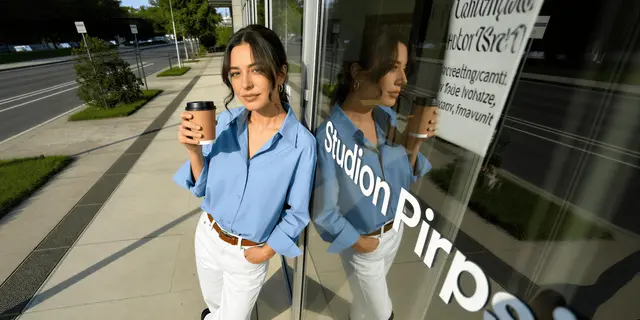
AI product listing images: how many slots Amazon, Etsy, eBay, Walmart and Shopify show, the main-image rule on each, and the 7-shot set to make first.
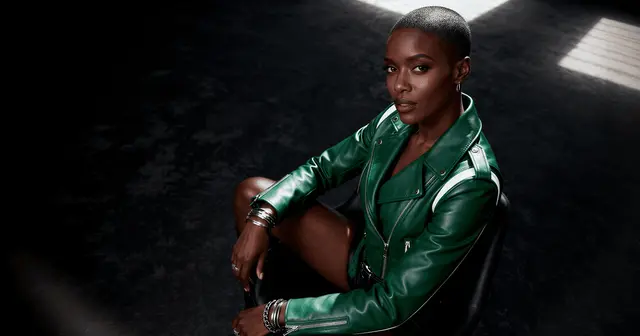
AI fashion models come from three different sources, and the source decides what you must disclose. The 2026 EU and New York rules, and how they differ.

Nine AI product photography tools compared for Amazon sellers, with Amazon's own main image rules first and the listing slot each tool is built to fill.
Shopify has no AI photo policy. The rules that bind your store sit in Google Shopping, Meta ads and the EU AI Act. What each one asks for, with dates.
Start from a template, add your brand and your products, and see the cost before you run it.